


By Viktor Yahun
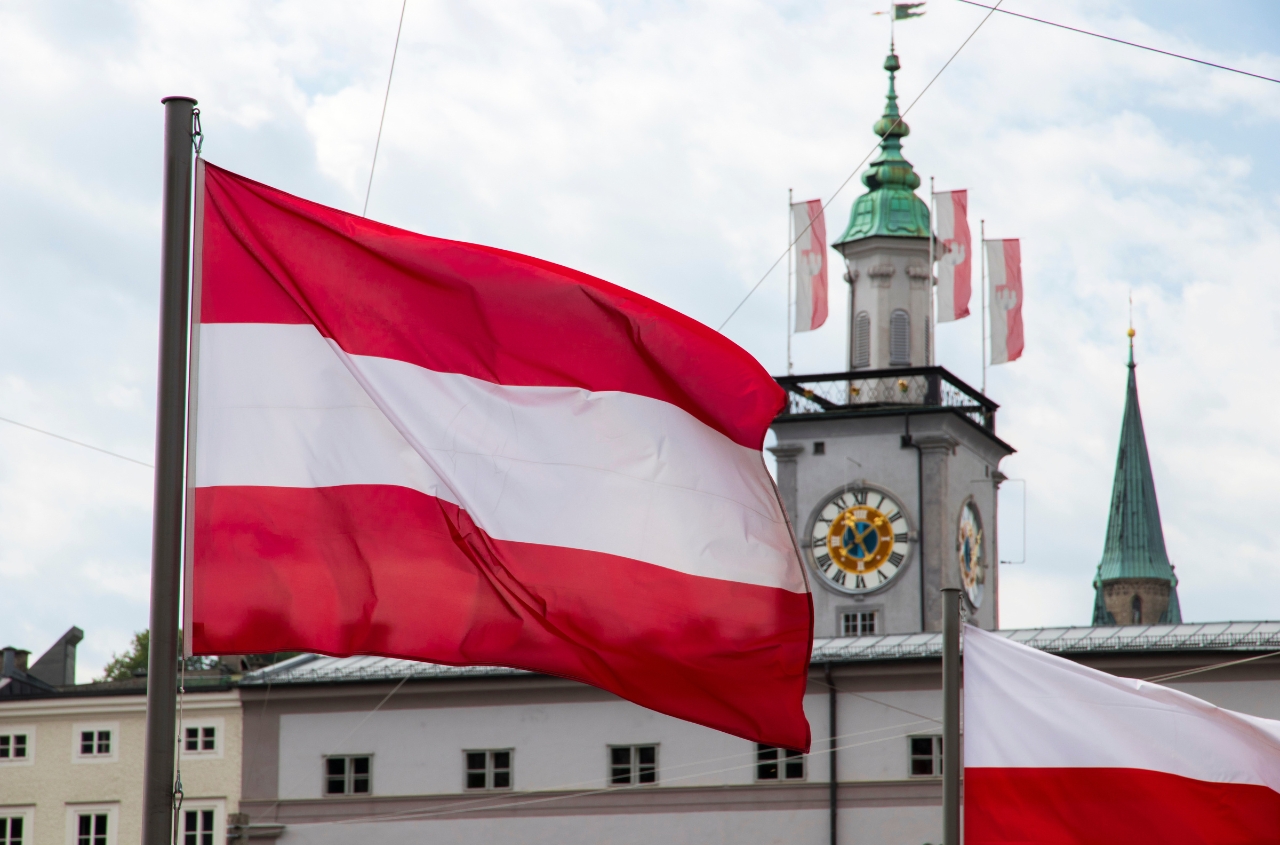
An event that would have seemed unlikely just a few years ago for neutral Austria has now become another marker of the new security reality: Vienna has expelled three Russian diplomats over suspicions of espionage.
According to Western media, the Austrian authorities’ decision is based on suspicions of activities incompatible with diplomatic status — a classic formulation in European practice that refers to intelligence or subversive activity.
An important nuance: Austria has traditionally positioned itself as a “bridge” between the West and Russia, and its capital Vienna is one of the key hubs of international diplomacy and, accordingly, intelligence activity. For this reason, even a targeted expulsion here carries greater political weight than in many other countries.
This decision is not isolated — it fits into a broader European trend:
- after 2022, dozens of EU countries significantly reduced Russian diplomatic missions;
- European intelligence services openly report increased activity of Russian intelligence networks;
- even neutral states such as Austria or Switzerland are gradually moving away from a policy of “balance” and acting more decisively.
In effect, a dismantling is taking place of the old model in which diplomatic cover was used for Russian intelligence activities in Europe.
In European political and expert circles, this development is interpreted in several ways.
First, as confirmation of a systemic problem: Russia’s diplomatic presence is increasingly viewed as an instrument of hybrid warfare.
Second, as a signal from “soft” states. If even Austria, which long maintained a cautious stance, is taking such steps, it indicates a shift in the overall European consensus.
Third, as a precondition for further decisions. Some experts openly speak about the possibility of a broader “clean-up” of diplomatic channels.
For Russia, this means further narrowing of opportunities for legal intelligence activity in Europe and more difficult coordination of influence operations.
For Europe, it means a stronger role for counterintelligence and a gradual shift from a reactive to a preventive security model.
For Ukraine, it is an additional signal that the EU increasingly perceives Russian intelligence activities as a direct threat, as well as an expansion of opportunities for security coordination with partners.
The expulsion of Russian diplomats from Austria is not an isolated incident, but part of a broader process. Europe, including traditionally cautious states, is moving toward systematic containment of Russian influence.
And the key point: neutrality no longer means passivity.