


By Max Gardus
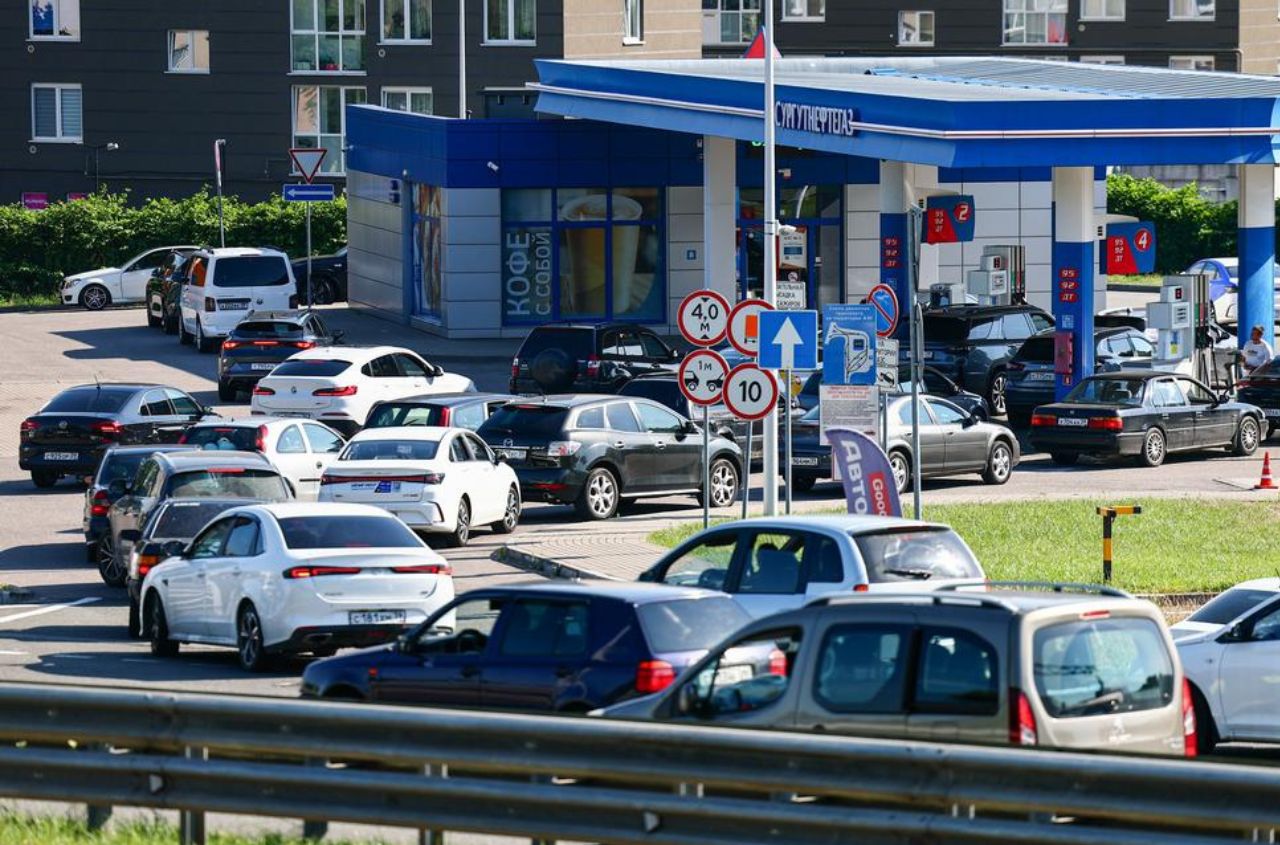
Russia may remain one of the world's largest oil producers while simultaneously facing fuel shortages. At first glance, this seems paradoxical. In reality, it is a logical consequence.
The true value of oil lies not in its extraction but in its refinement and the timely delivery of finished fuel to where it is needed. That is why oil refineries and logistics are just as strategically important as the oil fields themselves.
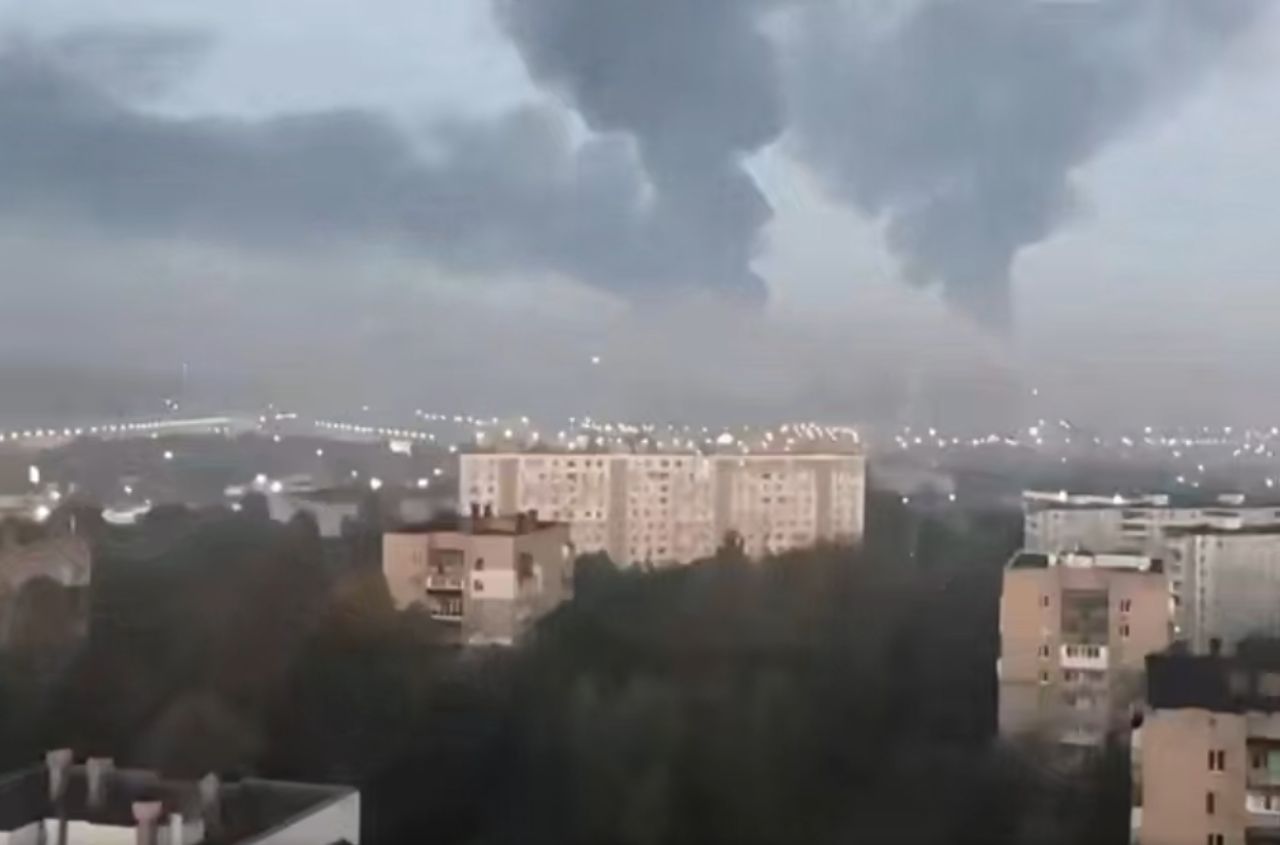
Damage to refineries means more than just reduced production. It sets off a chain reaction. When fuel becomes scarce, the first sectors to feel the impact are those that cannot afford delays. Agriculture is particularly vulnerable, as seasonal work depends on strict timelines. A missed day today can result in a lost harvest tomorrow.
The problem cannot always be solved quickly through imports. Fuel still has to be transported, distributed across regions, and supplied in sufficient quantities to the areas where it is needed. If logistics are disrupted, even available fuel may not reach its destination.
That is why attacks on critical infrastructure matter far beyond the energy sector. They gradually affect the functioning of the entire economy. When production is disrupted, logistics become more difficult, and shortages begin to impact transport, agriculture, and other civilian industries, the consequences extend well beyond a single sector.
An economy's real weakness becomes apparent not when it loses part of its resources, but when it can no longer efficiently convert those resources into finished products and deliver them where they are needed. That is the point at which infrastructure damage begins to determine the broader economic consequences.