

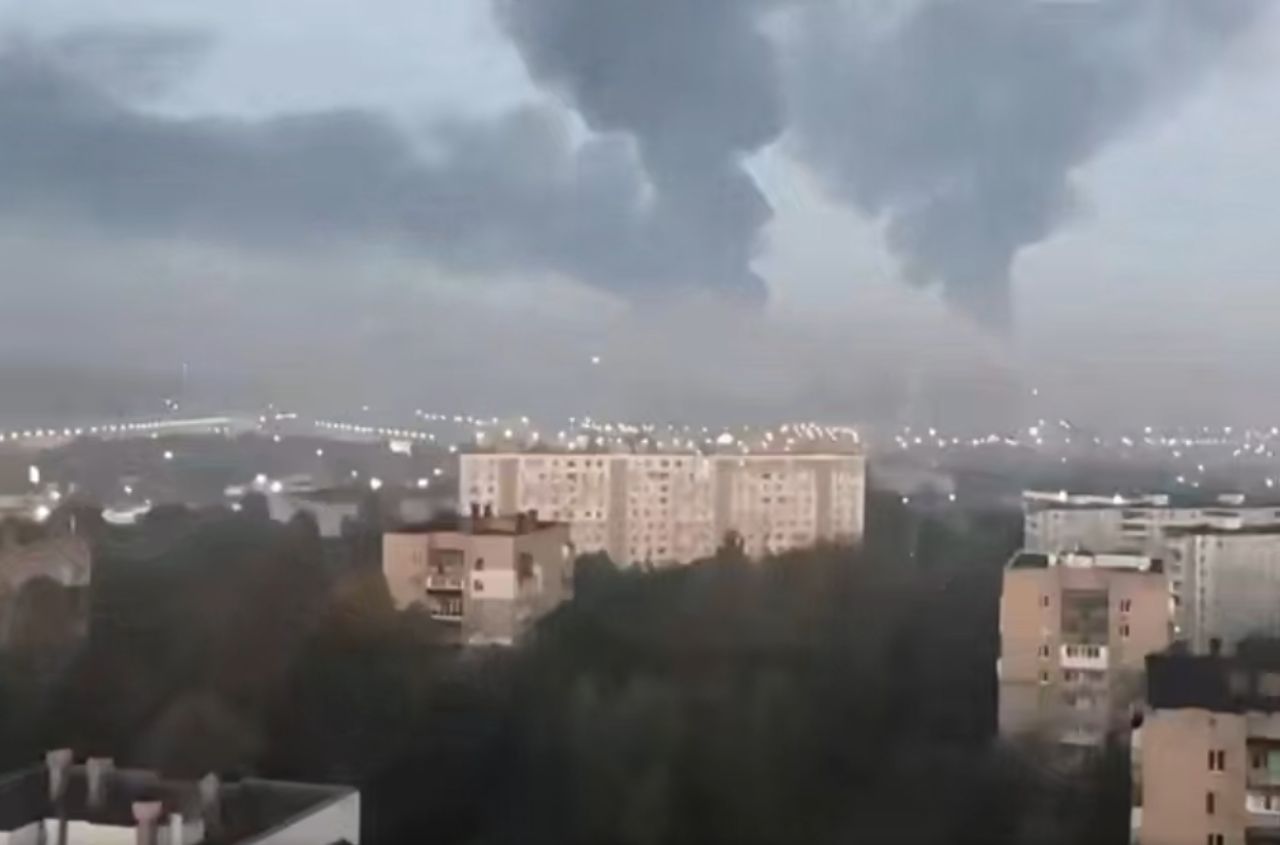

On the night of 20 September, Ukrainian forces struck targets in the Moscow region. President Volodymyr Zelensky said that the weapons used in the attack included Pelican — a name associated with Ukraine’s FP-7 ballistic missile developed by Fire Point. According to Zelensky, one of Russia’s key oil industry facilities and a logistics facility were hit in the Moscow region. Among the weapons used in the operation, the President named the FP-1, RZ-100, MICH-2000, Palyanytsia, Vendetta, Liutyi, Bars, Flamingo, Sichen and Pelican. According to him, the operation involved the SSU, Unmanned Systems Forces, Special Operations Forces, Defence Intelligence and the Foreign Intelligence Service.
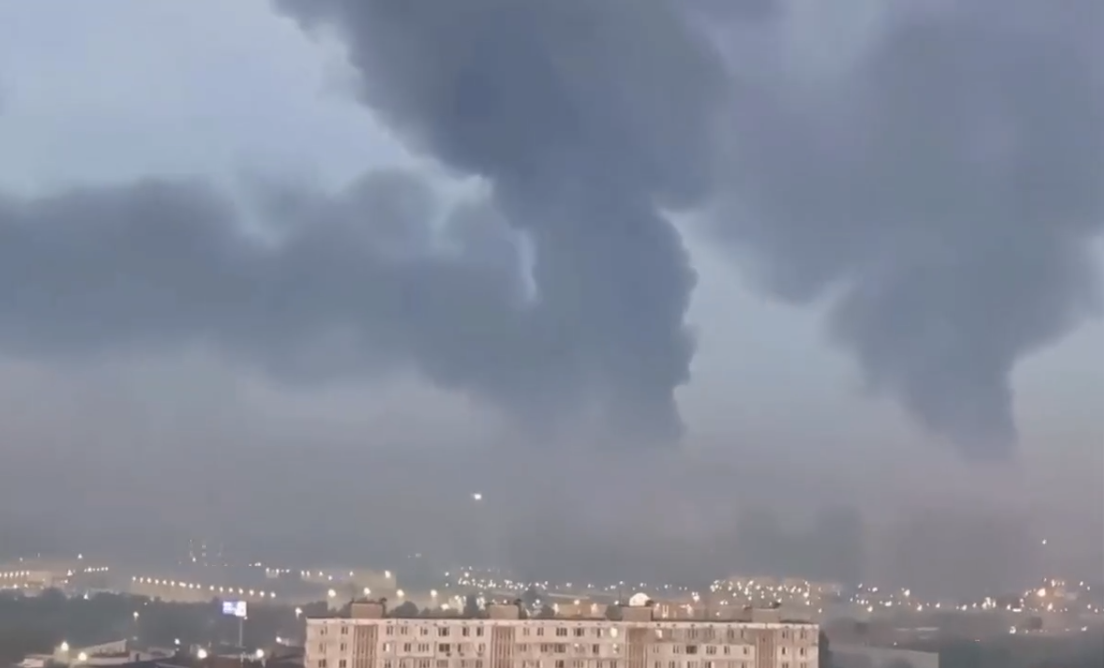
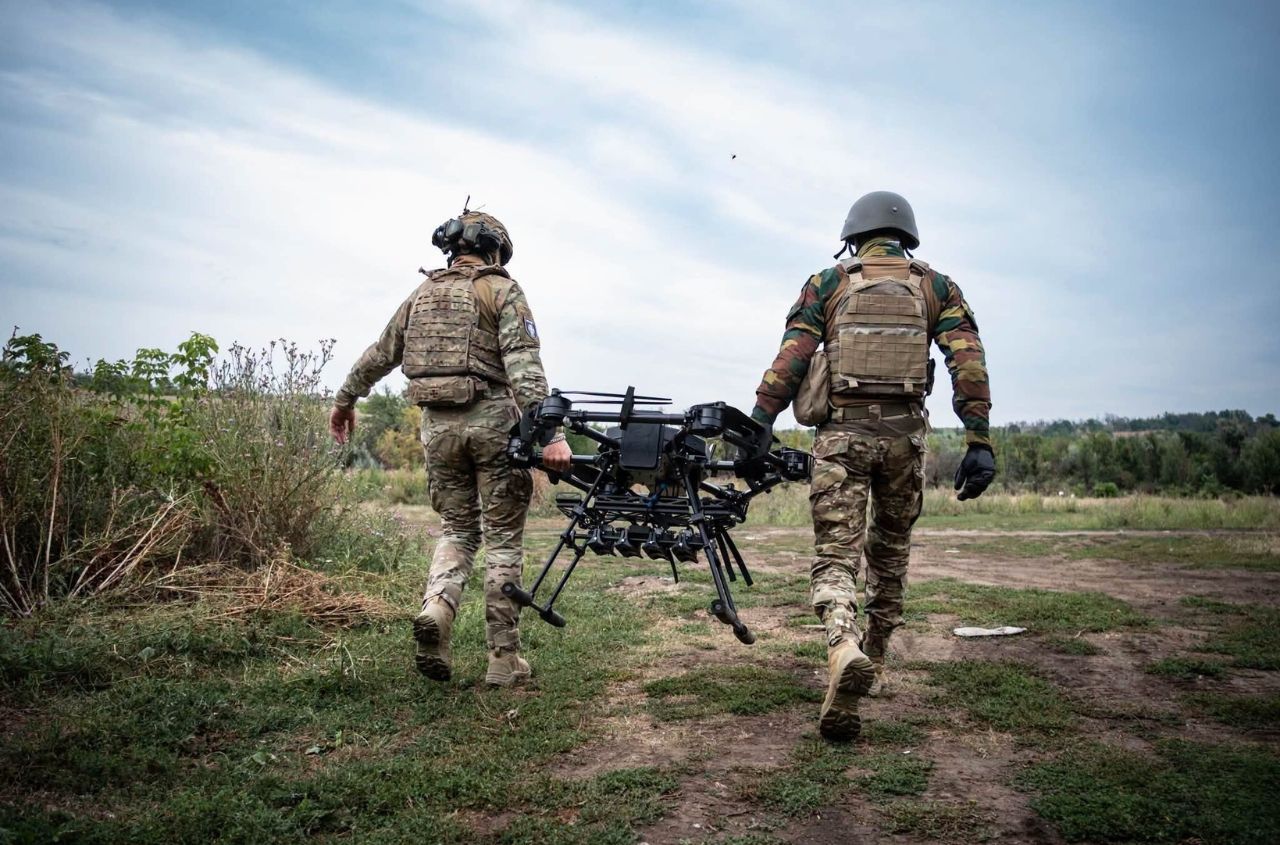
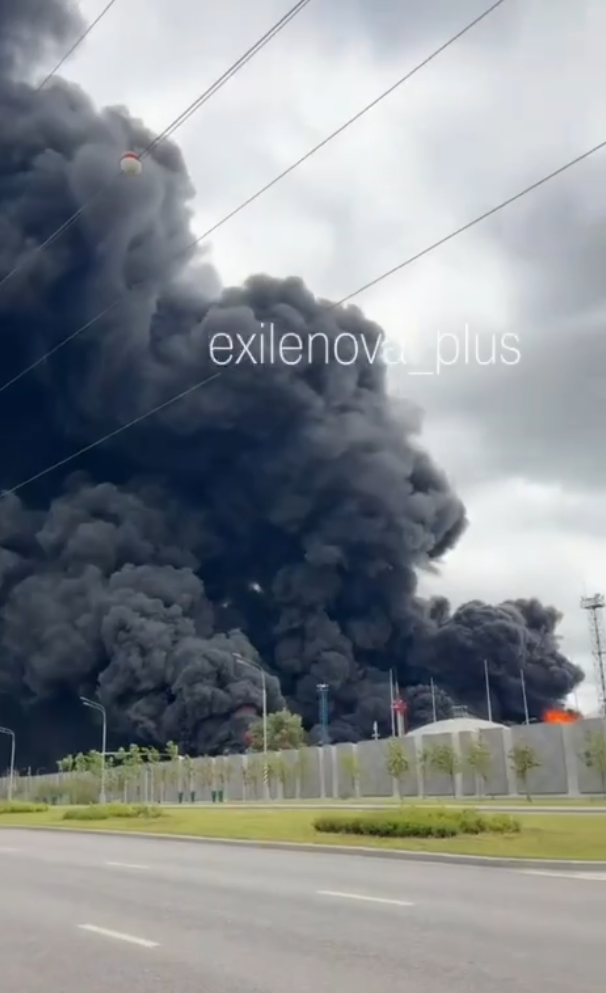
The target was the Moscow Oil Refinery in the Kapotnya district, just 15 km from the Kremlin. Long-range drones operated by the SSU’s Alpha Special Operations Centre flew more than 500 km, penetrated Russia’s layered air defences and successfully struck the refinery. A large-scale fire was reported at the site. The facility produces petrol, aviation kerosene, diesel fuel and fuel oil and is a major supplier of aviation fuel to Moscow airports.
If the Pelican mentioned in the President’s statement does indeed refer to the FP-7, this could be the first publicly confirmed report of the Ukrainian ballistic missile being used in combat.
The FP-7 is a ground-launched ballistic missile developed by Ukrainian company Fire Point. According to the manufacturer, it is designed to carry a warhead of up to 150 kg and has a range of up to 200 km. Its stated maximum speed is 1,500 m/s, with a flight altitude of up to 65 km and a claimed accuracy of 14 metres. Fire Point publicly demonstrated the first FP-7 tests in February 2026, showing launches from a ground-based platform. In June, Reuters reported tests of the FP-7.X variant, which Fire Point is considering as the basis for the future Freyja air and missile defence system.