

Main Image: Nikolay Matyushkin
The sixtieth interview through images by Andrey Sheptunov
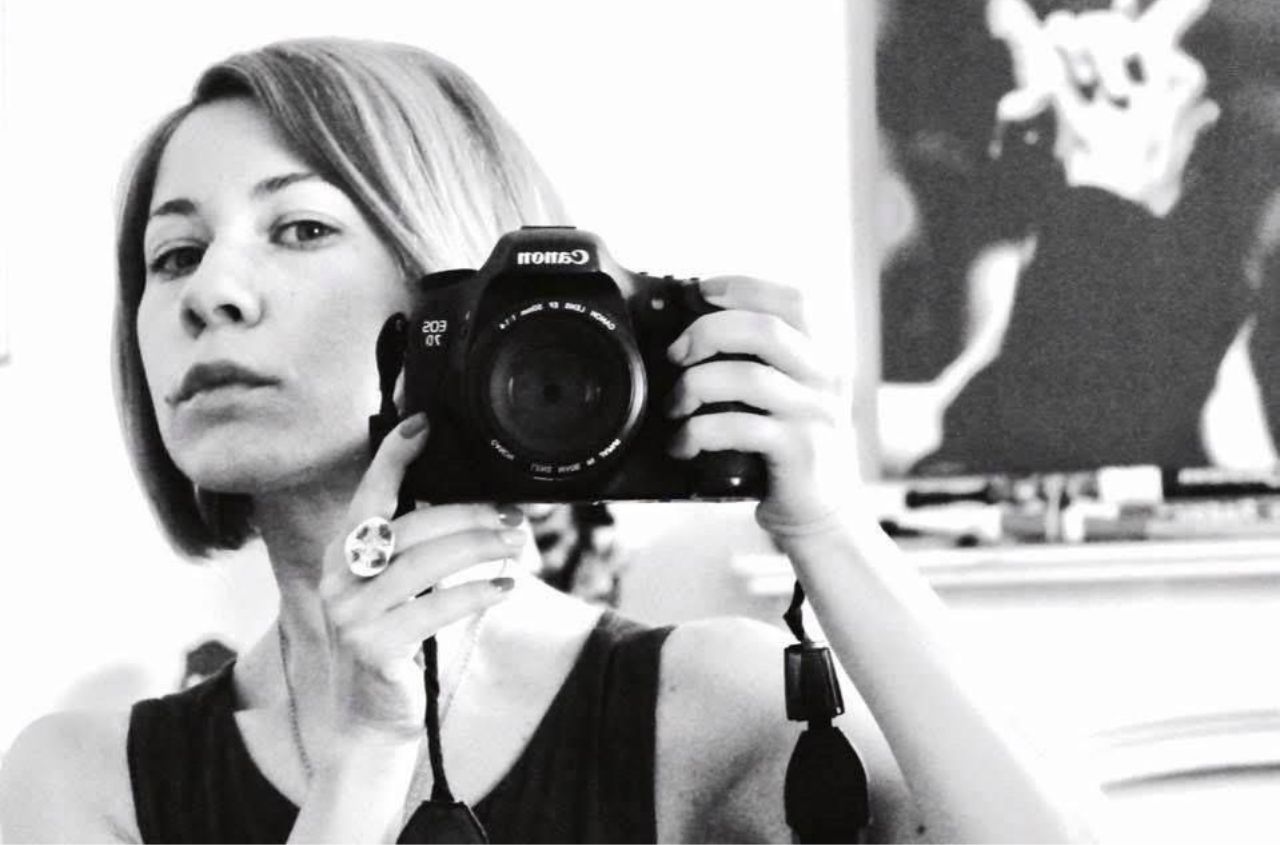
Dance and music belong to the very same element: time. Yet while music unfolds time across an infinite stream of layered sound, photography performs a radical act upon it: it tears a single second away from that flow, exposing what typically evades a superficial human glance. At this intersection of sound, movement, and the frozen frame, the artistic world of Nikolay Matyushkin emerges — a photographer and musician for whom art is never reduced to mere decorative flair or polished aesthetics.
His perspective on dance is fundamentally anti-ceremonial. Where most viewers are accustomed to seeing weightless ease, honed grace, and the visual sheen of the academic stage, Matyushkin detects the titanic muscle tension, the physiological toll of every step, and the quiet internal breakdown. His lens captures not an immaculate, rehearsed façade, but the dramatic underbelly of the craft: tight bandages, scuffed pointe shoes, ragged breath, and a relentless struggle for elusive equilibrium.
This uncompromising honesty toward the subject transforms reportage movement capture into a deeply psychological exploration. For the artist, photography turns into a two-part polyphony where the dancer and the person behind the lens engage in an unspoken dialogue of equals. To seize an authentic gesture, a photographer requires far more than technical shutter speed; it demands the capacity to become part of someone else's choreography, grasping its hidden trajectory and resonating in perfect unison.
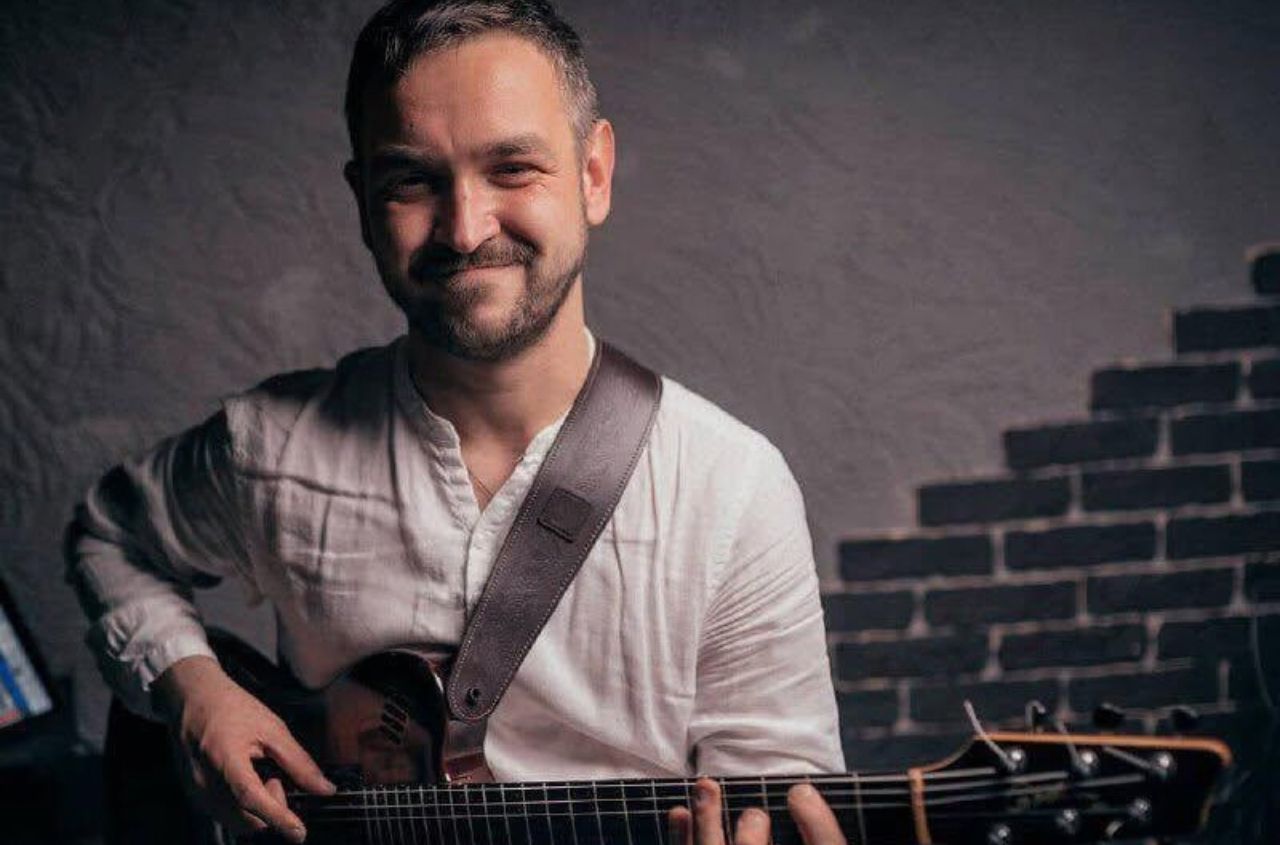
Matyushkin’s musical dimension operates under the very same rigorous, unyielding laws. Live performance with a loop station, guitar, bass, and foot-controlled percussion pads leaves zero room for romantic chaos or relying on random luck. Here, music is conceived as pure architecture built in real time, where a timing slip of even a fraction of a millisecond can bring the entire structure crashing down, and physical coordination becomes akin to a complex reprogramming of the nervous system.
It is remarkable how, within this strict system of coordinates, the artist discovers space for genuine freedom. For Matyushkin, freedom does not equate to anarchy — it arises at the very moment limitations are conquered, whether in the leap of a tap dancer defying gravity and rhythmic dictate, or in the spontaneous play of children on an empty stage moments before the final bell, when the assigned role has not yet eclipsed living presence.
The texture of his photographs is almost physically palpable. The coarse fabric of stage curtains, the rough weave of ribbons, and contrasting chiaroscuro speak to the audience in a language of authenticity where form cannot be separated from pain, endurance, and the joy of healing. The artist’s sonic and visual optics function as a single synchronized apparatus, examining humanity at moments of peak emotional and physical strain.
In this dialogue, Matyushkin appears not as a passive observer, but as an empathetic accomplice to external triumphs and vulnerabilities. Whether capturing the dynamic between a ballerina and a dog — where shared pain gives way to an explosion of healing acceptance — or weaving a multilayered sonic tapestry where meticulous control paradoxically opens into meditative levitation, the artist consistently pursues the truth of being present in the moment.
Presented below is the visual and sonic score of this creative inquiry — a series of direct testimonies where, in response to each question, the artist offers not theoretical abstractions, but his own works, laying bare the vital nerve of his method.
1. Show us a frame that became a personal manifesto or a turning point for you.
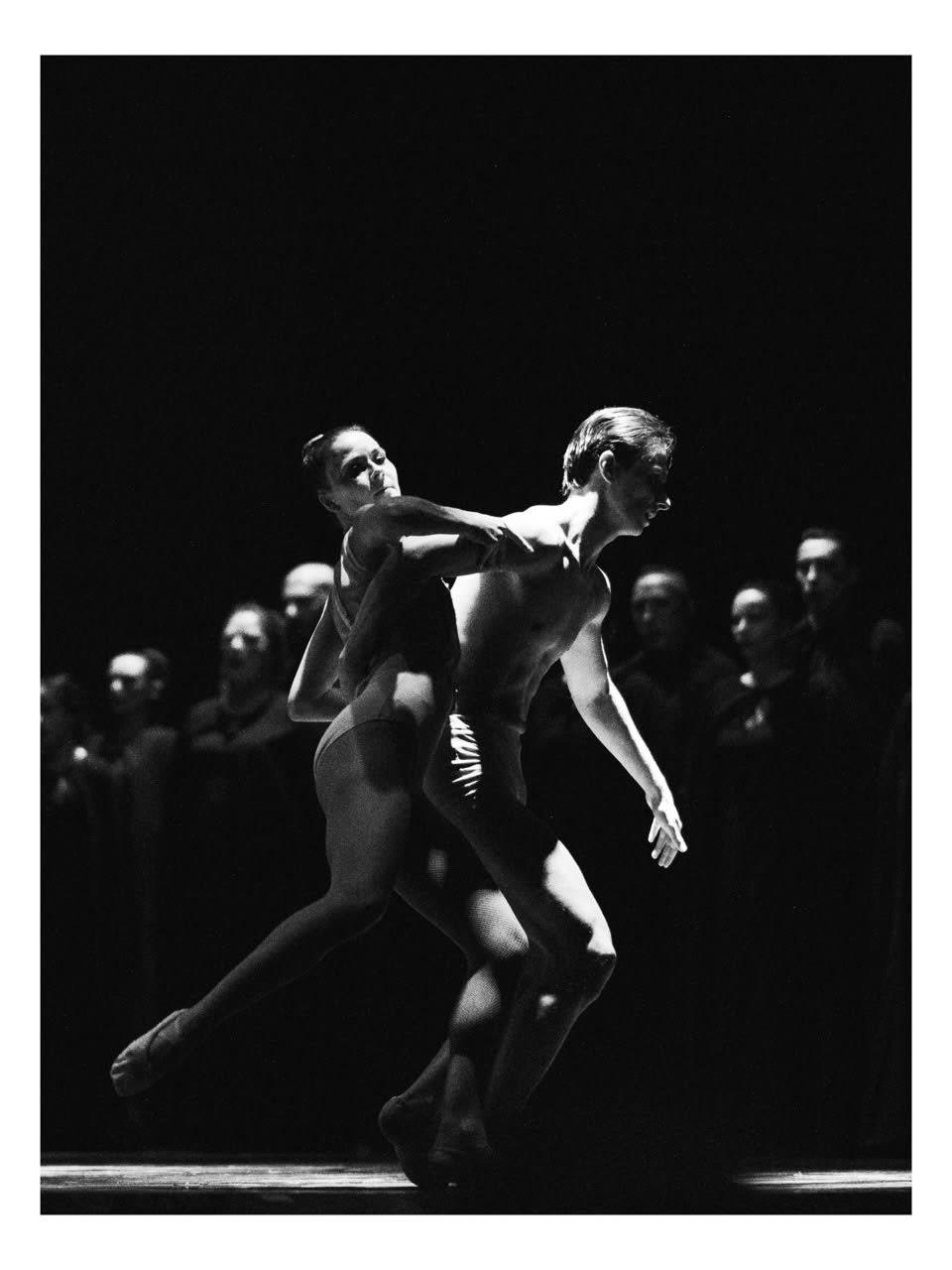
Artist's comment: "This photograph captures a struggle for balance rather than beauty; the conventional, pleasing visual language of dance is broken. For me, this is a manifesto: genuine dance is not a flawless, effortless, and pretty picture, but a titanic struggle with oneself that remains invisible to the audience."
2. Which of your compositions resulted from experimenting with an unconventional rhythm or instrument?
Artist's comment: "I rarely write music in the classical sense, but my primary rhythmic experiment takes place live on stage when I perform with a loop station. My personal turbulence zone is coordination: the left hand frets chords on the neck, the right hand strikes aggressive flamenco rasgueados up and down, while my feet tap out rhythms on three floor pads simultaneously. The most difficult internal conflict occurs when the right hand strikes upward just as the foot must hit downward — the brain simply refuses to split the body into independent autonomous modules. Breaking conventional motor habits is precisely where my core rhythmic experiment lies, because in that moment you cease merely playing music; you literally rewire your own nervous system."
3. Which of your photographs most accurately reflects how you perceive the rhythm of the world around you?
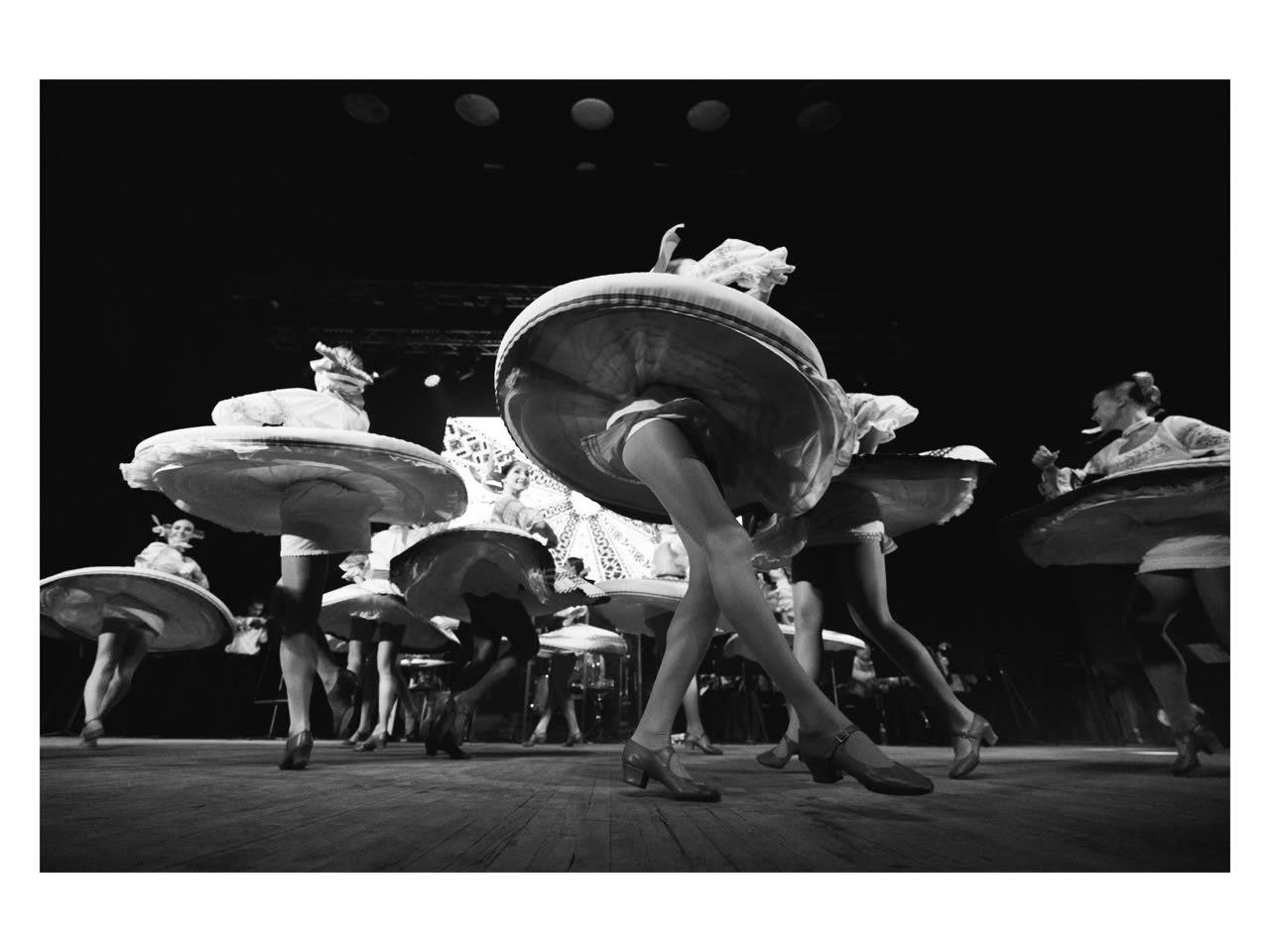
Artist's comment: "To me, the rhythm of the world around us is everything interacting at blinding speed, generating continuous, living chaos. Within that chaos, everyone chooses their own interpretation of reality: some see folk dancers on stage, while others see mushrooms."
4. Show us a frame created on the verge of emotional exhaustion or, conversely, an intense burst of energy.
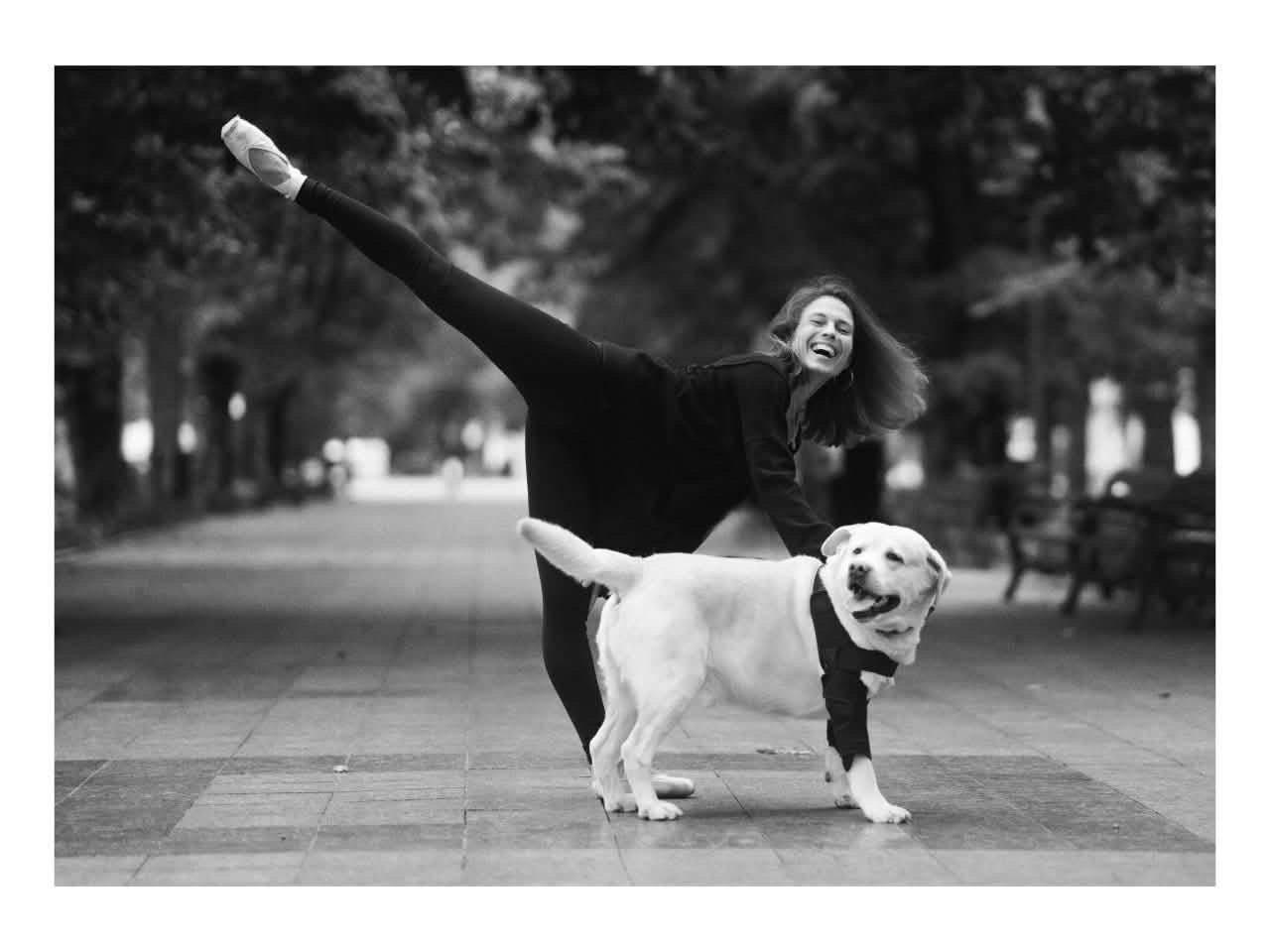
Artist's comment: "Precisely because there is a profound, invisible bond between the ballerina and the dog (the trauma of ballet and the pain of bandages), their encounter sparks not just a smile, but an explosive surge of joy. The joy of healing through acceptance."
5. Show us a track or musical excerpt that was born out of complete chaos but resolved into pure harmony.
Artist's comment: "I have never had tracks born from pure chaos, because working live with a loop station, guitar, bass, piano, and three dynamic foot pads simply does not forgive disorder. If you misjudge the timing of the primary foundational loop by even a single millisecond or miscalculate the velocity of your foot tap on the pad, the entire subsequent multilayered structure collapses into mud. My music is assembled not from chaos, but through strict internal geometry and control: each layer — guitar rhythm, bassline, percussion — enters at an exact designated moment, like bricks laid into a wall. It is much more like architecture constructed in real time, where you cannot afford a single accident without the entire building crumbling."
6. Which photograph comes closest to the concept of childish sincerity and unrestrained imagination?
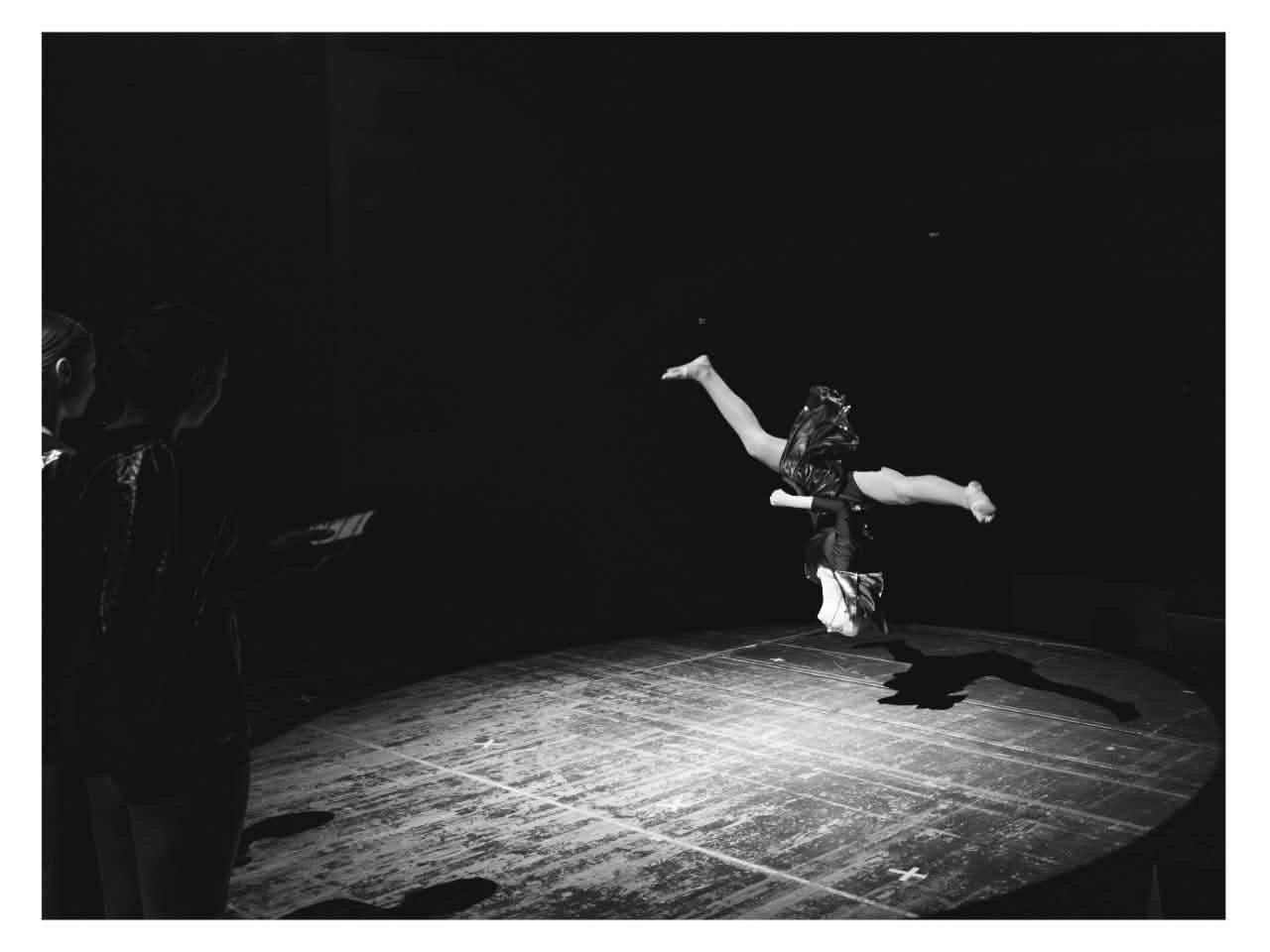
Artist's comment: "The stage before a performance begins is a sanctuary where any limitation can be demolished. While adults remain sequestered in dressing rooms fussing over themselves and contemplating how to play their roles, children don't play a role — they live it with full abandon. That uncompromising sincerity always transcends any adult choreography."
7. Which musical piece most accurately captures the state or sound you seek while shooting?
https://www.youtube.com/watch?v=qHyPle3CLvk&list=RDqHyPle3CLvk&start_radio=1
Artist's comment: "This is the only two-part fugue in Book I of J.S. Bach’s The Well-Tempered Clavier; all the others are three- or four-part fugues. In it, to my mind, it is easiest to hear and visualize the interaction of two people (the dancer and the photographer) — two voices like two human beings. It evokes a sense of supreme attentiveness, continuous motion, and total immersion of the photographer into the dance. Understanding the latent polyphony in this work is, for me, that secret ingredient by which the simple documentation of a fast-moving object transforms into dance photography possessing its own character, meaning, and the joy of dwelling in a fleeting moment."
8. Which photograph gives you the strongest sense of inner freedom?
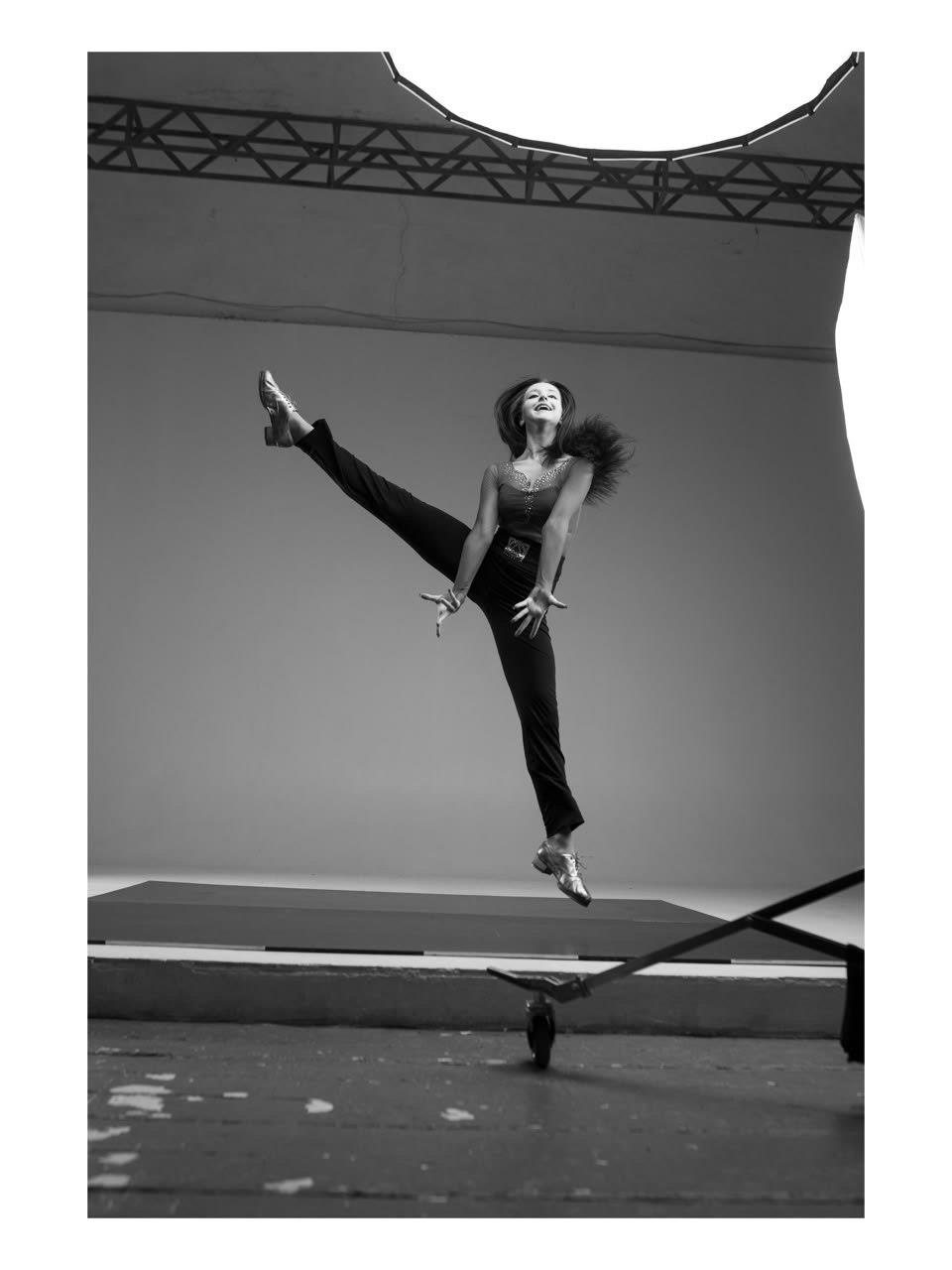
Artist's comment: "This photograph depicts a tap dancer. Her entire discipline centers on controlling every strike of the foot, maintaining relentless floor contact, and adhering to rigid rhythmic boundaries. In this frame, she has leaped beyond all of that, ceasing to obey the rules dictated by tap as an art form; right here, she attains genuine inner freedom."
9. Show us a photograph where texture, light, or physical materiality speaks louder than the subject itself.
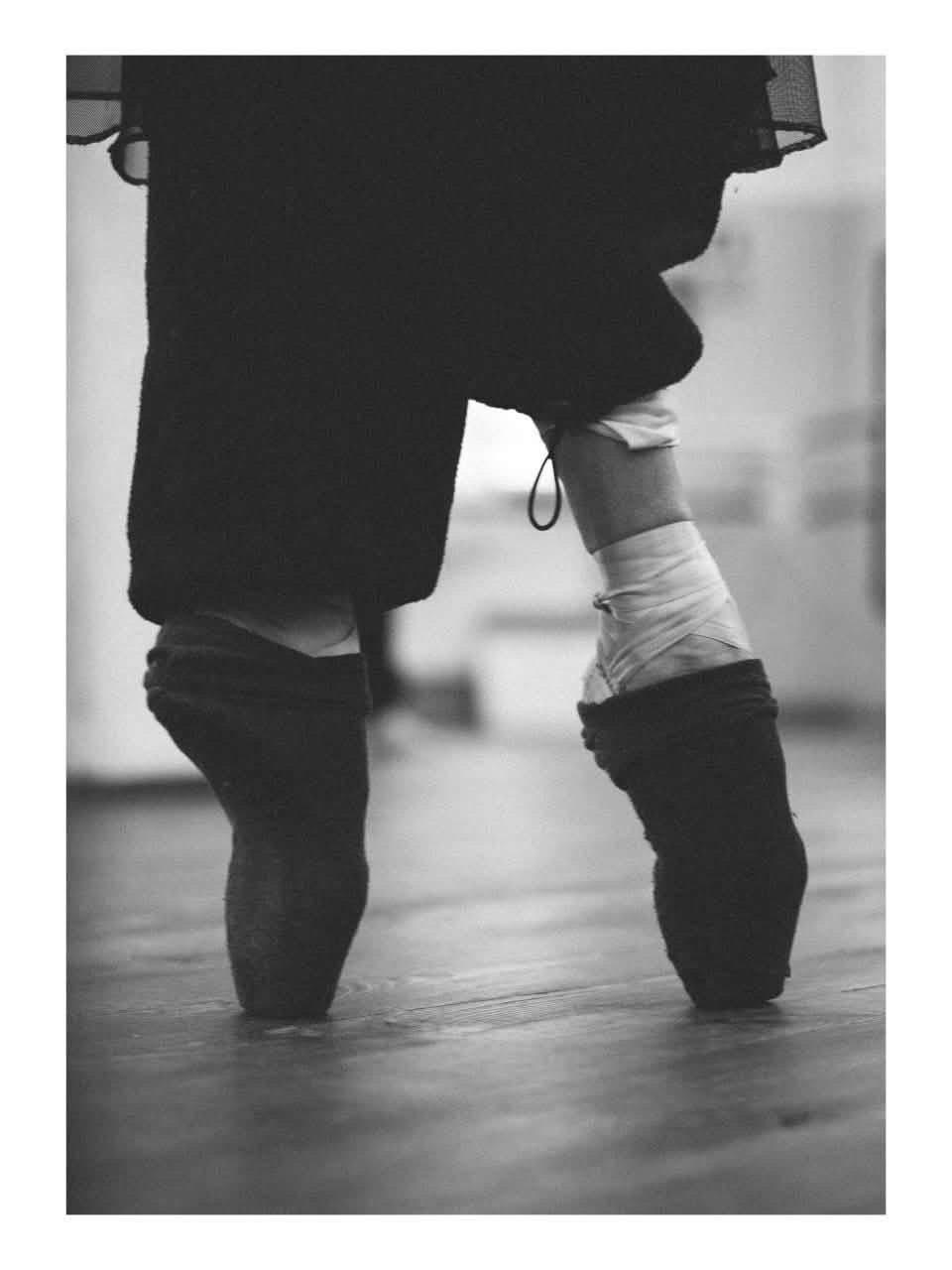
Artist's comment: "Dense fabric, coarse ribbons, tight bandages, and worn-out pointe shoes speak more truthfully about ballet than any words ever could. It is a portrait of the profession's underbelly, where the tactile weight of the material conveys the gravity of every motion and the cost of every single step."
10. Show us a track where music evokes a palpable sense of visual space or a painterly image.
A dialogue with Nikolay Matyushkin leaves a rare sensation of engaging with art stripped of decorative veneer and artificial posturing. Through his lens, dance and music cease to be mere spectacles — they acquire physical weight, density, and radical authenticity. Between worn pointe shoes, the strict internal geometry of looped sound, and instances where the human body transcends its own anatomical limits, the true price of any creative gesture is revealed.
The uniqueness of the artist’s method lies in his ability to synchronize two distinct modes of perception. As a musician, he erects a rigorous polyphonic architecture that forgives neither chaos nor fleeting timing discrepancies. As a photographer, he catches the subtlest vibrations of motion at the exact split-second when discipline yields to weightless flight and an inner liberation accessible only to those who understand the mechanics of the stage from within.
This visual and sonic chronicle unfolds in real time, capturing fresh dimensions of physical theatre, musical explorations, and the backstage pulse of performance. You can follow upcoming projects, new visual series, and live concert experiments by Nikolay Matyushkin on his official Facebook page.