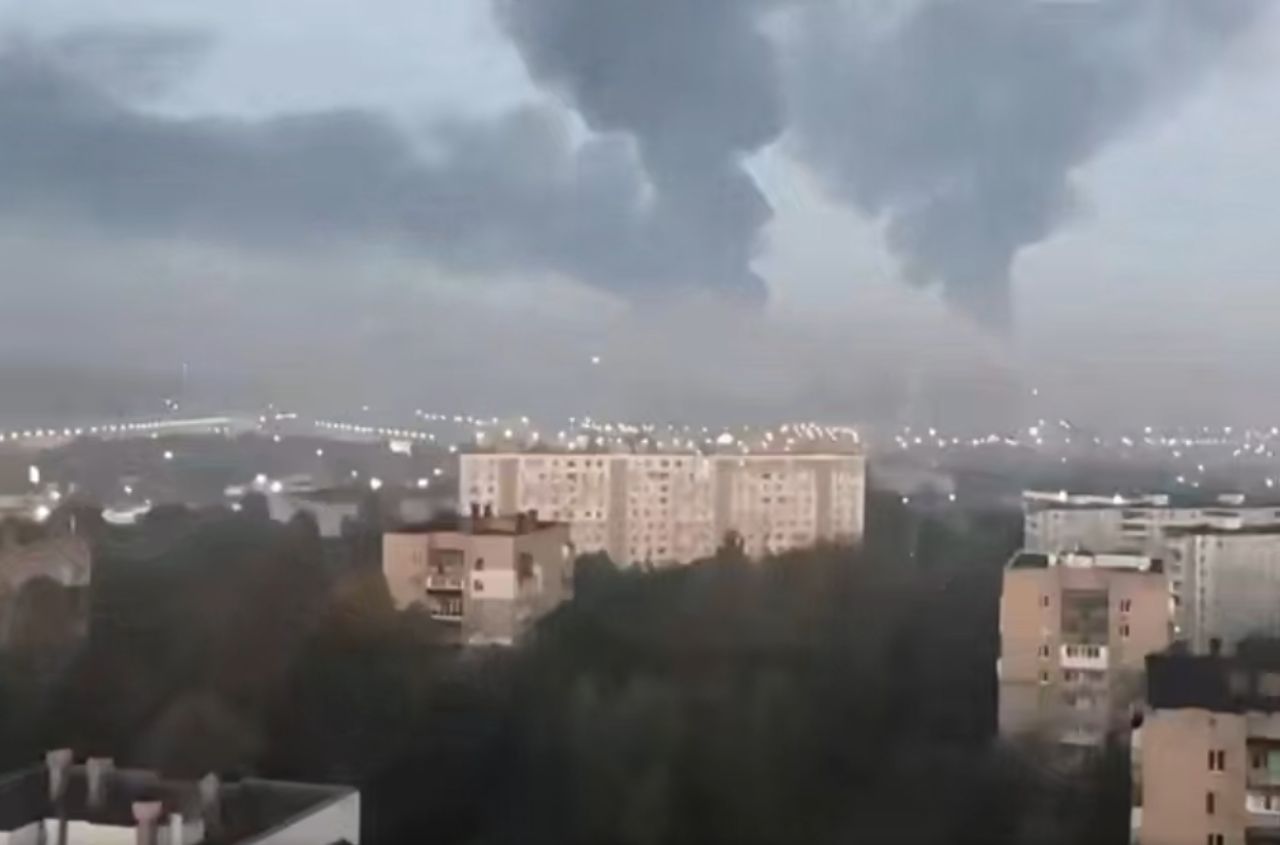


There is a peculiar experience familiar to many Ukrainians: living through an event and then seeing it reported by an international news organisation a few hours later. The facts may all be correct, and yet the story can somehow feel different from what actually happened. An attack becomes a number of drones and casualties. A night spent listening to explosions becomes a paragraph. A city that wakes up, clears broken glass, takes children to school and goes back to work disappears almost entirely from the story.
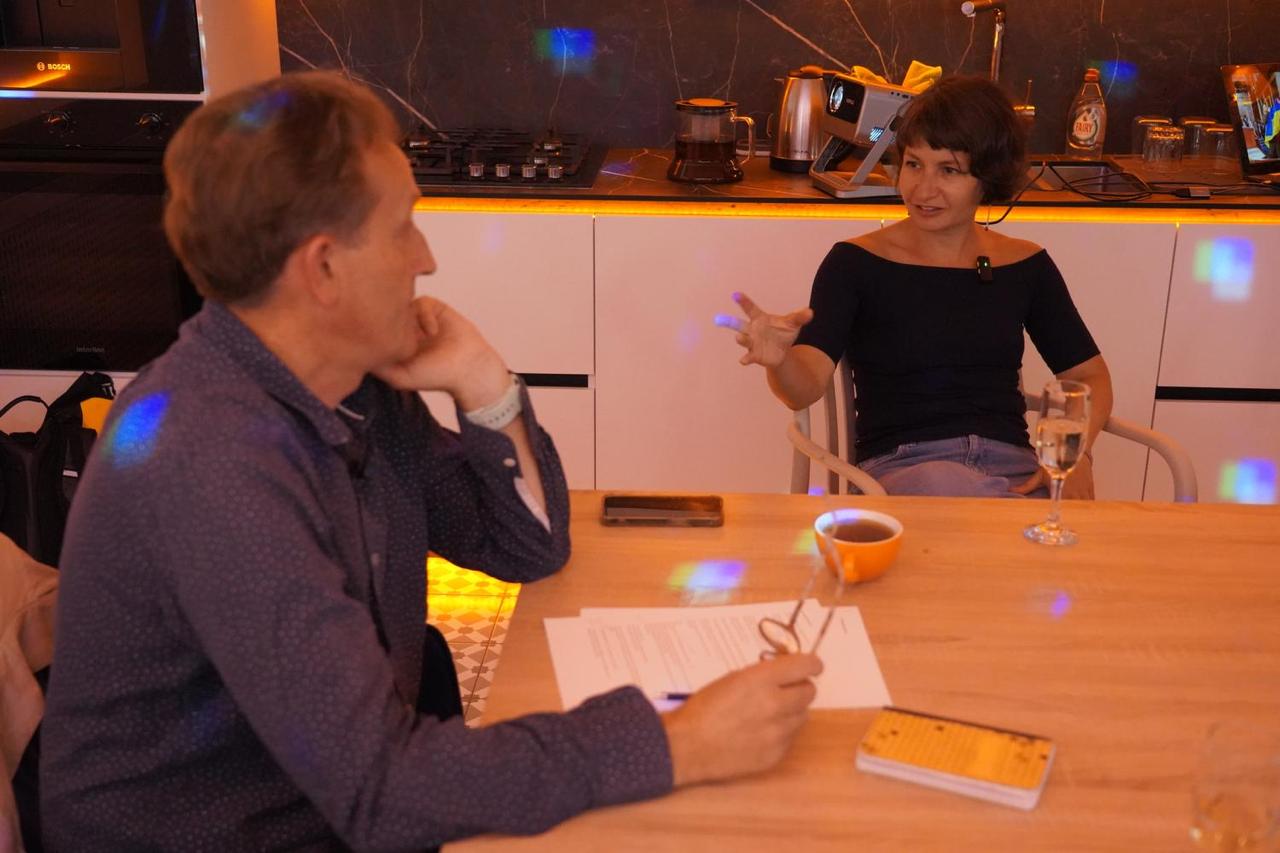
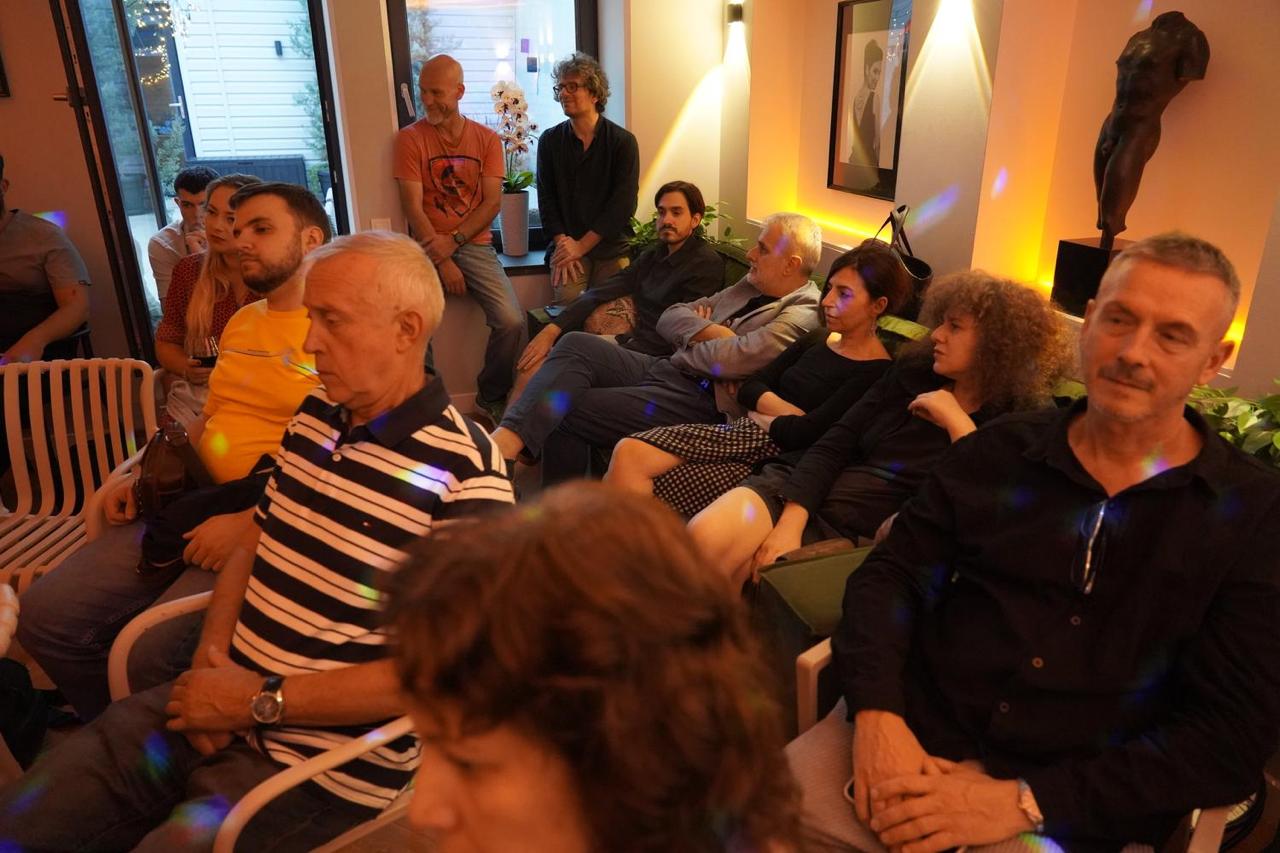
Why does this happen — and is it possible for journalism to avoid it? These questions became the starting point for the latest CosmoKvartirnik (Kvartnirnik Salon) organised by Ukrainian Cosmopolis in Odessa.
Ukrainian Cosmopolis is an independent civic and intellectual initiative based in Odessa, bringing together writers, scholars, artists and cultural figures from the city, Ukraine and abroad. The community creates a space for open discussion, international exchange and intellectual freedom, connecting Odessa’s cultural and academic life with a wider international network.
The guest was British documentary filmmaker and writer Nick Sturdee, a participant in the 2026 Cosmopolis International Residency who has more than 20 years of experience working with the BBC and Channel 4. The evening was not really about accusing Western journalists of misunderstanding Ukraine. The discussion quickly became more complicated than that. It was about what happens to reality when it has to become news.
For people living in Ukraine, the war has no clear beginning and end each day. It exists somewhere in the background even when nothing is happening. It changes where people sleep, how they plan journeys, whether children go to school, when businesses can work and how people react to an unfamiliar sound in the sky. Most of this is almost impossible to turn into breaking news. International journalism naturally looks for an event: something happened, someone said something, something was destroyed. But after years of war, some of the most important changes in Ukrainian society are processes rather than events. They happen slowly and are difficult to capture in a two-minute television report. This creates a strange contradiction. The longer a war continues, the more deeply it transforms the lives of the people inside it — but the harder it may become to explain to people outside it.
Sturdee brought to the conversation the perspective of someone who knows how international television works from inside. A foreign correspondent does not simply arrive somewhere and “show reality.” Before a report reaches the audience, dozens of decisions have already been made. What is important today? Who should speak? Which image explains the story? How much history does the viewer need? What can be removed without making the report misleading?
And then there is the simplest limitation of all: time. A television report lasting several minutes cannot contain a country. Neither can an 800-word article. The problem is not necessarily that somebody is deliberately removing context. Often there is simply no room for it. But what is left out still matters.
One of the interesting questions raised during the evening concerned normal life itself. International audiences understandably see Ukraine through war: missiles, soldiers, destroyed buildings, negotiations and military maps. But Ukrainians do not spend every minute behaving like characters in a war report. They fall in love, complain about work, open restaurants, argue about parking, go to exhibitions, worry about money, make plans for the summer and sit with friends in cafés while an air-raid application remains open on somebody’s phone. This ordinary life is not separate from the war. In many ways, it is one of the most important consequences of it. Maintaining normality has become a form of adaptation.
Yet normality is difficult to sell as news. There is also a difference between knowing something and experiencing it. A viewer in London may understand perfectly well that Odessa is attacked by drones. But understanding the sentence “Odessa was attacked overnight” is not the same thing as being woken at three in the morning, deciding whether to move to the corridor, checking where the explosions are coming from and then getting up for work a few hours later. No journalist can completely eliminate that distance. The more useful question is whether journalism can at least acknowledge that it exists.
The discussion also touched on another uncomfortable reality: journalism itself now operates inside an economy of attention. A report about Ukraine competes not only with another war or another political crisis, but with football, celebrities, TikTok, YouTube, streaming platforms and everything else appearing on a person’s screen. Editors know how many people opened an article, how long they stayed and when they stopped watching a video. These numbers cannot help but influence the modern newsroom. Complexity therefore has a commercial disadvantage. A familiar story can be understood immediately. A complicated one requires patience. War, unfortunately, is complicated.
There is another danger when a conflict continues for years. Certain explanations become familiar and eventually harden into narratives. They help audiences understand new events quickly, but they can also prevent audiences from noticing that the reality itself has changed.
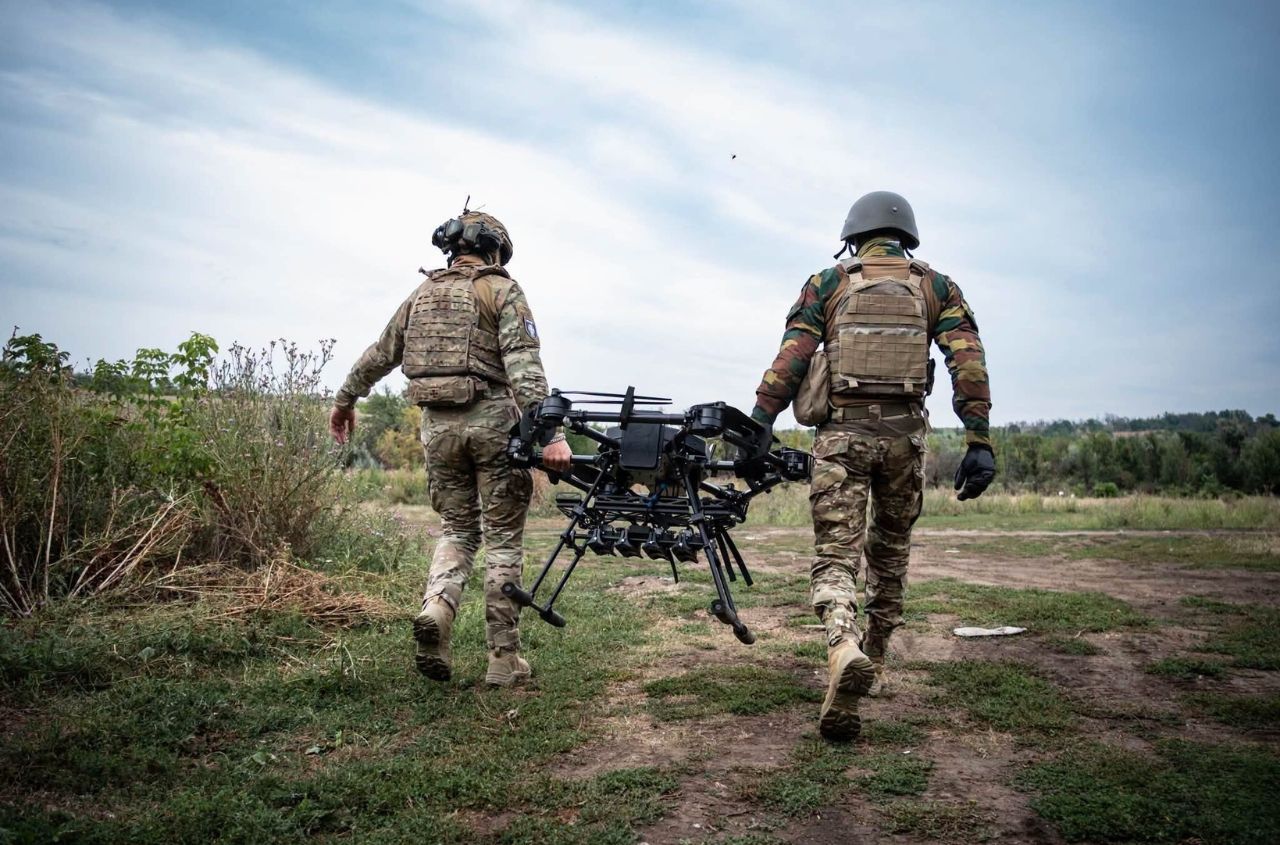
Ukraine in 2026 is not the Ukraine of February 2022. The army has changed. Society has changed. The defence industry has changed. The role of drones has changed warfare itself. Millions of Ukrainians have accumulated experiences that did not exist four years ago. But an international image of a country can move much more slowly than the country itself. Perhaps this is where the difference between Ukrainian and foreign perceptions of the war becomes most visible. For an international audience, Ukraine can become a continuing story. For Ukrainians, it remains a continuing life. That distinction matters.
It also explains why Ukrainians sometimes react so strongly to foreign coverage that, from the outside, may appear perfectly reasonable. People are not only judging whether individual facts are correct. They are comparing the report with a much larger reality they already know. At the same time, expecting foreign journalism to reproduce the Ukrainian experience in its entirety would be unrealistic. Journalism always selects. Every newspaper, television channel and reporter does it. The responsibility begins with recognising the consequences of that selection.
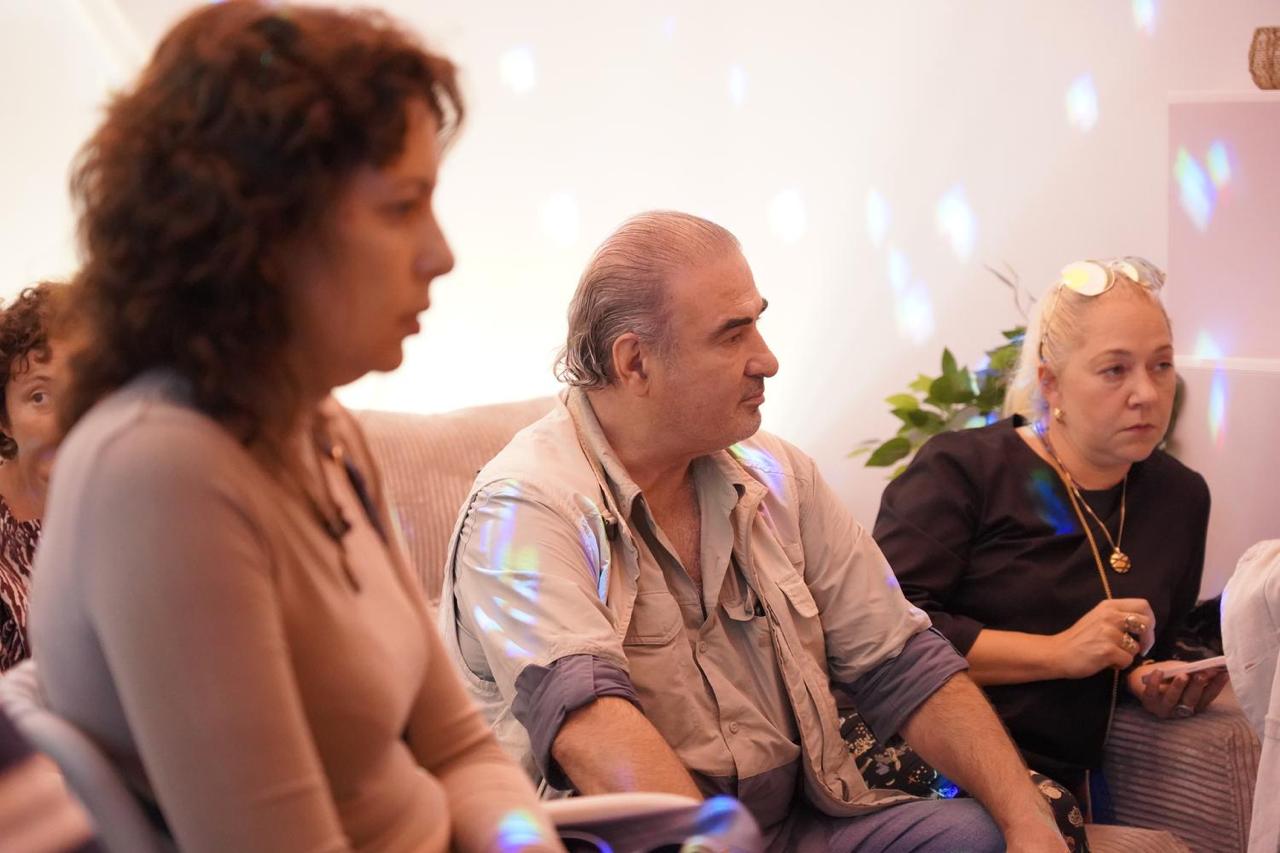
The CosmoKvartirnik with Nick Sturdee did not produce a list of rules for how Western media should cover Ukraine. That was perhaps its strongest point. Instead, journalists, researchers and participants were able to examine the machinery between an event and the story eventually seen by an audience thousands of kilometres away.
Ukrainian Cosmopolis developed the Kvartnirnik format precisely for this kind of conversation: informal meetings bringing together international residents, Ukrainian researchers, journalists and others willing to discuss questions for which a prepared answer would probably be less interesting than the discussion itself.
Journalism cannot transmit an entire reality. But it can remain suspicious of stories that become too simple. It can return to places after the cameras have left. It can notice when an old narrative no longer describes a new reality. And it can remember that behind the statistics are people whose lives continue between the moments that become news. Perhaps that is the part of war reporting that is easiest to lose: war is made up not only of extraordinary events, but of millions of ordinary days lived under extraordinary circumstances.