



The consumer market in Russia continues to decline. Official inflation in March is 5.9%. Real inflation, excluding seasonal fluctuations, has already reached 6%. Services are becoming more expensive by 8.8%, and non-food goods by 6%, compared to 4.6% in February.
Food prices have slightly decreased — but only because closed food service establishments no longer generate demand. Restaurants and cafés are simultaneously shrinking their networks in Moscow and the regions. Consumers who stopped going to restaurants have not switched to cheaper street fast food either — it is also in crisis.
Tax reform has moved small businesses from a simplified system to a general one with mandatory VAT payments, sharply increasing the tax burden. Those who could not cope have shut down; those who remained have raised prices and are gradually losing customers.
The industrial picture is even bleaker. Enterprises tied to state orders — weapons, drones, frontline infrastructure — are fully loaded. The rest of civilian production is losing ground. Mass layoffs have not yet occurred, but delayed wages, reduced bonuses, and part-time employment have become widespread. The result is paradoxical: unemployment is 2.1%, the lowest in history, while real incomes and consumer confidence are falling. Demand is shrinking, while expenses do not decrease.
The regional picture varies, but everywhere there are signs of decline. The Volga-Vyatka macroregion (including Tatarstan’s “Alabuga” and dozens of military factories) records the highest inflation in the country at 8.2%. The defense industry pushes wages up, and with them — prices for everyone else.
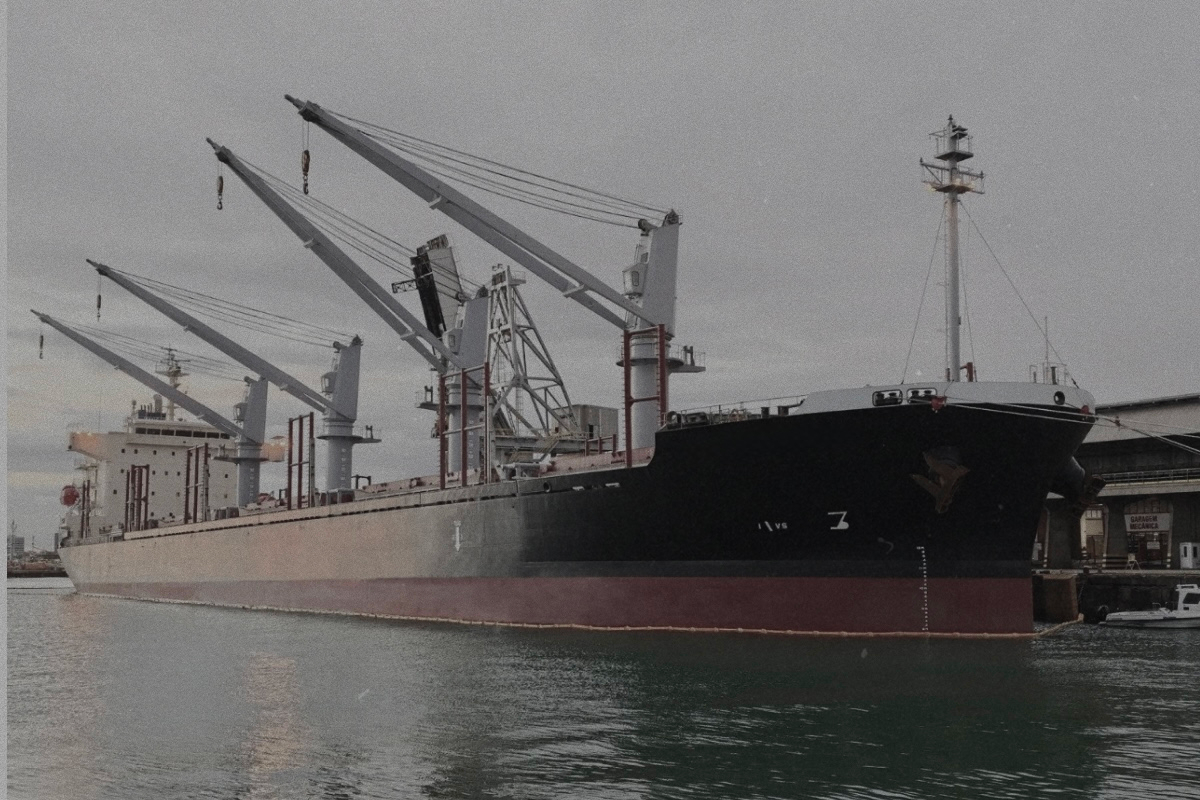
The north-west of Russia is suffering from a collapse in port cargo turnover: “unscheduled repairs” at Leningrad region terminals are redirecting cargo to Murmansk. However, the Northern Sea Route as an alternative exists only on paper — it operates only a few months a year and handles very small volumes.
The south looks more optimistic only in the expectations of local entrepreneurs, but the numbers are not convincing: industrial production has fallen by 10.7% since the start of the year, and housing construction has dropped by 36.3%. The tourist season is under threat: Anapa is facing summer with another oil spill, occupied Crimea is unsafe, and Sochi is more expensive than Turkey.
The only sector functioning steadily across the country is state financing of the war. Regions with defense industries are holding up; the rest are steadily sliding downward, and for most entrepreneurs the planning horizon has shrunk to one goal: survive longer than the neighbor.