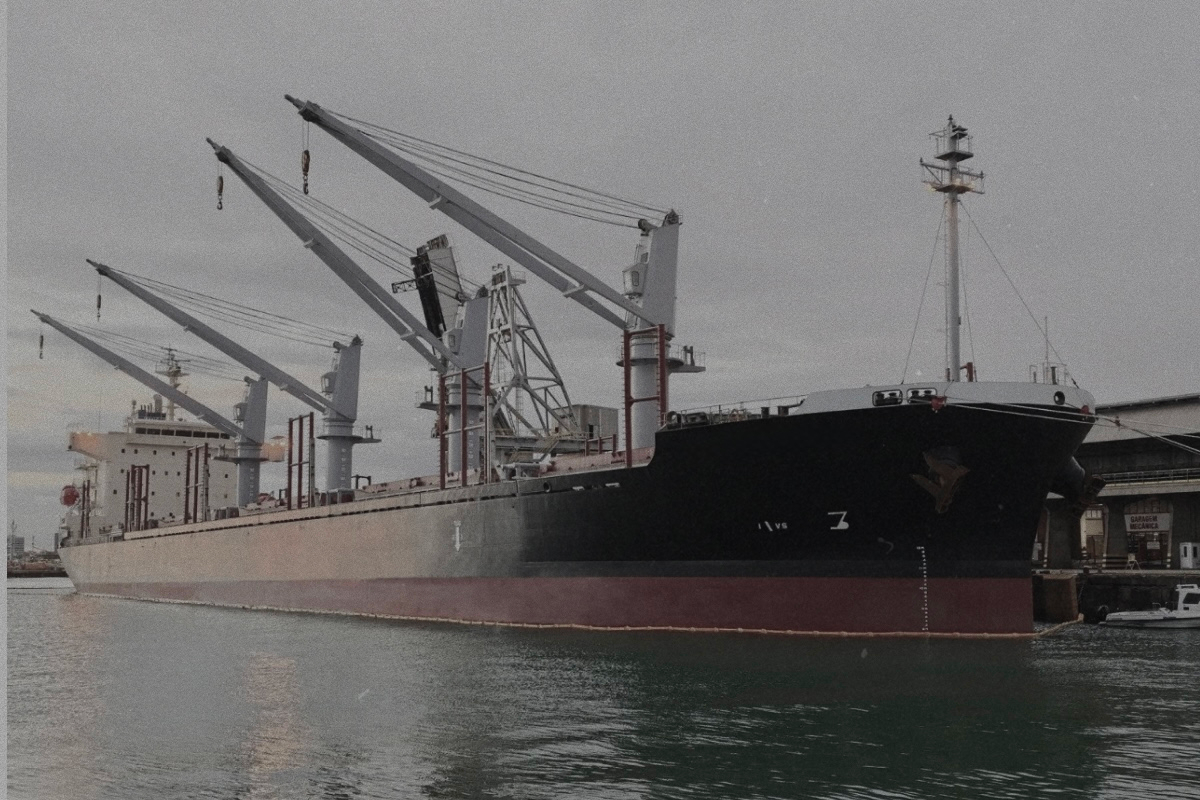


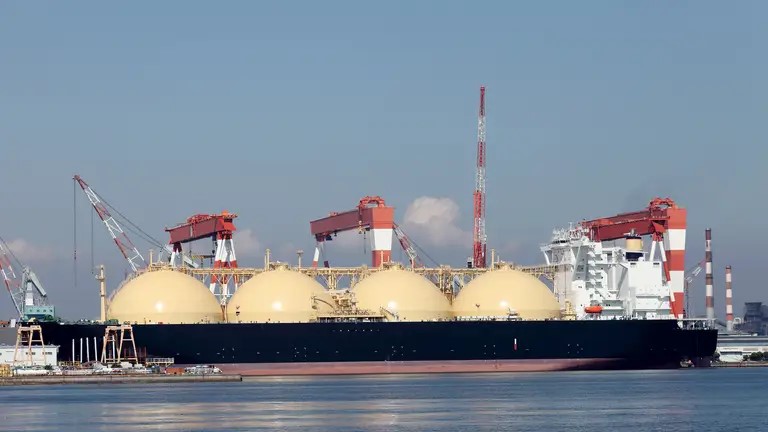

Russia’s Central Bank has sent a letter to major insurance companies recommending that risks related to liquefied natural gas (LNG) supplies to China be reinsured through Chinese insurance structures. The goal is to shift part of the financial risks onto the Chinese market, as Moscow can no longer bear the burden of its own energy exports alone and is asking Beijing to share it.
After 2022, Russian insurers were effectively cut off from the Western insurance market. Domestic capacities are insufficient due to the scale of the sums involved and the complexity of logistics. As a result, the Kremlin turned to the only major option left — Chinese companies.
By joining this scheme, China gains a powerful lever of influence: whoever controls the terms of insurance also controls logistics and the very possibility of deliveries. It is not formal ownership of assets, but in practice the effect is similar.
According to data from China’s General Administration of Customs, imports of Russian LNG to China increased by 18.3% in 2025. In the first quarter of 2026, Russia supplied 1.4 million tons to China — 6.72% more than a year earlier. China has become the main and, in essence, the only viable destination for Russian liquefied gas.
The problem for Moscow is that Chinese reinsurers are not operating as charities: they will incorporate sanctions, logistical, and political risks into premium costs. Bureaucratic approval procedures, stricter disclosure requirements, and dependence on Beijing’s regulatory mood are all becoming permanent expenses that will only increase over time.
Most importantly, Beijing is under no obligation to keep the terms unchanged. If sanctions pressure intensifies or market conditions shift, China can easily revise tariffs, narrow coverage, or impose new conditions — in exchange for lower gas prices or concessions in other projects. Russia will have little leverage to respond.
For years, Moscow portrayed its “pivot to the East” as a strategic choice. In reality, it is a gradual capitulation becoming normalized practice. Now, even insurance policies for Russia’s own gas are effectively being written by someone else.