

Ukraine’s Ambassador to the United Kingdom and former Commander-in-Chief of the Armed Forces of Ukraine (2021–2024), Valerii Zaluzhnyi, has warned of the risk of Russian aggression against other countries unless the international community stops the flow of components that enable Russia to expand weapons production.
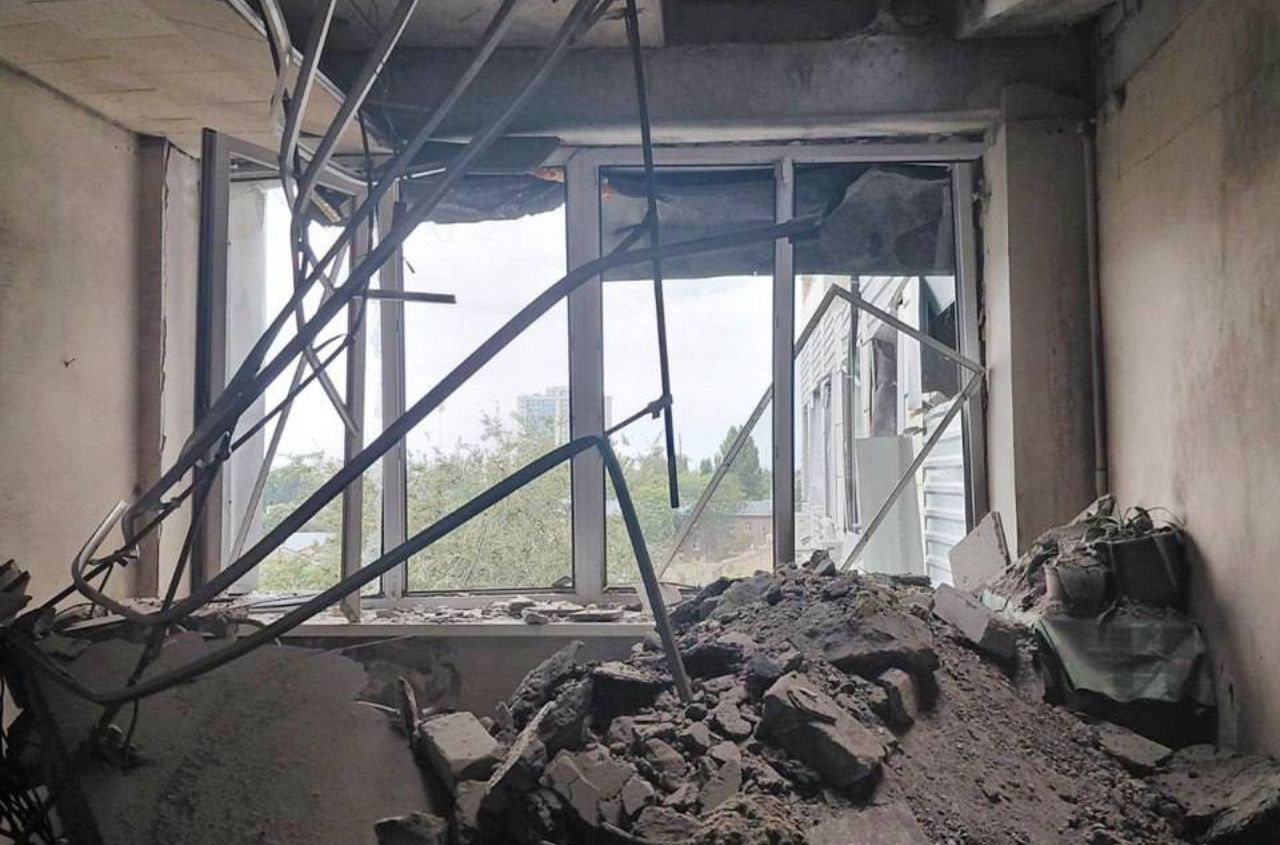
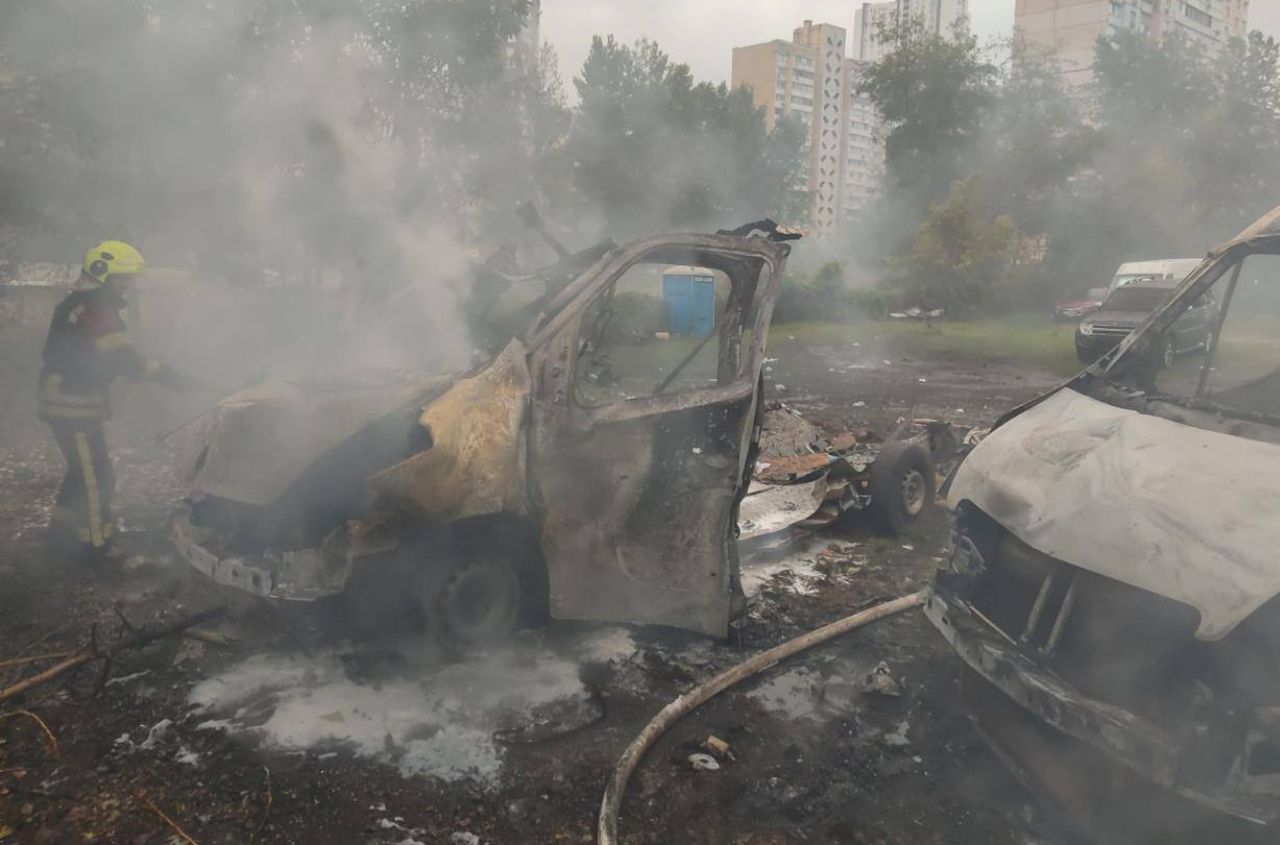
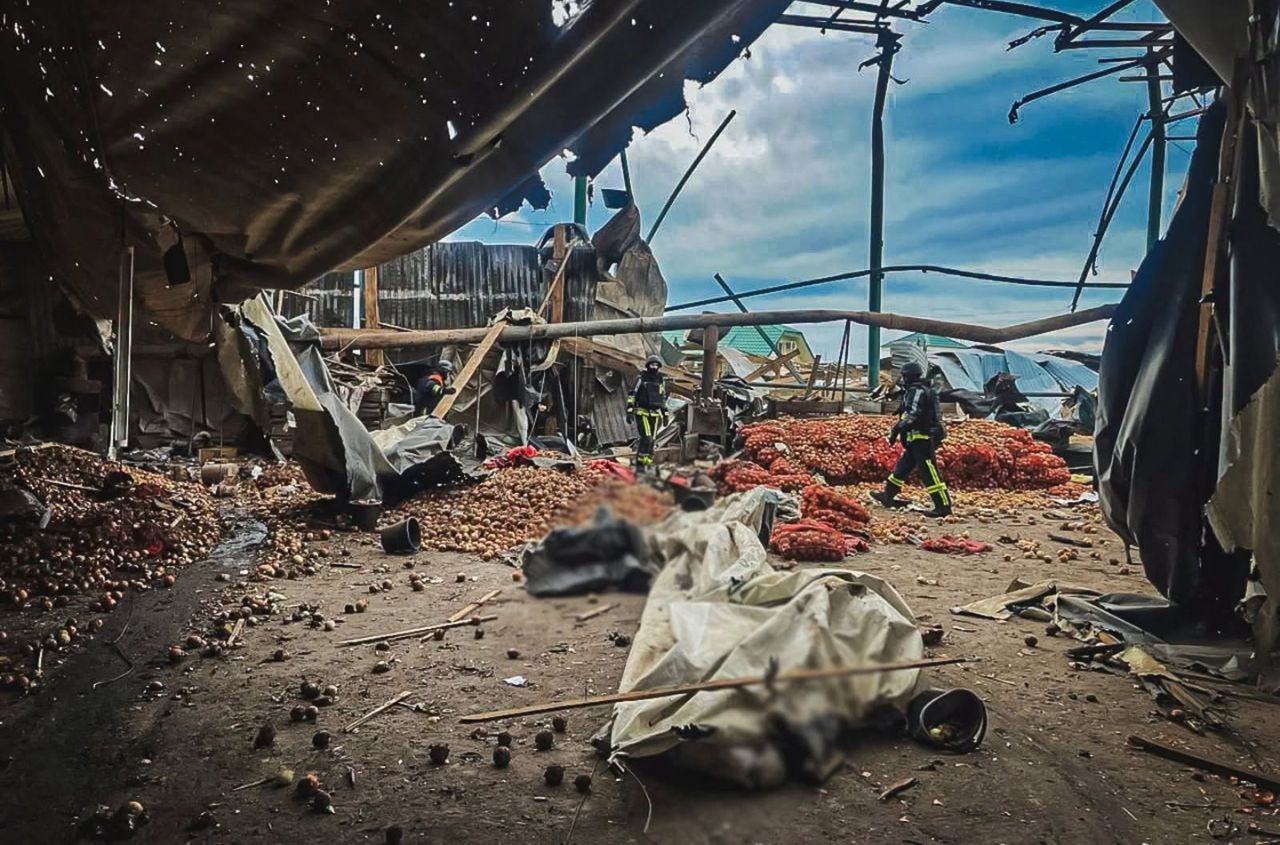
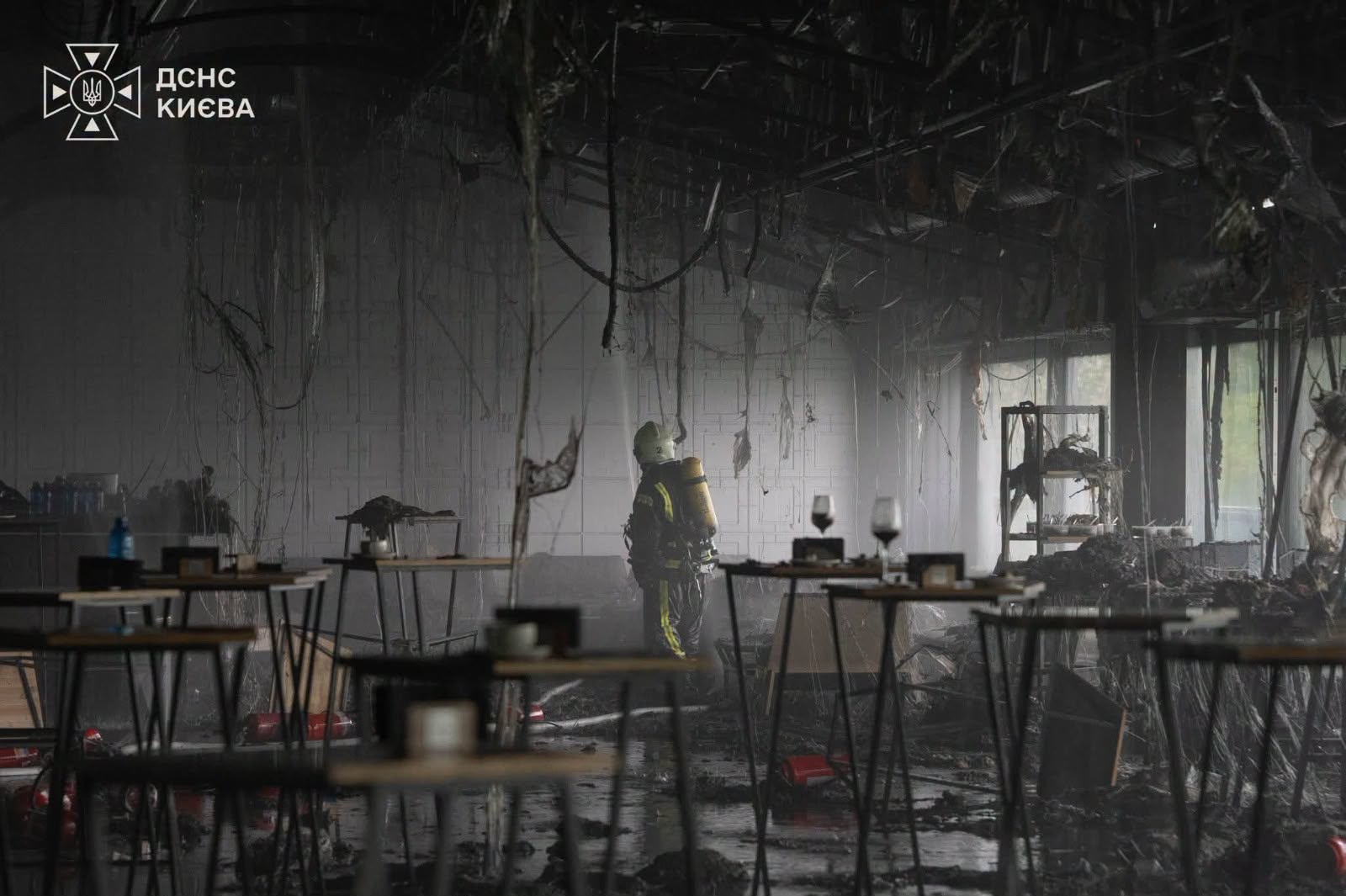
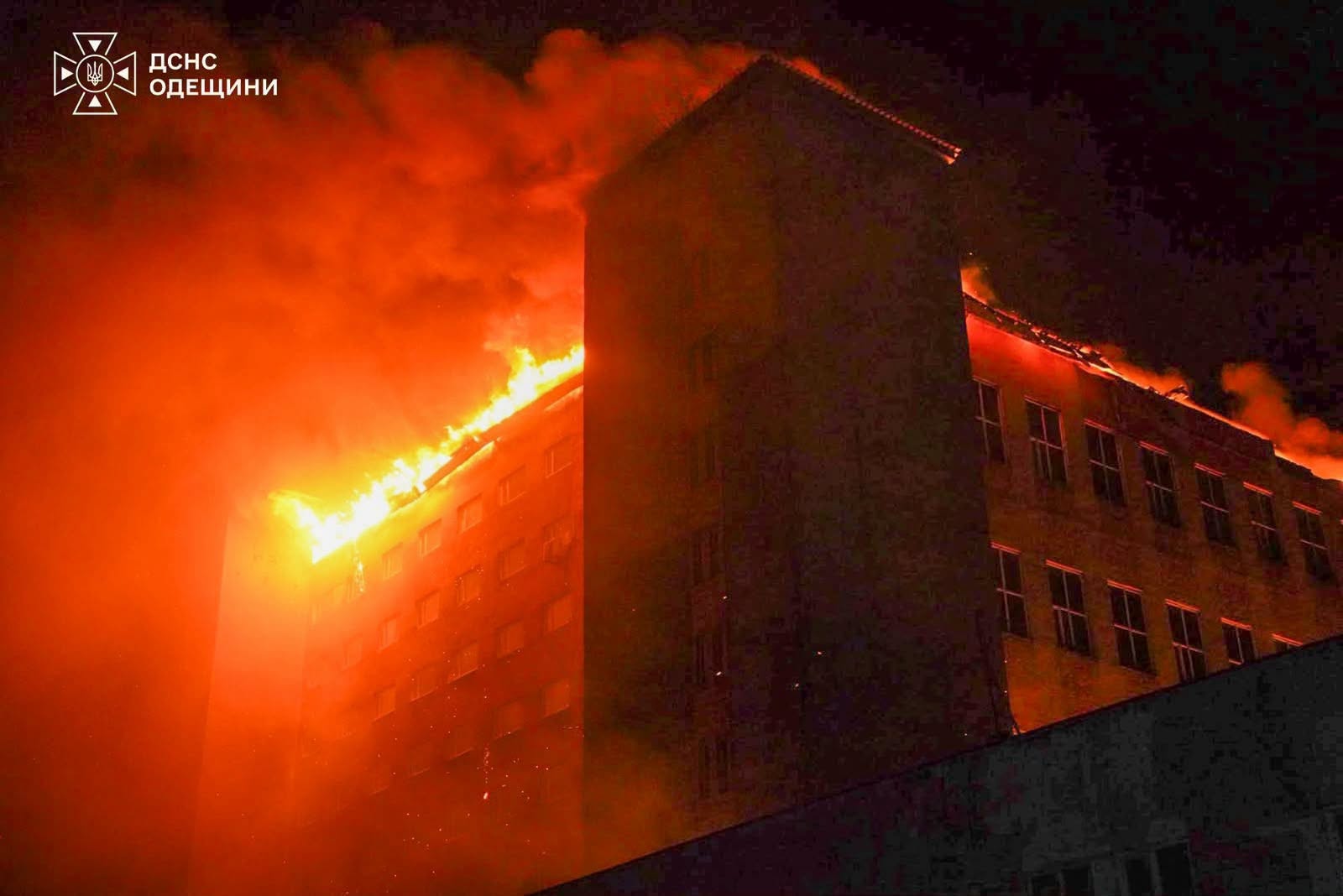
“Russia has effectively moved to round-the-clock attacks on Kyiv, Kharkiv, Dnipro, Odessa and other major Ukrainian cities. They are using everything they can. Old and new Shaheds are effectively flying straight from the production line to Ukraine, while ballistic missiles are being stockpiled for nights like the one we had today. Attacks on maternity hospitals, farms, shopping and office centres, and educational institutions are outright terrorism. And this would be impossible if Russia did not have sufficient resources,” Zaluzhnyi wrote on Facebook on Thursday.
“For years, Russia has continued to receive imported components that allow it not only to continue but also to expand weapons production. The world must finally stop this. Otherwise, tomorrow these weapons may be flying not only at Ukraine,” the diplomat stressed.
Earlier in September, Ukrainian Foreign Minister Andrii Sybiha called for a systematic effort to close sanctions loopholes after another massive Russian attack involving weapons that were again found to contain foreign-made components and technologies.
“There is something fundamentally wrong when technologies developed in countries that stand for peace and security ultimately end up inside Russian missiles launched at Ukrainian homes,” Sybiha said.
Sybiha stressed that the supply of such components to Russia should not be regarded as a side effect of global trade. According to him, Russia deliberately searches for loopholes in sanctions, establishes procurement networks, uses intermediaries and third countries, and obtains critical components needed to keep its military machine operating.
He called for significantly tighter export controls, stronger enforcement and tangible consequences for those helping Russia circumvent restrictions. Critical technologies, he said, must be kept out of Russia’s reach at every stage of the supply chain.