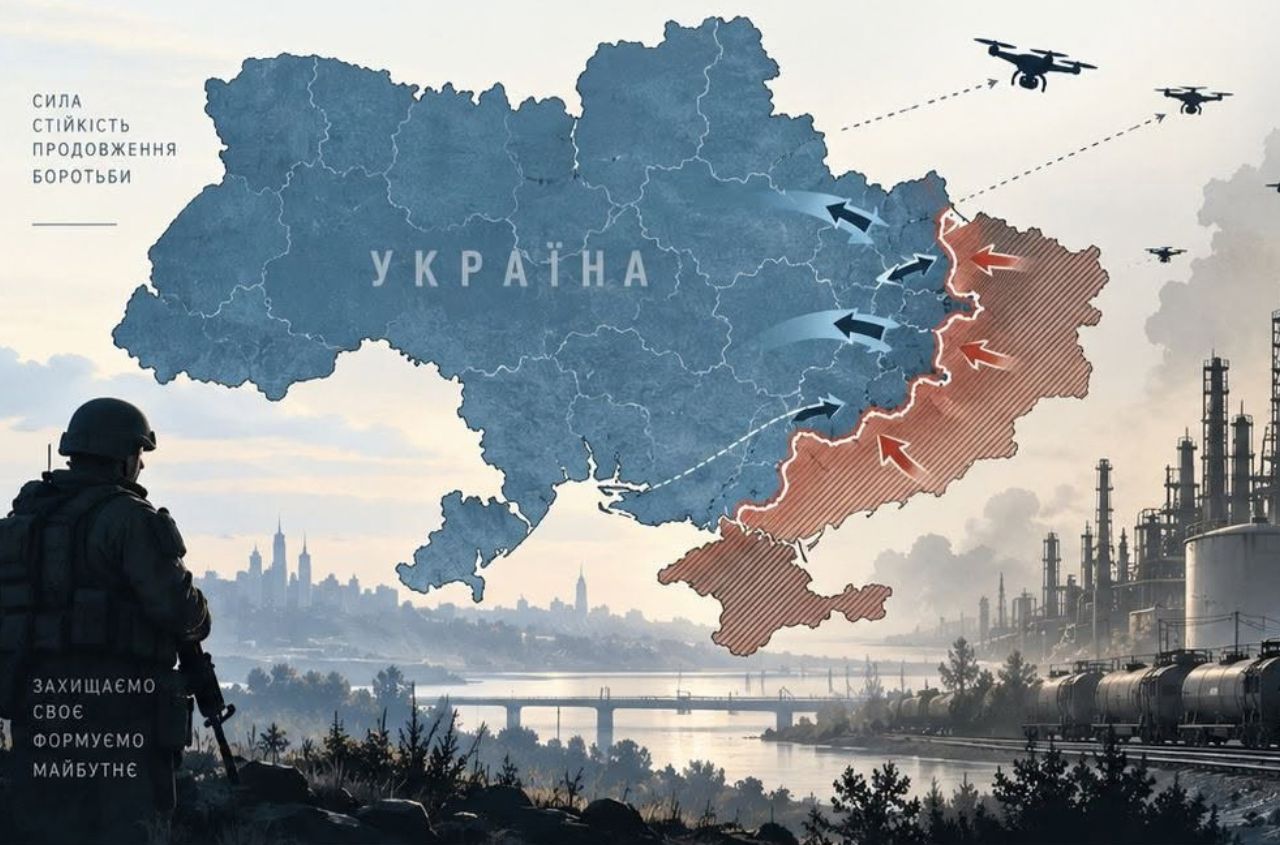



As of 21 September, following the strike on the Moscow Oil Refinery, Ukrainian forces have disabled more than 45% of Russia’s designed oil refining capacity, according to the General Staff of the Armed Forces of Ukraine.
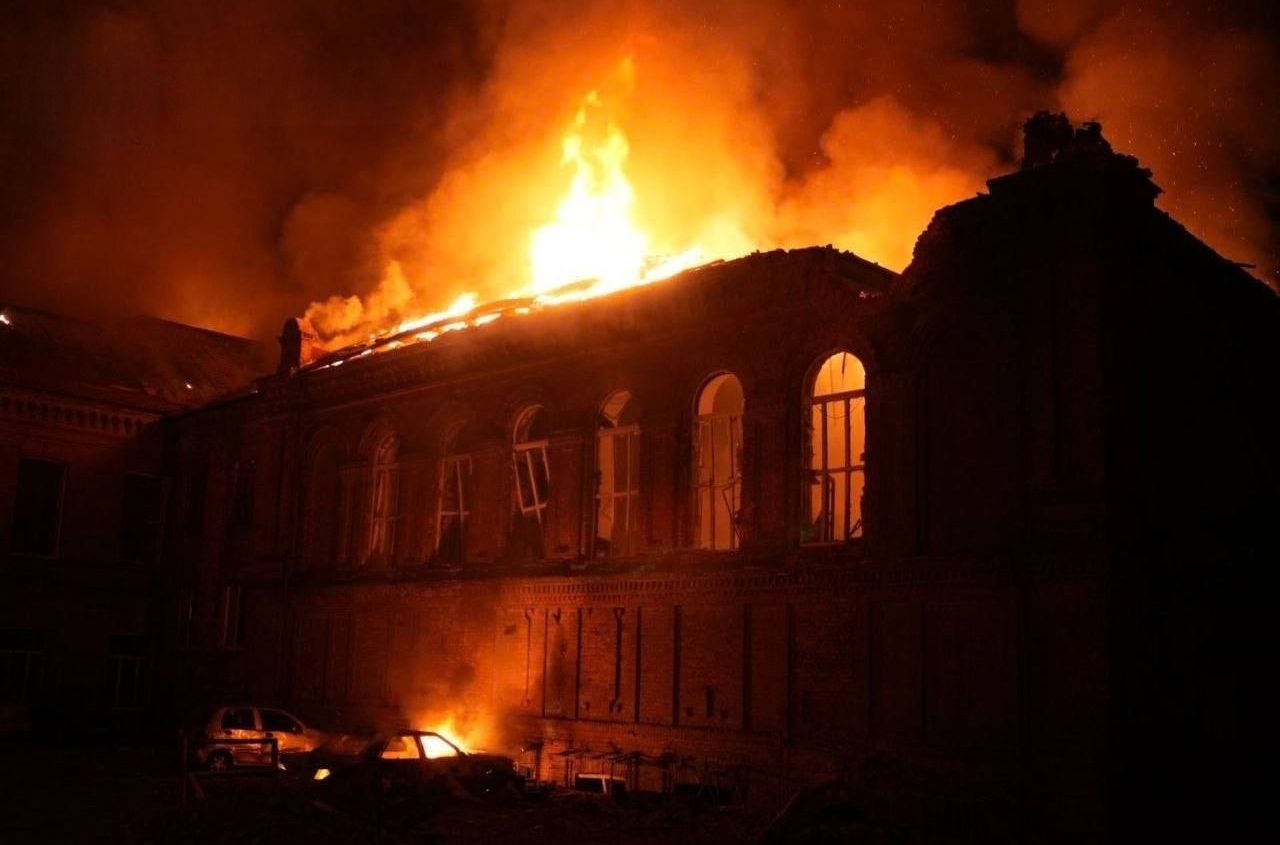
Between 14 and 20 September, units of the Ukrainian Defence Forces struck a number of important facilities in Russia and in temporarily occupied territories. The targets primarily included facilities supporting Russia’s military and economic capabilities, the General Staff said.
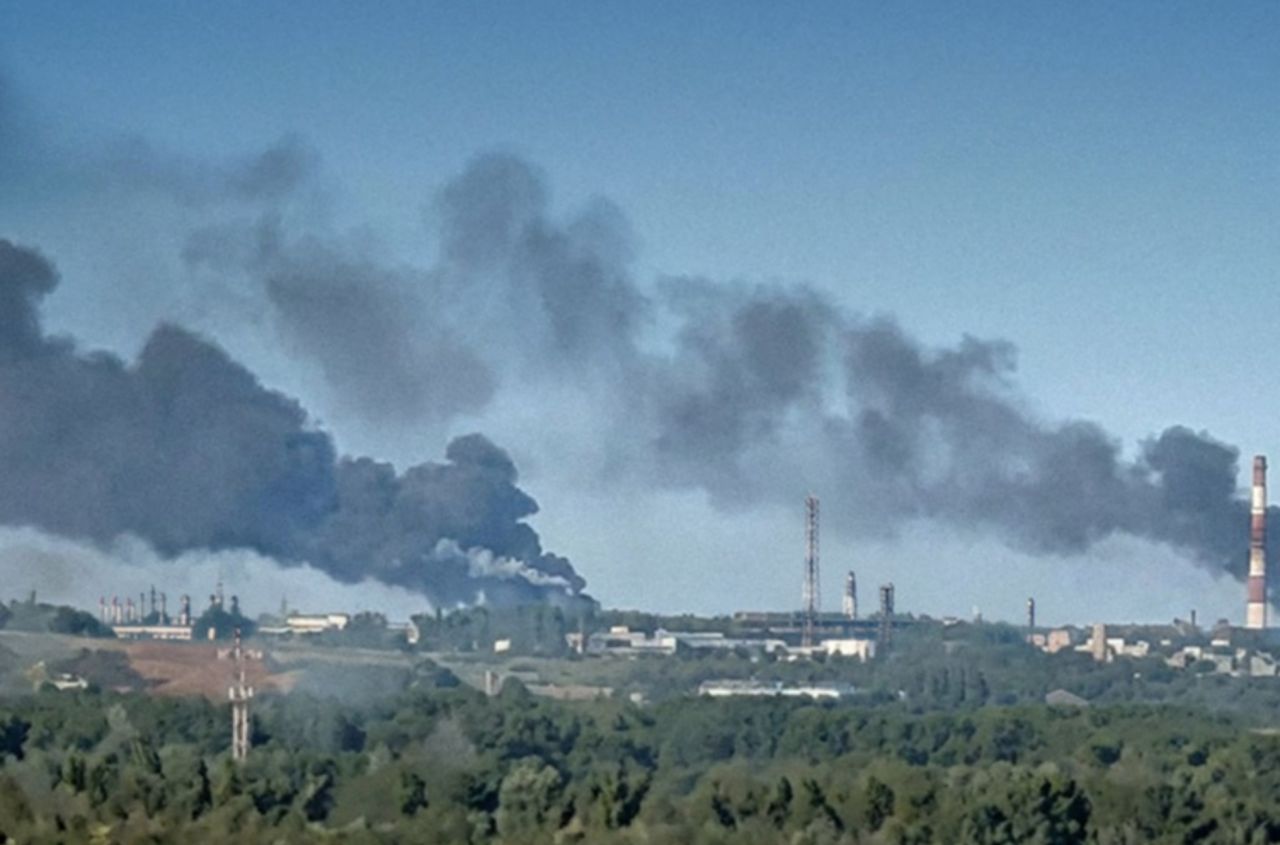
On the night of 15 September, the Syzran Oil Refinery in Russia’s Samara region was struck, with hits reported on the AVT-6 primary oil refining unit and the refinery’s storage tank facilities.
On the night of 17 September, Ukrainian forces struck the Slavneft-YANOS refinery in Yaroslavl. The facility has an annual processing capacity of around 15 million tonnes of crude oil. The AVT-3 primary refining unit was hit.
On 20 September, the Gazpromneft Moscow Oil Refinery in Moscow was attacked. The AVT-6 unit, an integrated oil processing unit and an isomerisation unit were struck.
“Thus, as of 21 September 2026, following the strike on the Moscow Oil Refinery, more than 45% of Russia’s designed oil refining capacity has been disabled,” the General Staff said.
“One of the consequences is a shortage of high-quality fuel in Russia. In particular, there has been a sharp decline in the production of Euro-5/K5 standard petrol and diesel fuel,” it added.
The General Staff stressed that strikes on such Russian facilities constitute Ukraine’s exercise of its inherent right to self-defence under Article 51 of the UN Charter and are aimed at reducing Russia’s military and economic capabilities.