


By Viktor Yahun
Based on foreign press reports as of 21 September, Ukrainians should abandon two equally dangerous illusions.
The first is that Russia is “about to collapse.”
The second is that it can continue this war indefinitely without serious consequences.
The truth lies somewhere in between. And it is becoming increasingly uncomfortable for the Kremlin.
On the battlefield, Russia is still capable of advancing, concentrating forces, redeploying reserves and searching for weak points. But its offensive plans increasingly have to be adjusted under pressure from the Ukrainian military.
Operation Vivaldi in the Lyman sector is one such example. Ukrainian forces disrupted Russia’s plan to advance through Lyman and Sviatohirsk, with the prospect of outflanking the Sloviansk-Kramatorsk “fortress belt” from the north.
This is not a “collapse of the Russian front.” But it is the disruption of a specific operational plan.
And in war, it is precisely such setbacks that gradually accumulate into a strategic cost.
Russian losses remain extremely high. According to Estonian military intelligence, for the third consecutive week Russia has suffered more than 10,000 killed and wounded per week. By its assessment, the rate of losses has already exceeded the rate of replacement.
This is not yet a collapse. But it is already the arithmetic of attrition.
The second process is even more important: the war is reaching ever deeper into Russian territory.
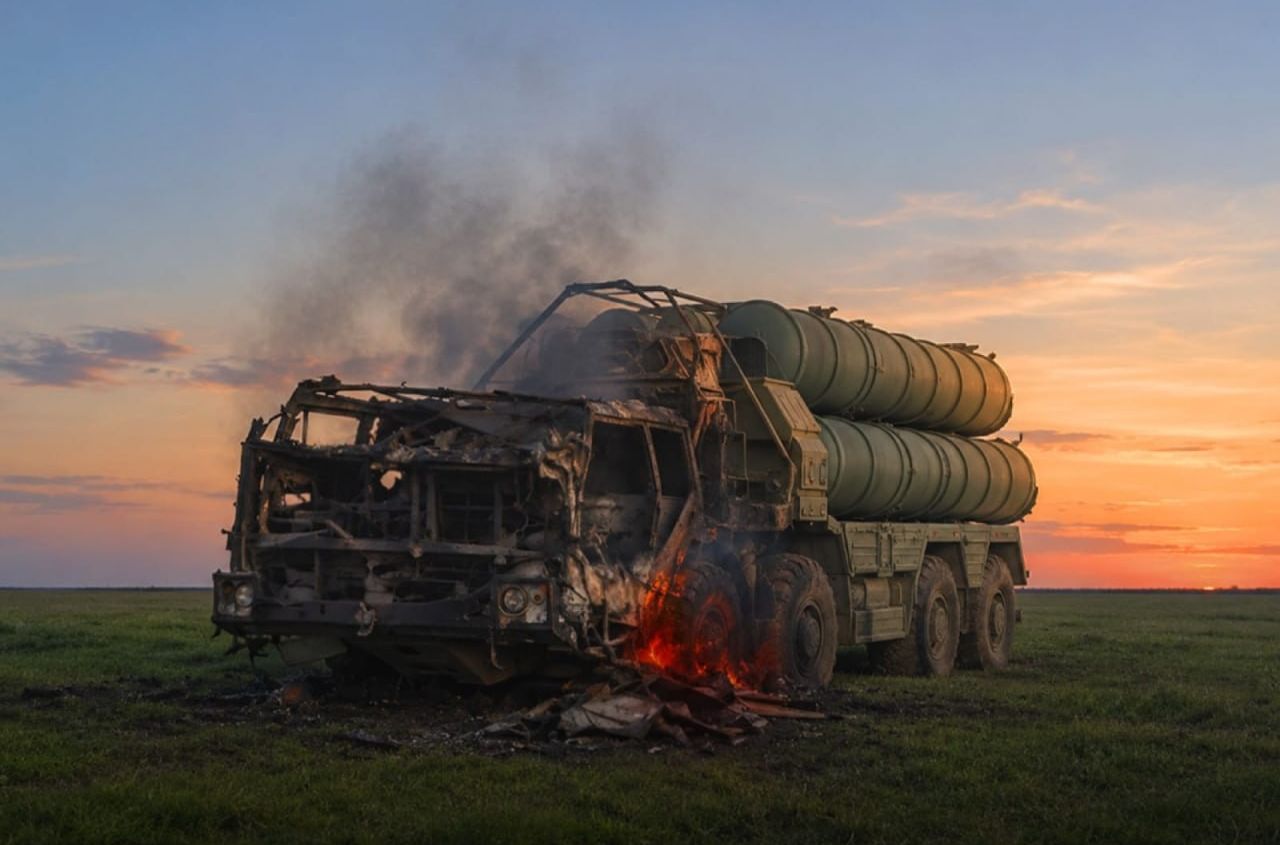
Airfields. Warehouses. UAV command posts. Air defence systems. Oil refineries.
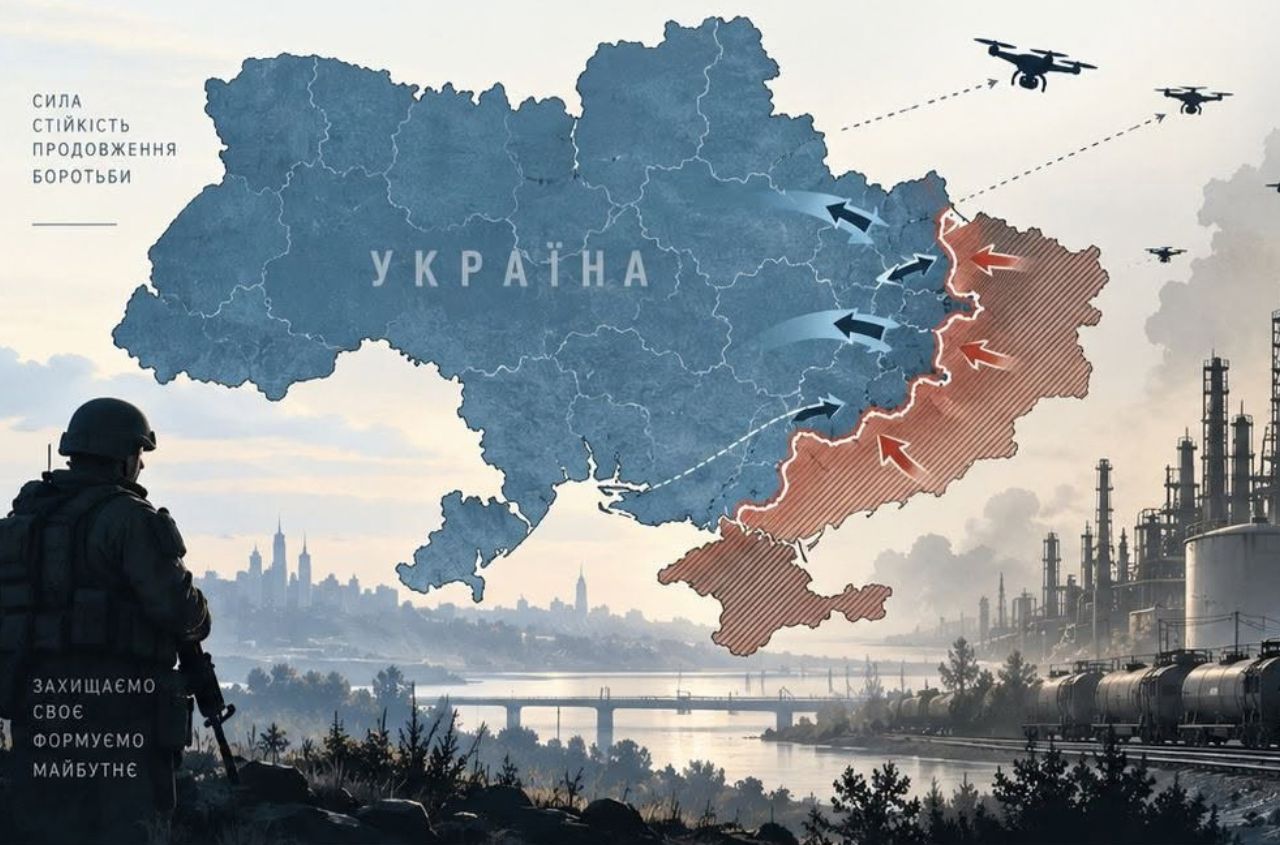
Ukraine’s long-range strikes have long ceased to be merely political signals. They are becoming a systematic campaign against Russia’s military and economic rear.
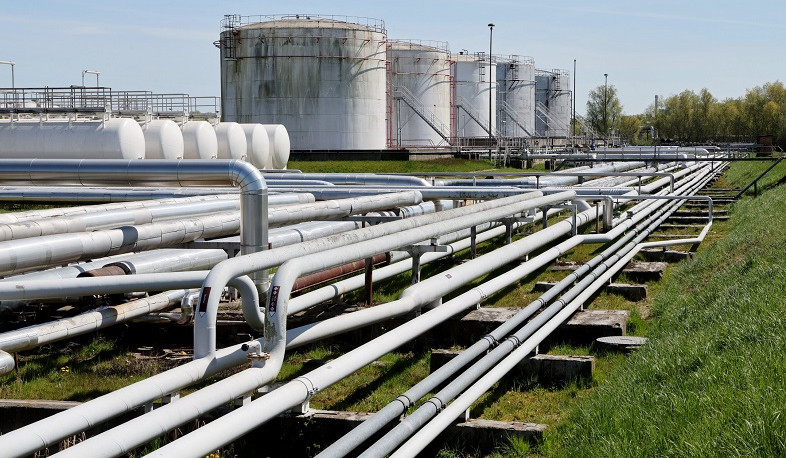
Strikes on the Moscow, Syzran, Saratov and other refineries are no longer simply dramatic images of fires.
They affect fuel for the military, logistics, export revenues, tax receipts and equipment that is becoming increasingly difficult to repair and replace because of sanctions.
That is why oil refining has become one of Moscow’s most vulnerable areas.
And here another paradox of this war has emerged.
Ukrainian strikes have begun to affect not only the Russian market but also global fuel prices. As a result, calls are already being heard in Washington to limit strikes on Russian diesel production facilities.
This is a revealing development.
As soon as Ukraine finds a point where Russia genuinely feels the pressure, concerns about “risks to the global market” begin to emerge.
Ukraine, meanwhile, has taken a logical position: an end to strikes on energy infrastructure is possible only on a reciprocal basis. If Russia stops attacking Ukraine’s energy system, then mutual restrictions can be discussed.
Another important development is US sanctions.
On 18 September, Donald Trump signed new legislation tightening pressure on Russia’s energy and defence sectors and its “shadow fleet,” while opening the possibility of tariffs of up to 100% on major buyers of Russian energy resources.
On paper, this is a powerful instrument. But sanctions do not work simply because they are ceremonially signed. They work when they are enforced.
And the central question is now straightforward: are the United States prepared to exert real pressure on China, India and other countries through which Russia continues to earn billions from oil?
This is where the difference between a political declaration and an actual strategy will become clear.
There is another revealing detail about today’s Russia.
While Western capitals periodically discuss the possibility of businesses returning to Russia after a “peace settlement,” the Kremlin is placing the assets of Nestlé and Auchan under external administration.
In other words, Russia itself is effectively demonstrating to foreign businesses that property rights exist only for as long as the state finds them convenient.
But it would be dangerous to underestimate Russia. It is adapting.
Russia is increasing its use of jet-powered strike drones capable of speeds of around 500 km/h. It is looking for ways to penetrate Ukrainian air defences. And it continues to strike energy facilities, transport networks, industry and civilian infrastructure.
Saying that “Russia has already lost” is therefore just as mistaken as claiming that its resources are unlimited.
Russia is not collapsing, but it is paying an increasingly high price — in manpower, equipment, fuel, money, logistics, technology and time.
Ukraine is also paying a terrible price. A difficult period lies ahead, and Ukraine’s resilience will depend on air defence, energy security, domestic defence production and continued international support.
The central battle today is therefore no longer only about tree lines, villages or kilometres on a map.
It is a war of attrition between two systems.
And the outcome will not be determined by who declares “success” more loudly.
It will depend on which side can continue replenishing manpower, equipment, ammunition, energy capacity, finances and political will faster than the other side can destroy them.
That is where the real front line of this war lies today.