

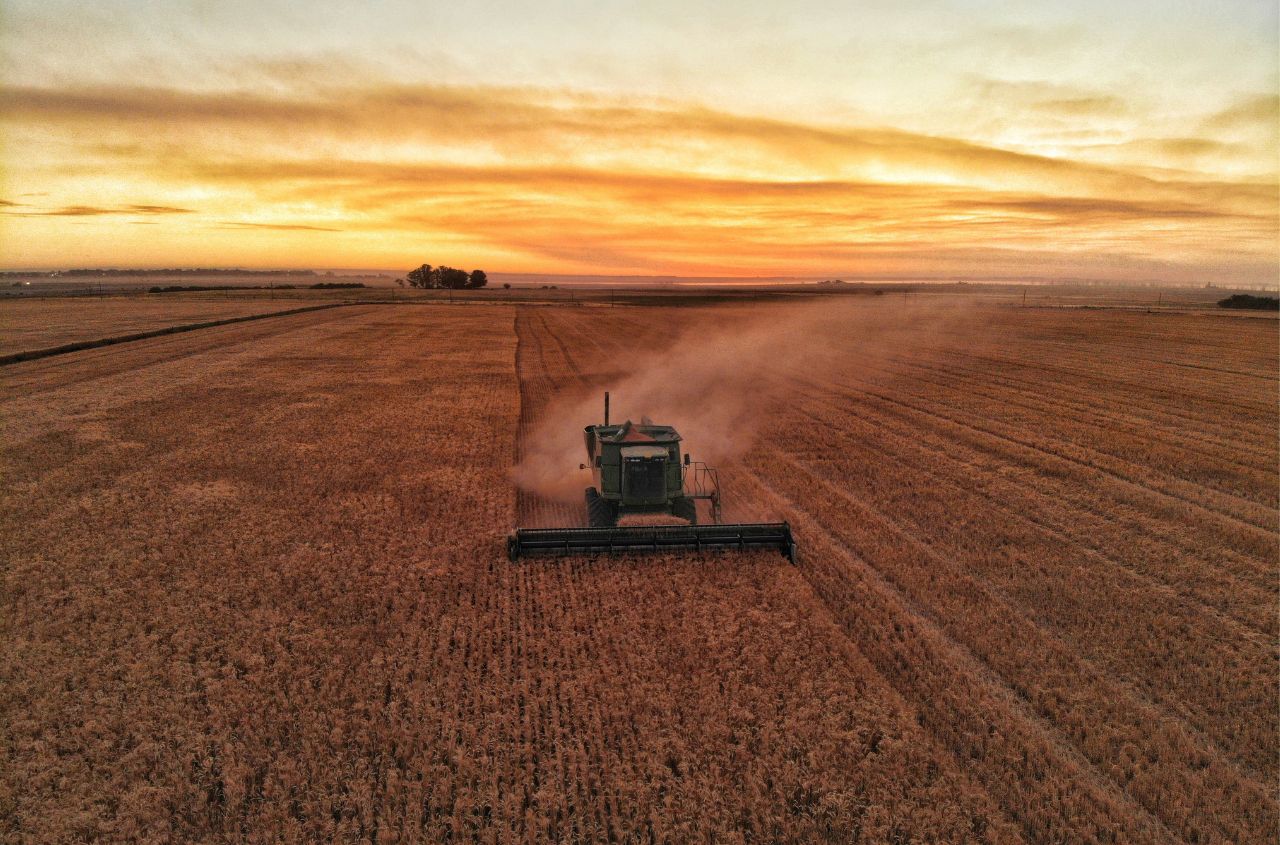
The Kremlin has driven Russia’s agricultural sector into crisis and is now only making the situation worse. Instead of supporting farmers, the Ministry of Agriculture has cut subsidized lending at a time when many farms are already operating on the edge of profitability. While the authorities demand record harvests, farmers are receiving less financial support rather than more.
The problems are not limited to a lack of financing. The fuel shortage on the domestic market has already reached around 20% of demand, with nearly a dozen of the country’s largest oil refineries damaged. While just a few months ago the shortage mainly affected high-octane gasoline, diesel is now also in short supply — a fuel Russia has traditionally produced in excess. The Kremlin has already banned diesel exports until the end of July. Given the situation with the harvest, the ban is almost certain to be extended.
Siberia is feeling the consequences particularly sharply. The Irkutsk region and Altai region were among the first to report fuel shortages. Following the attack on the Omsk oil refinery, some supplies were redirected south, where the harvesting campaign is already underway. Shortages have also been reported in the Rostov region, Krasnodar region, Volga region and Stavropol region. Small farms are suffering the most: they lack the funds to purchase fuel in advance and do not have the infrastructure needed to store it. As a result, they are the first to run out of diesel.
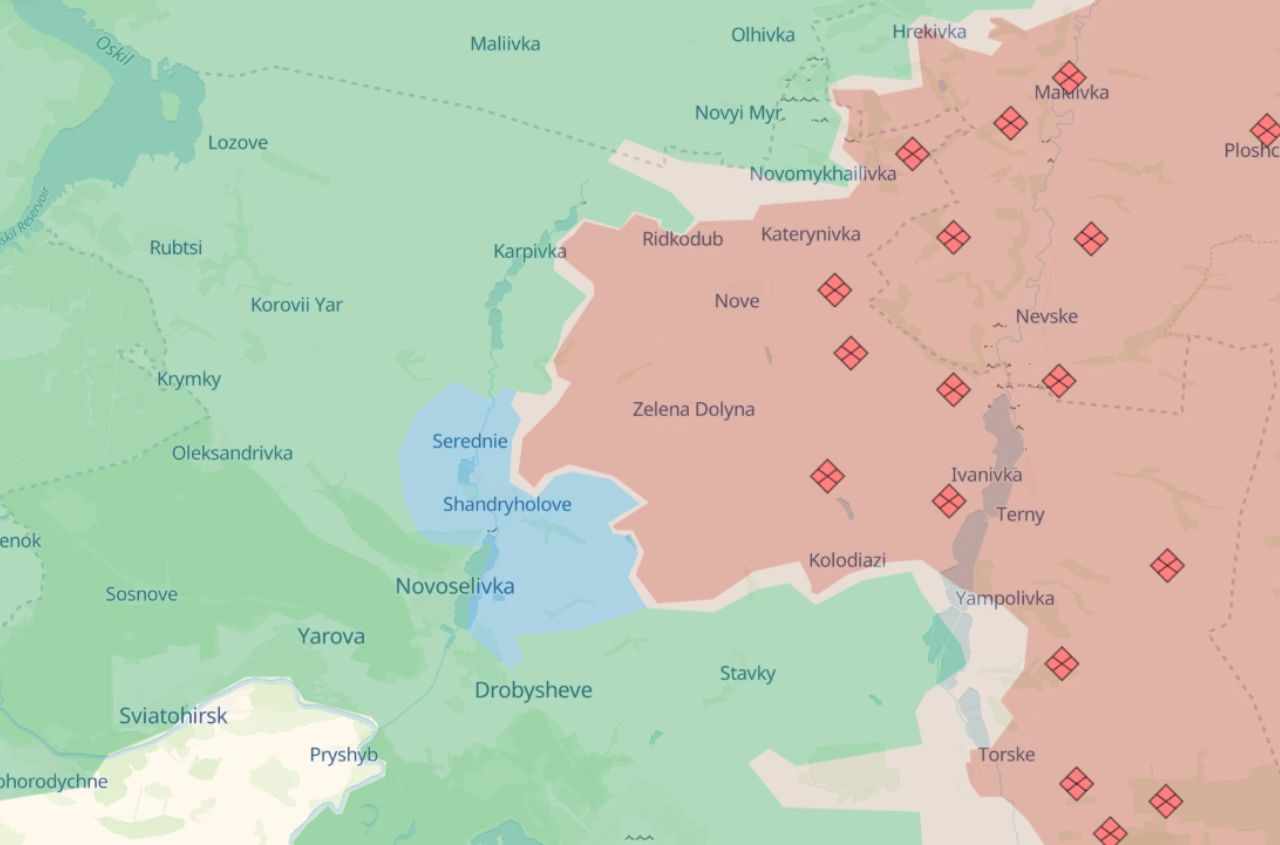
At the same time, Russia is losing its ability to export grain normally. Strikes on logistics infrastructure in the Sea of Azov have severely disrupted a route that accounts for around a quarter of the country’s grain exports. Analysts have already cut the export forecast by 20%. Over the past week, wheat prices have fallen by 2.8% and barley prices by 6.5%, while prices are down 12.6% compared with last year. The Ministry of Transport has proposed shifting cargo to rail, but this cannot quickly replace maritime transport and would only increase costs.
Attempts to secure fuel supplies from abroad have also failed. Belarus and Kazakhstan have no spare volumes available, while India has refused to supply finished petroleum products. India’s three largest state-owned refineries said they had no surplus available for export. As a result, Russia finds itself in a situation where it sells crude oil to India but can no longer obtain even diesel fuel in return.
Ultimately, the war determines how available resources are distributed. The military is already consuming 3–5% more fuel than planned, and its needs are expected to continue growing. In the event of any shortage, the military will receive fuel first. Farmers will be left with whatever remains.