
Russian economists are increasingly speaking publicly about the difficult state of the country’s economy amid the Kremlin’s burdensome fiscal policies and the impact of international sanctions. Russian economist and energy policy expert Kirill Rodionov has outlined the key problems that he says are forcing Russian businesses to focus on survival rather than development.
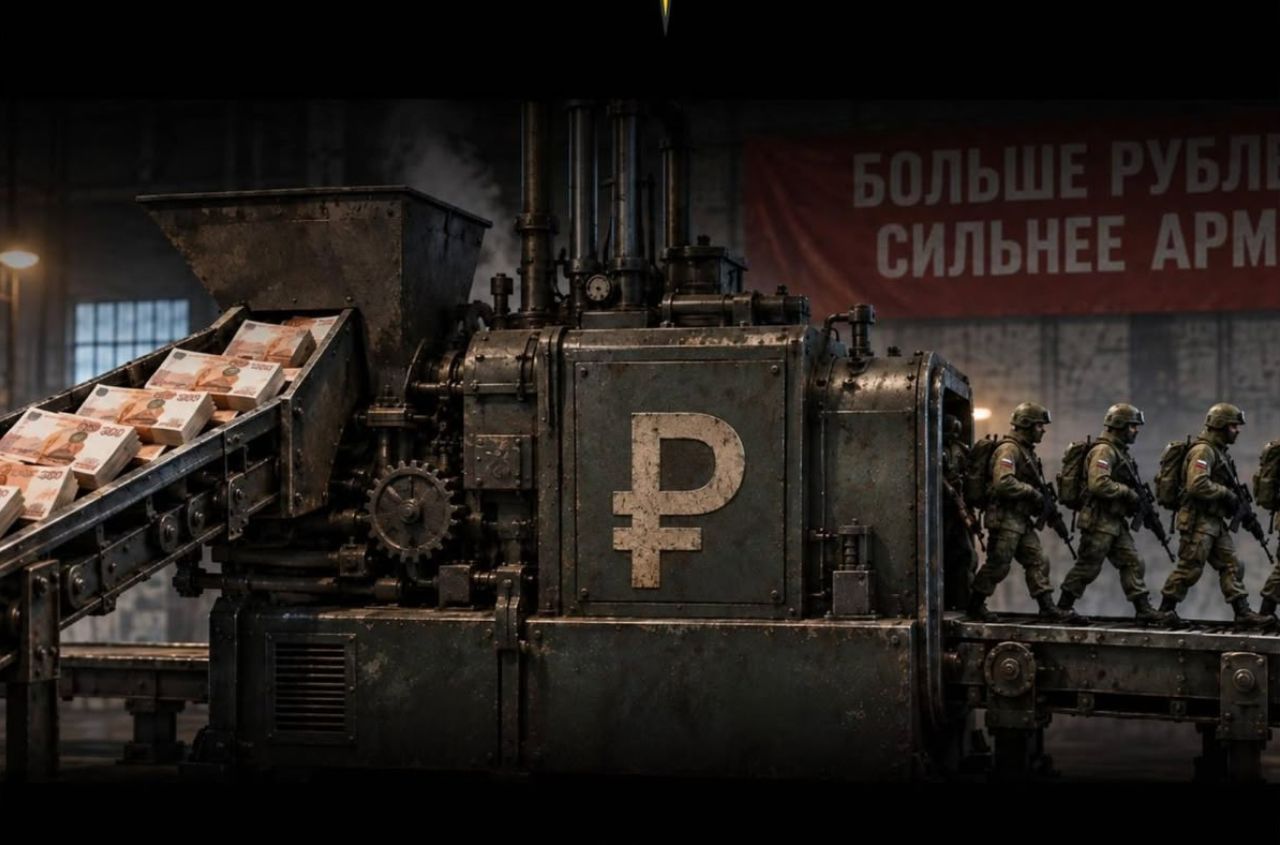
One of the main pressures on the real economy has been aggressive tax increases aimed at covering the budget deficit, which could exceed RUB 6 trillion this year. An increase in the basic corporate profit tax rate to 25% and VAT to 22%, combined with a lower revenue threshold for small businesses, has contributed to a sharp decline in business activity. According to Rosstat, fixed capital investment in Russia fell by almost 10% in the first half of 2026.
The financial performance of large and medium-sized companies is also deteriorating rapidly. Their combined net profit fell by 13.3%, while the share of profitable companies declined to 66.5%. Key sectors have experienced some of the steepest declines, including manufacturing, construction, agriculture, food services and transport, where profits fell by between 27% and almost 40%.
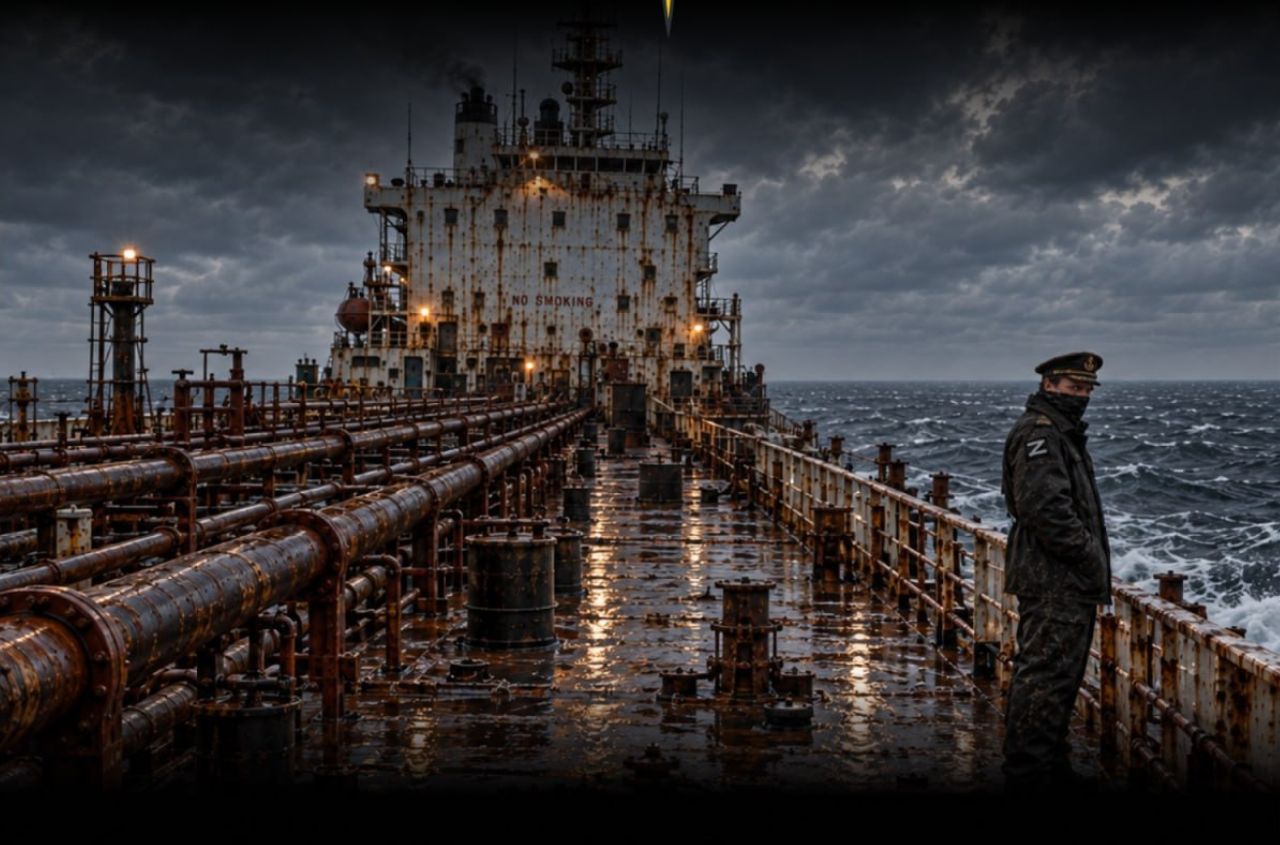
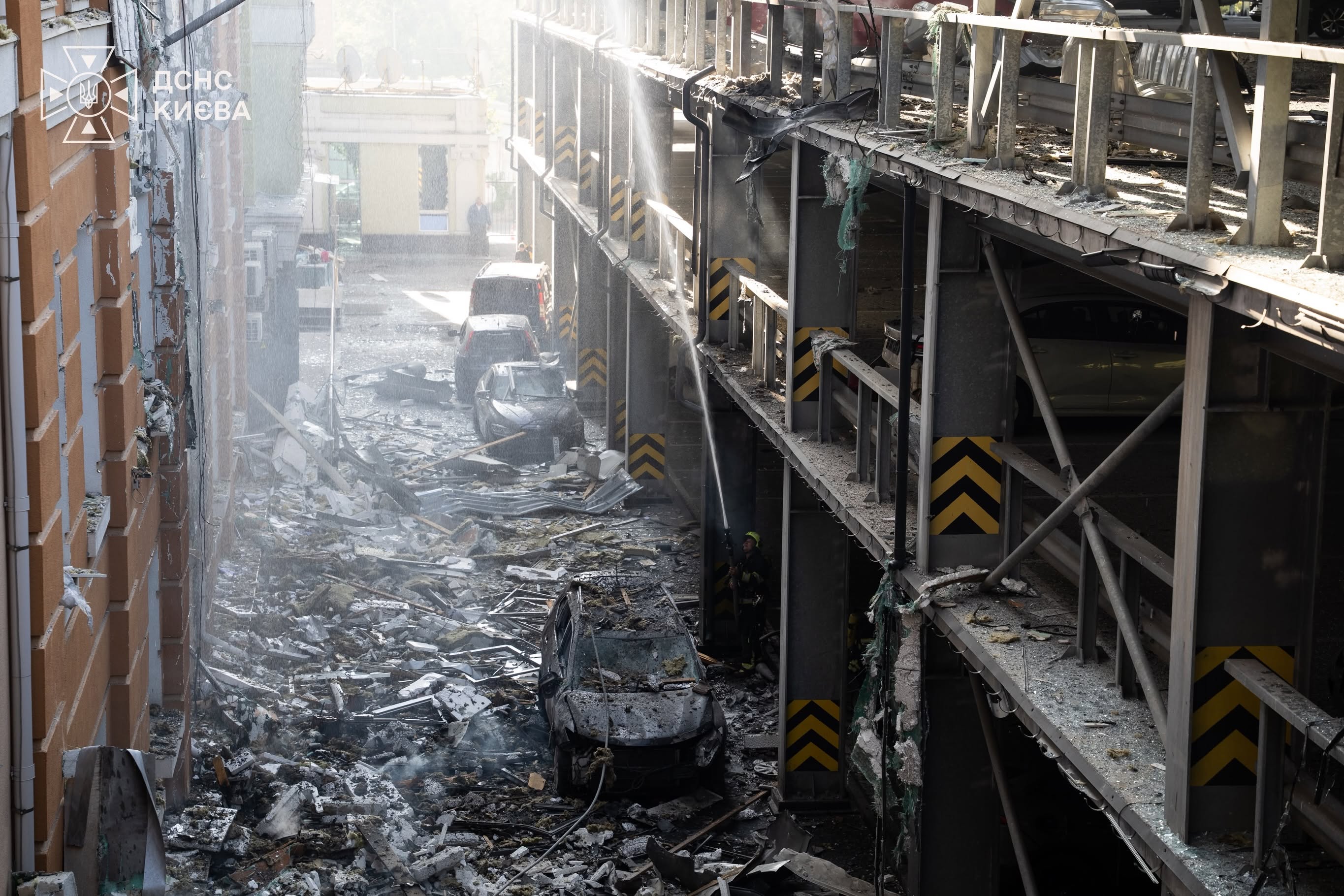
The situation has been further complicated by damage to Russia’s critical and oil-refining infrastructure. This has affected exports of grain and petroleum products and contributed to an acute domestic fuel crisis. Russia’s central bank has already acknowledged that rising motor fuel prices have become a significant driver of persistent inflation.
Other factors weighing on the Russian economy include large-scale nationalisation, which Rodionov argues is undermining property rights, as well as Western sanctions and rising electricity prices.
The economist said that these problems cannot yet be compared with the collapse of socialism and the crisis in public finances in the autumn of 1991. However, he warned that they are pushing Russia towards becoming a country where the primary objective for businesses is survival rather than development.