


Russia is facing a large-scale labour exodus: around 100,000 migrant workers from Uzbekistan alone have reportedly left the country over the past ten days. This is linked not only to falling real incomes due to the weakening rouble, but also to tighter migration laws, security concerns and broader instability in Russia.
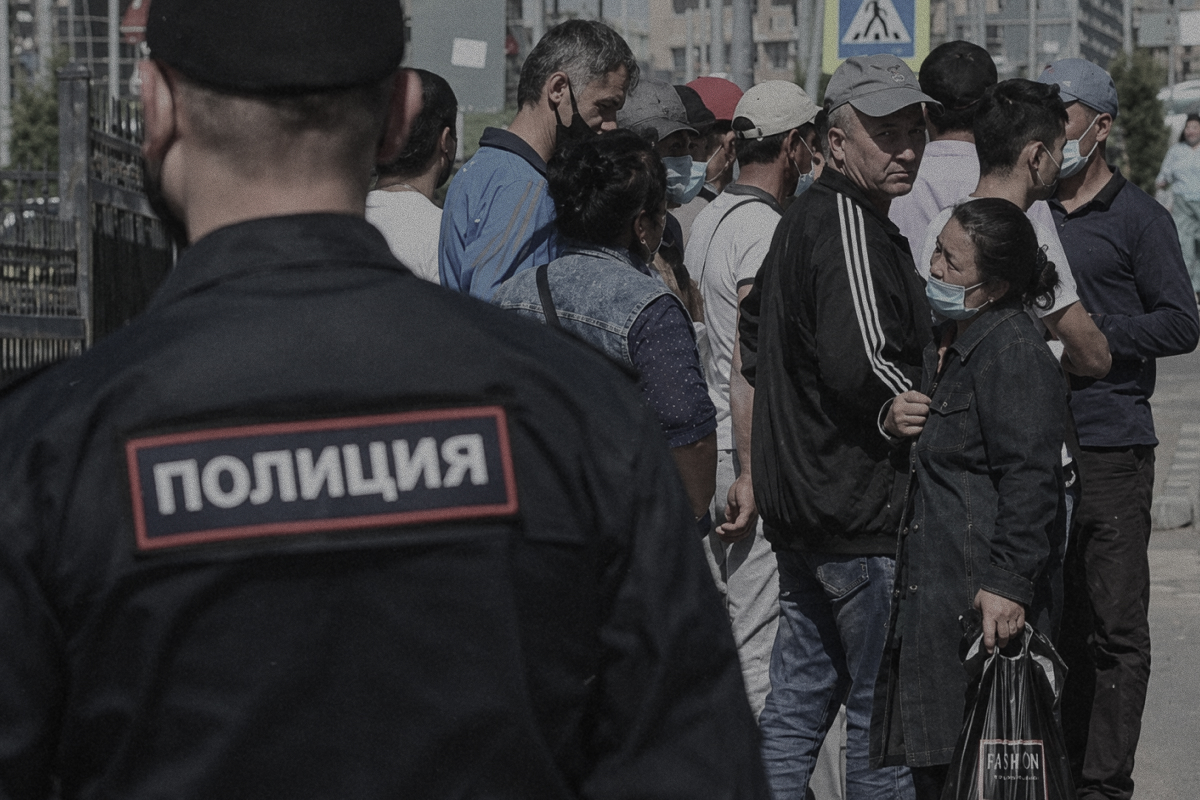
Despite its own labour shortage, Moscow is moving to introduce even stricter rules for migrant workers. Employers will soon be required to provide migrants with accommodation and transportation to and from their workplaces and, once their contracts expire, organise their return to their home countries. The proposed system would place foreigners under extensive control throughout their stay in Russia, effectively operating on a “home–work–home” principle.
Moscow also plans to tighten control over migrants through digital technologies. From 2027, an analytical centre for combating illegal migration is expected to begin operating, integrating data from the border service, migration authorities, employers, government agencies and facial-recognition cameras. Artificial intelligence systems are also expected to be widely used to identify undocumented migrants.
At the same time, Russian authorities are increasing the financial burden on foreigners. Working migrants are expected to be required to pay a tax for every non-working family member living with them in Russia — effectively forcing people who come to Russia to earn money to pay the Russian state additional charges for their dependants.
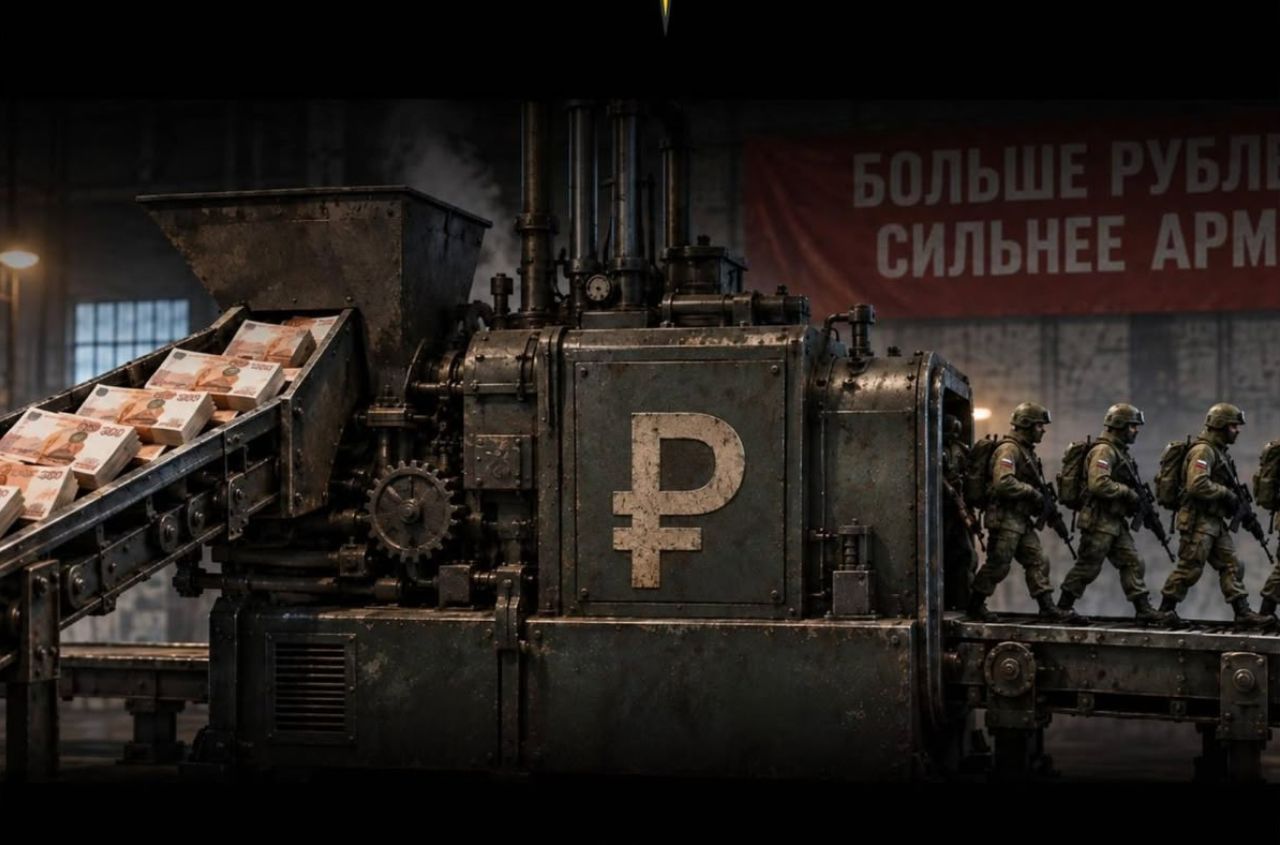
Another serious risk for foreign workers is recruitment into the Russian military. Amid manpower shortages for the war against Ukraine, Russian security agencies have exploited migrants’ vulnerable position by offering them money, citizenship or assistance in resolving artificially created problems with their documents.
Increased surveillance, financial requirements, migration restrictions and the risk of coercive or deceptive military recruitment are making Russia increasingly dangerous for foreign workers. Against this backdrop, workers from Uzbekistan and other countries are already looking for alternatives to the Russian labour market. Among the destinations attracting greater interest are China, South Korea, Serbia, countries in the Middle East and Eastern Europe.
For migrant workers, this is a sign that Russia is no longer a safe or predictable place to earn a living: the risk of losing money, facing stringent controls or even being drawn into the war may increasingly outweigh the potential earnings.