
The Kremlin chose a symbolic date — the anniversary of the occupation of Crimea — to revive one of its favorite hybrid warfare tools, this time in a legislative form.
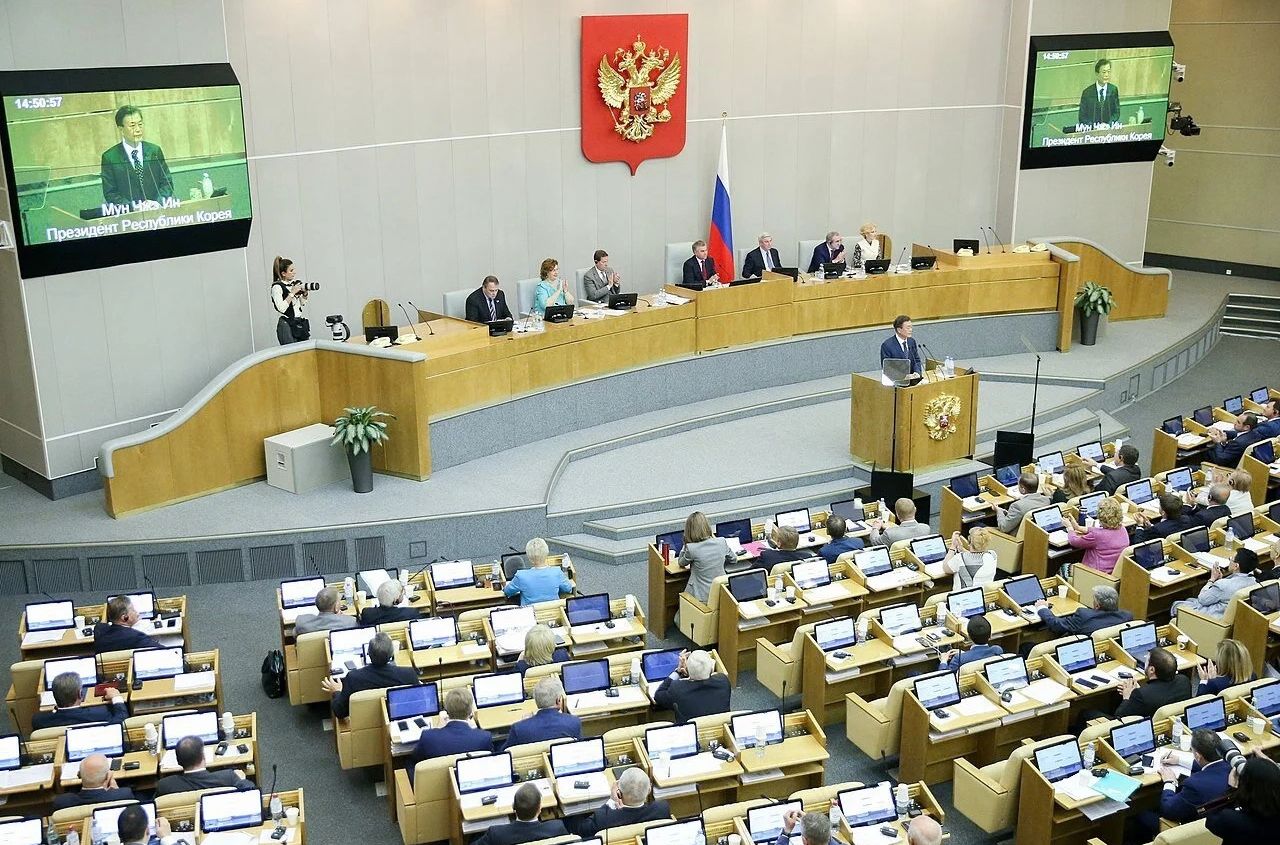
The Russian government has submitted amendments to the laws “On Citizenship” and “On Defense” to the State Duma, granting Vladimir Putin the authority to deploy the army to “protect” Russian citizens who are under arrest or criminal prosecution by decisions of foreign courts, including those whose jurisdiction is not based on international treaties with Moscow. In simple terms, any court ruling deemed inconvenient by the Kremlin could now serve as a formal pretext for a military operation abroad.
The authors of the bill present it as a logical extension of the law “On Security,” particularly in terms of responding to “hostile actions by foreign states.” What exactly constitutes a hostile act and what form this “protection” will take is not specified in the document. The deliberate vagueness of the wording appears to be a feature rather than a flaw.
This legislative move is unfolding alongside a more practical operation on the northern flank. On February 18, a previously dormant social media channel, “Narva Republic,” reappeared in Estonian online spaces, with an audience of around 700 subscribers and familiar messaging: alleged oppression of Russian speakers, demands for autonomy for Ida-Viru County, and threats of a “full-scale armed conflict” if refused. Ida-Viru borders Russia — a geography that is clearly not accidental.
Estonia’s Internal Security Service assessed the operation succinctly: cheap and lacking originality.
“Such tactics have been used before — both in Estonia and in other countries. It is a simple way to provoke and intimidate society,” the agency stated.
Analysts classify the campaign as a psychological operation aimed at heightening anxiety in Baltic societies.
In response to signals from Moscow, Estonia’s Foreign Minister Margus Tsahkna delivered a clear message: in case of an attack on the Baltic states, the war would be brought onto Russian territory itself.