

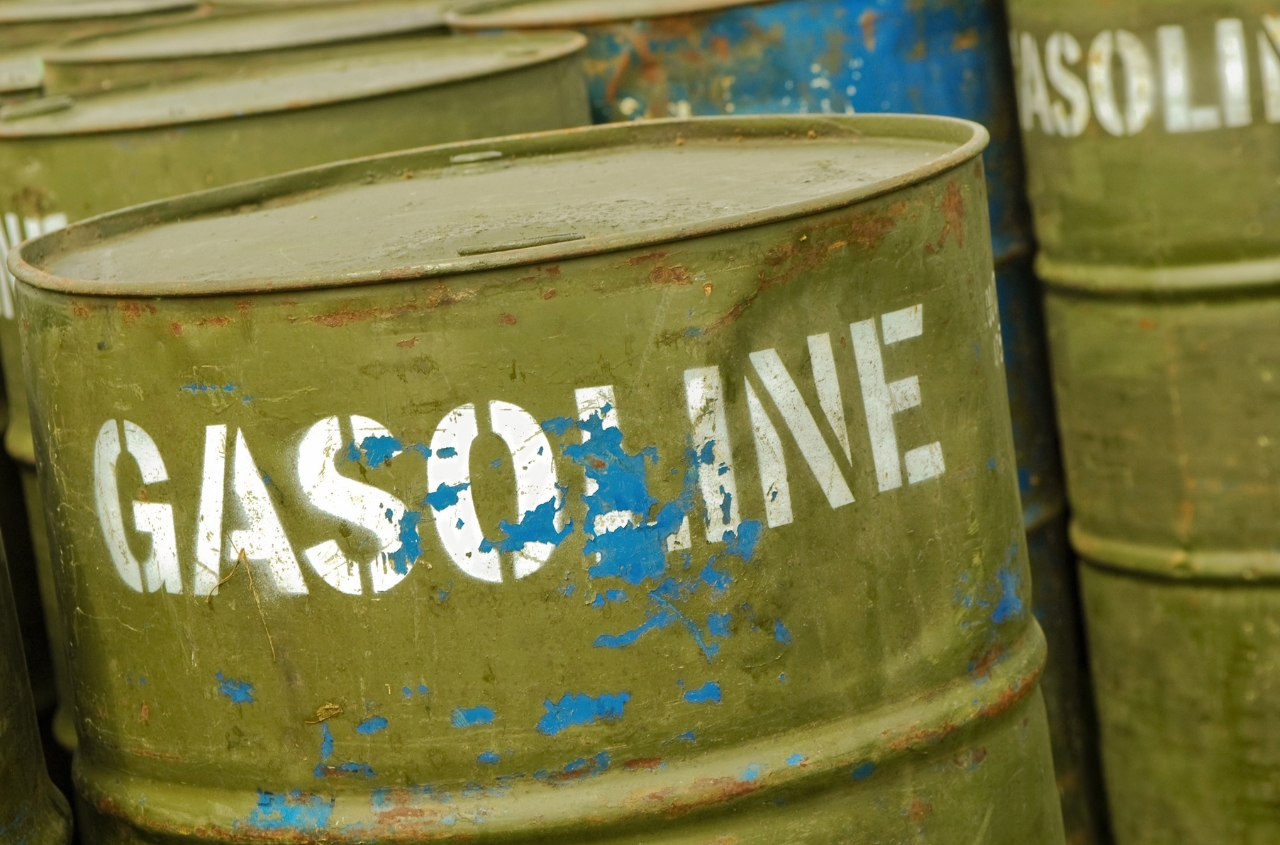

A new fuel crisis is emerging in Russia: a shortage of AI-95 gasoline is already moving beyond exchange reports and affecting the domestic market. Due to failed government decisions, chronic problems at oil refineries, and the consequences of the war, Russian oil companies are trying to manage the situation by cutting production of the most popular gasoline grade.
According to industry analysts, unmet demand for AI-95 in Russia has already exceeded 26,000 tons. The reasons include emergency and unscheduled refinery maintenance, declining oil refining volumes, and a seasonal surge in demand. Amid resource shortages, Russian companies are shifting capacity toward the cheaper AI-92 fuel, which the Kremlin considers “socially significant.”
Despite official statements from Russia’s Ministry of Energy about “stability,” exchange prices continue to rise. AI-95 already costs nearly 72,000 rubles per ton, and prices on the over-the-counter market are about 10% higher. At the same time, market participants themselves acknowledge that fuel is in short supply and supply is limited.
Russian authorities are trying to downplay the scale of the problem with familiar reassurances about “sufficient reserves” and “stable logistics.” But the reality is different: large refineries are frequently undergoing at least month-long maintenance shutdowns, preventing the formation of reserves ahead of the summer season. As a result, the risk of a large-scale gasoline shortage in the summer is only increasing.
Some Russians are already openly talking about switching cars to gas, as gasoline is becoming more expensive and less accessible. Amid a prolonged war and sanctions, the so-called resource “superpower” increasingly resembles a country with chronic shortages of basic goods.
Notably, in just one year in Tatarstan, gasoline prices increased by almost 16%. AI-92 rose by 16.8%, and AI-95 by 15% — despite Kremlin claims of a “stable economy” and “energy independence.”