

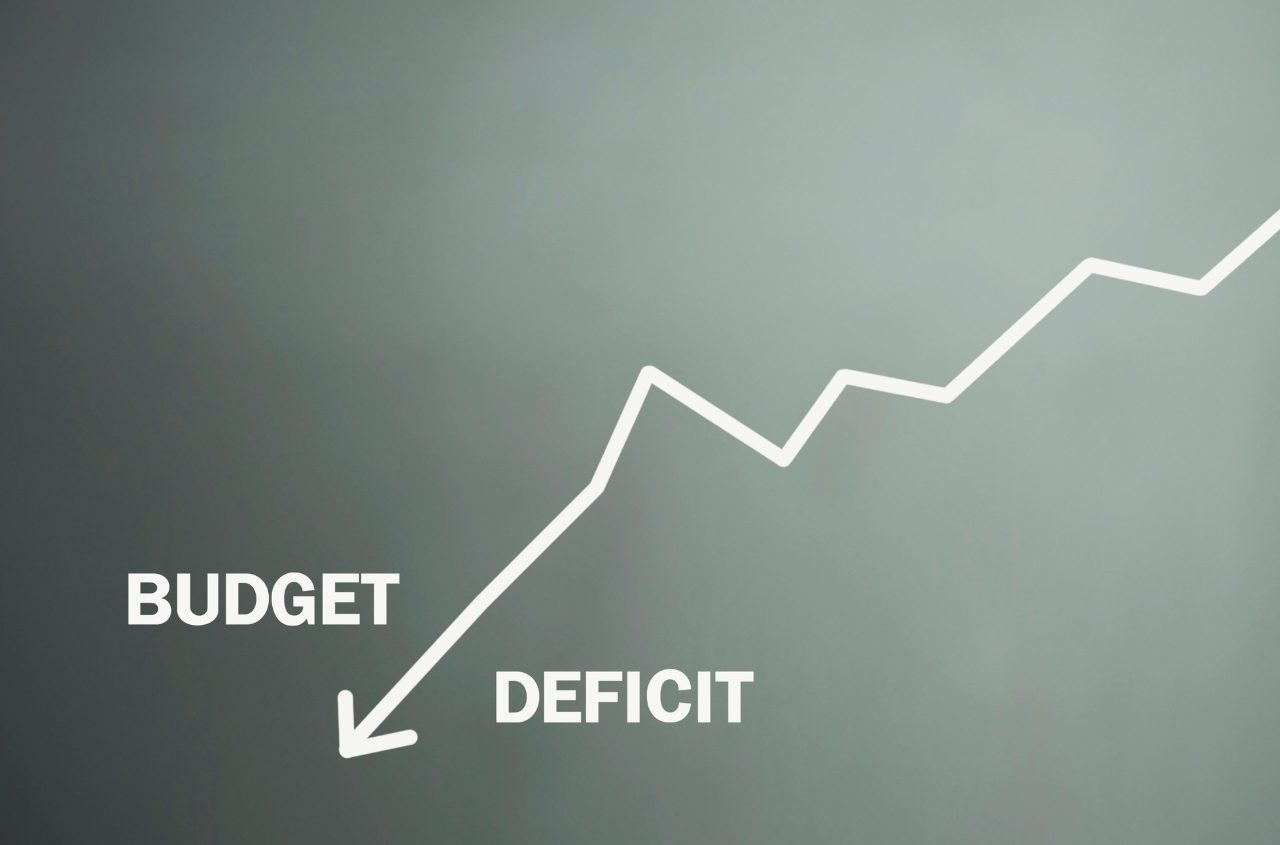

In the first four months of 2026, Russia’s budget deficit reached $78.4 billion — equivalent to 2.5% of GDP and almost twice as much as during the same period last year. By comparison, Moscow had projected a full-year 2026 deficit of $50.5 billion. By April, that annual target had already been significantly exceeded.
Oil delivered the main blow. Revenues from hydrocarbons fell by 38.3% to $30.6 billion. All three key revenue streams declined: the additional income tax, export duties on gas, and the mineral extraction tax. To partially cover the shortfall, the Kremlin raised the base VAT rate — and non-oil revenues formally increased by 10.2% to $125.6 billion. However, this is not economic growth but fiscal pressure: money is being extracted from businesses and households rather than earned through expansion.
Meanwhile, expenditures surged to $235 billion — up 15.7%, or $32 billion, compared to a year earlier. The military, social obligations, and support for “priority” sectors of the economy are consuming an increasing share of the budget. Another major item is debt servicing: in just four months, Russia spent $14.8 billion on interest payments. By comparison, the total for all of 2022 was $15.9 billion. Domestic borrowing is becoming more expensive, and fiscal flexibility is shrinking.
The National Wealth Fund is no longer providing relief. Its liquid portion is estimated at around $48.4 billion — less than the current deficit. The fund, which was meant to serve as a financial safety cushion, has effectively ceased to function as a stabilizer. Even Russia’s central bank acknowledges this: in late April it publicly warned about fiscal risks and hinted at possible tightening of monetary policy.
The outlook is worsening. Russia’s budget model relies on state spending and borrowing, while oil revenues decline and real economic activity slows. To balance the books, Moscow will likely pursue three paths simultaneously: higher taxes, increased domestic borrowing, and cuts to selected programs. None of these solves the underlying problem — they merely delay the point at which the bills become unpayable.