


The main news about Iran right now is not coming from Iran itself.
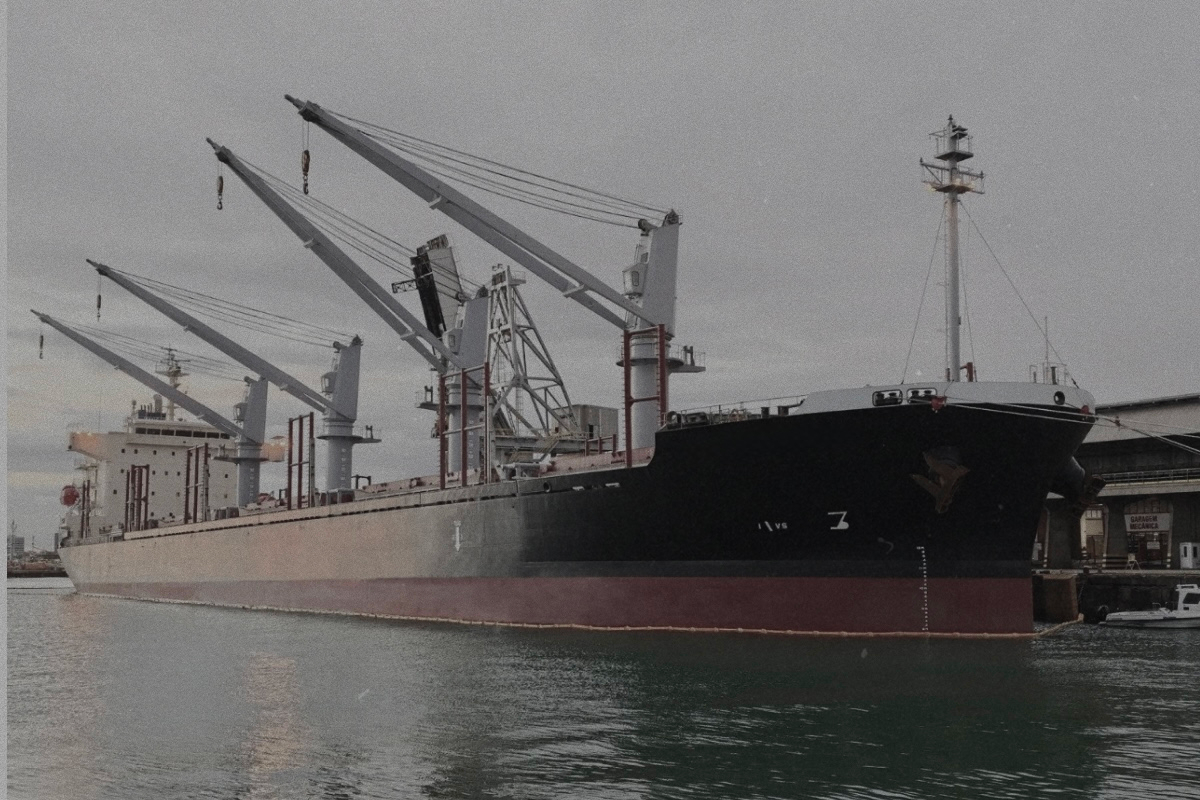
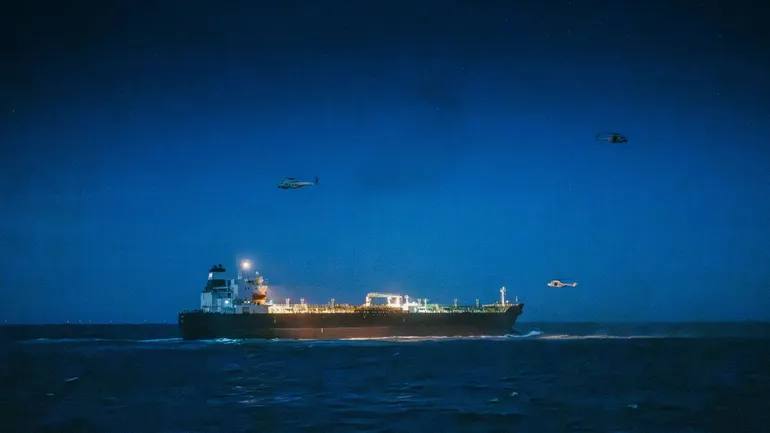
Belgian military forces, with French support, detained a tanker flying a fake Guinean flag (formally, no flag), which was likely heading to a Russian port for another load of petroleum products. The tanker is under all kinds of sanctions.
Over the last month or so, we’ve heard several statements and seen a few very cautious moves from Europeans to restrict Russian oil trade. These measures inspire cautious optimism but are extremely limited and so far only target certain blatantly shady ships traveling without cargo. This allows formal complaints to remain minimal — in practice, only the shipowner could protest loudly, and even then, they probably won’t.
In other words, Europeans are testing the most comfortable and non-confrontational path. It will gradually affect the scale of Russian shipments, but very slowly.
On one hand, we should acknowledge the Belgians; taking the first step is never easy. On the other hand, they need to ramp up efforts, expand the scope of targeted vessels, and enforce stricter measures. Timing matters. The next couple of months could favor Russia in oil and petroleum prices. Spot restrictions won’t even be felt by the Kremlin, allowing it to continue disruptive activity in the EU.
The question is whether Europe will risk escalating with Russia while the Persian Gulf situation remains unstable. It could be complicated if, for example, Kazakhstan suddenly “tripled” production.
The second point.
A summary of a large range of reactions to the U.S.-Israeli strikes on Iran leads to an interesting, if psychologically obvious, conclusion — which may have practical consequences.
There are relatively few who are genuinely concerned about the fate of Iran or its people because the Iranian regime has alienated everyone. In fact, Iran has very few friends or sympathizers.
But there is a huge number of people who wish failure on the U.S. — and especially Israel — for various reasons. Some have rational or ideological motives; others simply emotionally want the hegemon humbled, forced to rely on partners again, and see its Middle Eastern ally fail.
The U.S. and Israel are acting from a position of power and with blunt efficiency because they can. Today, Washington can act against Tehran; tomorrow, domestic political issues may shift focus elsewhere.
This approach also stretches the boundaries of what is considered acceptable behavior for various bad actors or opposing parties worldwide. There are countless long-standing conflicts.
The methodology is clear: prepare, quickly achieve irreversible results (trying not to interfere with a supreme power’s interests), negotiate, normalize.
Living in such a world will be costly and uncomfortable, especially for those who are not aggressors. This approach exerts extreme pressure on nationalist and self-interested forces.
For us, this may mean that Ukrainian refugees will need shelter at home.