

By Viktor Yahun
March and the beginning of April have revealed something that not everyone in the West is ready to say out loud yet, but which can no longer be ignored. Ukraine has long ceased to be just an object of aid. Ukraine has become one of the main factors changing the very logic of war, security, and deterrence in Europe—and not only in Europe.
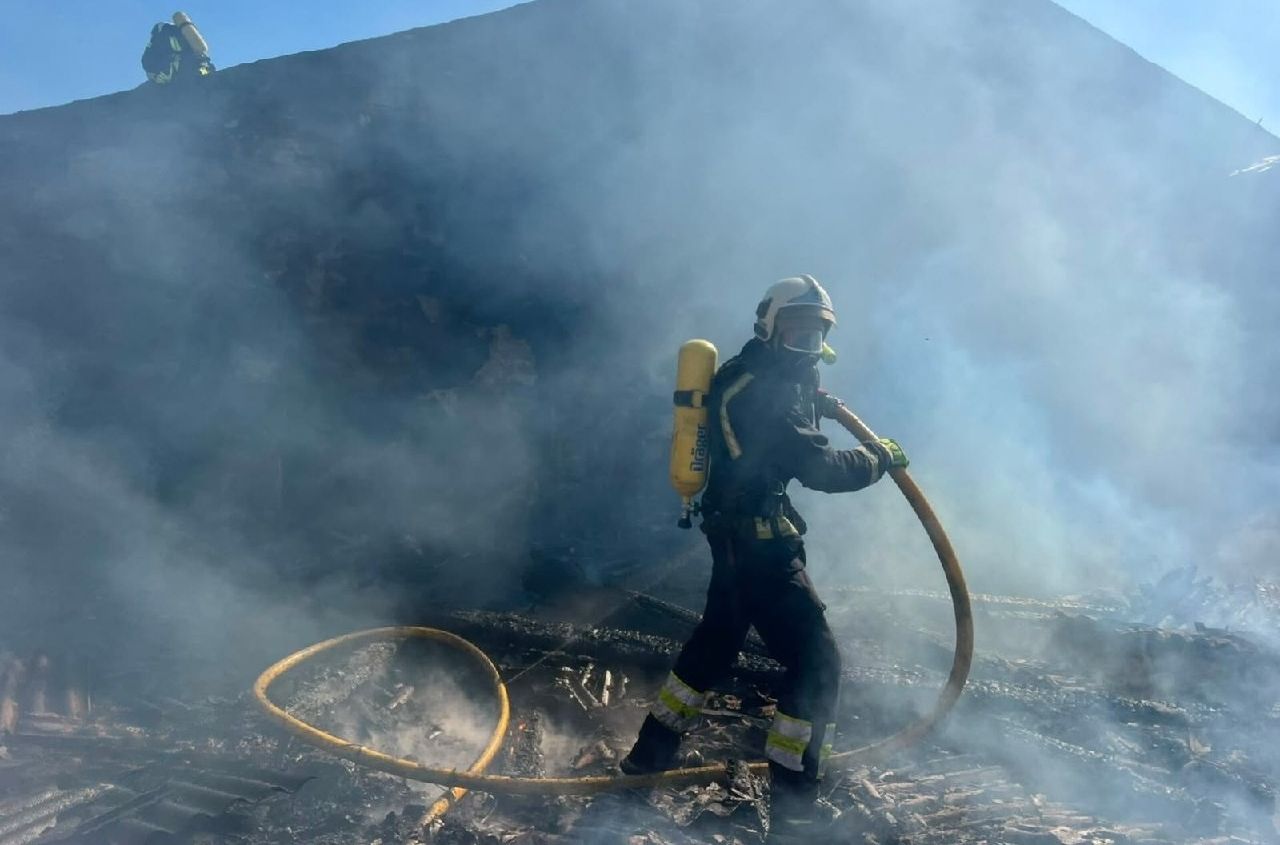
What until recently many described as a “local conflict” or a “draining war in Eastern Europe” now looks very different. Strikes on Russian oil infrastructure, military-industrial sites, logistics, and deep into Russian territory are beginning to produce not only tactical but also strategic effects. And the most important thing here is not just the fact of hitting targets. The key point is that Russia is increasingly forced to account not only for losses on the front lines but also for losses in its own rear, in exports, in production, and in its ability to sustain the pace of the war.
It is very telling that even Russian military bloggers are beginning to acknowledge this. They are essentially saying what they long tried to ignore: Ukraine strikes where Russia is truly vulnerable. Not at symbols, but at the system. Not at images, but at the resources of war. And this is why discussions are already emerging in Russian circles about the risk of Moscow arriving not at a “victory” but at a humiliating peace. This does not mean that the Kremlin is ready to stop. On the contrary, everything points to the opposite. But it does mean that, for the first time in a long while, the opponent senses limits, not omnipotence.
At the same time, another important international narrative is emerging. Europe and NATO are beginning to recognize that the war in Ukraine is not an exception to the rules, but a model for future warfare. That is why, increasingly in the West, the discussion is not just about money—it is about speed, scale, adaptability, and the ability to rethink war itself. Old systems, expensive platforms, long decision-making cycles, industries accustomed to peacetime norms—all of this has proven too slow for the new battlefield. Ukraine, with far fewer resources, has begun to demonstrate what has been a cold shower for many Western capitals: in modern war, victory goes not to those with the most expensive equipment, but to those who learn faster, scale faster, and adapt faster.
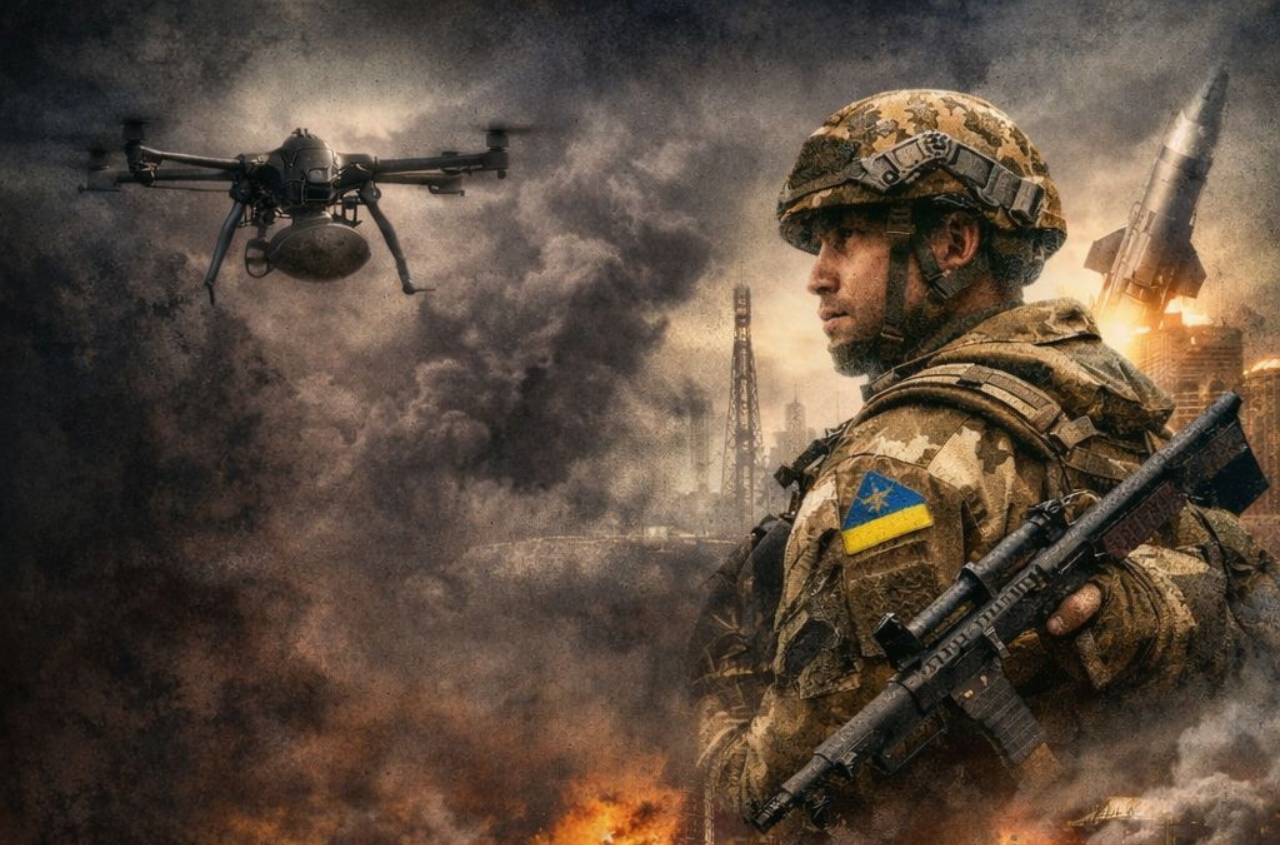
Here, Ukraine’s role goes far beyond its own survival. Today, Ukraine is not just Europe’s frontier—it is its security laboratory. This is a place where practical answers to the challenges of a new era are being forged: mass drones, inexpensive lethal tools, war of attrition, strikes on logistics, struggles for tempo, flexibility, and technological initiative. What Ukraine is doing today on the battlefield and in defense industry will have to be copied by others tomorrow.
Another important international dimension is Russia’s shadow war. Sabotage, cyberattacks, sub-threshold strikes, espionage, disruption, exploiting chaos and weaknesses in democratic processes—the West is only now systematically realizing that Russia has long been fighting not just with tanks and missiles. It fights below the formal threshold of a major war, relying on confusion, bureaucracy, and the unwillingness to call things by their names. And here, Ukraine’s experience is again key. We live in this reality not just from reports—we have lived it, fought through it, and paid for it in blood.
Therefore, the main conclusion is simple. Today, Ukraine is not on the periphery of international politics. It is one of the centers shaping a new security architecture. Here, it is not only Ukrainian statehood at stake—it is whether the West will learn to live in a world where war no longer resembles the old textbooks. And if the West truly wants to endure in this new era of upheavals, it will have to stop instructing Ukraine and start learning from Ukraine.
Because while part of the world is still wondering what the next war will look like, Ukraine is already seeing it, fighting it, and making the enemy pay the real price.
_1775212765.jpg/dMU0pK33u5msXc10UskDyEMHrLXLSwuFX30biih4.jpg)