

PJSC ArcelorMittal Kryvyi Rih reports a further deterioration in energy and logistics costs, which continues to put pressure on production economics. This was stated by the company’s CEO, Mauro Longobardo, in an interview with Interfax-Ukraine.
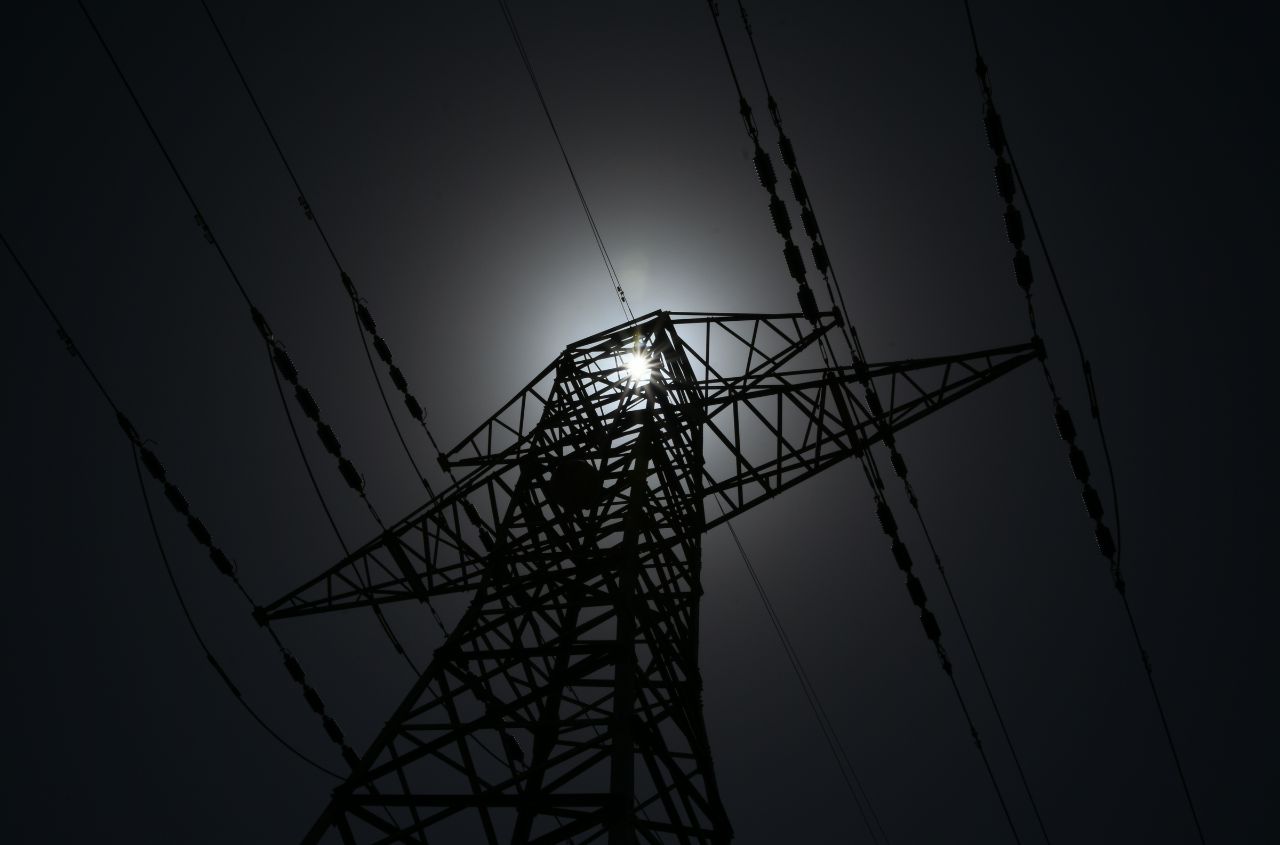
According to him, electricity remains the key issue for the plant. In January, the average price of electricity exceeded $220 per MWh, and in February it reached $230 per MWh, with peaks up to $370. The problem, he noted, is not only the high cost but also the instability of supply. Due to power outages in January, the plant temporarily halted its blast furnaces, with one stoppage lasting about a week due to equipment damage following the shutdown of the cooling system.
Longobardo emphasized that the current mechanisms for electricity imports have not produced the expected effect for the mining and metallurgical industry. In particular, long-term auctions, which the sector had relied on, did not guarantee the reservation of necessary resource volumes for industry. Meanwhile, the plant is still required to purchase 60% of its electricity from imports, and there is discussion in the market about increasing this share to 90%, which the company considers an additional burden.
Natural gas costs have also increased significantly. ArcelorMittal now purchases gas both from European suppliers and Ukrainian producers. While domestic gas previously sold at the level of the European TTF hub or at a discount, it now follows the principle of import parity—TTF plus a markup. Transportation and storage costs have also risen. The company estimates that these factors alone add around 100 million UAH in monthly expenses.
As a result, the share of electricity and natural gas in the plant’s production costs has already reached 40%, compared to around 18% in 2020. According to the CEO, this sharply reduces competitiveness and prevents the company from even reaching the breakeven point.
Regarding railway tariffs, AMKR has so far avoided increases. Longobardo recalled that at the beginning of 2025, a 37% increase in Ukrzaliznytsia tariffs was discussed, but this did not happen due to a government decision to support the company in another way. Nevertheless, the risk of tariff revision remains, which would be an additional negative factor for loss-making enterprises.