

Europe is seeking answers to one of the key issues in agricultural policy — how to ensure its protein supply at a time when demand is growing and global markets are becoming increasingly unpredictable. In this situation, Ukraine could become a key supplier of soybeans, thanks to large production volumes and readiness to comply with new sustainability requirements. However, the EU, for its part, needs to meet Ukrainian producers halfway.
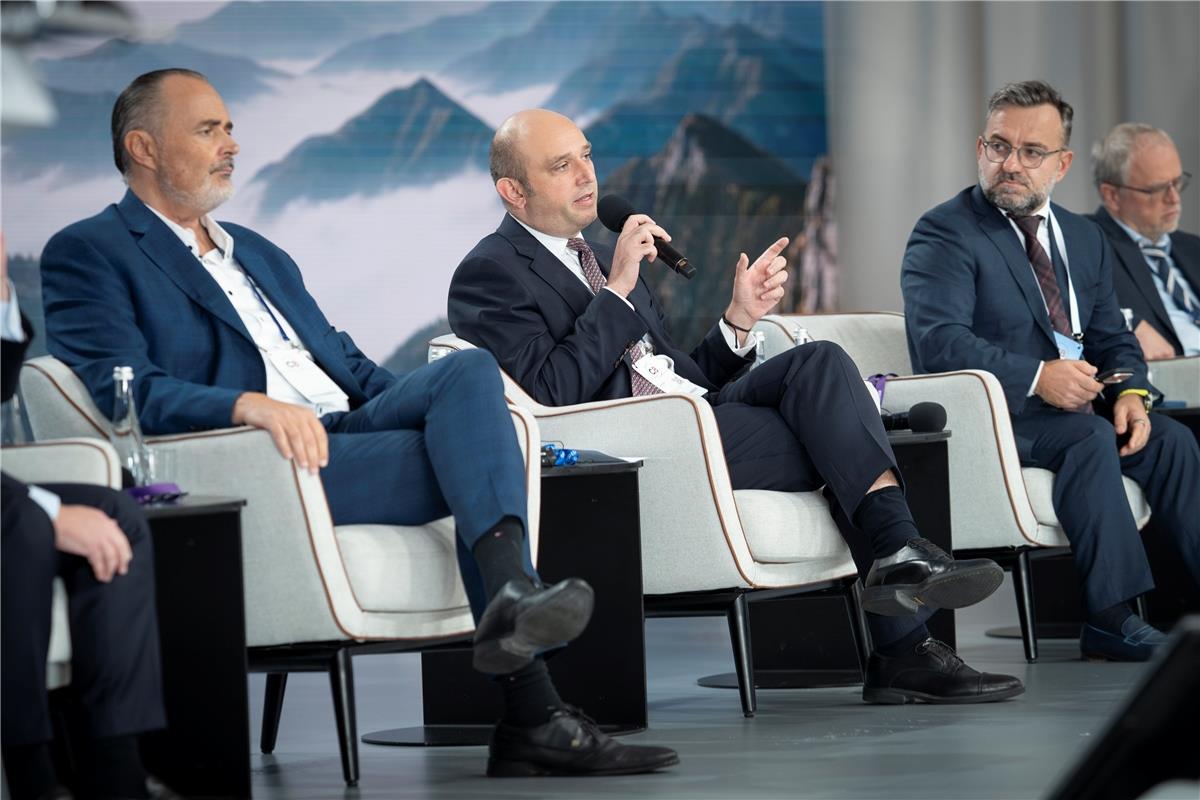
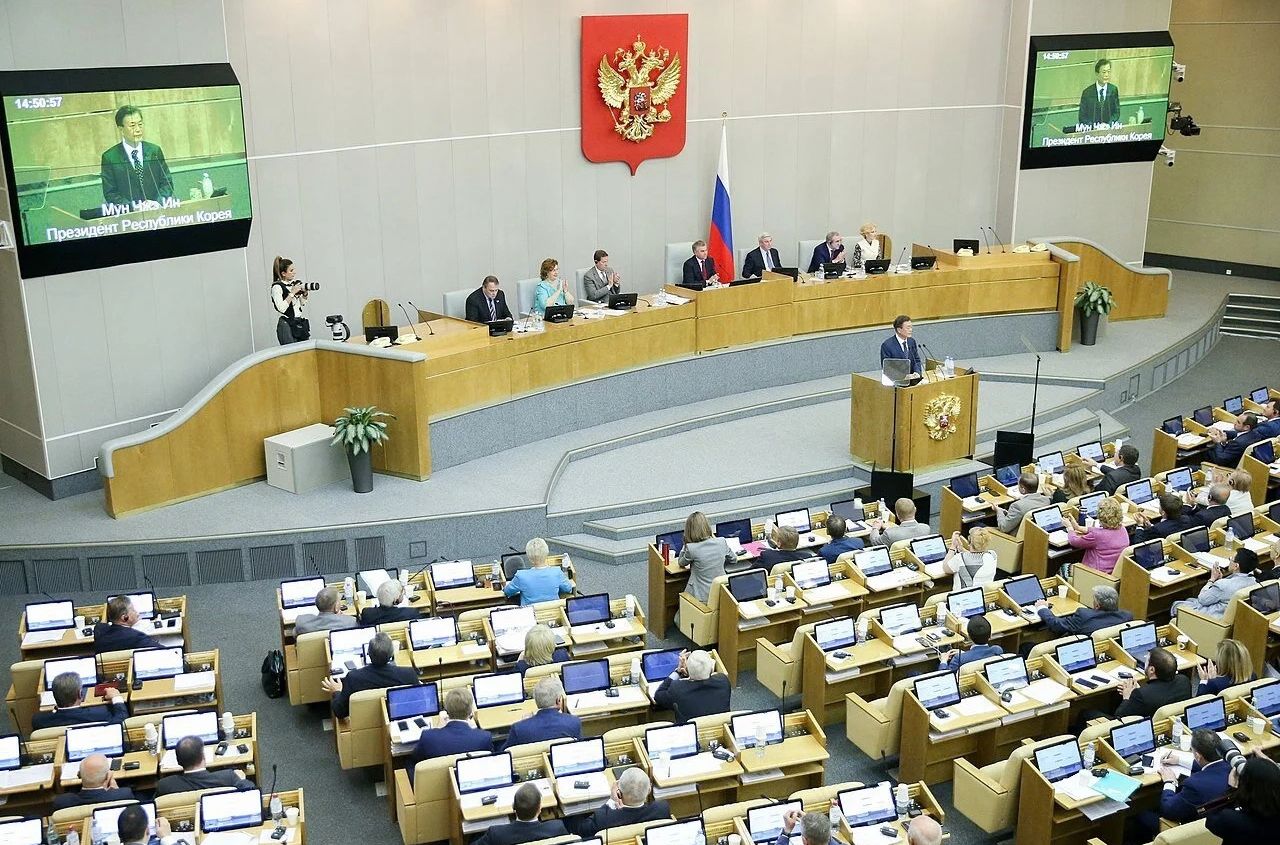
This was discussed during a panel debate in the European Parliament titled “Towards a European Protein Strategy: Challenges, Prospects, Solutions.”
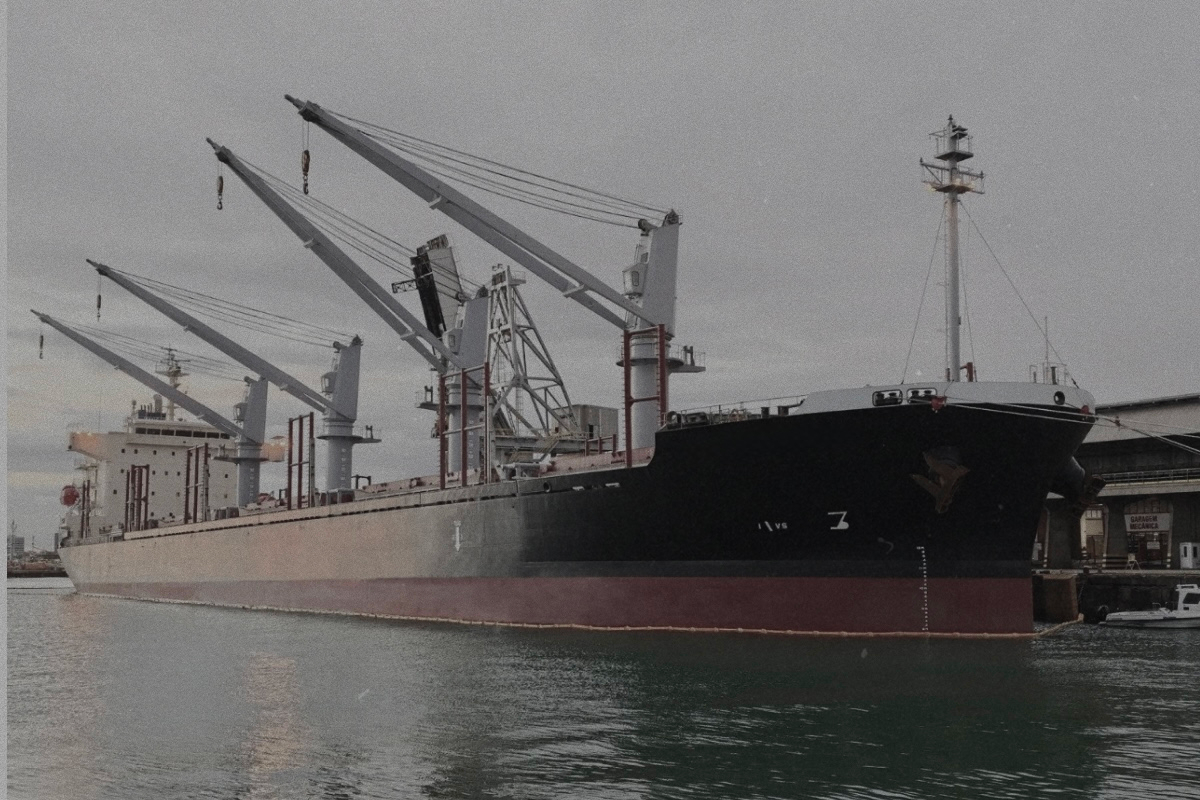
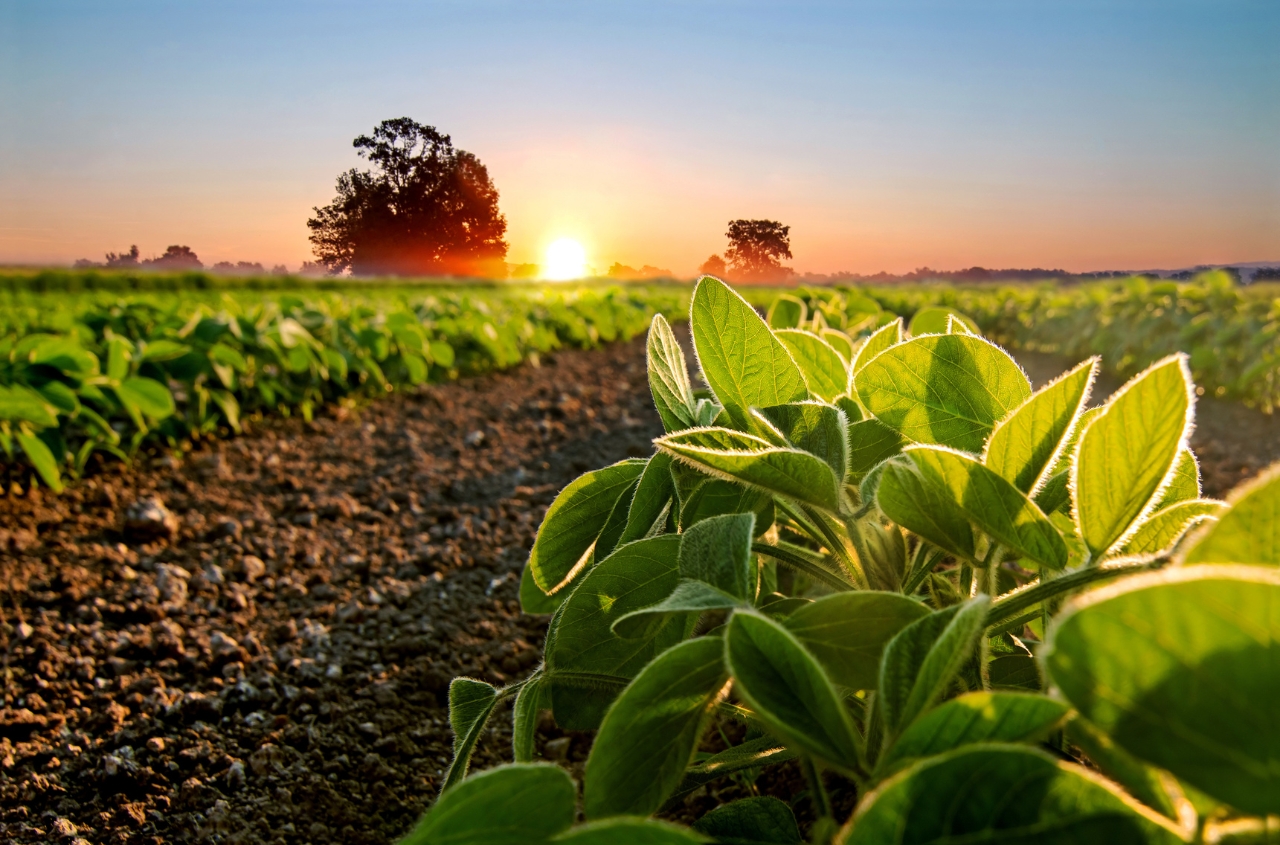
In particular, the EU currently faces a significant protein deficit — its large livestock sector creates consistently high demand for protein-rich feed. Domestic soybean production amounts to about 3 million tons, while total demand exceeds 35 million tons. Ukraine produces around 6 million tons of soybeans annually, a significant share of which is exported to the EU. This means Ukraine is already a major player in this market. The soybean sector is a clear example of integration into the European market: it involves not only exports, but also processing, certification, and compliance with standards.
“Ukrainian soybeans are not just about large volumes. They represent a strategic presence on the European market: high productivity, the ability to comply with new environmental rules, and adherence to strict EU standards. Our agricultural sector is already effectively integrated into the European system and is rapidly changing its role — from a raw material supplier to a participant in value-added chains. It is not just about exports. The logic of production is changing: processing volumes are increasing, processes are becoming more transparent, and quality is improving,” Taras Vysotskyi emphasized.
Today, about 25% of Ukrainian soybeans — produced without the use of GMOs — meet certified EU standards. This indicates structural changes at the farm level. Farmers are adapting their approaches, introducing modern technologies and updating practices.
At the same time, as a strategic EU partner, Ukraine has other clear advantages: geographical proximity, lower logistics costs, significant production potential, and a strong position in the non-GMO segment. This area is especially attractive to European consumers and beneficial for Ukrainian producers, as it allows for higher added value.
However, there are still significant challenges. First of all, EU regulatory requirements significantly complicate trade. This includes, in particular, the EUDR regulation, which requires proof that products are not linked to deforestation. For exporters, this means detailed traceability: the origin of each shipment must be confirmed down to a specific land plot.
Another example is the RED III directive, which regulates the use of raw materials for biofuels. It sets sustainability criteria and introduces restrictions for crops that may cause indirect land-use change (ILUC). Soybeans are expected to be included in this category. This means a large volume of documentation and checks, digital tracking of products, and additional certification costs. For small and medium-sized producers, who lack the resources for rapid adaptation, this will be extremely difficult to implement.
Ukraine insists on more active participation in shaping European policies — particularly at the stage of impact assessment of new regulations and policy preparation.
“The EU must act now and develop a clear strategy for plant proteins. Ukraine is ready to be part of this process,” Vysotskyi concluded.
In the medium term, key priorities remain adaptation to plant protection product rules and reform of the EU Common Agricultural Policy, taking Ukrainian realities into account — especially in the context of post-war recovery.
The event was organized by the Ukrainian Agribusiness Club (UCAB) and the Danube Soya Association. The panel included representatives of the European Parliament and the European Commission, as well as industry experts and market participants, including importers of Ukrainian soybeans and processed products. Key speakers included Koen Dillen from the European Commission’s Directorate-General for Agriculture, Danube Soya Executive Director Aurelie Turnan, and representatives of European industry associations and businesses such as FEDIOL and the Italian company Oleificio San Giorgio. Opening remarks were delivered by Members of the European Parliament Jérémie Decerle and Pascal Canfin.