

The project “EU4Recovery – Empowering Communities in Ukraine” has announced the launch of a new phase of support for communities and the continuation of the initiative.
The second phase of the project предусматриes attracting €50 million by 2028 and focuses on the long-term resilience of communities operating under heightened security risks, limited resources, and significant pressure on infrastructure and services. The funds will be directed toward strengthening the institutional capacity of local authorities in recovery, planning, and the provision of basic services; investing in human capital and socio-economic recovery with a focus on veterans and internally displaced persons; as well as developing civil society and supporting social cohesion.
“We are grateful to the European Union and the United Nations Development Programme for their strategic partnership and consistent support for Ukraine. We highly value the results of the first phase of EU4Recovery, which focused on ensuring the continuity of basic services, enhancing community safety, and supporting the most vulnerable groups of the population. Therefore, it is very important that the Ministry for Communities and Territories Development is moving forward with the joint implementation of the second phase,” said Deputy Prime Minister for Restoration of Ukraine and Minister for Communities and Territories Development Oleksii Kuleba.
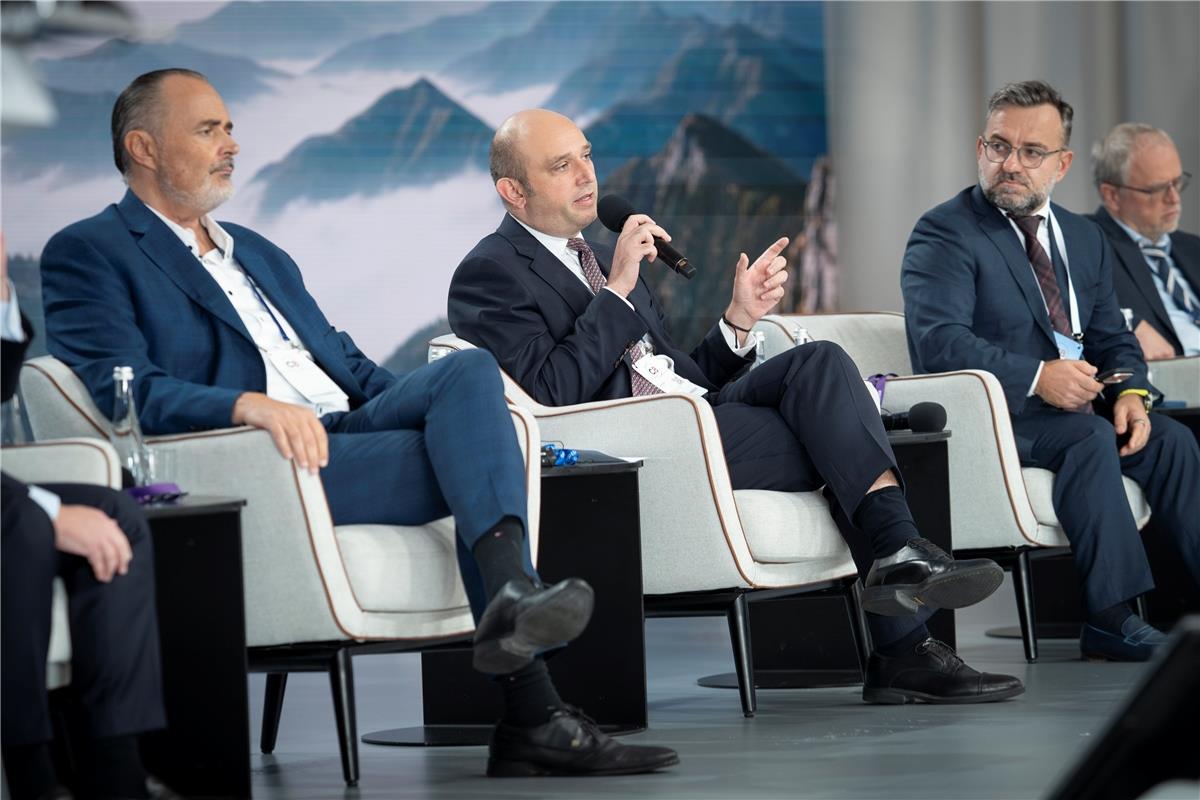
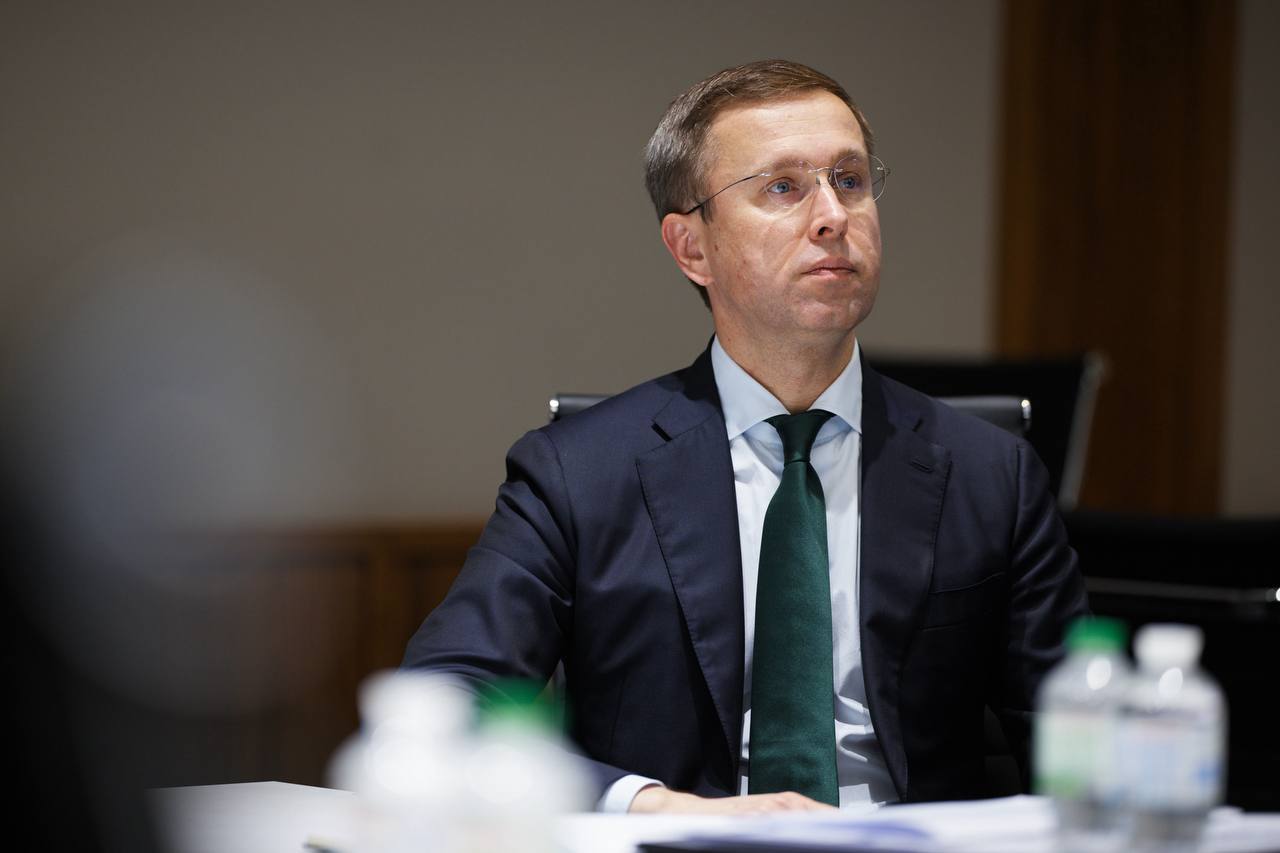
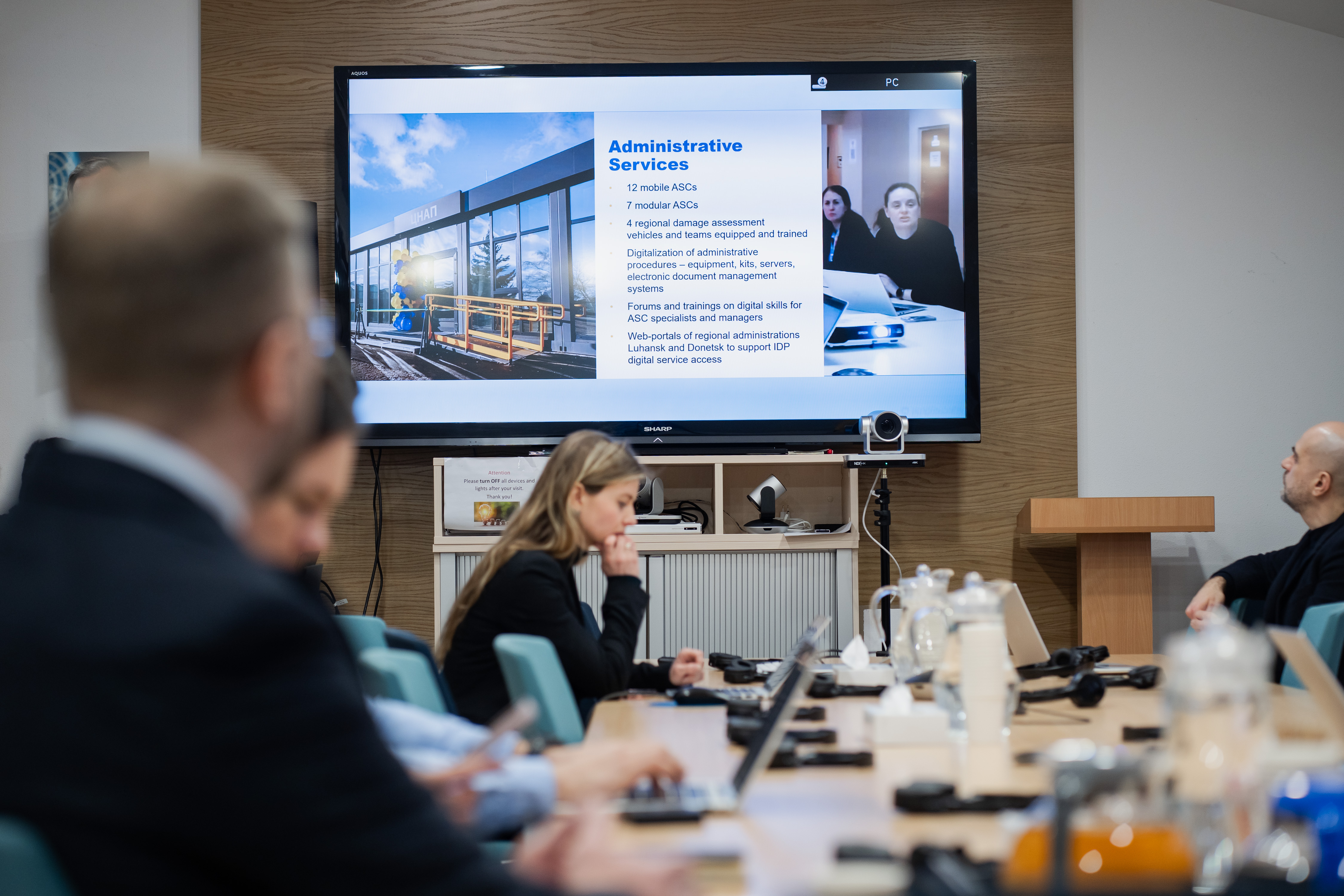
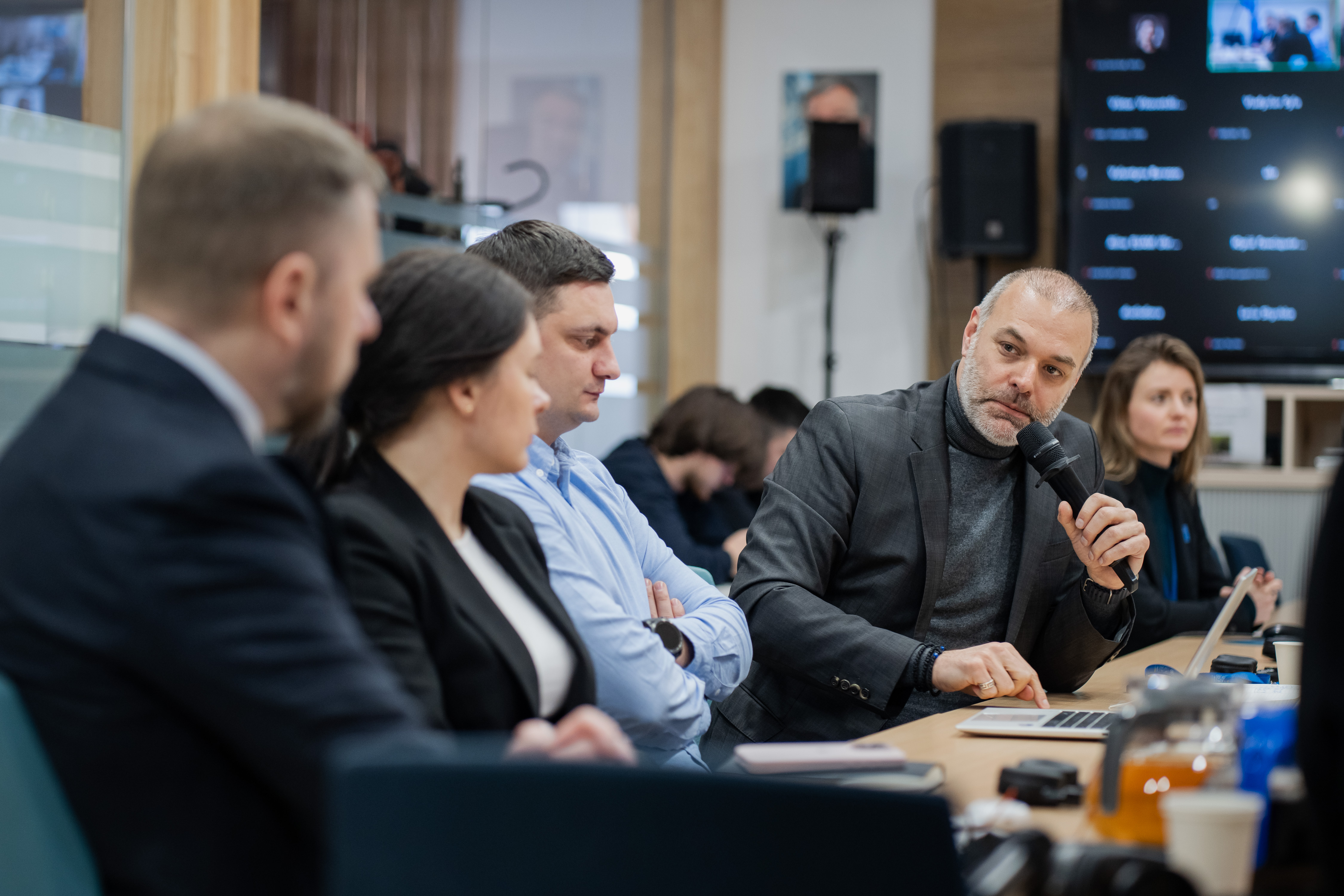
Deputy Minister for Communities and Territories Development of Ukraine Oleksii Riabykin took part in a meeting of the Supervisory Board of the EU4Recovery – Empowering Communities in Ukraine project.
“The EU4Recovery project has become an example of real support for communities during the war. It is essential for us that its instruments remain flexible, targeted, and максимально oriented toward the real needs of people. Most importantly, thanks to our joint work, positive changes are taking place in communities,” Oleksii Riabykin emphasized.
The EU4Recovery project was launched in 2022 as a joint initiative of the European Union and the United Nations Development Programme in response to Russia’s military aggression.
In 2022–2025, the first phase focused on ensuring the continuity of basic services, enhancing community safety, and supporting the most vulnerable groups. In the healthcare sector, the project strengthened the capacity of local services through staff training and the provision of equipment. In 2023–2025, 447 people completed training in first aid and emergency response, including 389 drivers who received emergency medical technician certificates and 58 medical workers, 45 of whom were women, who obtained certificates in basic first aid skills. In total, 57 medical institutions in nine regions received comprehensive support — from equipment and supplies to professional skills development for staff.
In the social services sector, a functional analysis was conducted in six regions covering 358 communities, and six regional social services development programs were developed. To improve service accessibility, communities received 39 specially equipped vehicles, and at least 1,200 social workers from 11 regions completed thematic training.
Overall, nearly 9,000 people in 9 regions benefited from improved social care services, and 29 new mobile services began operating in participating communities. Ensuring access to administrative services was another key focus of the first phase. By 2025, communities received 12 mobile Administrative Service Centers and 7 modular Administrative Service Centers, enabling 17 communities to be covered by a network of service centers. During the project’s implementation, administrative services were provided to 222,684 people, including 149,505 women.
In addition, the project supported damage assessment and recovery planning by equipping mobile teams with four specially outfitted vehicles and modern equipment for inspecting buildings and infrastructure. Damage assessments were carried out in 11 target communities, forming the basis for further recovery planning decisions.