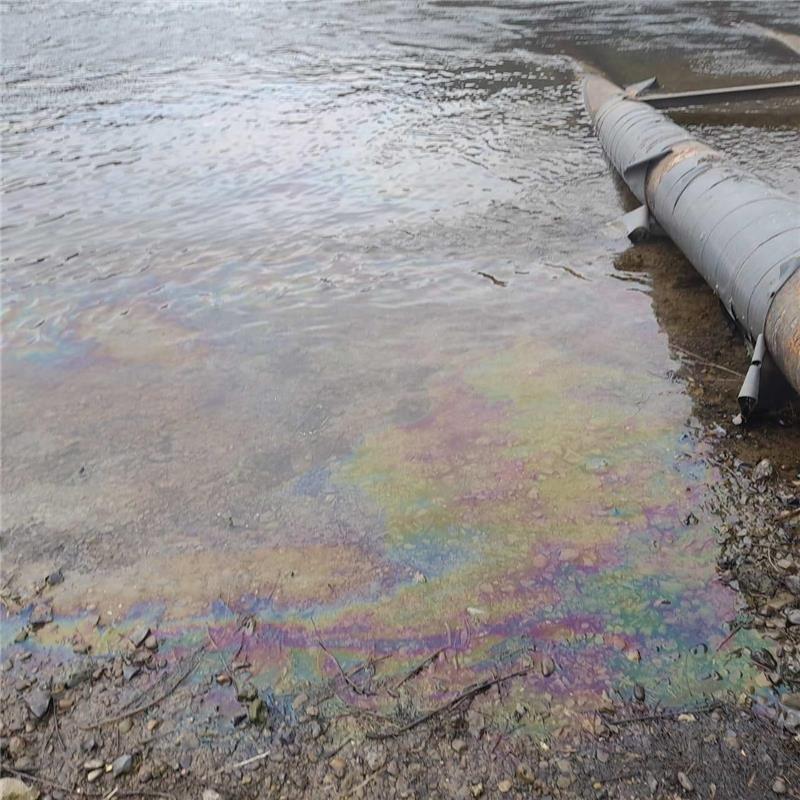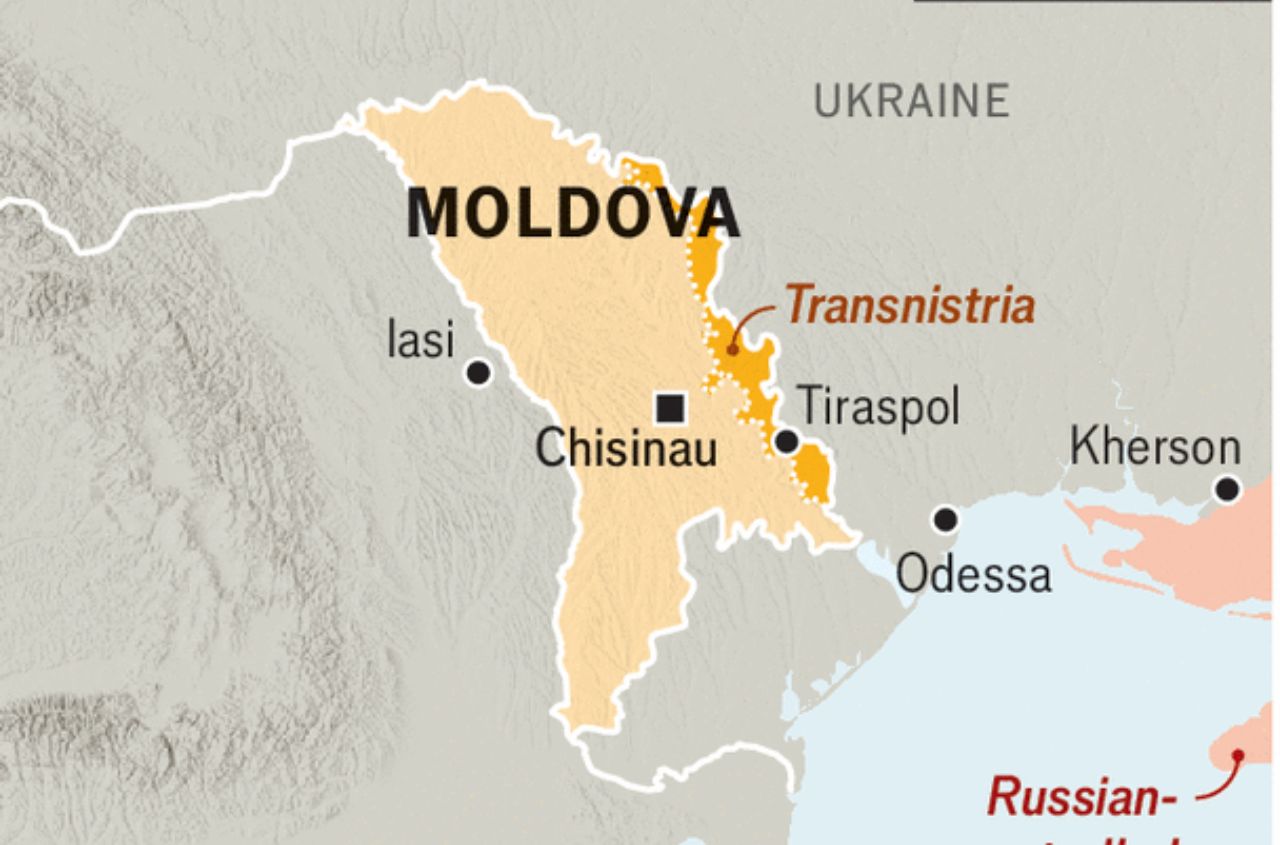


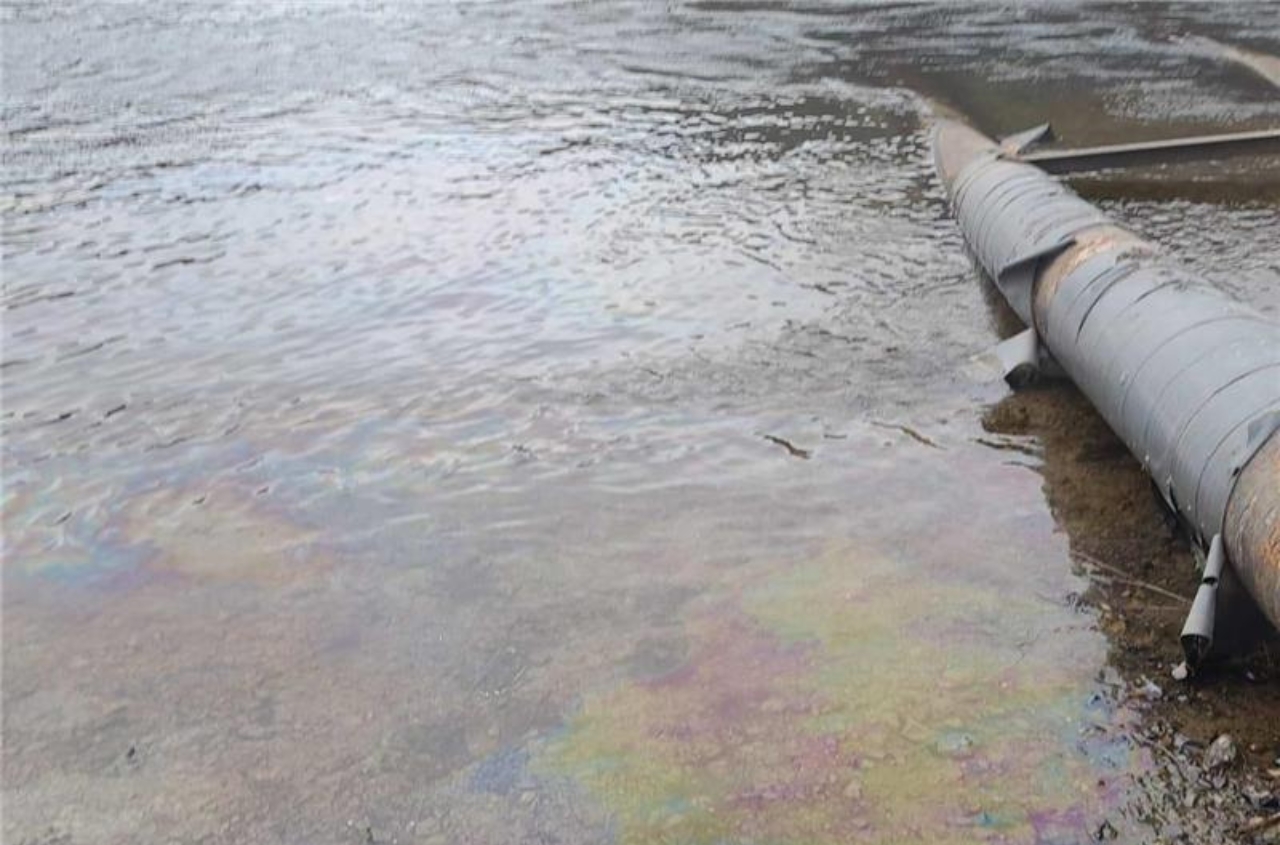

Following the Russian missile and drone attack on Ukraine, technical oil slicks were detected in the Dniester River on March 10 near the village of Lyadova, in the Yaryshivska community of Mohyliv-Podilskyi district, Vinnytsia region. The pollution spread downstream to the village of Naslavcha in Moldova.
This was reported by the Ministry of Economy, Environment, and Agriculture of Ukraine.
Preliminary data indicate that the Dniester contamination is linked to a leak of technical (transformer) oils from infrastructure near the Dniester Hydroelectric Power Station in Chernivtsi region, caused by the Russian attack on March 7, 2026.
Within the framework of the Dniester Commission, the Ministry of Economy conducted consultations with the State Emergency Service, Vinnytsia and Odesa regional administrations, the State Border Guard Service, PJSC Ukrhydroenergo, the State Water Resources Agency, and the State Environmental Inspectorate of Ukraine.
“The Ministry of Economy regards this incident as yet another manifestation of Russia’s ecological aggression, which poses a threat to transboundary water security and requires proper international legal assessment. Russia once again confirms that it is a terrorist state, waging war not only against Ukraine but also against the environment. Damage to energy infrastructure caused technical oils to leak into the Dniester, creating a cross-border ecological threat,” emphasized Deputy Minister Iryna Ovcharenko.
She noted that Ukraine is acting both nationally and in coordination with Moldova to contain the pollution and minimize its consequences.
In Vinnytsia and Odesa regions, emergency and environmental safety commissions convened to determine a set of measures for localizing and neutralizing the contamination. Ukraine promptly informed Moldovan partners of the transboundary pollution.
Following coordination with Moldova, the State Emergency Service units will begin installing containment boom lines and applying sorbents.
On March 10, laboratories of the State Water Agency and the State Environmental Inspectorate collected water samples from the Dniester within the potential impact zone. Visual inspections in Mohyliv-Podilskyi recorded oily patches on the water surface.
Near the village of Kozliv, a thin greasy film was observed, while near the village of Nahoryany, an oily film with a “rainbow” effect was visible along the shoreline and over a significant part of the river surface. A strong odor of technical oils was also detected. Measurements in the Nahoryany area recorded levels 2.5 times above the regulatory limit.
To monitor possible downstream movement of the contamination, on March 11 the Southern Regional Water Monitoring Laboratory collected additional water samples near the drinking water intake in Odesa, in the village of Mayaky, and in the Dniester Estuary.
To synchronize the actions of Ukrainian and Moldovan services, an extraordinary session of the Dniester Commission was held on March 12.