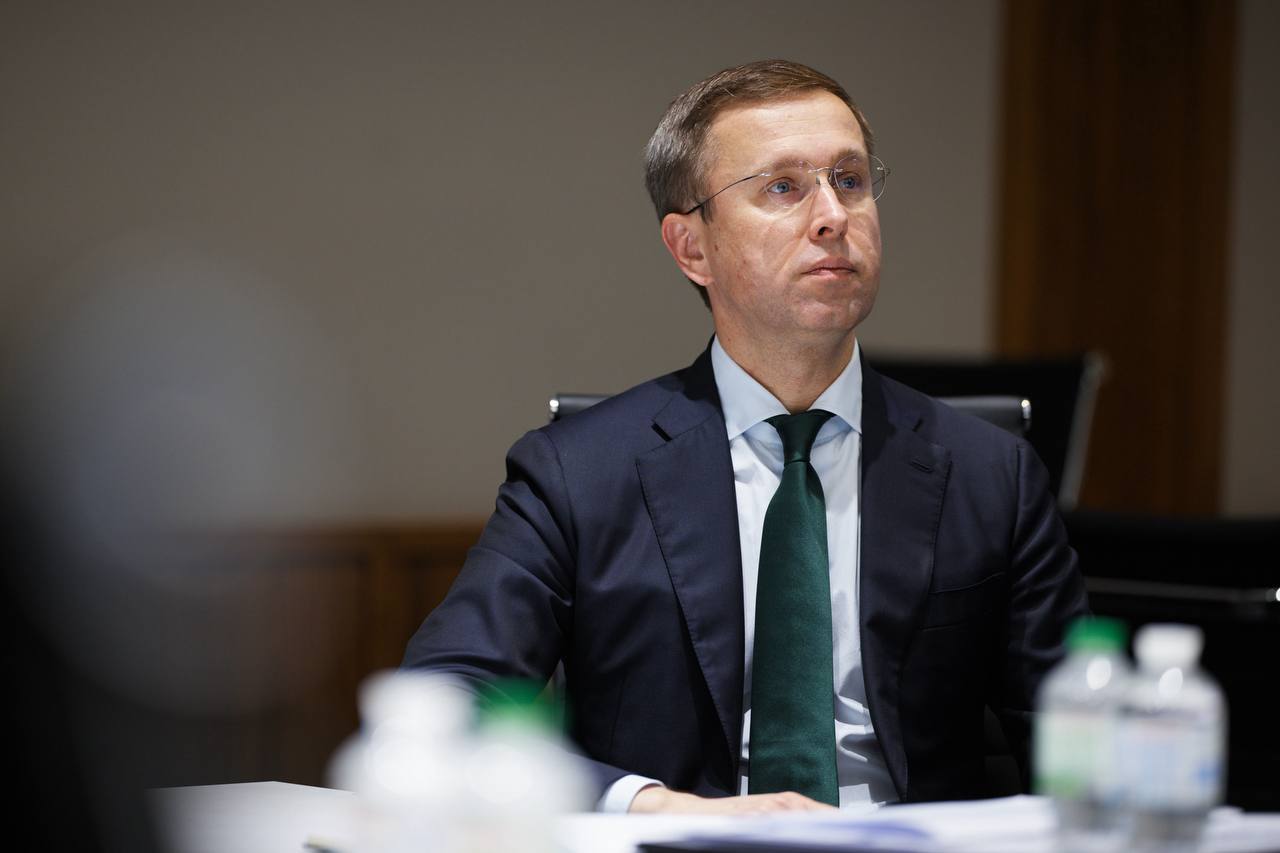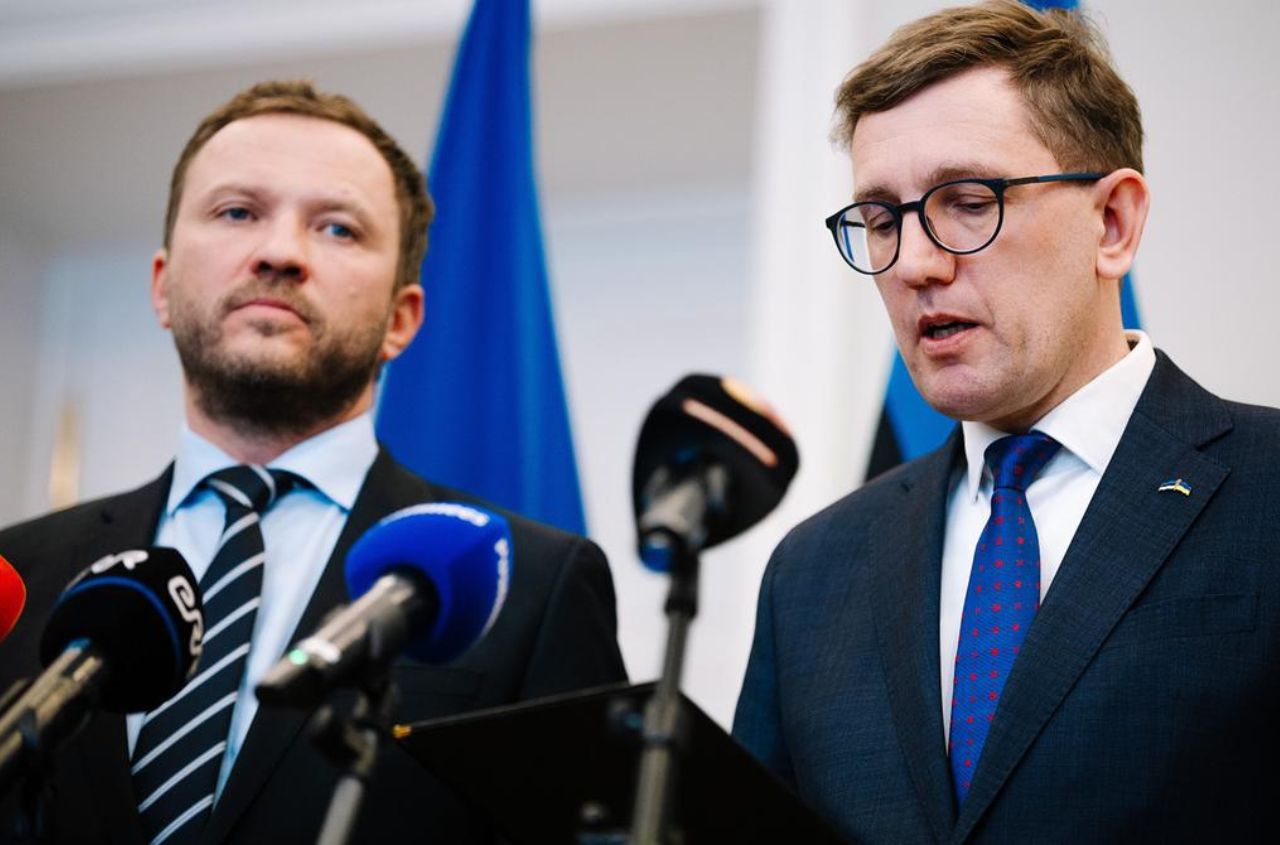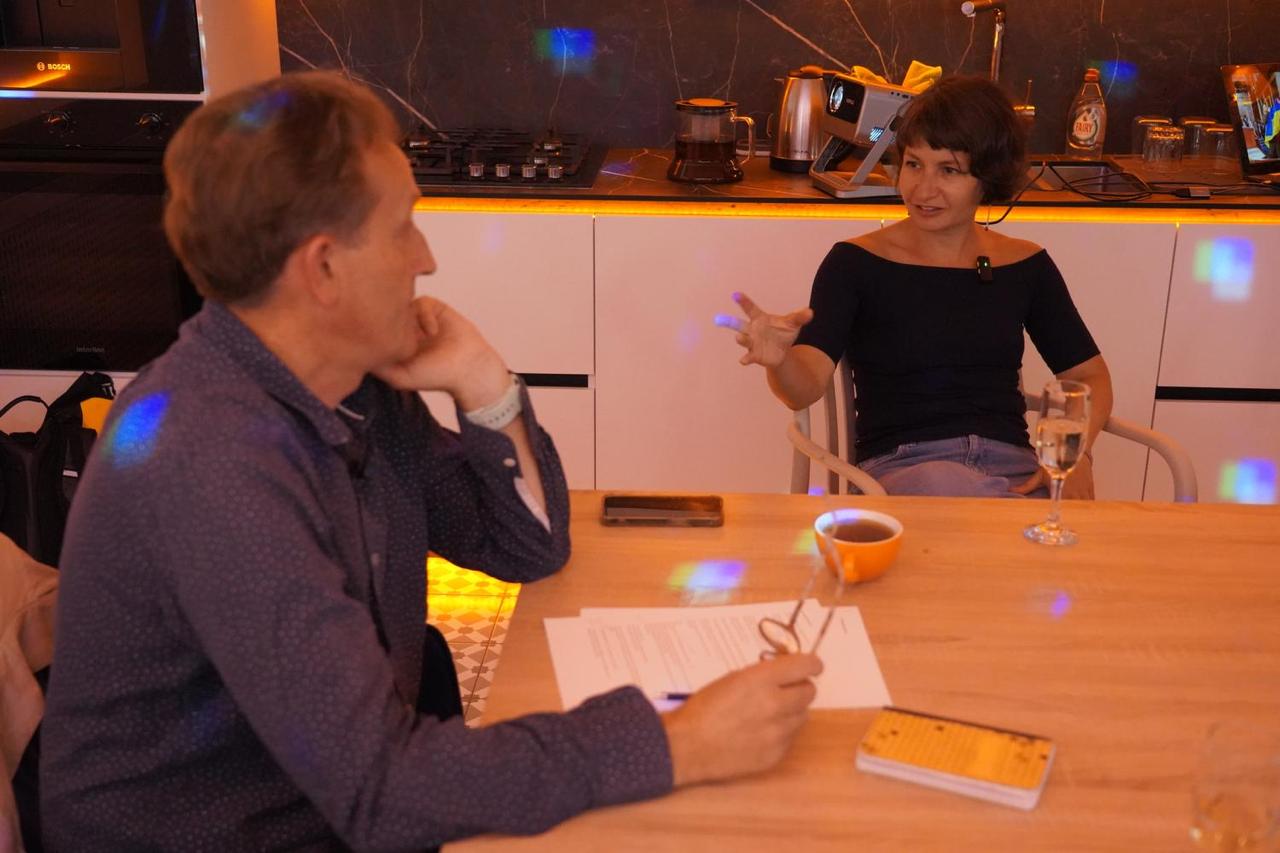


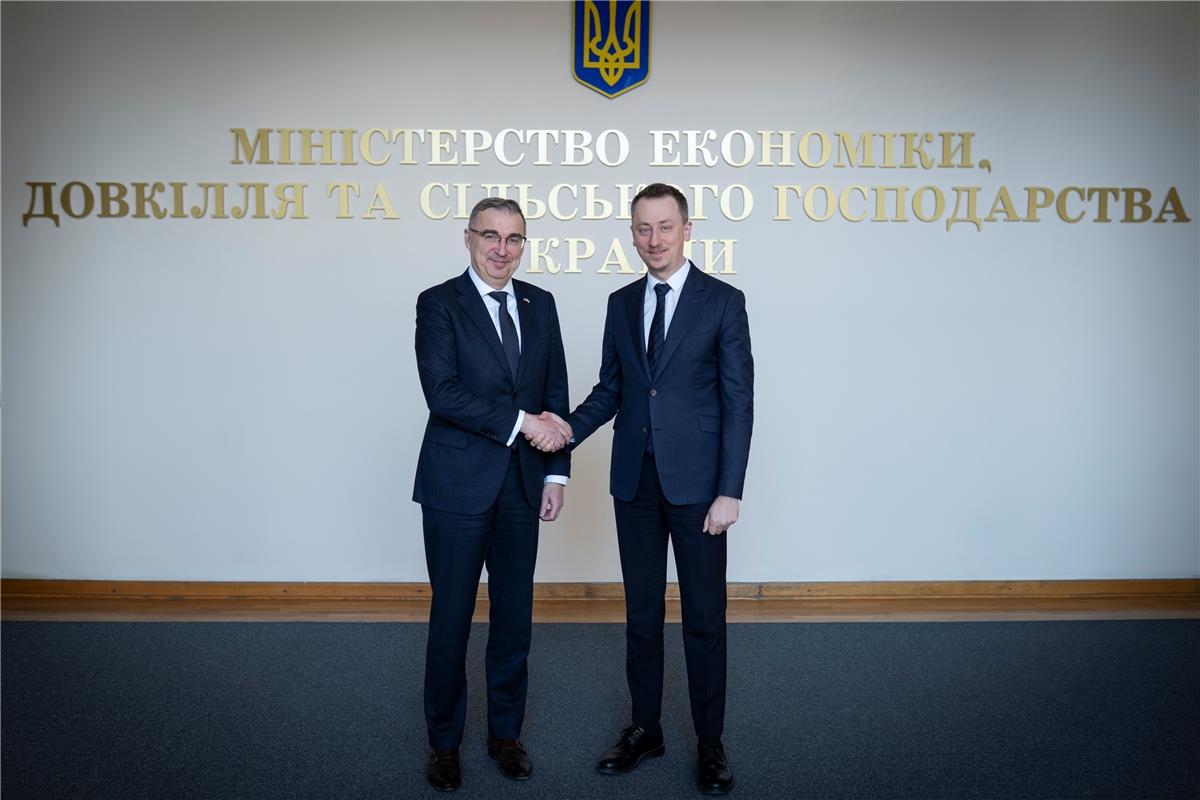
Ukraine and Estonia are deepening cooperation in the areas of waste management, industrial pollution, water resources, and climate policy. This was discussed during a meeting between Ukraine’s Minister of Economy, Environment and Agriculture, Oleksii Sobolev, and Estonia’s Minister of Energy and Environment, Andres Sutt. Deputy ministers Ihor Zubovych and Oleksandr Krasnolutskyi also took part in the meeting.
“For us, practical cooperation with Estonia is important — in waste management, water policy, industrial pollution prevention, and climate. It is through such partnerships that we can more quickly implement European rules and solutions in Ukraine. This also helps us more effectively fulfill our EU integration commitments and respond to the challenges faced by businesses,” said Oleksii Sobolev.
The parties discussed key areas of cooperation and practical steps:
Waste management. Ukraine already has basic legislation in place but needs support in developing sector-specific regulations, particularly on battery waste management.
Water policy. This includes the implementation of EU directives, the development of a river basin management approach, and water quality monitoring systems. The parties agreed to work on a joint action plan.
Industrial pollution. Ukraine is interested in implementing best available techniques (BAT) and receiving support in meeting EU integration benchmarks, particularly in air quality and industrial emissions, as well as in introducing the Eco-Management and Audit Scheme (EMAS). The participants agreed to strengthen cooperation in this area, including the implementation of integrated environmental permits. Ukraine is also interested in Estonia’s experience, where such permits are integrated into a single digital system, significantly simplifying procedures for businesses.
Climate and EU integration. The sides also discussed preparations for participation in COP31, where Ukraine plans to present its own solutions in climate policy and green recovery. The Estonian side confirmed its readiness to participate in events at the Ukrainian pavilion.
Special attention was also given to preparations for the Ukraine Recovery Conference 2027, which will be held in Estonia, and to opportunities to strengthen the environmental component of Ukraine’s recovery.
Following the meeting, the parties agreed to continue expert-level cooperation and expand partnership in priority areas of environment and climate. Practical steps include organizing a study visit of a Ukrainian delegation to Estonia in 2026 to exchange experience in environmental permitting and digital solutions, as well as developing cooperation in the field of biodiversity.