

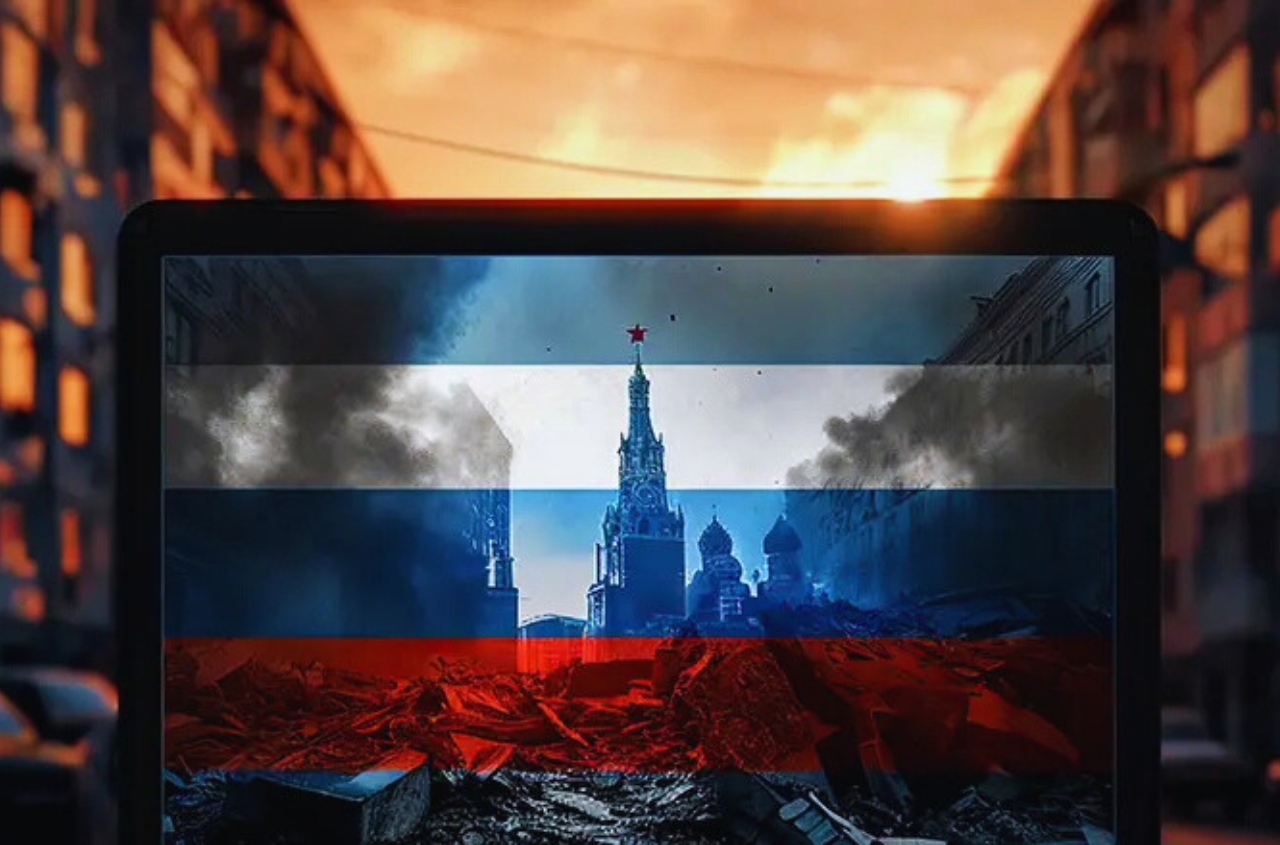

In 2025, the scale of foreign interference using artificial intelligence nearly tripled, as Russia and China fully integrated new technologies into their influence operations, as reported by TVPworld.
According to a report by the European External Action Service (EEAS), 540 cases of information manipulation and foreign interference (FIMI) were recorded last year. Of these, 147 incidents were directly linked to the use of AI, representing a sharp 259% increase compared to 2024.
The report emphasizes that Russian and Chinese actors have fully mastered AI tools, enabling them to dramatically accelerate content production and expand audience reach while using significantly fewer resources.
Ukraine was the primary target, with 112 incidents recorded, followed by France, Moldova, Germany, and the United States. Of all documented episodes, 29% were officially attributed to Russia, and 6% to China. In 65% of cases, the perpetrators could not be identified, but the report notes that a significant portion of this hidden infrastructure is also linked to Russian or Chinese influence networks. Identifying responsible parties is complicated because these operations involve more than 10,000 unique information channels and are deeply covert, concealing both operators and funding sources.
Social media remains the most effective means of reaching audiences, with 88% of all disinformation cases concentrated on Elon Musk’s platform X. Topics used by Russia and China ranged from military support for Ukraine to transatlantic relations. Ahead of elections, Russian interference efforts exploited internal problems in Western countries to deepen divisions and polarize societies. In Germany, the focus was on immigration, while in Poland anti-refugee sentiments were promoted.
Narratives also actively portrayed Ukraine as the instigator of terrorist attacks in Europe, especially during breaking news coverage, such as drone incidents or sabotage on Polish railways. EU experts conclude that in 2026 Russia’s activity in this area will only intensify, with strategically important regions of the Baltic Sea and the Arctic becoming new priority targets for destabilizing influence operations.