

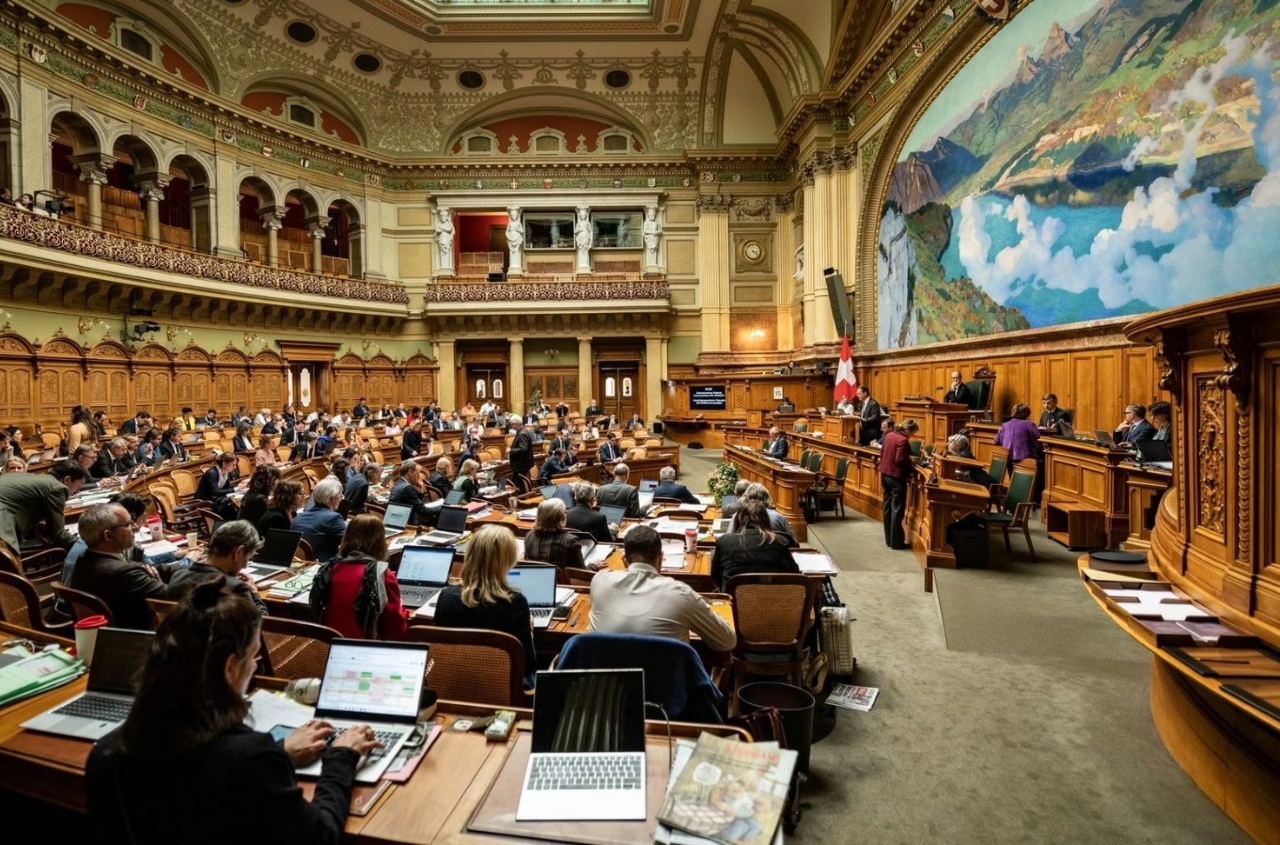
In the Swiss parliament, discussions about a possible lifting of sanctions against Russia have sharply intensified, driven by Europe’s energy crisis and political pressure from far-right forces, according to the Robert Lansing Institute.
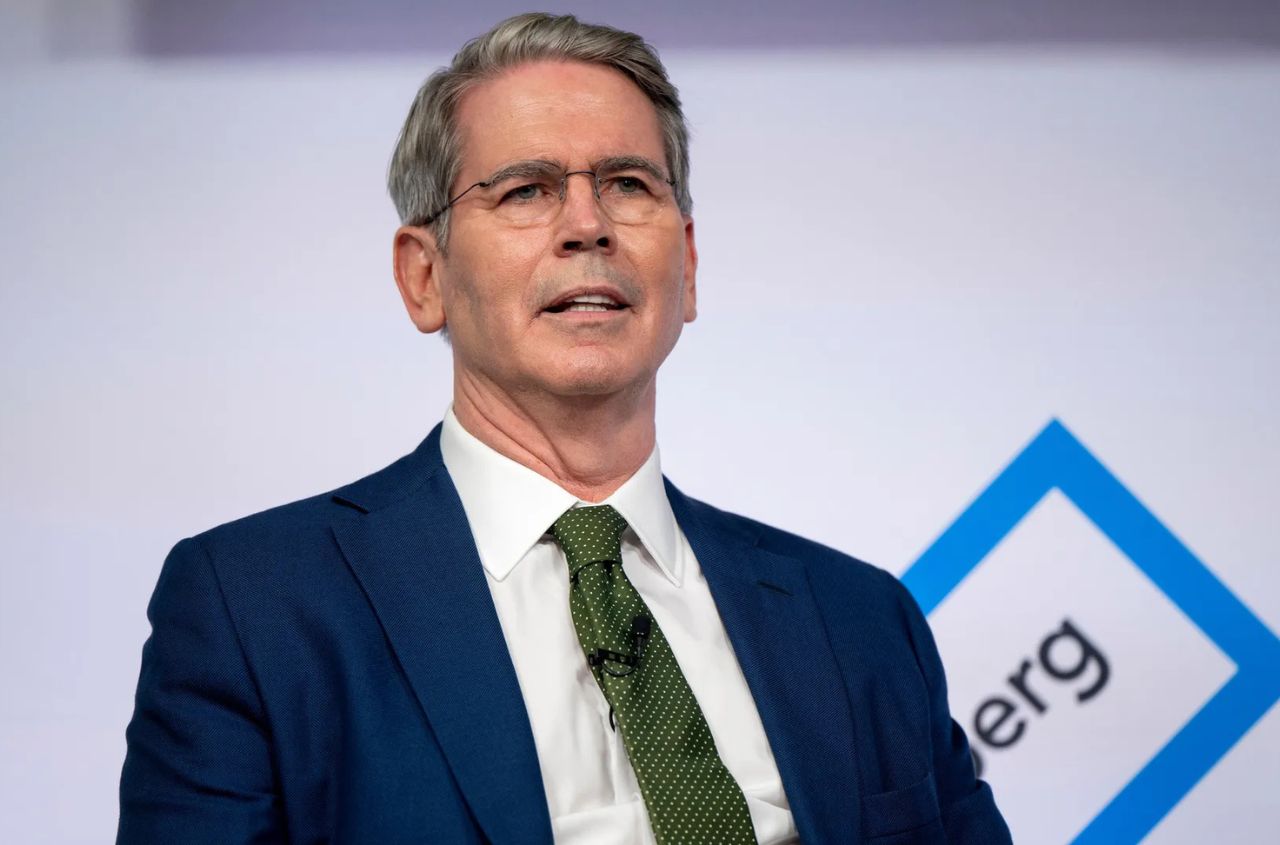
A key proponent of revising the sanctions policy is Jean-Luc Addor, representing the Swiss People’s Party (SVP). According to him, such a move is dictated by the need to protect national interests and ensure the country’s freedom in choosing energy sources. Addor insists that the interests of Swiss households and businesses should take priority over strict alignment with the policies of the EU and the United States, and he describes the sanctions on Russia as incompatible with Switzerland’s traditional neutrality.
Historically, Switzerland, while not an EU member, has synchronized its actions with Brussels, serving as an important financial center and a “anchor” for Europe’s sanctions policy. However, the current split within the Swiss elite creates a dangerous precedent. Analysts warn that if the country begins to deviate from the collective approach under the pretext of protecting domestic consumers, it could undermine the effectiveness of the entire pressure system on Moscow. Energy-related pressure acts as a catalyst: rising fuel and electricity prices become a political lever for right-wing populist forces, which turn economic stress into “sanctions fatigue.”
For the Kremlin, such debates offer enormous strategic benefits, analysts note. Even the mere emergence of discussions about lifting restrictions allows Russian propaganda to promote a narrative of Western disunity and the ineffectiveness of sanctions. Any easing of restrictions would immediately restore Russia’s access to financial flows, credit, and technology, directly expanding its resource base to continue the war. Ukraine risks losing part of its international solidarity and stable diplomatic support precisely when it is critically needed for defense.
The reputational risks for Switzerland itself are also extremely high. In European capitals, abandoning sanctions would be seen not as neutrality but as an unwillingness to share responsibility for collective security. Instead of being seen as a responsible state upholding international law, Switzerland could gain a reputation as an opportunist, ready to make concessions for short-term gain. Experts emphasize that sanctions remain effective only as long as they are coordinated. Any unilateral withdrawal from this system triggers a domino effect, giving other hesitant EU countries grounds to demand exceptions for themselves.
The Robert Lansing Institute notes that the position of Jean-Luc Addor and the SVP is largely shaped by a domestic ideology of strict sovereignty and resistance to Brussels’ supranational influence. While no direct ties between Addor and Russia have been found, his rhetoric that sanctions harm Europe more than Moscow objectively aligns with Kremlin interests. Thus, domestic political struggles in Switzerland are escalating into a global challenge for European security: at stake is not only gas prices for the Swiss, but the stability of the entire international mechanism for deterring aggression.