

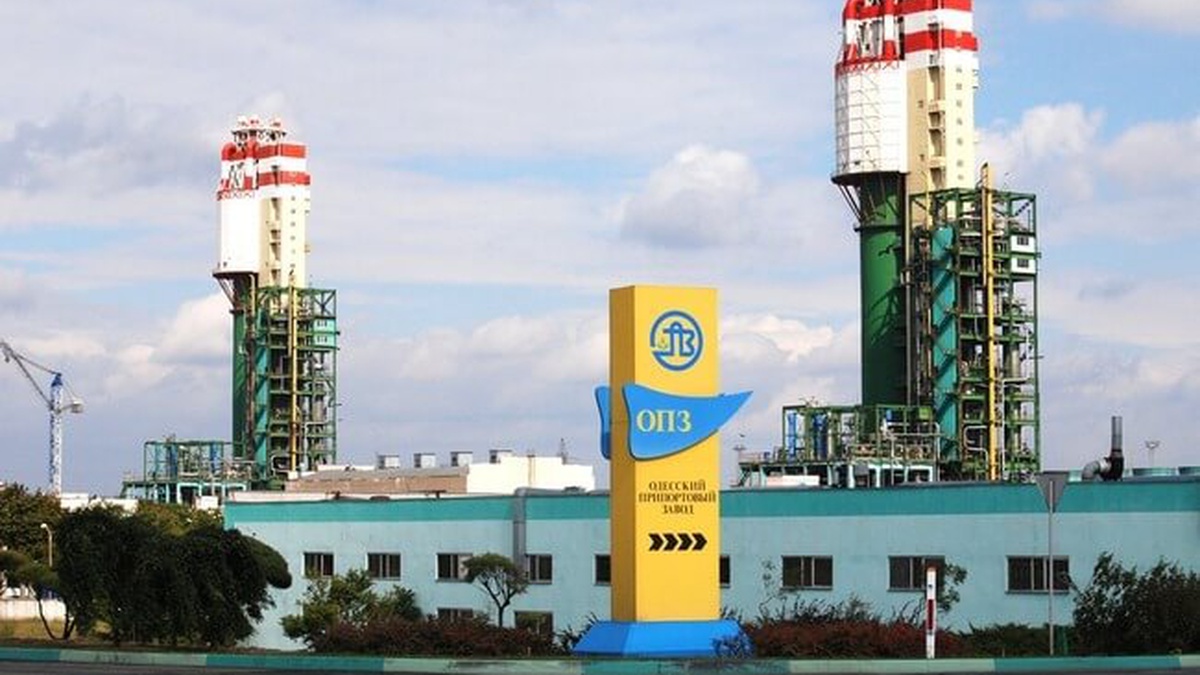

The escalation of the U.S.-Iran conflict and the blockade of the Strait of Hormuz have unexpectedly renewed international business interest in the privatization of the Odesa Port Plant (OPP). Four foreign companies from the United States, Asia and the Middle East are examining information about the enterprise.
“Oddly enough, the most positive signal came from the U.S.-Iran conflict. When the Strait of Hormuz was blocked, it turned out that about 30% of global ammonia supplies passed through it. The blockade of the strait created a shortage on the market, and the price of ammonia skyrocketed,” Dmytro Natalukha, head of the State Property Fund of Ukraine explained to RBC Ukraine.
In response, global producers of ammonia fertilizers began looking for ways to hedge their risks and turned their attention to the Ukrainian enterprise. According to the SPFU head, it was at that point that the fund recorded a noticeable surge in interest in the asset.
Four non-disclosure agreements have now been signed with different potential participants in the future auction. These are foreign companies that are receiving information about the enterprise under the terms of these agreements.
According to Natalukha, representatives of the investors have already visited the site to inspect the production facilities.
The head of the fund highlighted the contrast with the previous attempt to sell the plant. At that time, no non-disclosure agreements were signed, and only one Ukrainian party expressed interest, but ultimately did not even submit a bid.
Now, according to him, the fund is seeing interest from across the Atlantic, the Middle East and Asia.
The auction for the privatization of the OPP is scheduled for October 19. It is one of four major auctions that the SPFU plans to hold as part of its “month of large-scale privatization.”
In July, the Cabinet of Ministers reduced the OPP’s starting price by 4%, from UAH 4.488 billion to UAH 4.3 billion.
According to Natalukha, the reduction was not made manually but was based on a valuation.
The enterprise sustained several direct hits and suffered damage, which objectively affected its value. In effect, these are losses caused by Russia that a potential investor will now have to bear.