


Putin’s insistence on holding the May 9 Victory Day parade reflects his refusal to accept the reality that Ukraine has brought Putin’s war back to Russia.
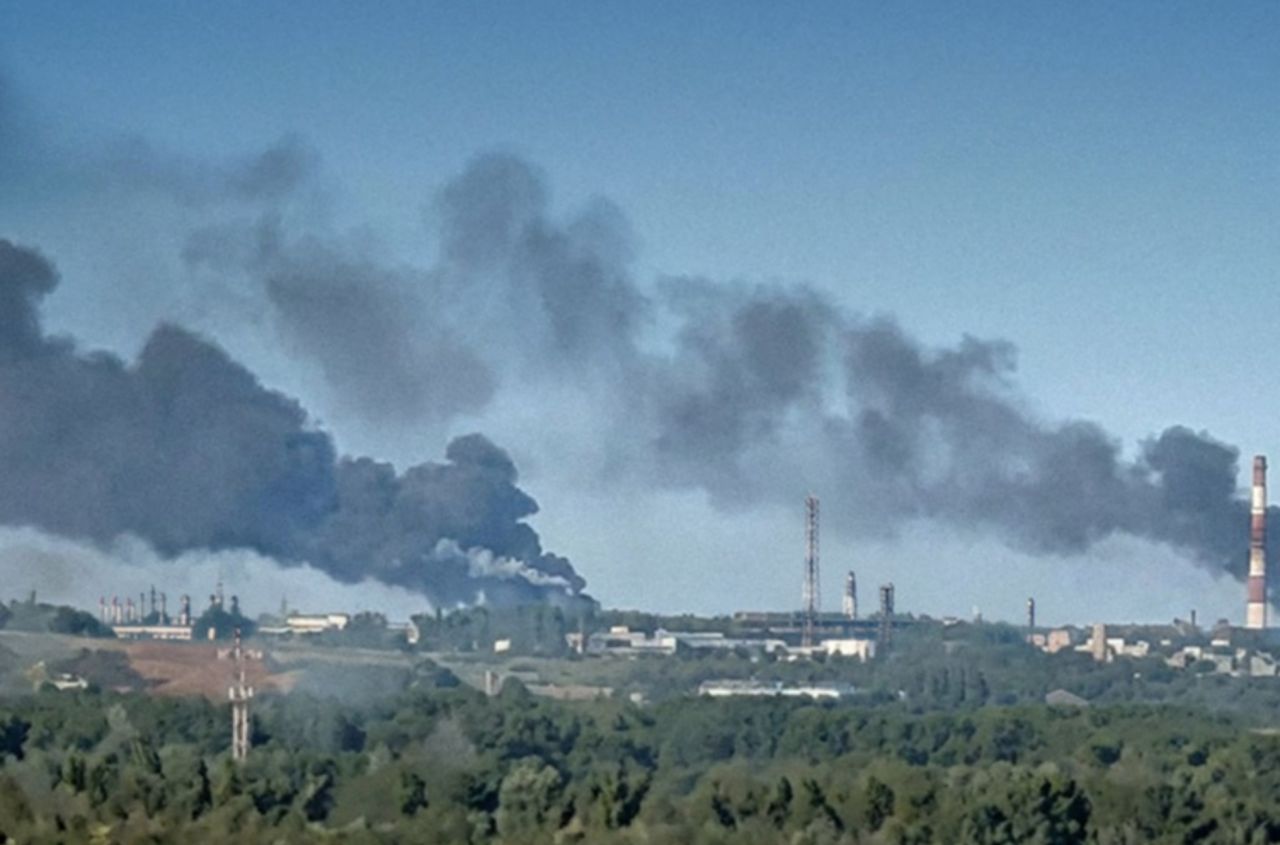
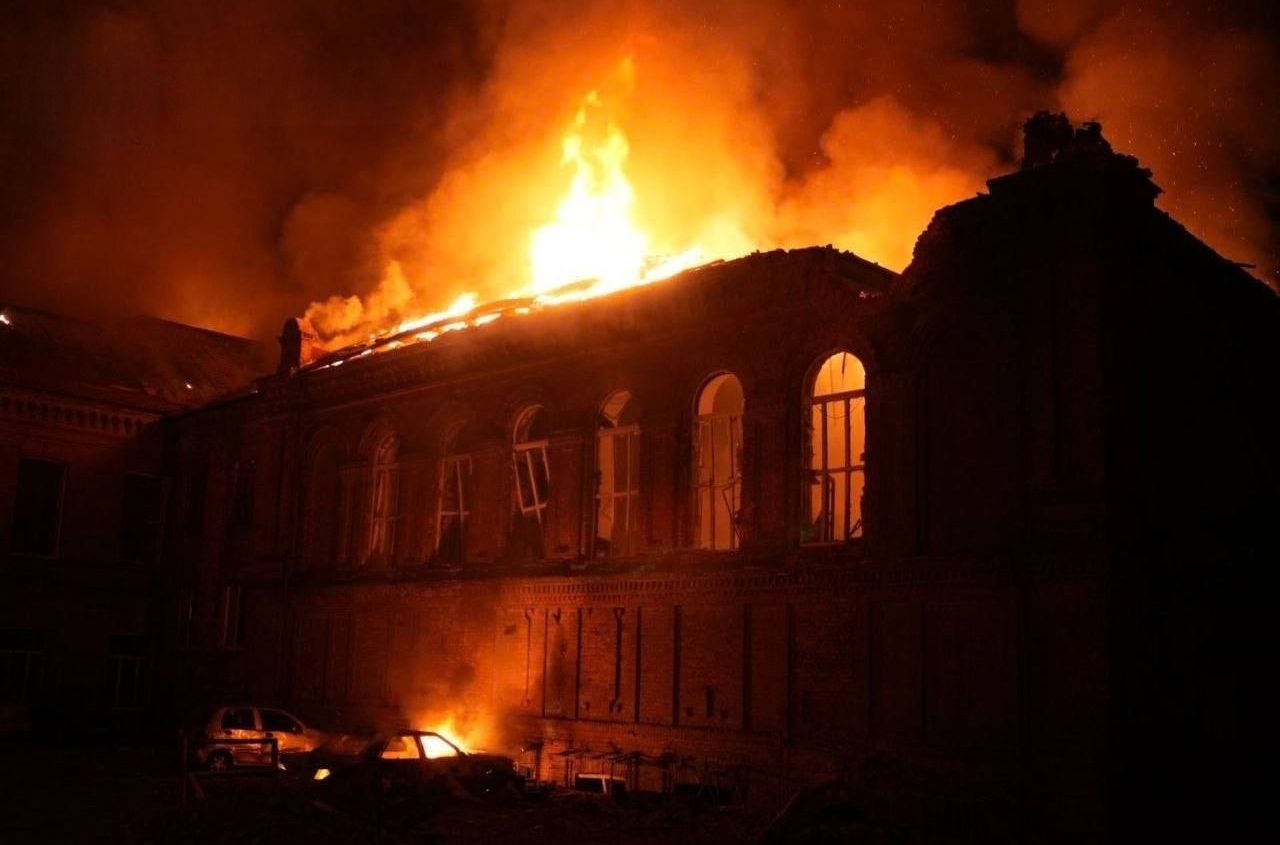
Ukrainian strikes continue to increasingly impact other areas deep within Russia. The Russian Federal Air Transport Agency (Rosaviatsiya) simultaneously closed airports in 15 Russian cities on May 5 and introduced restrictions at all four Moscow City airports.
The Khanty-Mansi Autonomous Okrug Governor Ruslan Kukharuk announced an airstrike alert for the okrug on May 5 — the first for the okrug after almost four years of war.
Khanty-Mansi Autonomous Okrug is over 2,000 kilometers from the international border with Ukraine. ISW has observed no evidence that Ukrainian forces attempted to strike targets in Khanty-Mansi Autonomous Okrug.
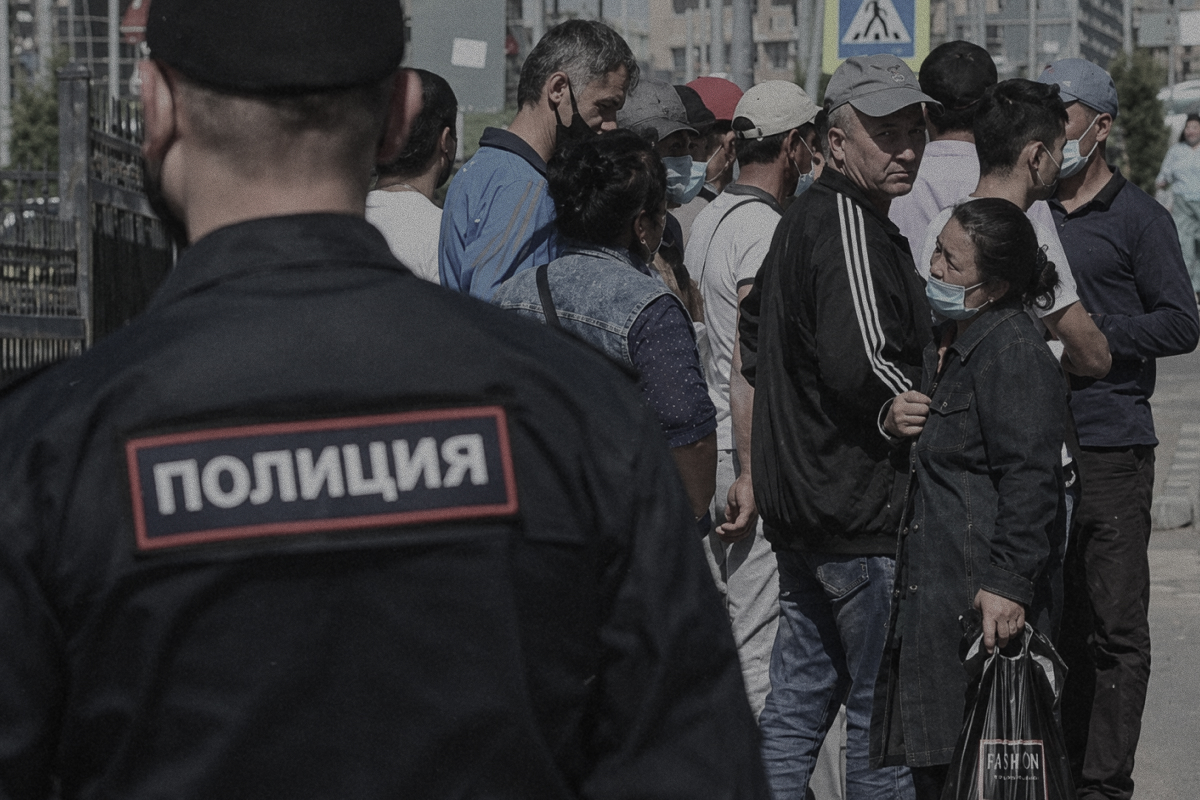
Russians are increasingly feeling the strain of the war effort after over four years of fighting as casualties approach one percent of Russia’s total population, Russians increasingly bear the financial cost of the war, and the Kremlin intensifies its censorship and mobile data restrictions.
Russian ultranationalist milbloggers, a component of Putin’s main constituency of Russian ultranationalists, are increasingly criticizing the Kremlin and even Putin himself for failing to recognize this reality.
A Russian milblogger criticized the Russian Ministry of Defense (MoD) for making its May 4 threat against Kyiv not due to Ukraine’s deep strike campaign against Russian military, defense industrial, and oil infrastructure but rather for the alleged threat against the May 9 Victory Day parade, accusing the MoD of prioritizing “vanity.”
The milblogger went on to claim that the Kremlin elected not to include military equipment in the Victory Day parade – the first such instance since 2007 — because the open-air storage lot where the Russian MoD always parks the equipment for the parade would be vulnerable to Ukrainian strikes.
Another milblogger called for Russia to better allocate its air defense assets and form regional air defense volunteer units amid Ukraine’s escalating strike campaign.
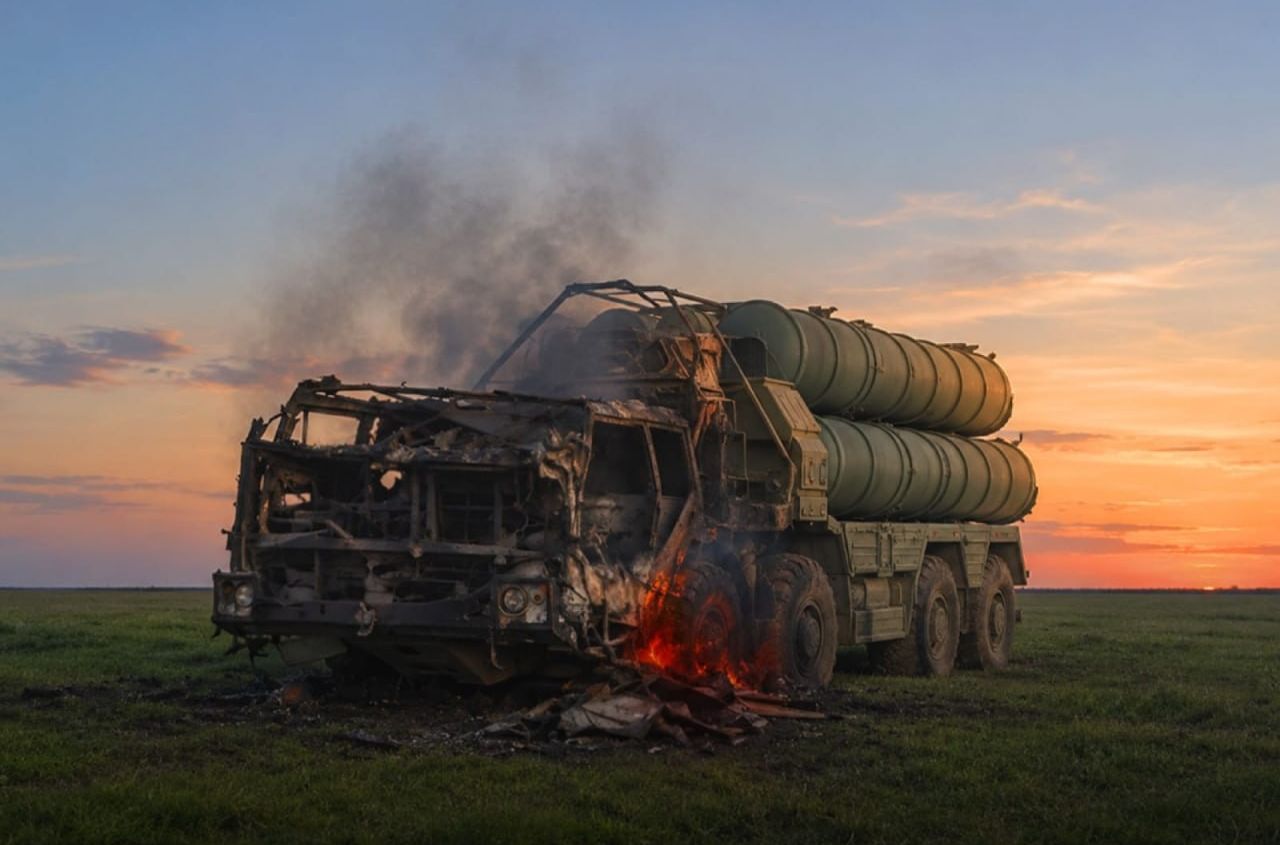
Ukraine’s intensified strike campaign has exploited the large attack surface of Russia’s deep rear and the wide footprint of Russia infrastructure, particularly defense industrial and oil infrastructure, forcing the Kremlin to make difficult decisions about how to allocate air defense assets. The Kremlin has largely failed to defend against Ukrainian strikes in recent weeks, however, suggesting that existing Russian mitigation efforts are insufficient to address the problems provoking ire in the Russian information space.
Putin is refusing to accept the reality of increasing Ukrainian strikes against major Russian cities in the deep rear, and Russians are increasingly bearing the costs of his war as a result.