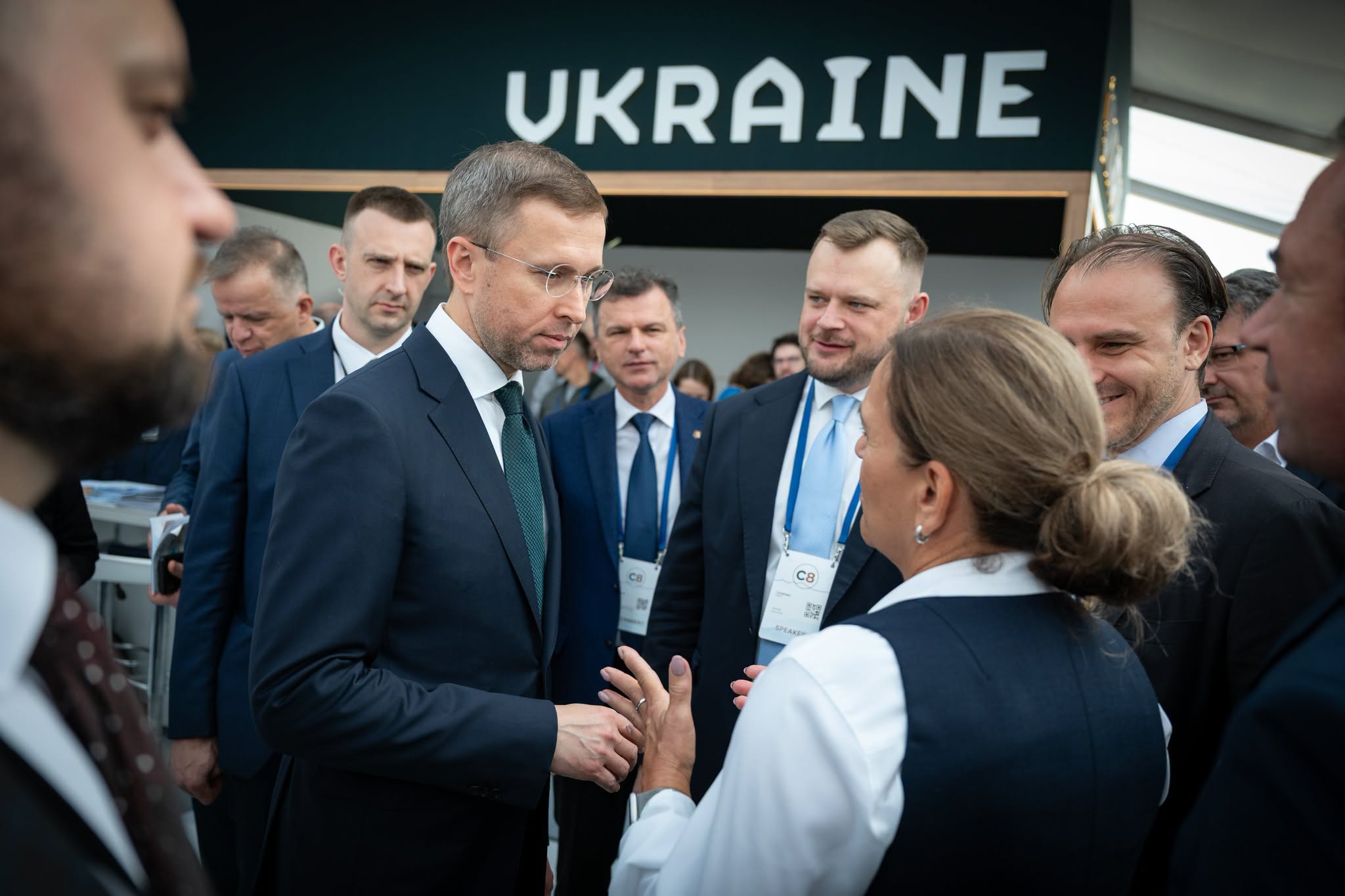


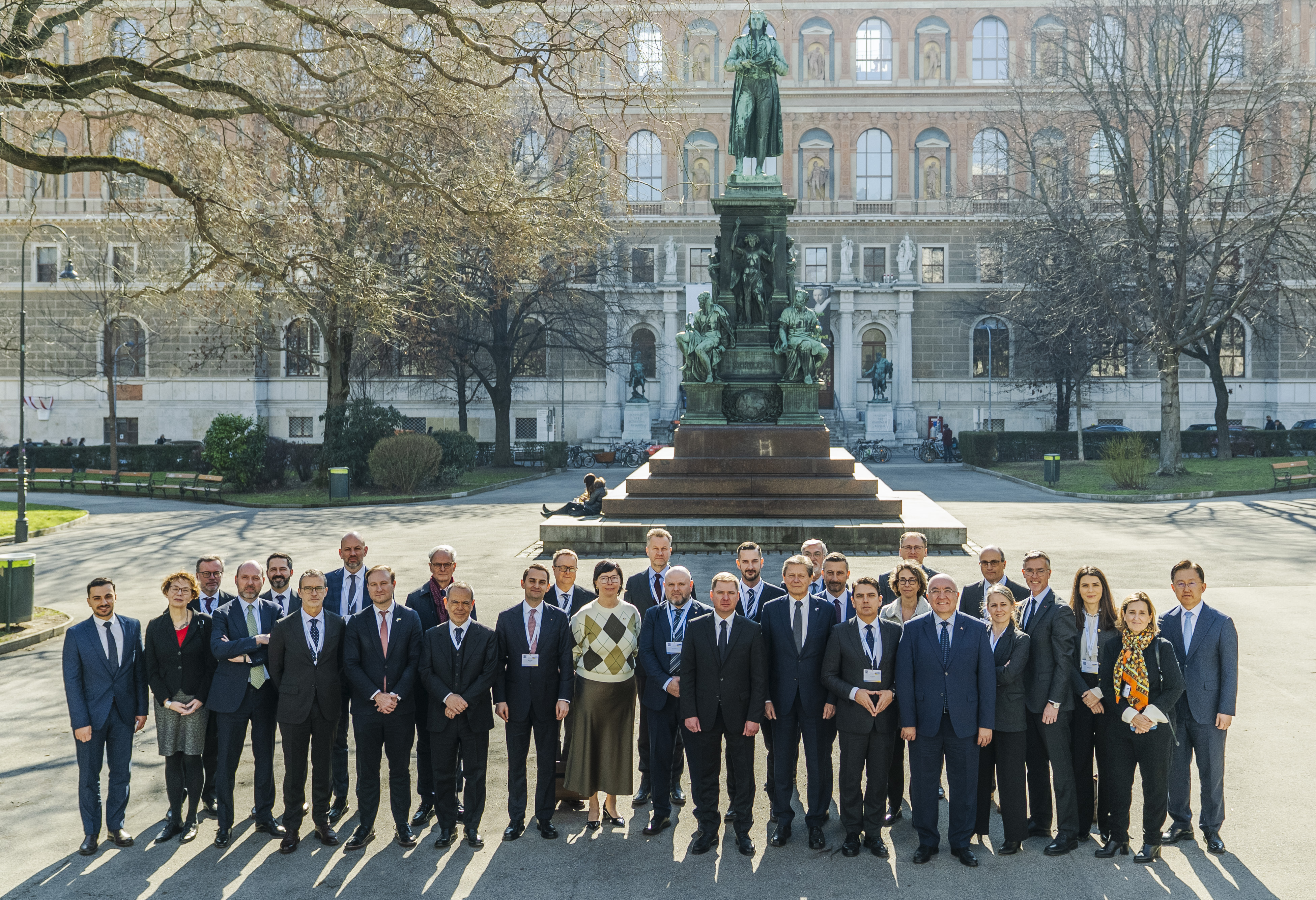
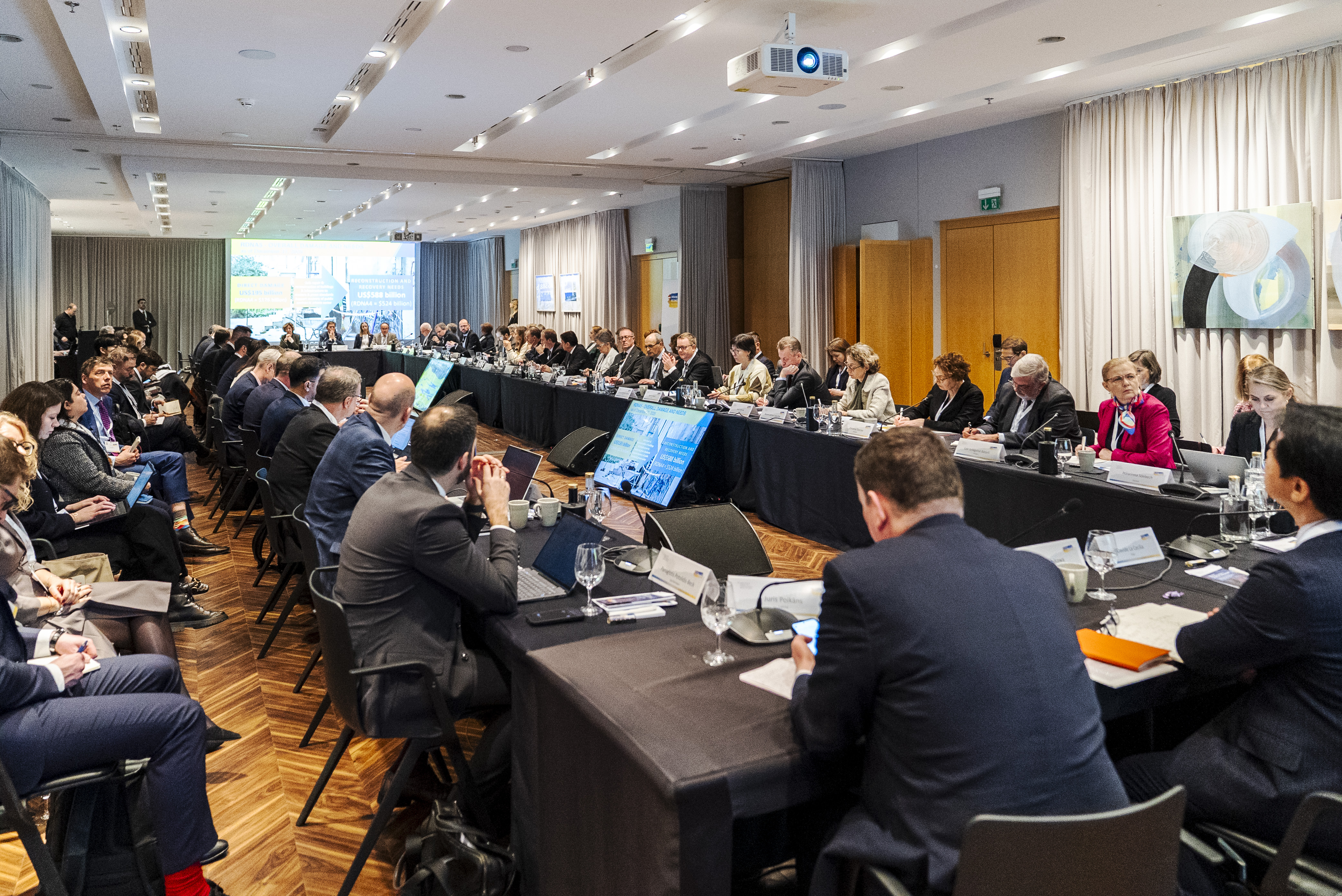
Ukrainian officials held high-level meetings in Austria on March 5, focusing on the country’s post-war reconstruction and economic recovery. The Ukrainian delegation was led by Deputy Ministers of Communities and Territories Development, Artem Rybchenko and Andriy Kashuba, following an initiative by Austria’s Federal Ministry for European and International Affairs and government coordinator Wolfgang Anzengruber.
Around 50 representatives from European countries, Canada, Japan, South Korea, Turkey, and international financial institutions—including the World Bank, the European Investment Bank, and the European Bank for Reconstruction and Development—took part. The discussions aimed to strengthen international coordination, explore financing mechanisms, and involve the private sector in reconstruction projects.
The Ukrainian delegation highlighted the scale of destruction caused by Russian aggression, citing the World Bank’s updated estimate of Ukraine’s recovery needs at approximately $588 billion. Rybchenko emphasized the critical role of international investment and technical expertise, particularly for restoring roads and key transport routes after a winter of severe energy infrastructure attacks and extreme cold.
“Ukraine has endured the harshest winter since Russia’s full-scale invasion. Beyond energy, extreme cold damaged roads essential for logistics and national security. Mobilizing international support is crucial to maintain and rebuild this infrastructure,” Rybchenko said.
Preparatory work was also conducted for the upcoming Ukrainian-Austrian Mixed Commission on trade and economic relations. Rybchenko and Kashuba held meetings with Austrian ministry officials and private sector representatives to discuss strategic development of the Danube region, water management, navigation, and investment opportunities in port infrastructure, including public-private partnerships.
Kashuba thanked Austria for its support within the Danube Commission, particularly regarding the creation of a registry of damages in the Lower Danube caused by Russian aggression and the EU’s coordinated stance on sanctions and “shadow fleet” issues at the International Maritime Organization.
“Despite the war, Ukraine continues to operate its sea and Danube ports, ensuring exports. Our goal is to make these routes resilient, energy-independent, and secure, and to develop the Danube cluster as a reliable logistics corridor. We see significant potential for joint investment and look forward to active participation from Austrian companies,” Kashuba said.
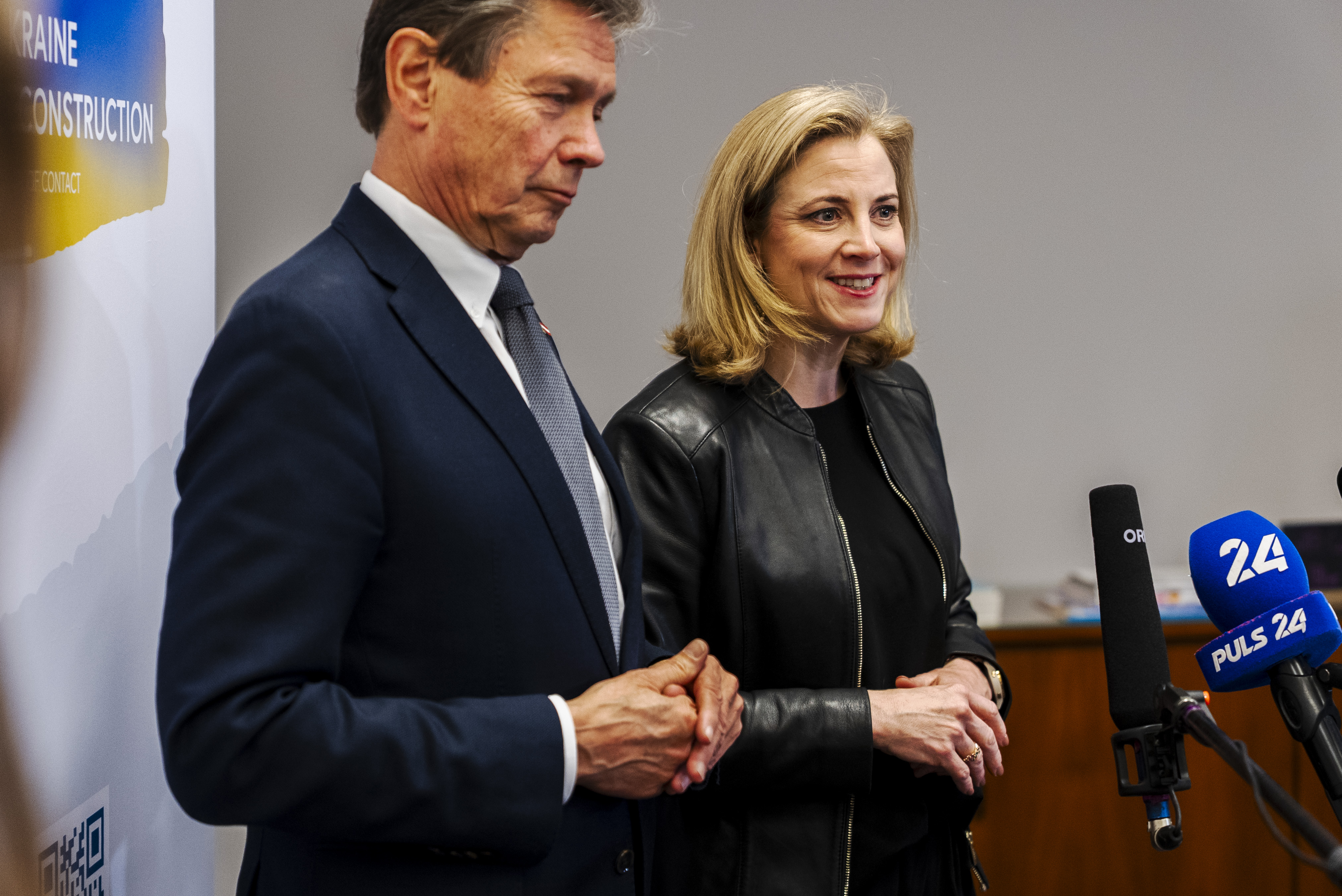
Austrian Foreign Minister Beate Meinl-Reisinger noted that Austrian businesses are keen to support Ukraine’s recovery, viewing it not only as an act of solidarity but also as a long-term investment in European stability and economic growth.