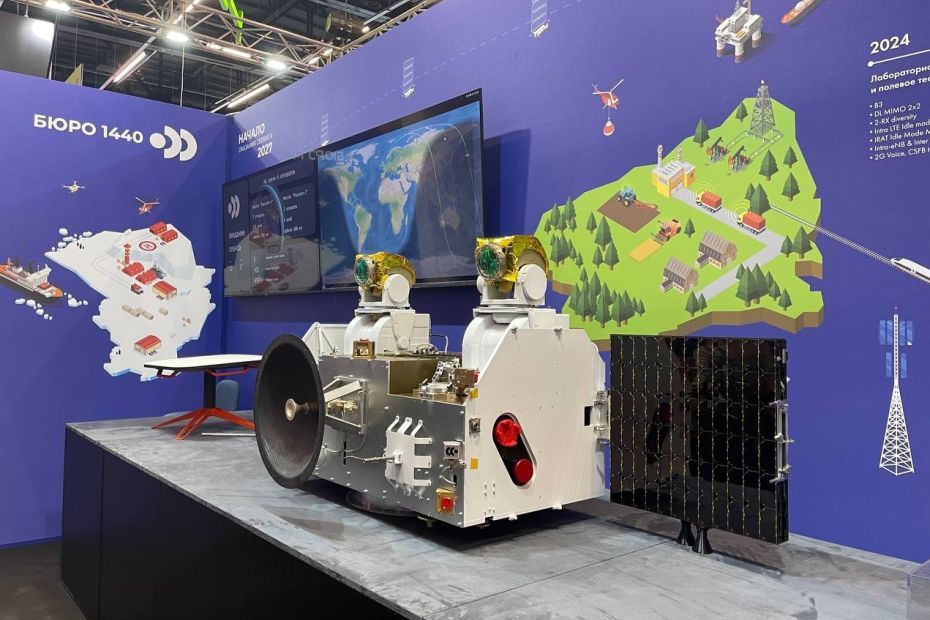

In March 2025, Russia launched the first 16 operational satellites of the "Rassvet" constellation – a project that state propaganda immediately proclaimed as a response to Elon Musk’s Starlink. The project is backed by LLC "Bureau 1440," a subsidiary of "X Holding." Officially, 102 billion rubles from the federal budget are allocated for the development of the constellation as part of the national "Data Economy" project. Another 329 billion rubles are supposed to come from the company itself – yet there is no evidence that these “own funds” actually exist.
"X Holding" is less a technology group than a personnel reserve for the FSB. The first deputy CEO of the holding is 29-year-old Boris Korolyov, son of FSB deputy director Sergey Korolyov, who is already being predicted for the agency's top position. Korolyov Jr. got the post at age 27 in 2023, when the “very timely” death of the official owner of the holding, Anton Cherepennikov, occurred at age 40. The official cause of death was an overdose.
Cherepennikov was long considered the nominal owner by the market, while the real beneficiary was said to be oligarch Alisher Usmanov. After the founder’s death, shares were redistributed among managing partners, including companies in which Korolyov Jr. already had stakes. Simultaneously, another key figure appeared in the holding: 76-year-old FSB Colonel-General Andriy Fetisov, former head of the agency’s scientific and technical unit responsible for special equipment and encryption, became an advisor to the CEO. His son Maksim was appointed head of the procurement department, essentially deciding what surveillance equipment the agency buys from its own holding and at what price.
The portfolio of "X Holding" is telling: it includes "Citadel," a developer of SORM systems – equipment for monitoring and intercepting traffic, installed at all telecom operators under the Yarovaya Law. The holding also supplies technical threat countermeasure equipment (TZPZ), used by Roskomnadzor to block Telegram, WhatsApp, and other services. Russia allocated about 80 billion rubles for implementing TZPZ. Now, the same structure is “entrusted” with another 102 billion rubles for satellite internet.
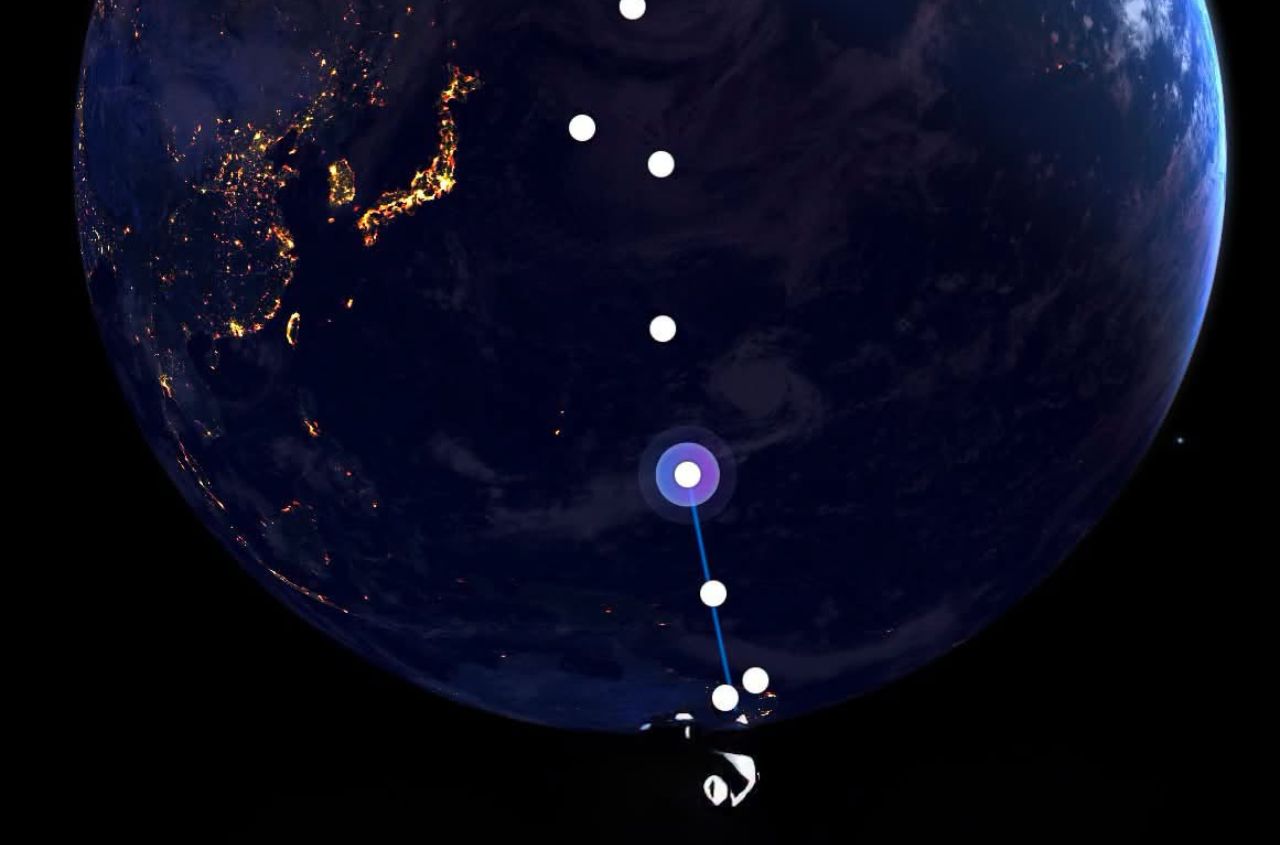
The scale of Bureau 1440’s ambitions versus reality is clear from simple numbers. By 2030, the "Rassvet" constellation is supposed to have 292 satellites, and by 2035 – 383. Starlink already maintains over 10,000 devices in orbit. The density of SpaceX’s constellation allows at least one satellite to be constantly visible at a 15-degree angle – enabling miniaturization and lowering terminal costs to $350–$600 per device. Bureau 1440’s experimental terminals used phased array Kymeta U8 antennas from Israel, costing about $25,000 each. Even if Russia manages to launch the planned number of satellites – which is highly unlikely – the terminal problem remains unsolved. No mass-produced, affordable terminal exists for such a sparse constellation.
Russia has already gone through this scenario. “National search engine,” “iPhone killer,” “domestic Rolls-Royce” – each of these projects initially received budget funding, propagandistic coverage, and a set completion date that kept being postponed. Eventually, the projects were quietly closed. Bureau 1440 shows all the same signs: opaque ownership, FSB personnel, unreachable deadlines, and a chasm between declared and actual capabilities.
The project, which was supposed to provide satellite internet for the whole country, serves a completely different purpose – ensuring a steady cash flow for structures long accustomed to converting state priorities into private profit.