

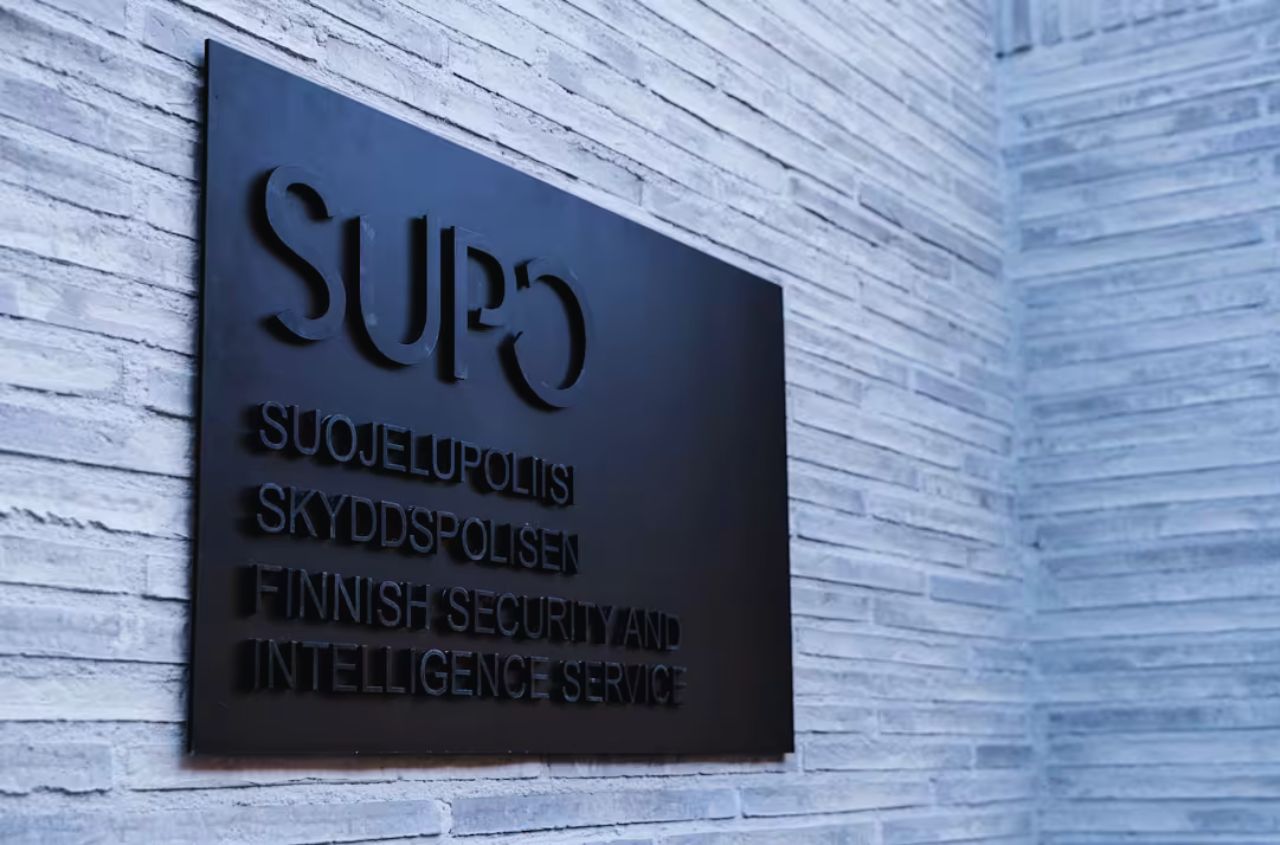

In Finland, espionage by authoritarian states targeting current and former citizens has become a constant and concerning phenomenon. According to the Finnish Security and Intelligence Service (Supo), foreign governments actively collect information on individuals living abroad to monitor and control their activities, according to Yle.
The main goal of this practice is to track the actions of individuals or entire groups, often affiliated with political opposition movements in their countries of origin, and to silence them. Intelligence officials emphasize that such activity requires decisive countermeasures, and multiple countries are involved in Finland. Russia and China are recognized as the most significant actors in this field, with China paying particular attention to surveillance of the Uyghur minority.
Despite the seriousness of the situation, gathering such intelligence is currently not illegal in Finland. Supo has been advocating since 2012 for criminalizing this practice to gain legal tools to counter foreign interference.
Alongside the Chinese threat, Russian methods have drawn attention. Russian agents, operating under cover as so-called “illegals,” live for years within Finnish society, remaining in plain sight while concealing their ties to a foreign state. This makes Finland effectively a battlefield for foreign intelligence services.
Meanwhile, domestic debates over migrant integration are intensifying. Teachers’ unions accuse the government of undermining immigrants’ interest in learning Finnish, amid plans to cut integration funding by €47 million. Of this, €7 million is set to be removed from adult literacy courses. The OECD’s 2025 report highlights that insufficient language skills remain the main obstacle to employment for foreigners. Statistics underline the severity of the problem: in 2021, less than half of working-age immigrants reported fluency in Finnish or Swedish—a far lower rate compared to other Nordic countries.
On the international stage, Finland continues to demonstrate commitment to its alliance obligations. President Alexander Stubb visited London earlier this week, meeting with King Charles III and holding talks with Ukrainian President Volodymyr Zelensky and UK Prime Minister Keir Starmer. Stubb stressed that maintaining constant contact with friends and allies is vital in challenging times. European partners reaffirmed their determination to continue supporting Ukraine, even as the United States has partially eased sanctions on Russia in an effort to prevent a sharp rise in global oil prices.