

The European Investment Bank is interested in supporting the development of irrigation systems and biomethane production in Ukraine.
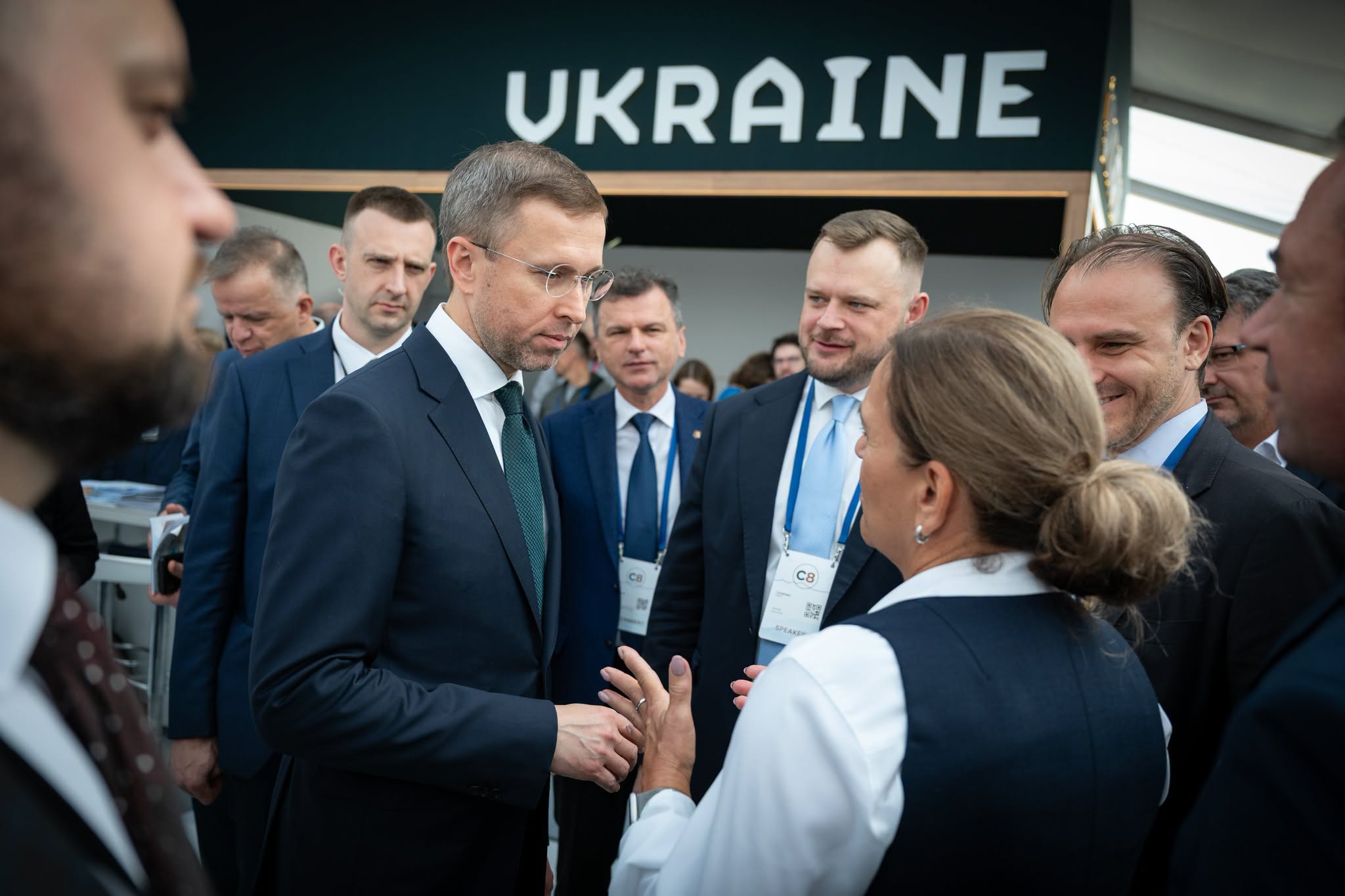
The development of irrigation and drainage systems, the implementation of investment projects in land reclamation and water resource management, and the execution of the Irrigation and Drainage Strategy up to 2030 were key topics of a meeting between representatives of the Ministry of Economy, Environment and Agriculture of Ukraine and the European Investment Bank.
The parties also discussed priority needs for the modernization of reclamation infrastructure and the development of a sustainable biomethane market. This will help Ukraine’s agricultural sector adapt to climate change and integrate into the EU market.
Deputy Minister of Economy, Environment and Agriculture of Ukraine Iryna Ovcharenko drew the Bank representatives’ attention to the need for a comprehensive technical audit and certification of reclamation systems.
“To develop effective solutions, it is necessary to assess the actual condition of the reclamation infrastructure, carry out an inventory of systems, and identify priority facilities for restoration. We need to move from isolated solutions to a systemic approach in managing land reclamation and water resources. This requires a high-quality technical audit, certification of reclamation systems, and a clear understanding of priority investment projects,” Iryna Ovcharenko noted.
Participants also discussed the need to coordinate actions with international partners, in particular regarding the synchronization of further steps with projects already being developed by the World Bank.
Separately, the possibility of implementing large-scale projects related to the Danube basin and water infrastructure in the southern regions of Ukraine was discussed. Among potential initiatives, the issue of clearing certain water bodies of strategic importance for water supply in the Bessarabian region was considered.
The Ministry of Economy has already developed a draft order on the certification of reclamation systems, and preparations are underway for their large-scale inventory. This work is intended to become the basis for forming a comprehensive plan for the modernization of Ukraine’s reclamation infrastructure.
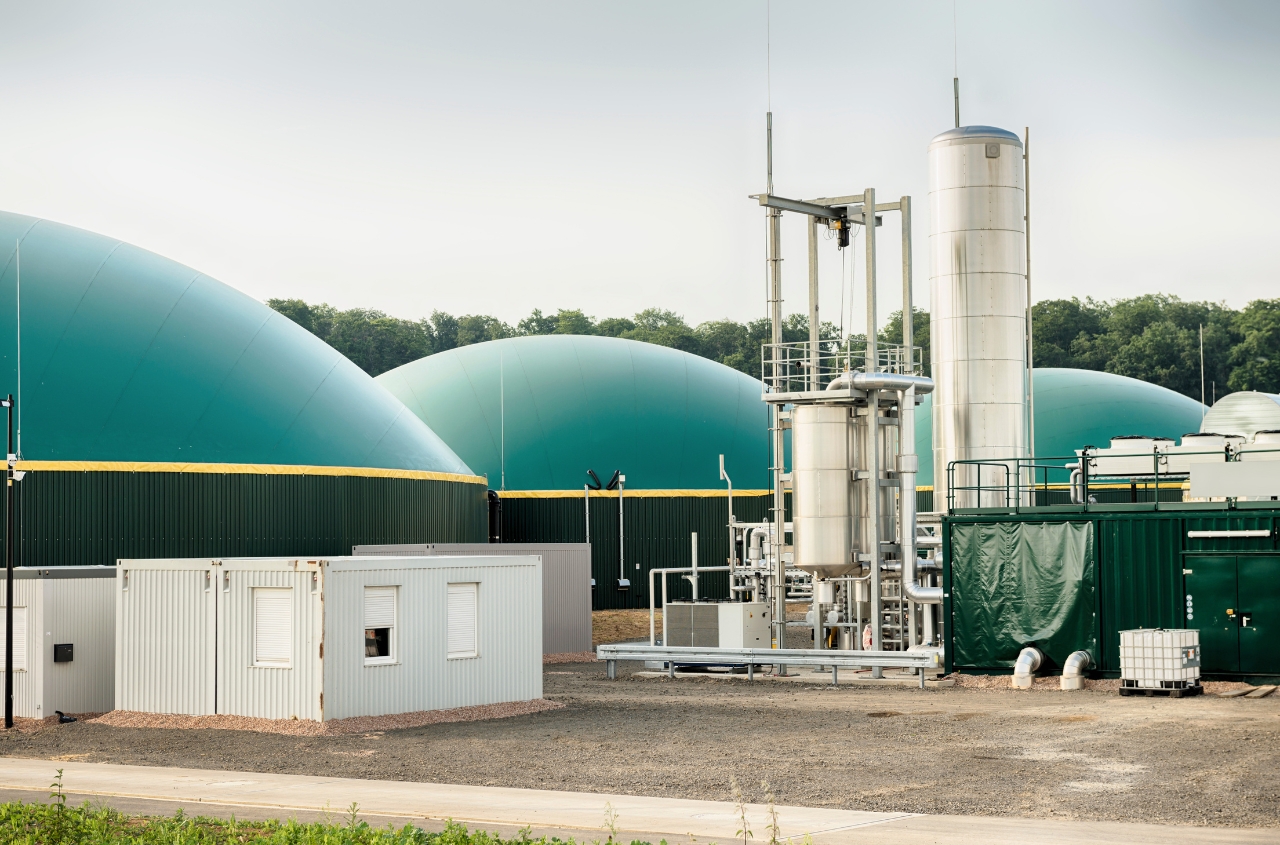
For his part, Deputy Minister of Economy, Environment and Agriculture of Ukraine Taras Vysotskyi stressed that exports to the EU should become the main driver of the biomethane market’s development. In particular, Ukrainian private companies exported over 11.2 million cubic meters of self-produced biomethane through Ukraine’s gas transmission system in 2025 for the first time.
“Ukraine has significant potential to produce biomethane from agricultural waste, livestock residues, straw, and sugar beet, which meets European requirements for ‘green’ fuel. Ukraine plans to end 2026 with production of around 150 million cubic meters of biomethane, and a realistic target by 2030 is to increase volumes to 500 million cubic meters,” Taras Vysotskyi said.
He identified integration into the European certification system and the creation of the necessary technical database as key challenges.
Following the meeting, the parties agreed to continue coordination and further development of priority areas of cooperation in the fields of land reclamation, water resource management, sustainable agricultural infrastructure, and the biomethane sector.