

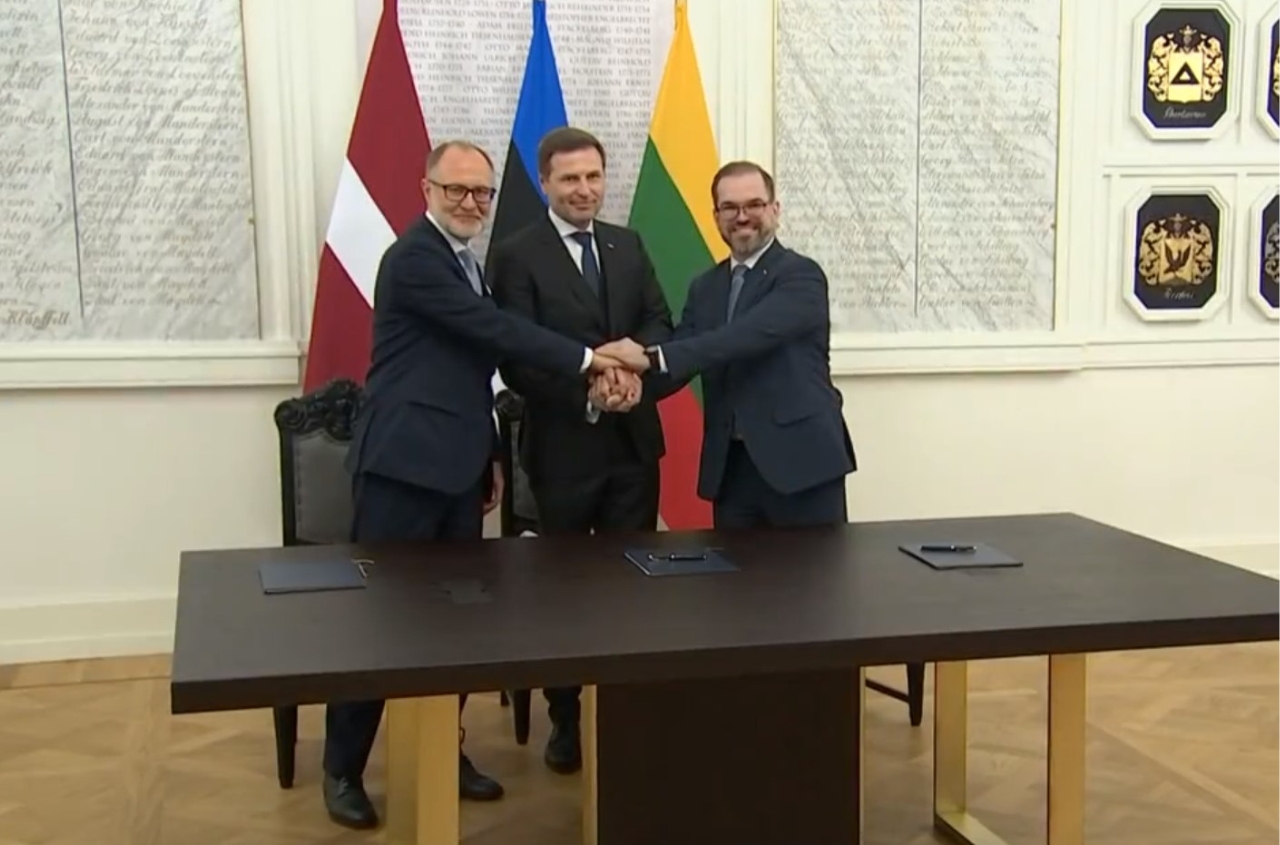

The Baltic countries have agreed to create a unified military mobility space, designed to radically simplify troop movements and strengthen the defense of NATO’s eastern flank, according to ERR.
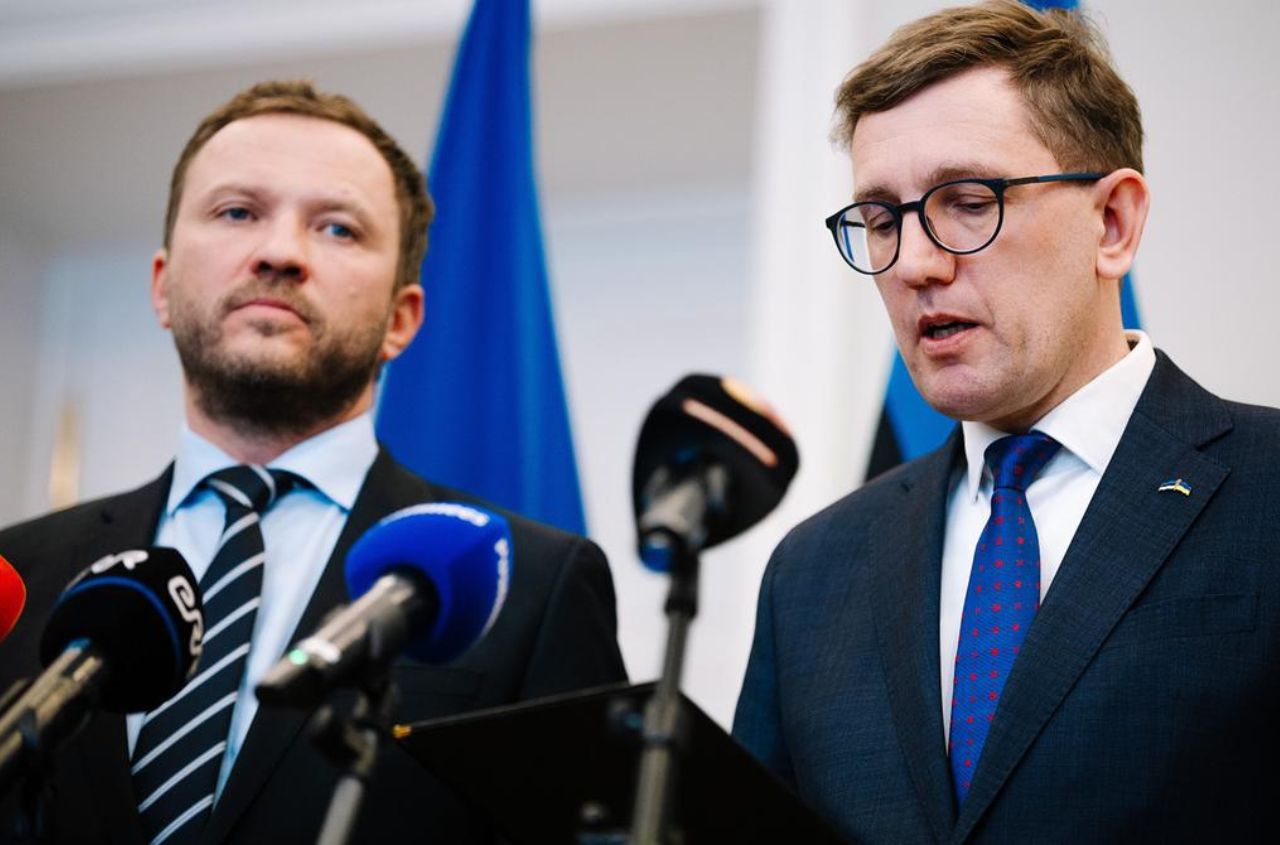
The relevant agreement was signed in Tallinn on January 30 by the defense ministers of Estonia, Latvia, and Lithuania. The new initiative, often referred to as a “military Schengen,” aims to remove bureaucratic barriers that hinder the rapid deployment of forces and equipment in crisis situations.
Estonian Defense Minister Hanno Pevkur explained that the main goal of the agreement is to minimize paperwork for joint procurement, weapons transfers, and troop movements. He noted that, until now, even routine trips for exercises to neighboring Latvia required a huge amount of documentation. Going forward, the parties intend to make such procedures virtually disappear or as streamlined as possible. Launched under NATO coordination in 2023, the project is expected to eventually cover the entire territory of Europe, ensuring unobstructed maneuvering of alliance forces.
Lithuanian Defense Minister Robertas Kaušas emphasized the strategic significance of the agreement, noting that, if necessary, Lithuanian equipment could move to defend Riga without delay, while Estonian artillery could support Vilnius. In a real threat scenario, every hour counts, and administrative borders must not reduce deterrence capabilities.
Latvian Defense Minister Andris Sprūds added that the Baltic countries are setting an example for the entire alliance, investing around 5% of their GDP in defense and demonstrating their willingness to make a substantial contribution to collective security.
The meeting also discussed future cooperation with the United States amid a new American defense strategy that foresees a reduced U.S. role in European security. Currently, each Baltic republic hosts a U.S. battalion, and regional leaders are determined to maintain these relationships. Hanno Pevkur noted that global political dynamics are changing rapidly, with many decisions being reconsidered, so the Baltic countries must continually work to strengthen ties with key allies while simultaneously developing their own autonomous defense capabilities.