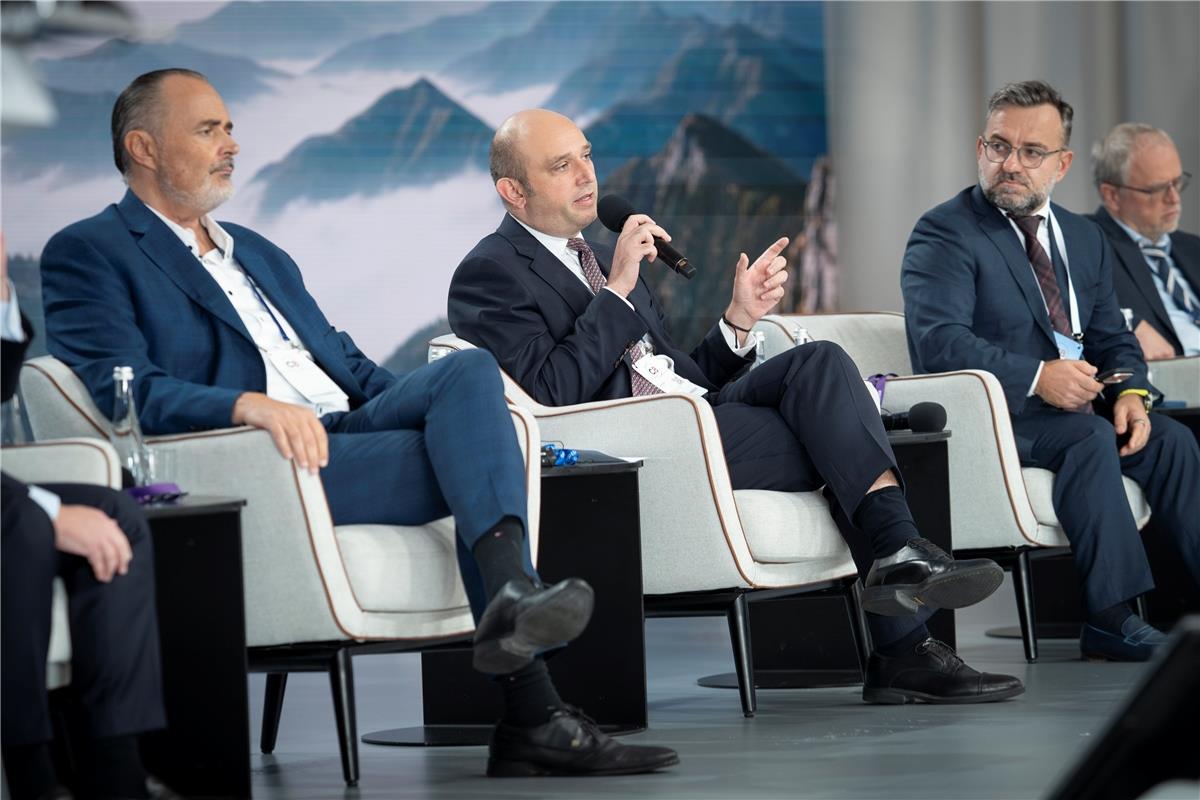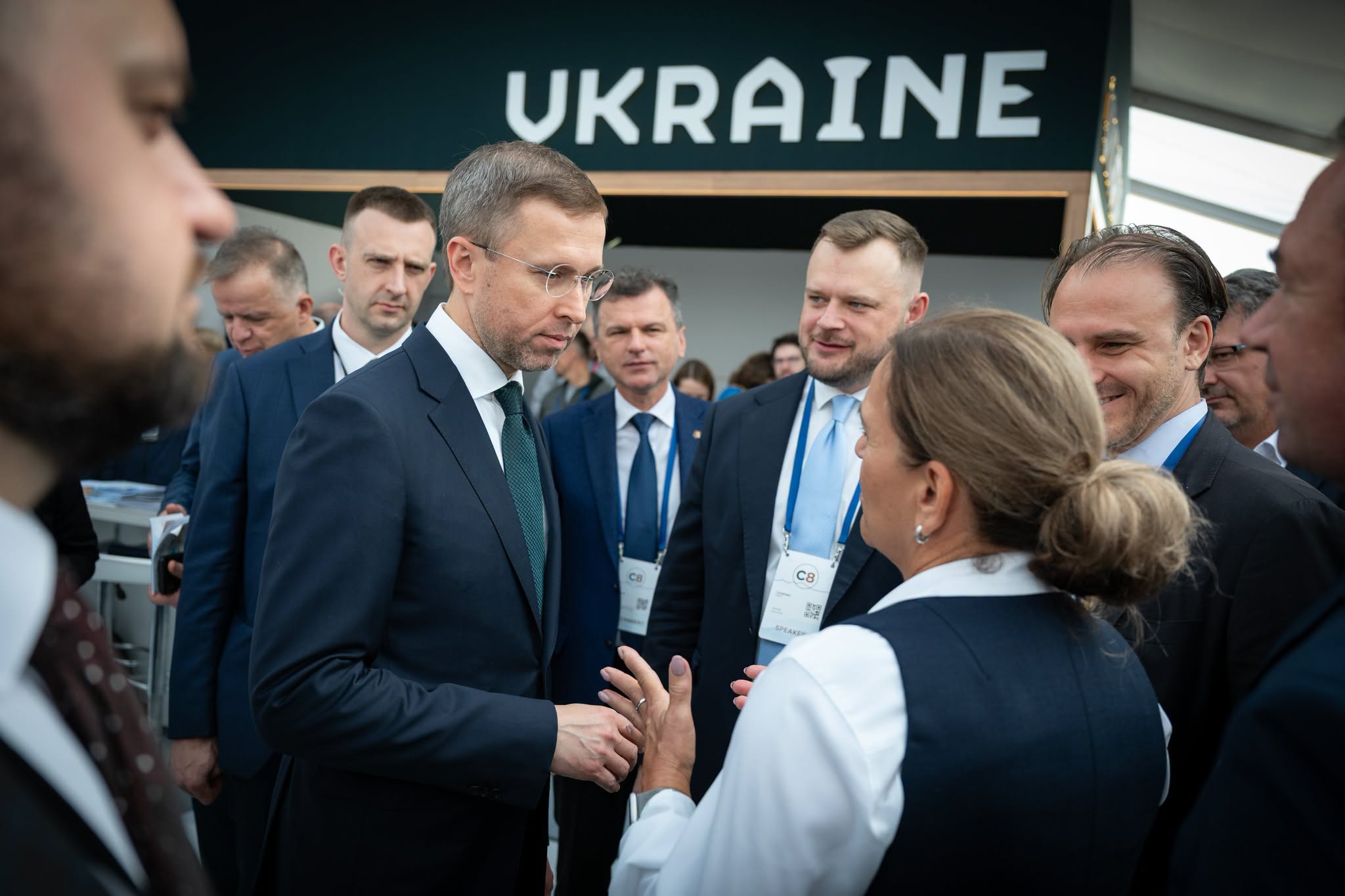


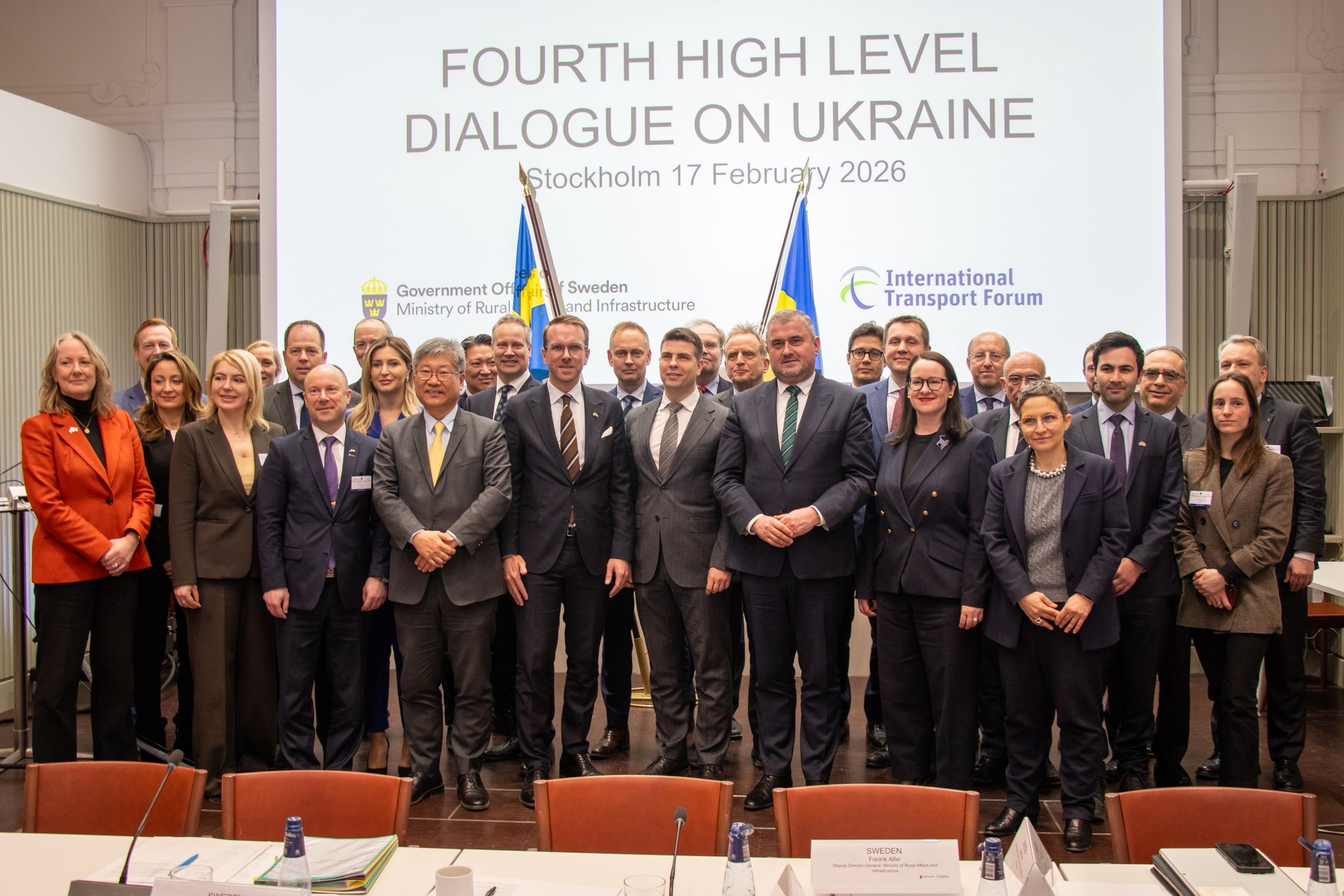
On February 16–17, 2026, the Fourth High-Level Dialogue on Transport in Ukraine was held in Stockholm. Representatives from over 20 countries and international organizations participated, including relevant transport and infrastructure ministers.
The event was organized by the Government of Sweden together with the International Transport Forum (ITF) as part of the activities of the Collective Interest Group for Ukraine (CIG4U).
A key outcome of the Dialogue was the signing of an agreement to establish the Ukraine Transport Support Fund. The agreement was signed by Ukraine, Sweden, Lithuania, and Canada. Swedish Prime Minister Ulf Kristersson also joined the Dialogue.
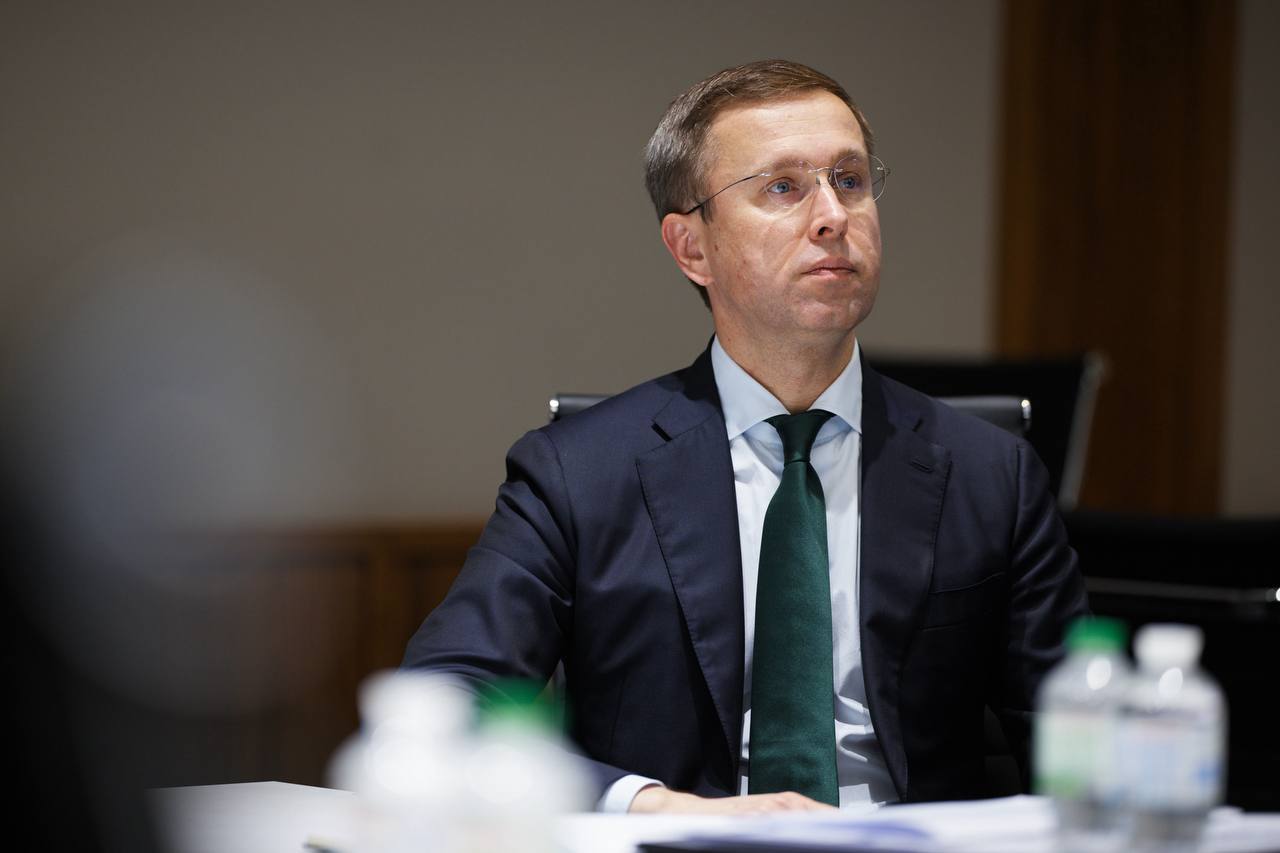
Ukraine’s Vice Prime Minister for Recovery and Minister for Communities and Territories Development, Oleksiy Kuleba, attended the event, delivered a welcoming address, and signed the agreement on behalf of Ukraine.
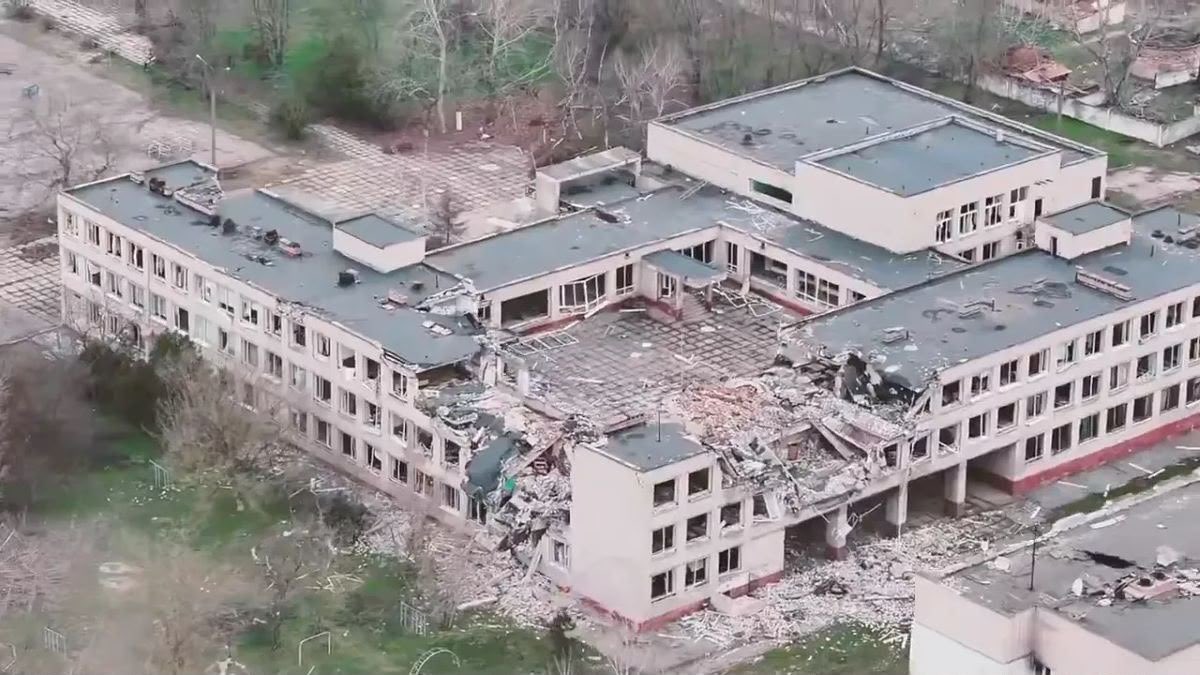
“Transport infrastructure is deliberately targeted by the enemy. Since the start of the full-scale invasion, more than 4,700 attacks have been recorded on railways alone, and tens of thousands of attacks have targeted transport infrastructure overall. Russia systematically attempts to paralyze transport, just as it attacks energy, water, and heating systems. This is deliberate terror against civilian logistics and people. Yet, despite the attacks, transport continues to operate. That is why it is important to create conditions that allow us to quickly implement recovery and development projects in the transport sector. I am grateful to our partners from Sweden, Lithuania, Canada, and the International Transport Forum for their readiness to establish this mechanism through a specialized fund,” said Oleksiy Kuleba.
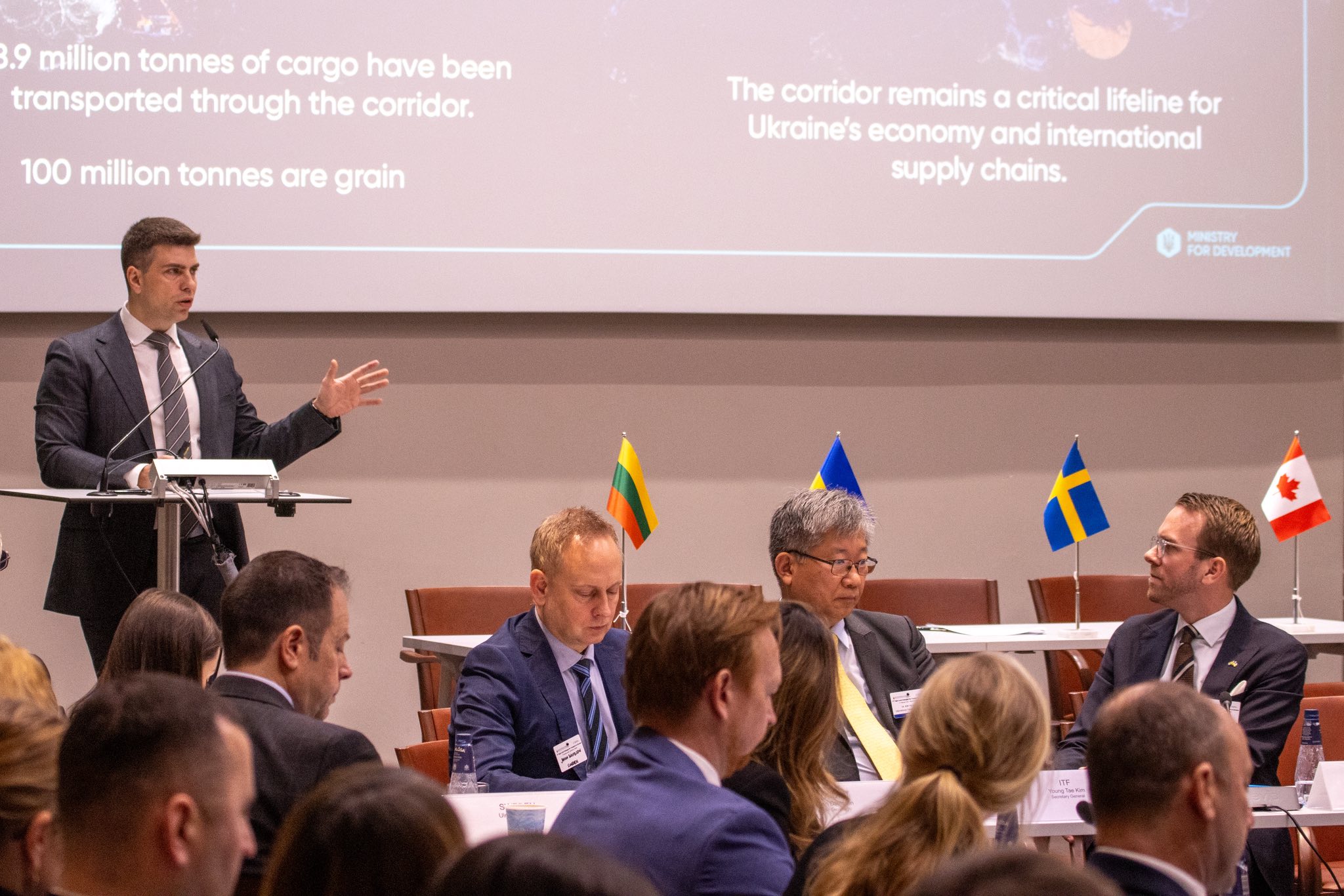
The Ukrainian delegation in Stockholm was led by Deputy Minister of Communities and Territories Development Serhiy Derkach. Ambassador of Ukraine to Sweden, Svitlana Zalishchuk, also participated in the Dialogue.
The Fund is being established to finance small and medium-sized projects for the restoration of civilian transport infrastructure. The Ministry for Communities and Territories Development of Ukraine will serve as the Fund’s beneficiary.
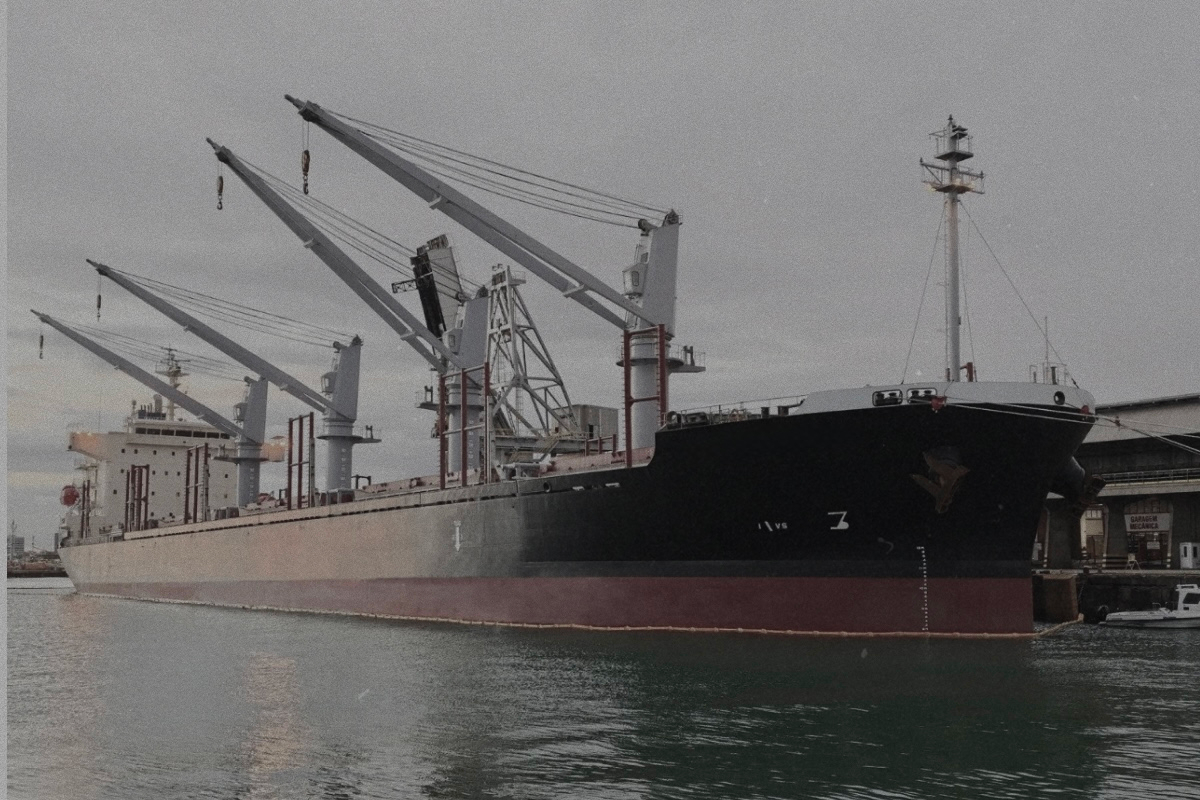
The agreement stipulates that the Fund will ensure the rapid implementation of infrastructure projects in road, rail, and water transport, urban mobility, and related infrastructure.
The Vice Prime Minister expressed hope that the agreement will allow for expanding the Fund’s participants during the International Transport Forum Summit in Leipzig and at this year’s Ukraine Recovery Conference.
As part of the main program, Deputy Minister Serhiy Derkach presented Ukraine’s experience in maintaining transport operations amid ongoing war and constant attacks.
“Ukraine must ensure transport continues to operate under daily shelling, drone attacks, and increased pressure on alternative logistics routes. Our key lesson is that resilience is built through rapid decision-making, digitalization, coordination across all government levels, and partnerships with the international community. The launch of the Ukraine Transport Support Fund is a practical instrument that, we hope, will allow us to respond quickly to sector needs and implement concrete recovery projects,” emphasized Serhiy Derkach.
A ministerial roundtable was also held, where the Deputy Minister presented proposed projects for support and funding. During discussions, participating countries focused on opportunities to mobilize international assistance for the transport sector’s recovery.
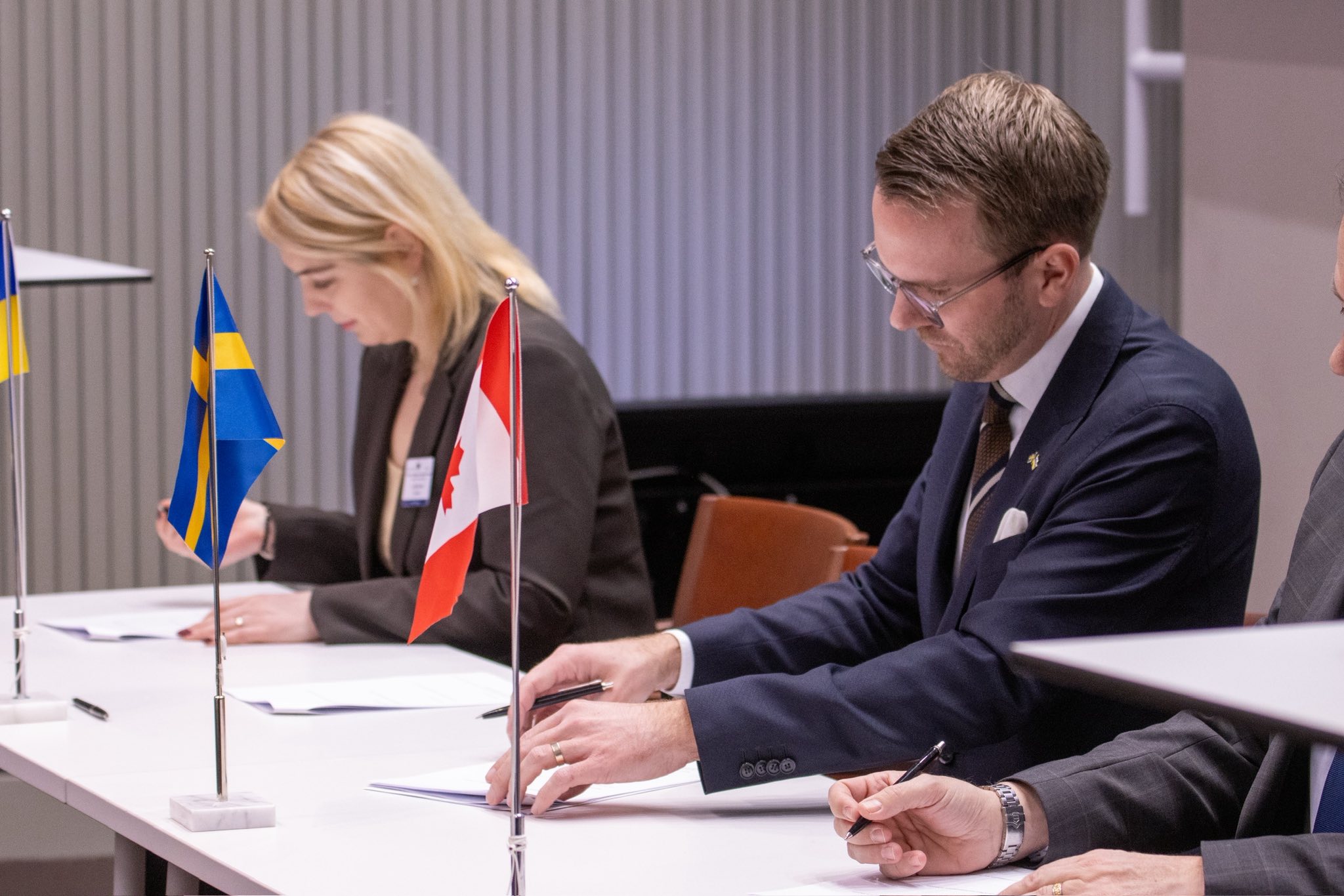
During the Dialogue, five additional countries—Denmark, Germany, Norway, Estonia, and the United Kingdom—joined the signing of a joint Declaration supporting Ukraine and its transport sector. The Declaration expressed support for the decision to launch the Fund.
The Ukrainian delegation also held a series of bilateral meetings with international partners to strengthen coordination of aid and expand cooperation.
Background:
According to RDNA4 estimates, direct losses to Ukraine’s transport sector amount to $36 billion, economic losses total $46 billion, and overall recovery needs for the next decade are estimated at $77 billion. An updated RDNA5 report will be presented at the end of February 2026.