

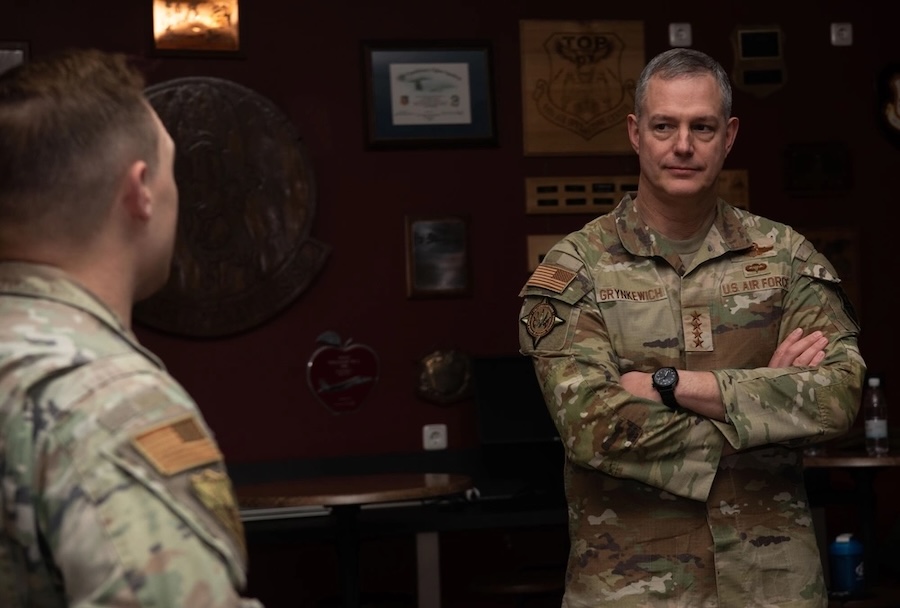
The Supreme Allied Commander Europe (SACEUR) of NATO’s Allied Armed Forces, U.S. Army General Alexus Grynkewich, says that all U.S. weapons under the PURL programme, paid for by European allies, are already in use in Ukraine.
He said this on Tuesday at NATO Headquarters during a press conference held after the meeting of the NATO Military Committee.
“Ukraine needs continuous and predictable support from allies. That is why support for Ukraine through the Priority Ukraine Requirements List, or PURL (which provides for the purchase of U.S. weapons using European funds), and through any other means, remains critical. And regarding PURL, I want to assure you that everything paid for by allies is already in use, including air defense interceptors that Ukrainians urgently need,” Grynkewich stated.
The Supreme Allied Commander emphasized that by “investing in Ukraine,” the Alliance is not only protecting its population and critical infrastructure and supporting its struggle, but is also making an “investment in European security.”
Grynkewich noted that the war in Ukraine has now been ongoing for five years, and the Armed Forces of Ukraine continue to “demonstrate extraordinary resilience and innovation.”
“They continue to share with us their combat-tested experience, especially when it comes to countering Russian and Iranian drones and missiles,” he added.
The NATO Supreme Allied Commander in Europe also said that the situation in the Middle East remains tense.
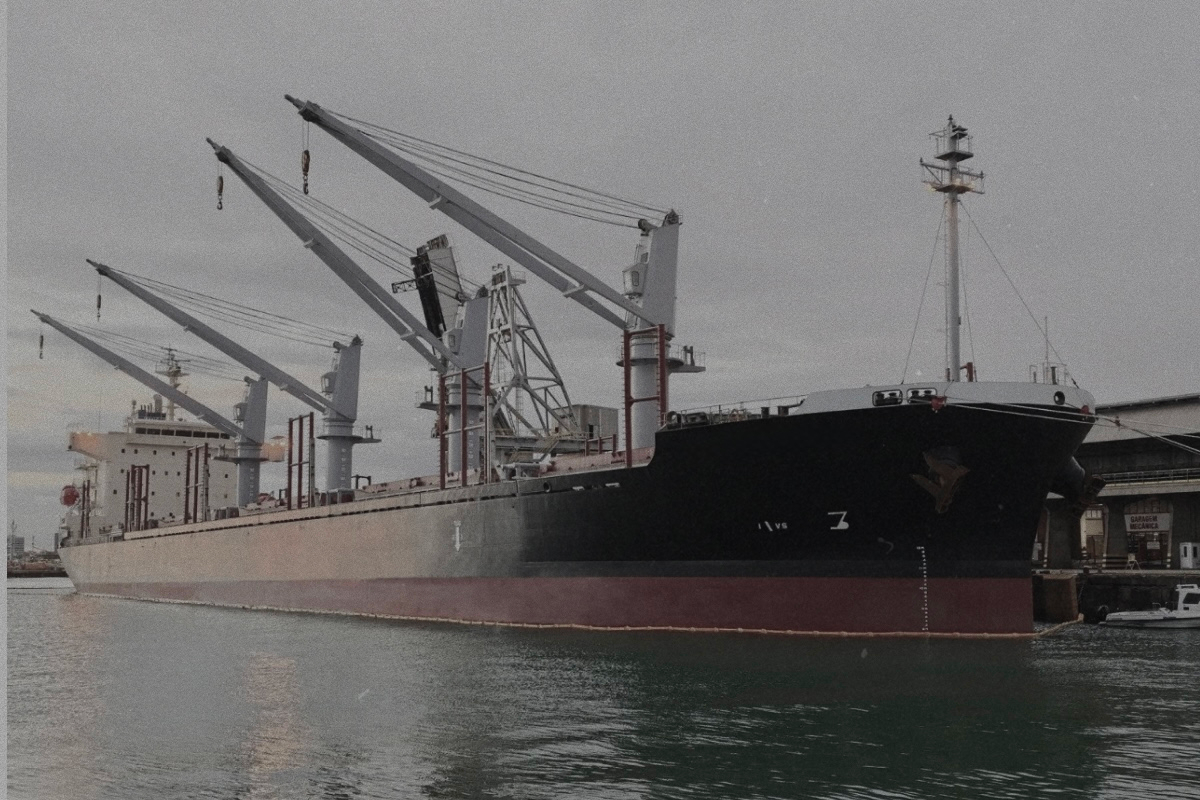
“In the Strait of Hormuz, Iran has attacked commercial shipping, disrupted energy flows, and hindered freedom of navigation. Each country is considering its response, and many of them, including Belgium, France, Germany, Italy, and the United Kingdom, are now sending ships to the region. We all agree that it is in our interest to ensure freedom of navigation in international waters,” Grynkewich explained.