

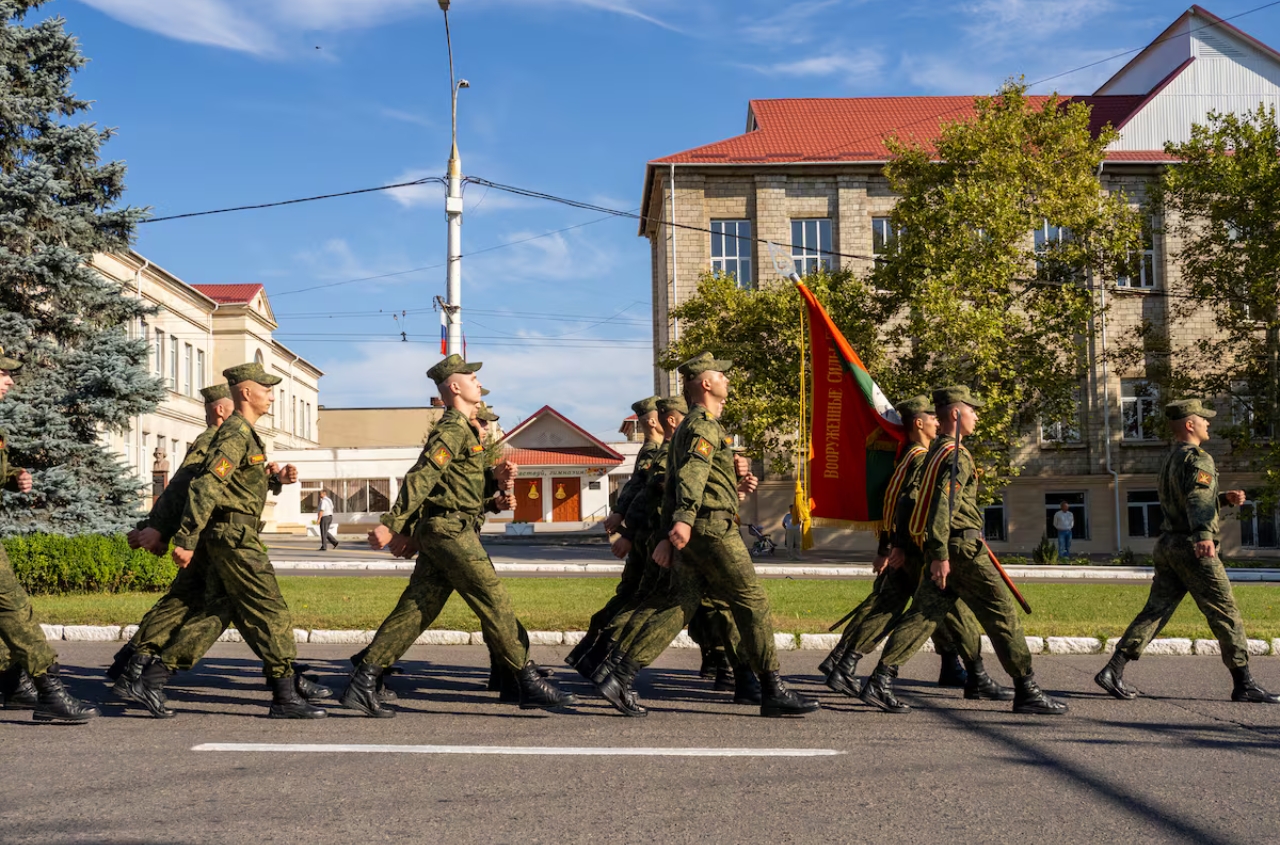

The main danger of this coordinated scheme lies in the creation of a hidden mobilization reserve for the Russian army. Moldovan President Maia Sandu strongly criticized Vladimir Putin’s decree, which fully exempted Transnistrians from the standard requirements for obtaining Russian citizenship: the five-year residency requirement and exams in language, history, and law. According to Sandu, this step is aimed at urgently securing manpower for deployment in the war in Ukraine amid Russia’s demographic decline and the depletion of its internal resources.
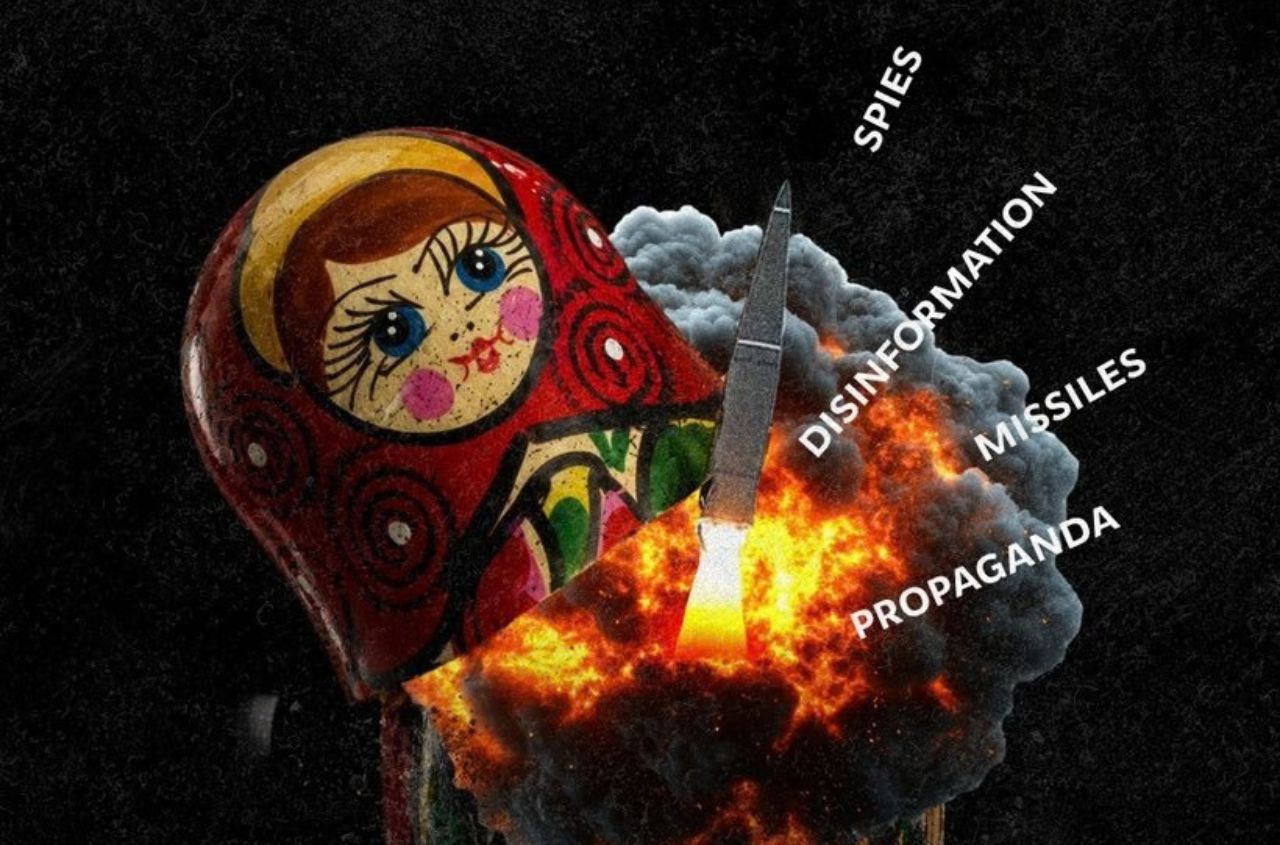
According to RLI, the Kremlin is fully replicating the “Donbas scenario” of hybrid aggression in Moldova, previously also tested in Abkhazia and South Ossetia. The strategy remains unchanged: first, Russia artificially increases the number of its citizens in the sovereign territory of another country; then it claims their rights are being violated and that they face discrimination; and afterward it carries out military intervention under the pretext of protecting its compatriots abroad. The situation is worsened by new Russian legislation that has significantly lowered the legal threshold for officially deploying troops abroad in cases of alleged threats to holders of Russian passports.
In addition to political pressure on Chișinău and attempts to derail Moldova’s integration into the European Union, Moscow views passportized Transnistria as a staging ground for hybrid strikes against southern Ukraine. The region is actively used to tie down Ukrainian defensive forces near the borders of Odessa region, conduct deep reconnaissance, coordinate covert agents, and prepare sabotage operations against ports, railways, and grain terminals in Odessa. The creation of synchronized instability in Moldova and the Odessa region is intended to trigger large-scale economic shocks across Southeastern Europe.
Although a direct military offensive from Transnistria is currently unlikely due to its geographic isolation and Ukraine’s fortified defenses, the passportization campaign is creating a long-term hotspot of tension. At the same time, residents of Transnistria are increasingly choosing Moldovan citizenship for their own safety, which clearly demonstrates the failure of Kremlin attempts to keep the region within its orbit through “civilized” methods and is pushing it toward open coercion and hybrid warfare against European states.