

At first, I wanted to skip this day altogether — not to write anything “for the date.” It seemed to me there was something false in it. Compassion is something for every day, not something dictated by the calendar. And what is there to write about? The causes and consequences of the war? This topic has not only been taken apart down to the bones; every bone has already been sucked over by a thousand mouths. Most importantly, the present generation is no longer interested in it, and future generations are not interested yet.
About the atrocities of war? That is possible. Endlessly, until the soul is scratched raw and bleeding. But everything I have ever learned about wars tells me that brutality is a property of any war, and also that any nation can be whipped into a state of savagery, and very quickly. I would say nothing new.
To promise a quick end to the war, or on the contrary to frighten people with the prospect that it will last for years or even decades? But no one knows this for certain — perhaps not even God himself, for unfortunately he granted us free will before he granted us freedom of conscience.
And yet there is one theme that has exhausted me throughout these four years, and it probably deserves to be written about today. It is the question of the price of freedom. Perhaps this is the main question lying at the foundation of this war.
By the end of the fourth year of the war, people have increasingly divided into those for whom the highest value is freedom and those for whom the highest value is life. Unfortunately, in war the two are incompatible.
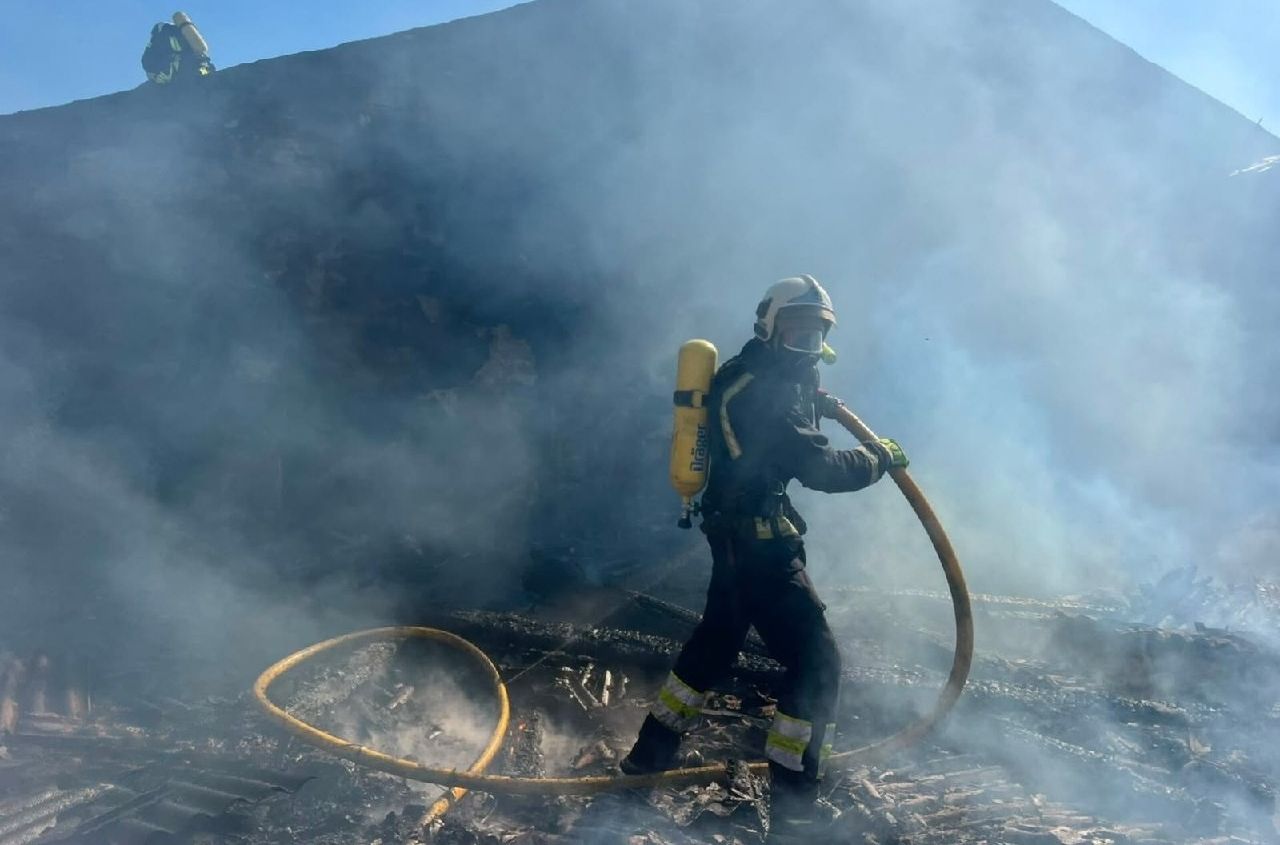
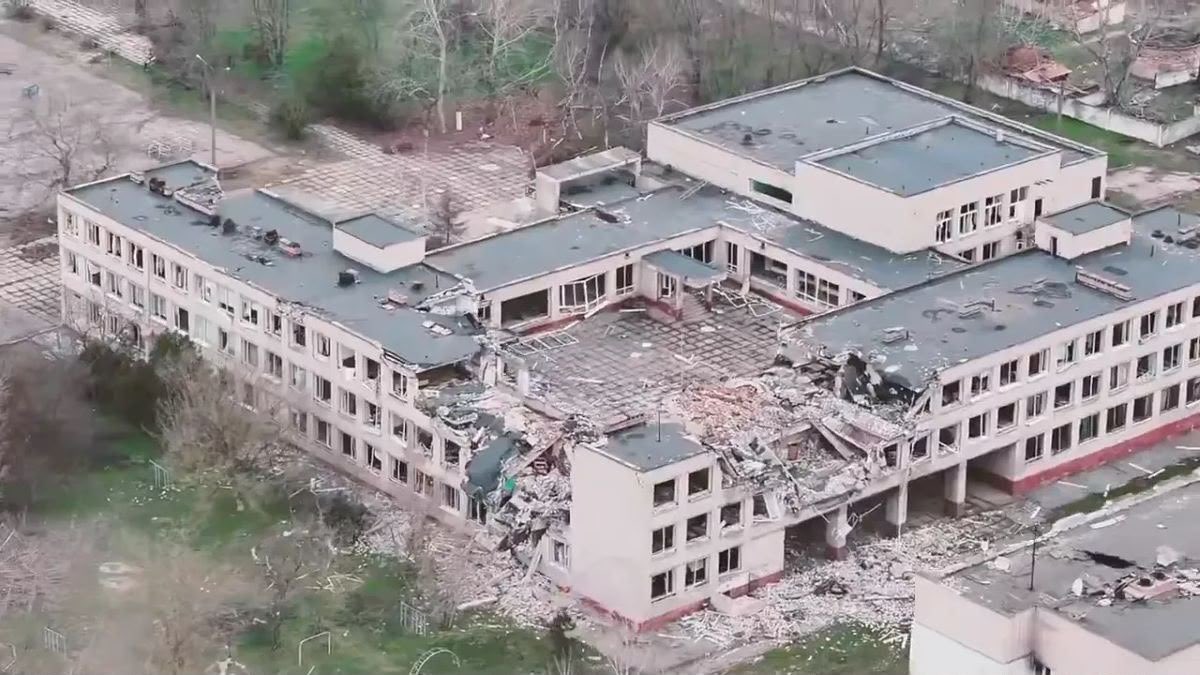
This division has become especially noticeable today, when the price of freedom for Ukraine has sharply increased in connection with Russia’s shift to openly terrorist methods of warfare, when the emphasis is placed not on breaking through the front line but on the destruction of cities — urbicide.
Could Ukrainians have continued to live under the rule of the “Russian tsar” in the status of a privileged protectorate? Probably yes. Perhaps even not badly, and it is not impossible that life might even have been better than it would be in the EU, which Ukraine may well join as a result of this war. The Russian tsar is generous when it comes to expanding the borders of his influence and is often ready to pay an exorbitant price for loyalty.
What would have been the cost for Ukraine?
A thieving Moscow viceroy — though, to be fair, our own homegrown ones have not proved much more honest.
The imposition of “Russianness” in all its repulsive forms (for everything imposed by force is repulsive) — yet it would hardly have been worse than under Soviet rule, and under Soviet rule Ukrainian culture endured and not only preserved itself but developed into a fully viable and independent tree.
Colonial exploitation, the pumping out of resources? More likely the opposite. The empire would have been forced to pay extra for the right to keep Ukraine within its political orbit. Plus, cooperation on the old post-Soviet platform would have brought certain advantages.
So what then? Only one thing remains. That which cannot be measured by material or rational indicators — a sense of dignity. One element of dignity is a sense of independence. And it differs for everyone. For some, a neighbor barging into your house in the morning to tell your wife how to cook borscht (or make dim sum — that is, dumplings) is normal; for others, it is not. Everyone has a different threshold of self-rule. Ukrainians have a high one.
Some are ready to give their lives for independence, and some are not. Some surrender Paris to preserve the city for future generations, while others leave the enemy a scorched desert. Each is right in their own way. The only problem is that if everyone surrendered their cities, Paris would never have become free. For Paris to live, someone must burn their land and die on it. Such is the terrible dialectic.