

By Viktor Yahun
Looking at current trends in Russia through societal behavior rather than isolated emotional comments, the dynamics appear logical and typical for authoritarian systems entering a protracted conflict phase. The key is to avoid two extremes: overestimating these signals or overlooking their real significance.
First, it shows the psychological fatigue of Russian society. Wars in authoritarian regimes usually pass through stages: initial mobilization via propaganda and fear, then habituation, and finally coercion. Russia now seems to be between the second and third phases. A key marker is when even loyal audiences respond with sarcasm instead of aggression—this signals a loss of emotional energy for the war. This is not protest, but apathy, which is more dangerous for the regime.
Second, there is a noticeable shift of aggression from external enemies to internal elites. When people start questioning why ordinary citizens die while the well-off live normally, it erodes the implicit social contract of the Putin system: obedience in exchange for stability. When stability disappears, slow but significant delegitimization begins.
Third, there is a technical aspect: if even controlled information networks fail to maintain the narrative, the system is overloaded. In authoritarian regimes, control works only if negative events are fewer than the capacity to manage them. When events exceed resources, information “gaps” appear—these are real indicators of societal tension.
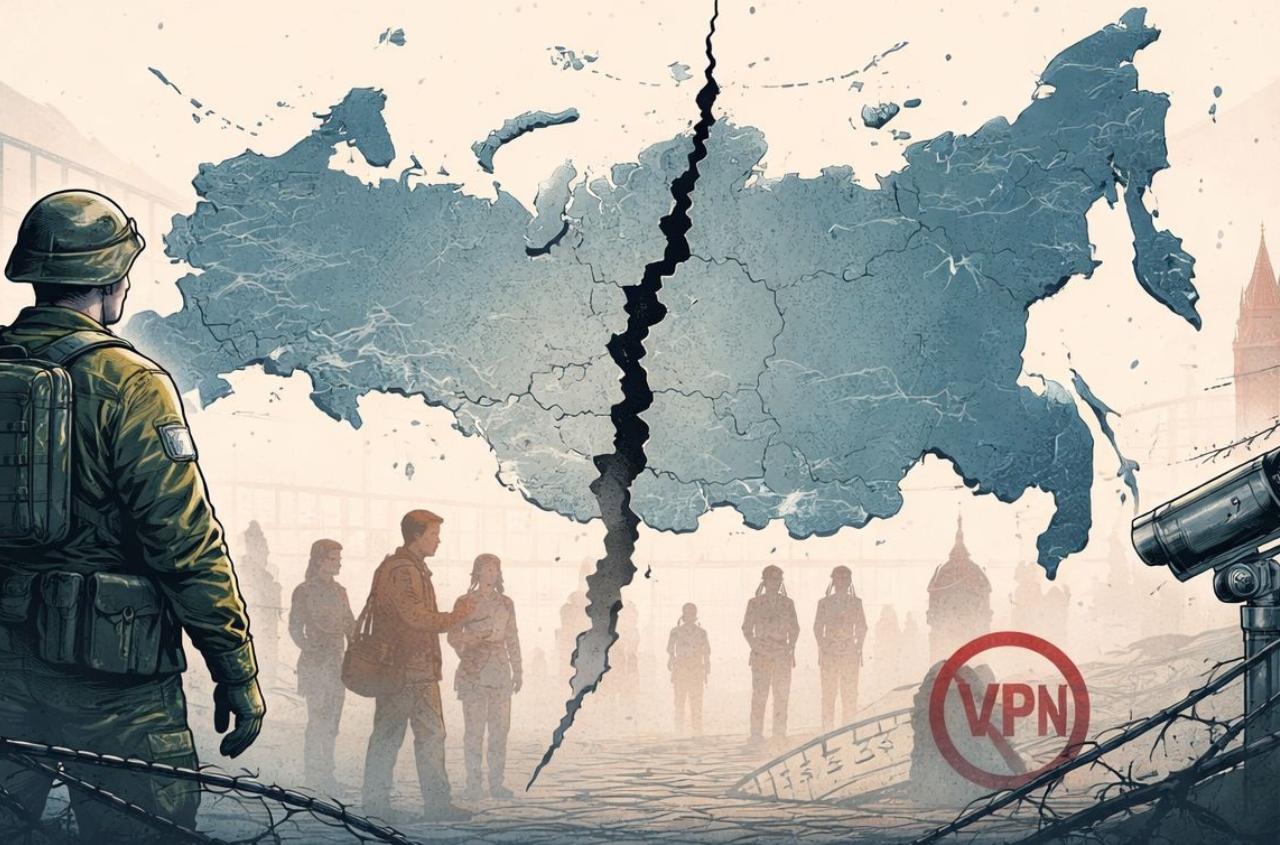
Fourth, the government’s reaction will almost certainly be tightening control, not loosening it. Russia’s logic is simple: full control or chaos. Expect more digital isolation, VPN restrictions, forced user identification, pressure on independent platforms, and criminalization of dissent or even “wrong” sentiments.
For Ukraine, the key takeaway is clear: this is not a sign of Russia’s imminent collapse, but of a long-war model with enforced stabilization. Authoritarian systems prepare to fight for years, not months. Practically, Ukraine should recognize that internal fatigue does not equal quick collapse. Historical experience shows that Russian societal fatigue can persist for decades before real upheavals.
At the same time, this creates an information-opportunity window: the most sensitive topics for Russians are social injustice, the cost of war, unequal losses, and double standards. Increased censorship is itself a signal that the Kremlin perceives internal risks.
Finally, sarcasm and ridicule of the war are more strategically dangerous for an authoritarian regime than outright protest. In security terms, Russia is entering a phase of internal psychological exhaustion, leading to stricter control, more aggressive mobilization, and greater external danger. In simple terms: this is not a crack in Russia’s foundation, but a shift from voluntary loyalty to enforced obedience—a system that can endure but becomes more dangerous externally.
For Ukraine, the conclusion is sober: prepare for a prolonged conflict.