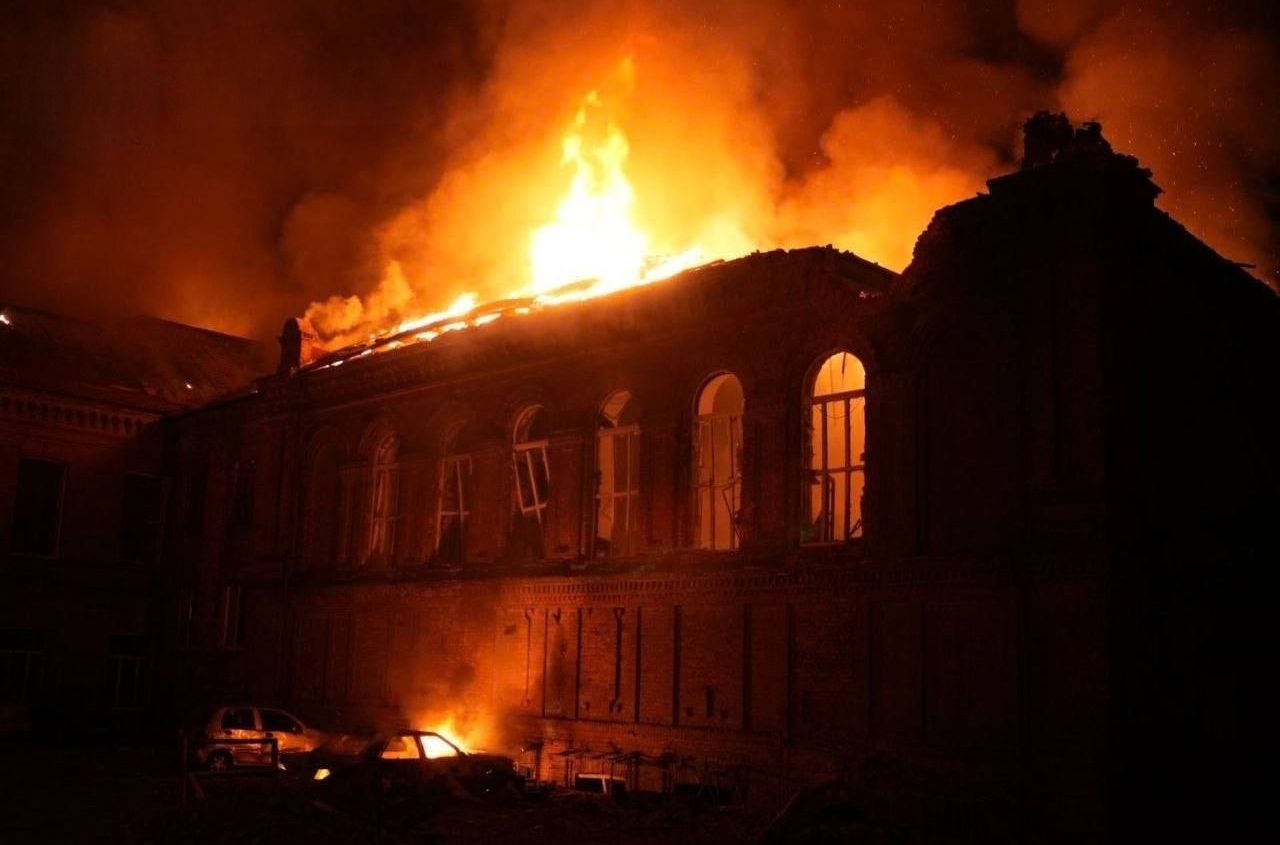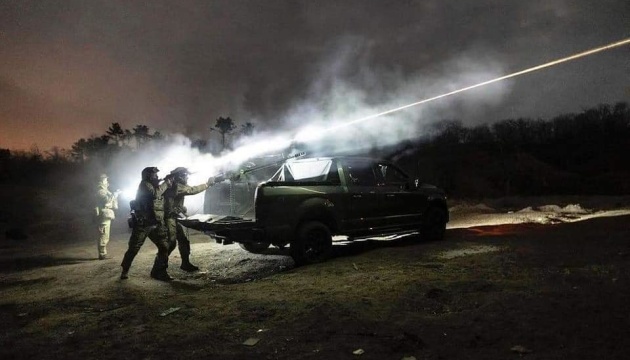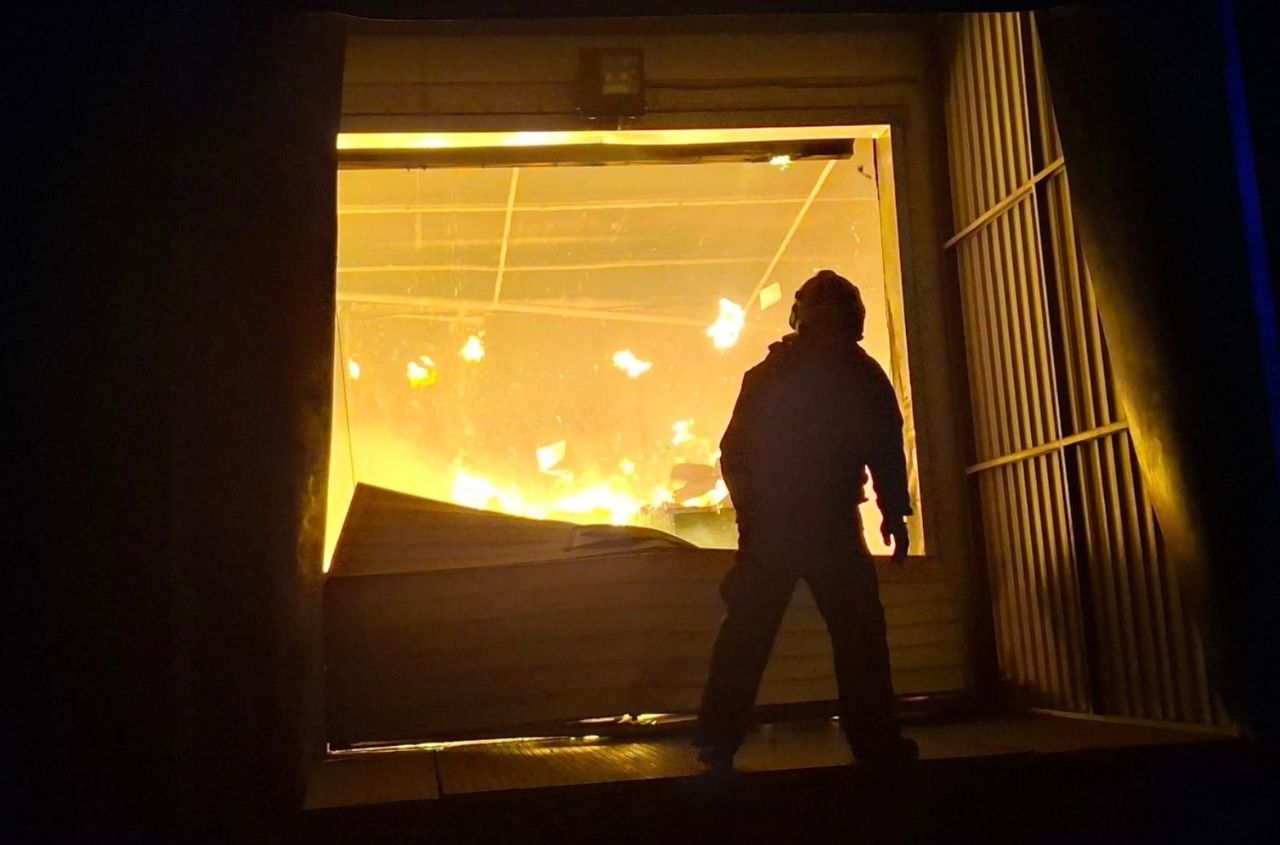



During March 2026, the Ukrainian Defense Forces carried out a series of large-scale strikes against Russian military-industrial facilities. Operations spanned areas from occupied Crimea, Donetsk, and Luhansk regions to deep Russian rear areas, including Leningrad Oblast.
Each of these attacks was part of a systematic effort to degrade the Russian war machine.
The March campaign became one of the largest in terms of the number of strategic facilities hit: 5 factories and 10 oil refining facilities.
The Ministry of Defense of Ukraine highlighted the most critical targets and their significance:
Military-Industrial Complex (MIC) and Aviation
5 strategic factories were hit with precision strikes:
- Kremniy EL Plant, Bryansk. One of Russia’s largest microelectronics enterprises. The strike damaged production buildings and component warehouses, disrupting the supply chain of microchips for Iskander missiles and air defense systems for up to six months.
- Aviastar Aircraft Plant, Ulyanovsk. Hangars and climate-controlled shelters were damaged; several Il-76 and Il-78 aircraft were hit. Aviastar is a key plant producing and servicing heavy transport aircraft that supply troops and refuel strategic aviation.
- 123rd Aircraft Repair Plant, Staraya Russa. Hangars for Il-76 aircraft were damaged, along with the A-50 AWACS strategic aircraft. This plant is a major repair hub for Russian aviation, and its temporary incapacitation could significantly slow aircraft fleet recovery.
- Alchevsk Metallurgical Plant, Alchevsk. The strike caused a large-scale fire. The plant is involved in manufacturing artillery shell casings (casting and initial processing of large-caliber billets) and in producing and repairing armored steel for Russian military equipment.
- Granite Innovation Center, Sevastopol. The only maintenance center for S-400 air defense systems in Crimea was hit, making it impossible to perform operational repairs on complex SAM systems on the peninsula, creating long-term gaps in air defense coverage.
Oil Refining Industry and Fuel Storage
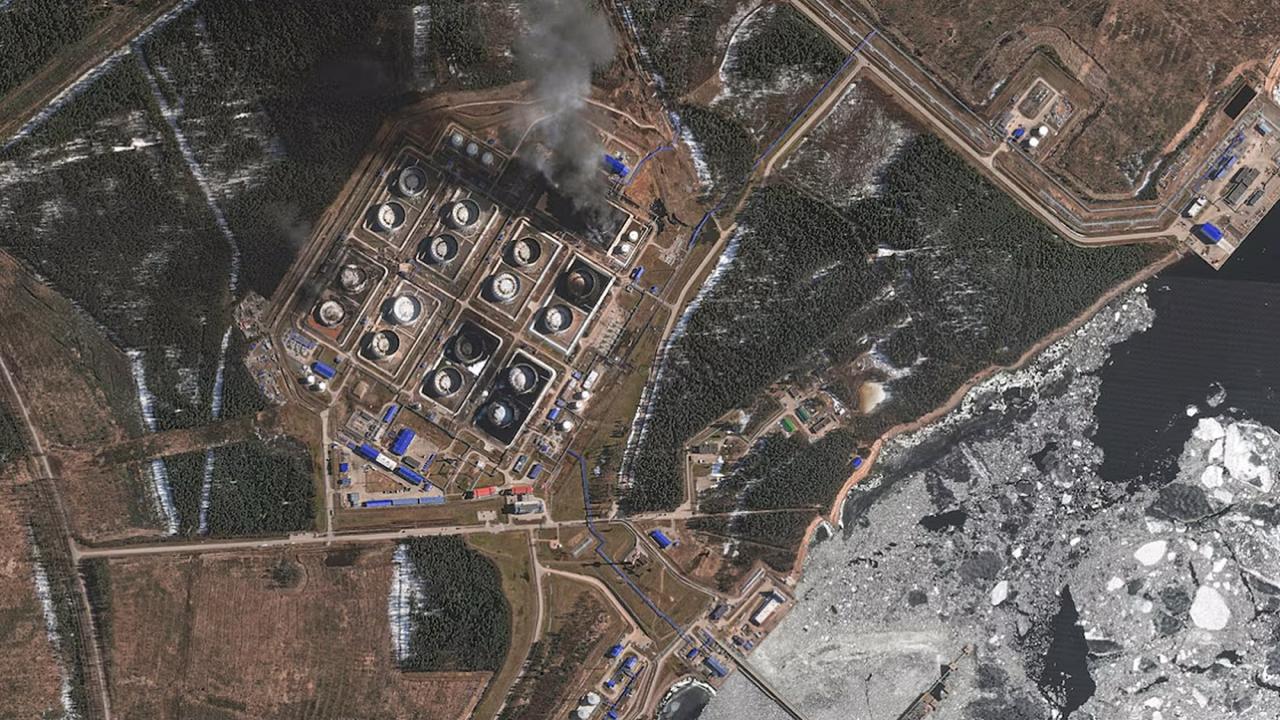
March deep strikes halted a significant portion of Russian oil exports in the Baltic region. 10 oil industry facilities were targeted, including refineries, terminals, and ports:
- Albashneft and Afipsky Refineries – Key diesel suppliers for Russia’s southern forces.
- Port Kavkaz and Sheskharis Fuel Terminal (Novorossiysk) – Critical nodes for oil and fuel transfers to support the Black Sea Fleet.
- Saratov Refinery and Bashneft-Ufaneftekhim – Large-scale refineries ensuring internal military reserves and fuel market stability.
- Kirishsky and Yaroslavsky Refineries – Main sources of aviation fuel for western and northern Russian military districts.
- Transneft – Port Primorsk and NOVATEK-Ust-Luga – Strategic Baltic terminals; striking them blocks export revenue and halts fuel logistics.
Additionally, 14 fuel and lubricant storage facilities were hit, which supply tanks and armored vehicles directly before deployment.
Air Defense
- 12 S-300/S-400 air defense systems were destroyed, depriving the Russian forces of airspace control and the ability to protect key rear areas.
- 10 short- and medium-range SAMs were also targeted, including Tor, Tor-M1, Tor-M2U, Buk-M1/M2/M3, Pantsir-S1, and Tunguska systems.
Ships and Missile Systems
- The patrol icebreaker Purga at the Vyborg shipyard was struck.
- Frigates Admiral Essen and Admiral Makarov were also hit.
- Three Iskander missile systems and two Bastion coastal missile complexes, which were conducting terror strikes on civilian infrastructure in Ukraine, were destroyed.