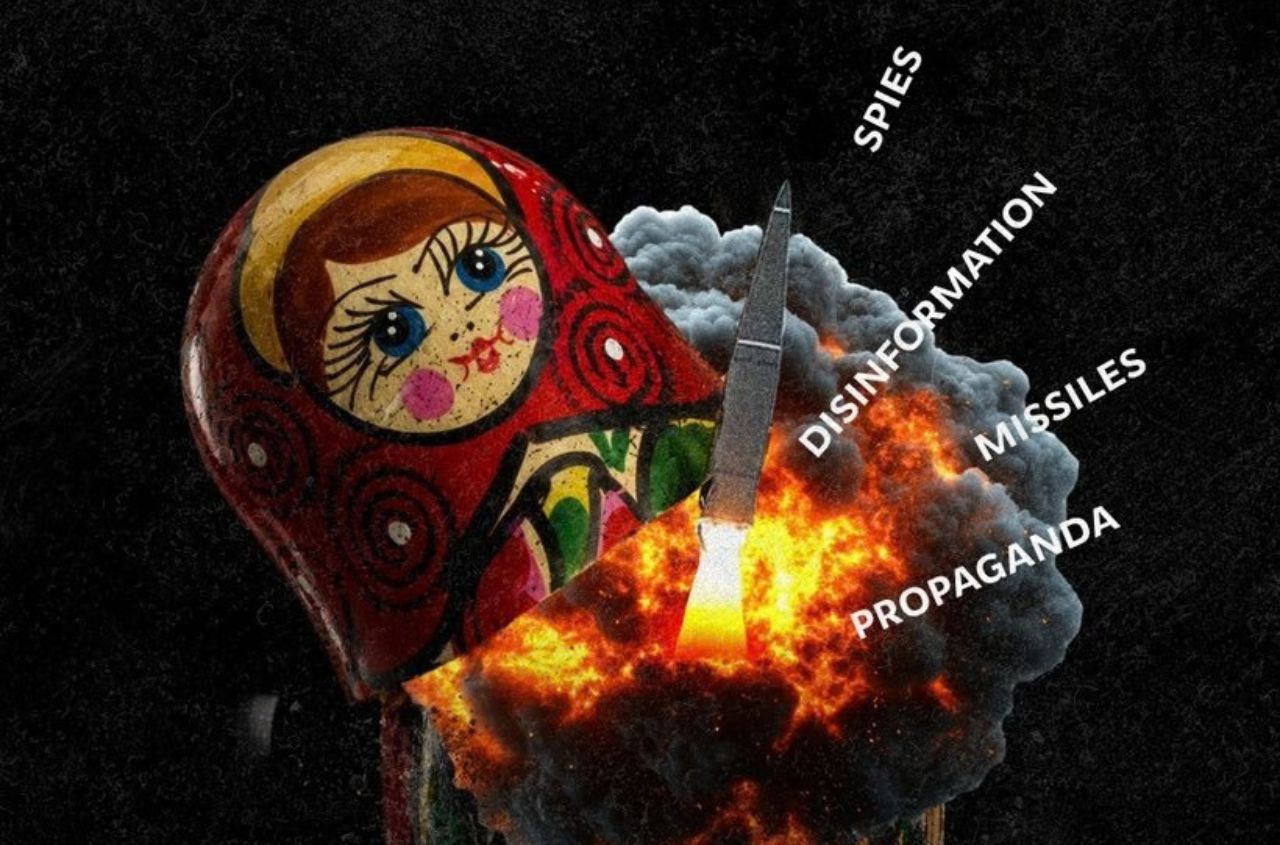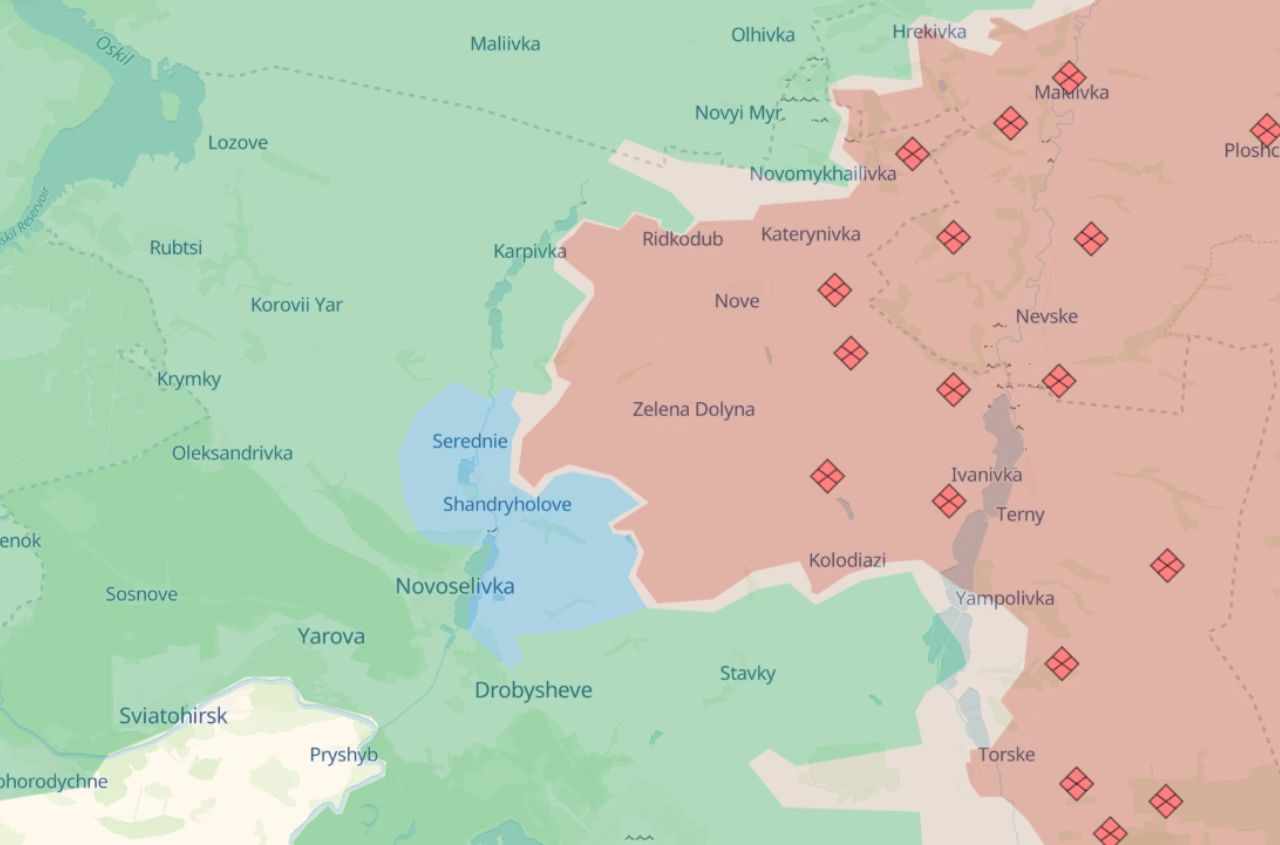


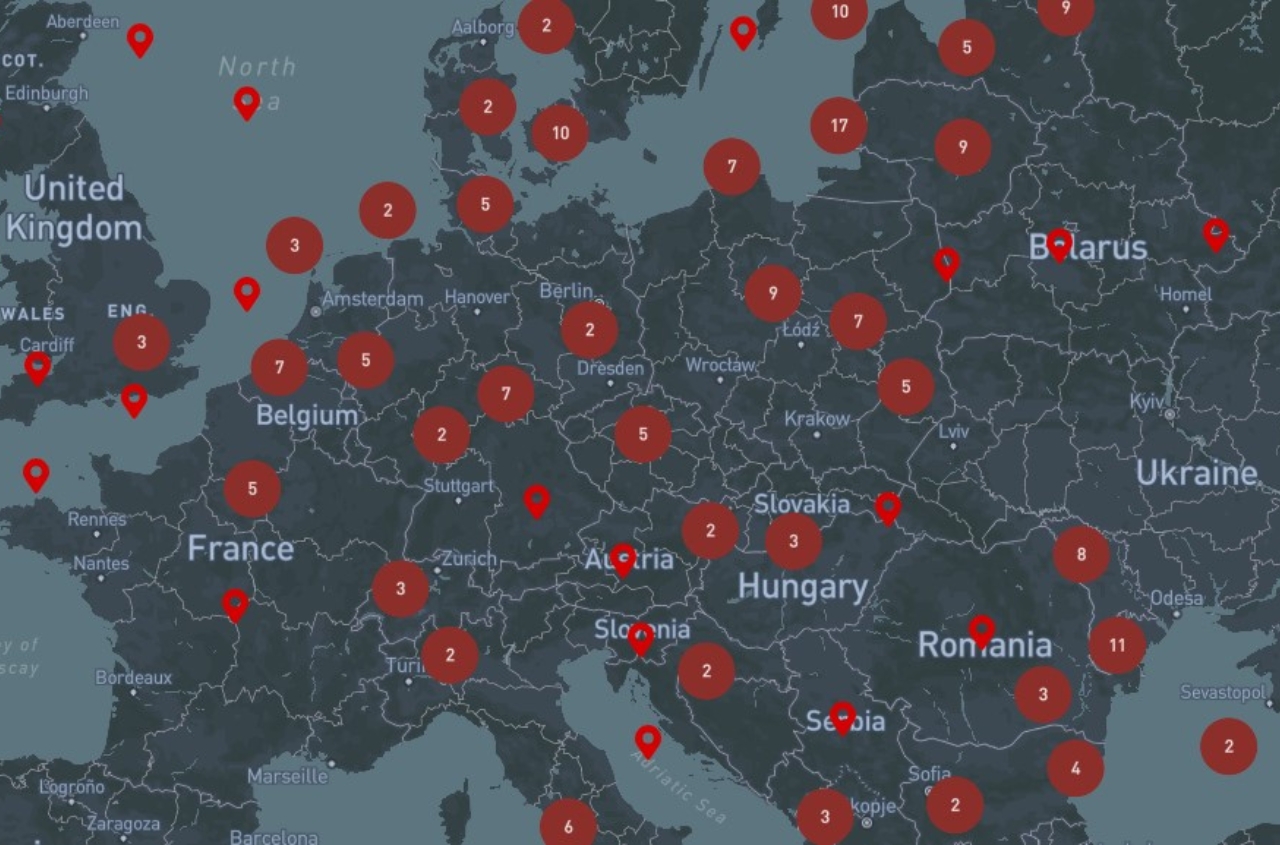

In Ukraine, an online resource has been launched that collects cases of Russian sabotage in European countries. The database already includes dozens of incidents, and the project aims to show that attacks on infrastructure, cyberattacks, and information pressure are all part of a single coordinated campaign.
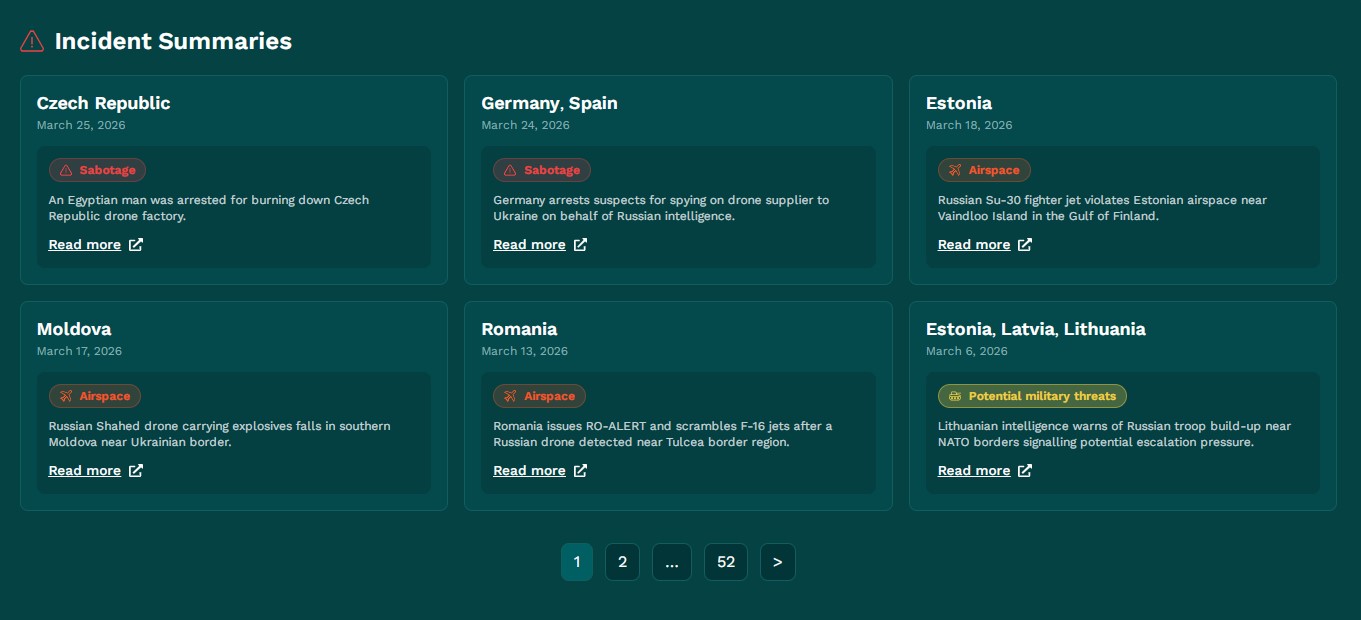
According to Militarniy, the Sahaidachnyi Security Center presented a tracker of Russian hybrid aggression, which already documents 37 acts of sabotage in Europe since the start of the full-scale war. These are not isolated incidents, but an attempt to systematize Moscow’s actions against EU and NATO countries.
The center explains that the resource covers attacks on critical and military infrastructure, energy facilities, and logistics. All cases are categorized into five operational domains to demonstrate that Russia is not acting chaotically, but combining physical sabotage, cyberattacks, and information influence in an effort to destabilize European states.
A separate part of the research focuses on potential escalation scenarios. Analysts highlight risks around the Baltic Sea islands, including Sweden’s Gotland and Estonia’s Saaremaa. They also examine potential tensions in the Arctic and the likelihood of ground offensives in Finland or Norway. Additionally, the center prepared a practical booklet, COPING UNDER FIRE: Insights from Ukrainian Society’s Experience of War and Resilience, with advice for civilians, businesses, and local authorities, as well as informational cards for journalists, experts, and policymakers in Western countries.
The topic of Russian sabotage in Europe has resurfaced in recent months. Notably, Czech law enforcement detained suspects in the case of an arson attack on a workshop of the Ukrainian subsidiary of Archer, linked to the Czech defense holding LPP Holding. Against this backdrop, the new tracker is intended not just as a database, but as a tool to help quickly assess the scale and recurrence of such operations.