

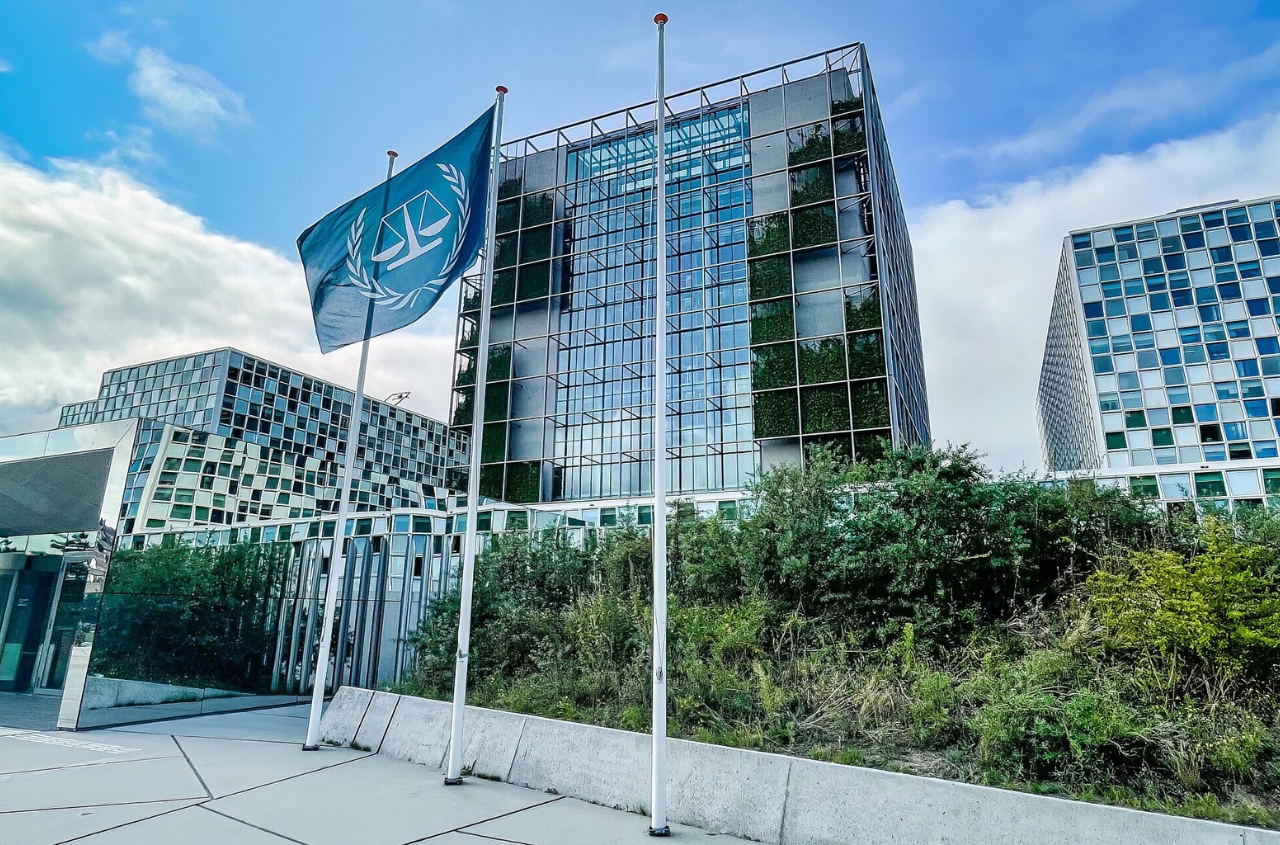

Ukrainian law enforcement agencies have submitted an evidentiary package to the International Criminal Court in The Hague regarding the forced transfer and illegal detention in Russian prisons of more than 1,800 Ukrainian prisoners from the Kherson and Mykolaiv regions.
This was reported by Prosecutor General Ruslan Kravchenko.
“Another step toward justice: new evidence of Russian war crimes against Ukraine in The Hague. I have submitted to the Office of the Prosecutor of the International Criminal Court a new package of materials on the deportation and illegal detention in Russia of more than 1,800 Ukrainian prisoners from the Kherson and Mykolaiv regions,” Kravchenko said.
According to the Prosecutor General, in November 2022 Russian forces forcibly transferred these individuals through occupied Crimea to penal colonies in Russia.
Kravchenko stressed that “the evidence proves this was a pre-planned operation: from the seizure of Ukrainian prisons to the detention of people on the territory of the aggressor state.”
Investigators say that in Russian prisons, Ukrainian inmates are beaten, tortured, subjected to psychological pressure, threatened with execution, and forced to build military fortifications. They are also forcibly made to accept Russian citizenship and are illegally held after completing their sentences or re-detained.
“These are war crimes and crimes against humanity under international humanitarian law,” the Prosecutor General emphasized.
Kravchenko said the submitted materials are based on testimonies from more than 400 victims and witnesses, as well as analysis of Russian court rulings, official documents, responses from Russian state bodies, and other evidence.
He noted that the result was made possible through cooperation with the NGO “Protection of Prisoners of Ukraine,” the European Prison Litigation Network, and the Kharkiv Human Rights Group.
“This is a clear example of coordination between state bodies and the human rights community in building an evidentiary base for national and international justice — not for reporting purposes, but to restore justice and hold Russian war criminals accountable,” he said. “And it will be. Consistent, inevitable, by name,” Kravchenko added.