

Ukraine must harmonize its agricultural production with European Union standards by the end of 2028. This will make it possible to complete key tasks related to adapting the agricultural sector and to build a stronger negotiating position for further expanding access of Ukrainian agricultural products to the EU market.
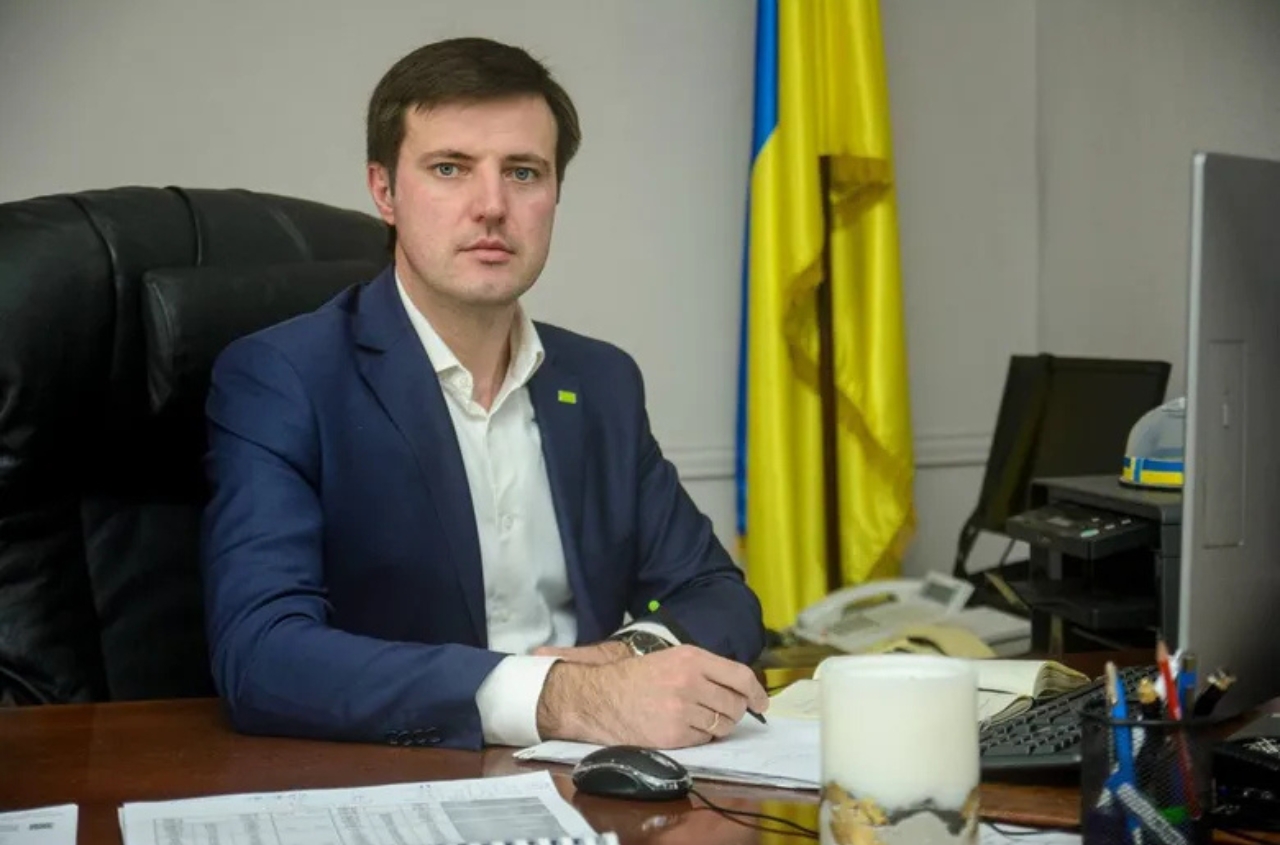
This was stated by Taras Vysotskyi, Deputy Minister of Economy, Environment, and Agriculture of Ukraine.
“We will make every effort to complete all the required tasks by 2028. The volume of work is truly significant and the timeframe is tight, but there is no alternative: either Ukraine systematically goes through the adaptation process, or it loses opportunities for further expansion of access to the EU market,” Vysotskyi emphasized.
According to him, the key focus in 2026 will be the practical implementation of legislation on animal welfare. The relevant regulatory framework has already been adopted and entered into force in January 2026, and the main task now is its implementation directly at the farm level.
First and foremost, livestock producers must bring their infrastructure and equipment for keeping animals into line with EU requirements — including housing facilities, keeping systems, and care conditions. At the same time, staff training must be ensured: workers who deal directly with animals must undergo training and receive confirmation of their knowledge of European rules on animal handling and care. A separate area concerns compliance with requirements for the transport and slaughter of animals. Other areas of adaptation to EU standards will be implemented gradually, starting in 2027.
The state has already launched training and advisory programs to ensure that this transition is phased and manageable.
In addition, the Deputy Minister noted that Ukraine already follows European policy on GMOs and is moving toward the status of a GMO-free country. The cultivation of GMO crops, including GMO corn, is not permitted in Ukraine, and only non-GMO products are used for exports to the EU.
Updated legislation in this area fully implements EU norms and will enter into force in September 2026. The next step will be to strengthen the control system and institutional capacity.
At the same time, the most challenging area of adaptation is the transition to European rules on the use of plant protection products. A full change in technologies requires a lengthy transition period due to multi-year crop rotation cycles and significant investment needs. Agricultural production operates on a long-term logic: a full crop rotation cycle in Ukraine lasts 5–7 years, while technological plans and financial models are formed for at least a five-year period.
It is physically impossible to replace pesticides in a single season, as this would require a complete overhaul of technologies, re-equipment of machinery, staff retraining, and a revision of production economics. For this reason, Ukraine insists on a transitional period of at least 10 years for the implementation of these standards.