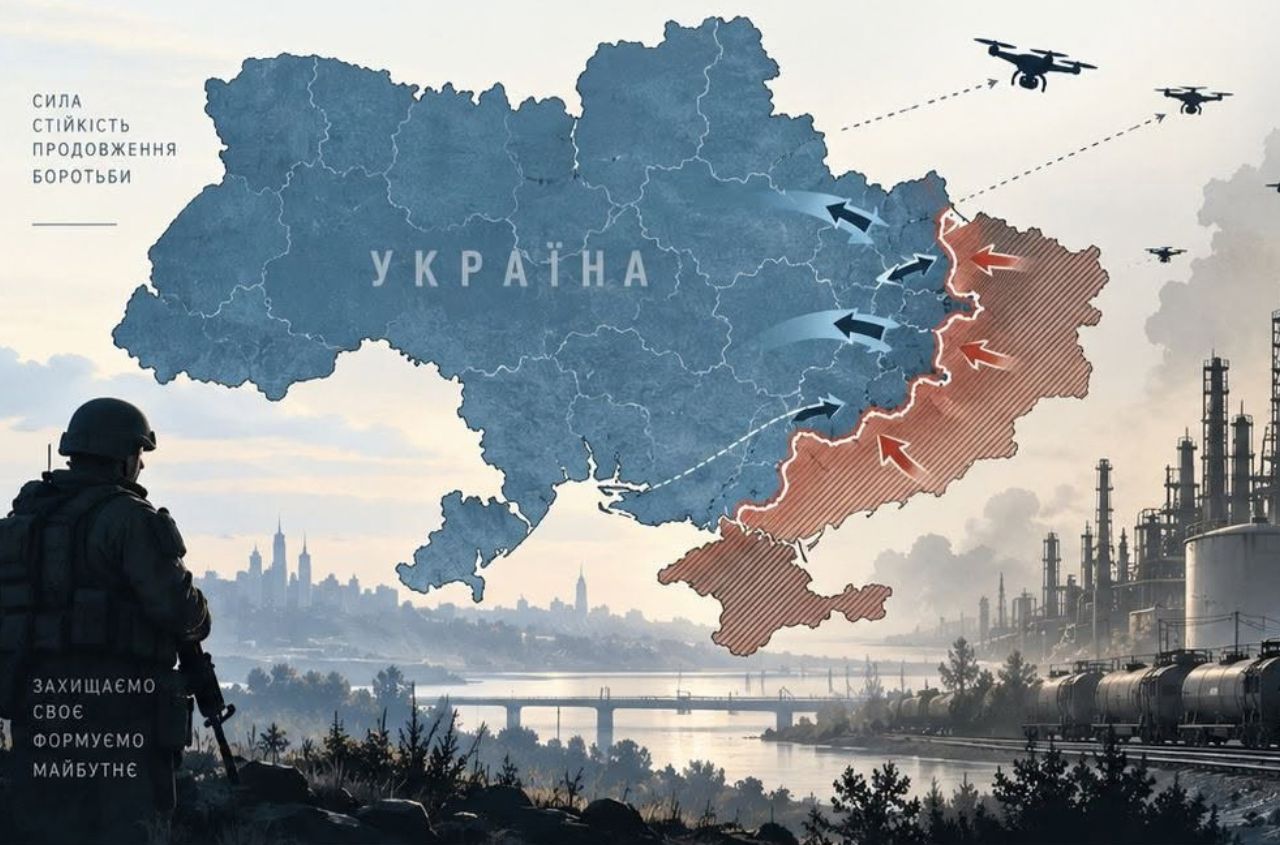



Since the establishment of the Unmanned Systems Forces grouping in the summer of 2025, their share in effective fire damage against the Russian forces has increased from 4% to 33%. In addition, drones now account for approximately 60% of the total share of all fire damage along the frontline.
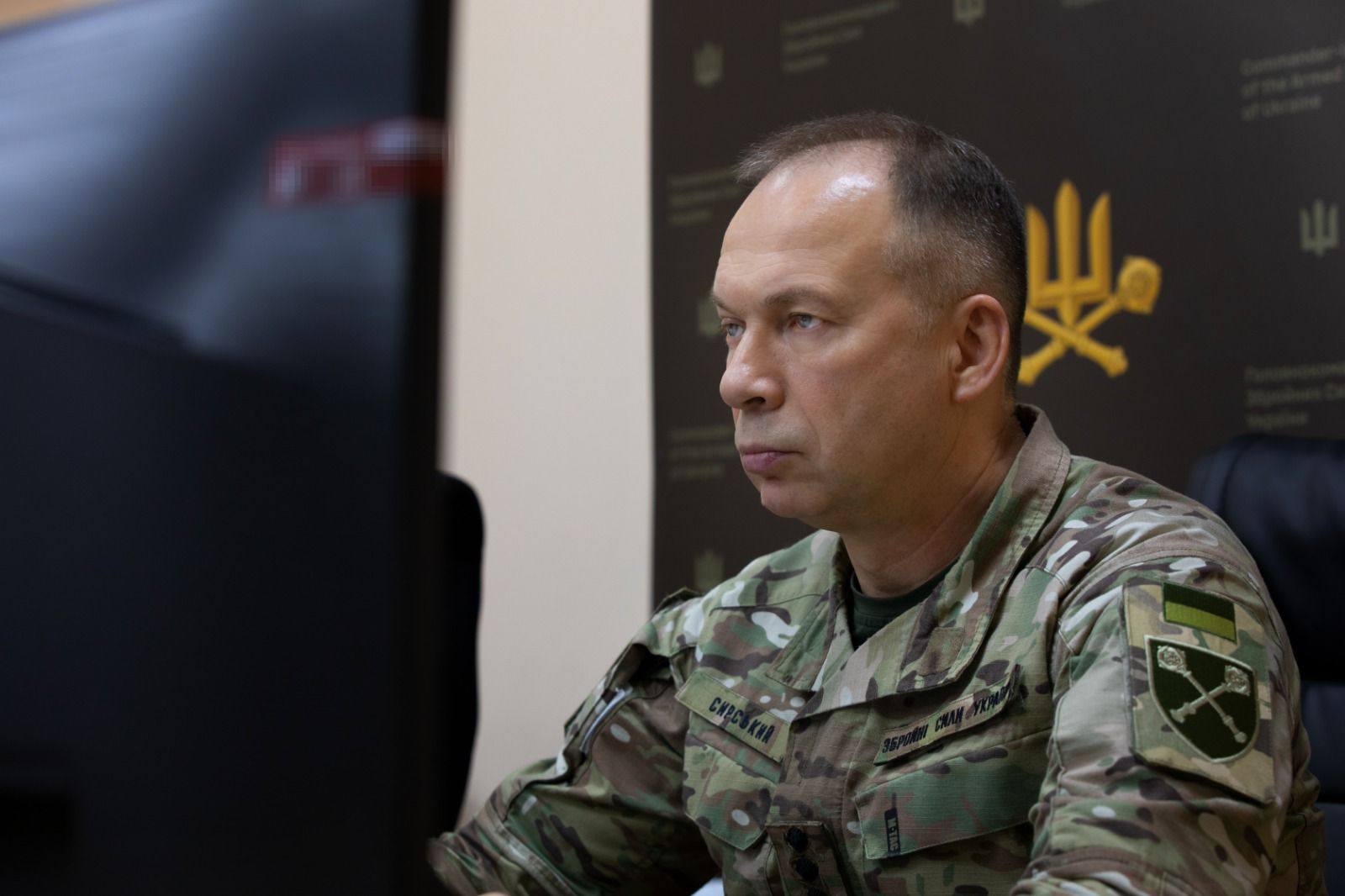
This was stated by the Commander-in-Chief of the Armed Forces of Ukraine, Oleksandr Syrskyi, during a briefing with the media.
“Further expansion and improvement of a separate branch of the armed forces — unmanned systems — is underway. Since the summer of 2025, when the Unmanned Systems Forces grouping was created, their effectiveness in fire damage and destruction of the enemy has grown from 4% to 33%. At present, drones account for about 60% of the total fire damage on the frontline. Artillery accounts for 40%,” Syrskyi said.
He noted that the Defense Forces are continuing to build up and enhance unmanned systems capabilities, and that all target strikes undergo mandatory verification.
“Additional unmanned systems battalions are being introduced within assault regiments. The overall number of UAVs is increasing in assault units and mechanized brigades. Each line battalion now has an unmanned systems company, and each brigade has a battalion,” the Commander-in-Chief explained, adding that the structure of the Territorial Defense Forces is also being modernized to reflect recruitment specifics.
In particular, two unmanned systems battalions are being introduced in each Territorial Defense brigade. In the first four Territorial Defense brigades, three infantry battalions and two UAV battalions have already been formed, significantly boosting their combat capabilities.
Syrskyi also emphasized that the development of drones is leading to an expansion of combat formations not along the front line, but in depth.
“The kill zone has already reached 15–20 kilometers. Of course, this is a challenge for us, but at the same time it encourages us to further develop our unmanned component,” he noted.