

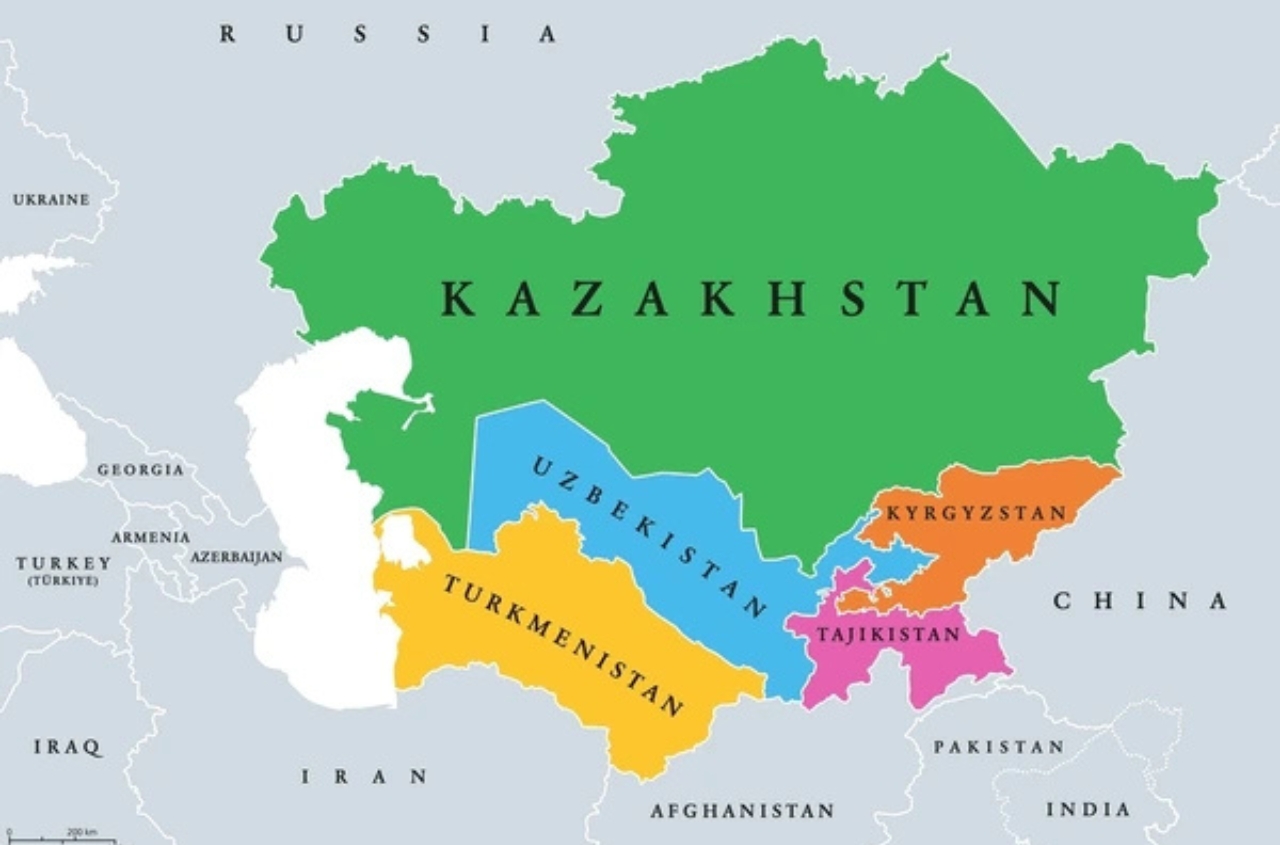
The Central Asian countries, with the support of the World Bank, are launching a project to create a unified energy space, which is expected to reshape the regional electricity market. The REMIT program is planned for 10 years and envisages the integration of Kyrgyzstan’s and Tajikistan’s hydropower capacities with the thermal generation of Kazakhstan, Turkmenistan, and Uzbekistan, as well as with solar and wind power plants, based on the principle of energy synergy. The total cost of the system exceeds $1 billion, of which $143 million has already been financed.
Until recently, Russia was considered one of the key players in Central Asia’s energy market and aspired to coordinate integration processes. Under its patronage, the Eurasian Economic Union promoted the idea of creating a joint energy center in the region. However, Russia’s war against Ukraine, international sanctions, and the lack of modern technologies among the main EEU beneficiaries — Russia and Belarus — have effectively disrupted these plans. The start of work, originally scheduled for 2025, has been postponed at least until 2027.
Arzibek Kozhoshev, Minister of Energy and Infrastructure of the Eurasian Economic Commission, acknowledges that even 2030 may only be an approximate date for the project’s launch. The prospects of the Russian-Eurasian energy center itself remain uncertain due to the absence of a free gas market in Russia and significant differences in regulatory approaches among the participating countries.
Against this backdrop, the REMIT initiative is more pragmatic and institutionally supported. According to World Bank estimates, the cumulative economic effect of its implementation by 2050 could reach $15 billion, making the project one of the largest infrastructure shifts in Central Asia in recent decades.