

The Water Sector Working Group (Water SWG) is a permanent advisory body under the Ministry for Communities and Territories Development of Ukraine.
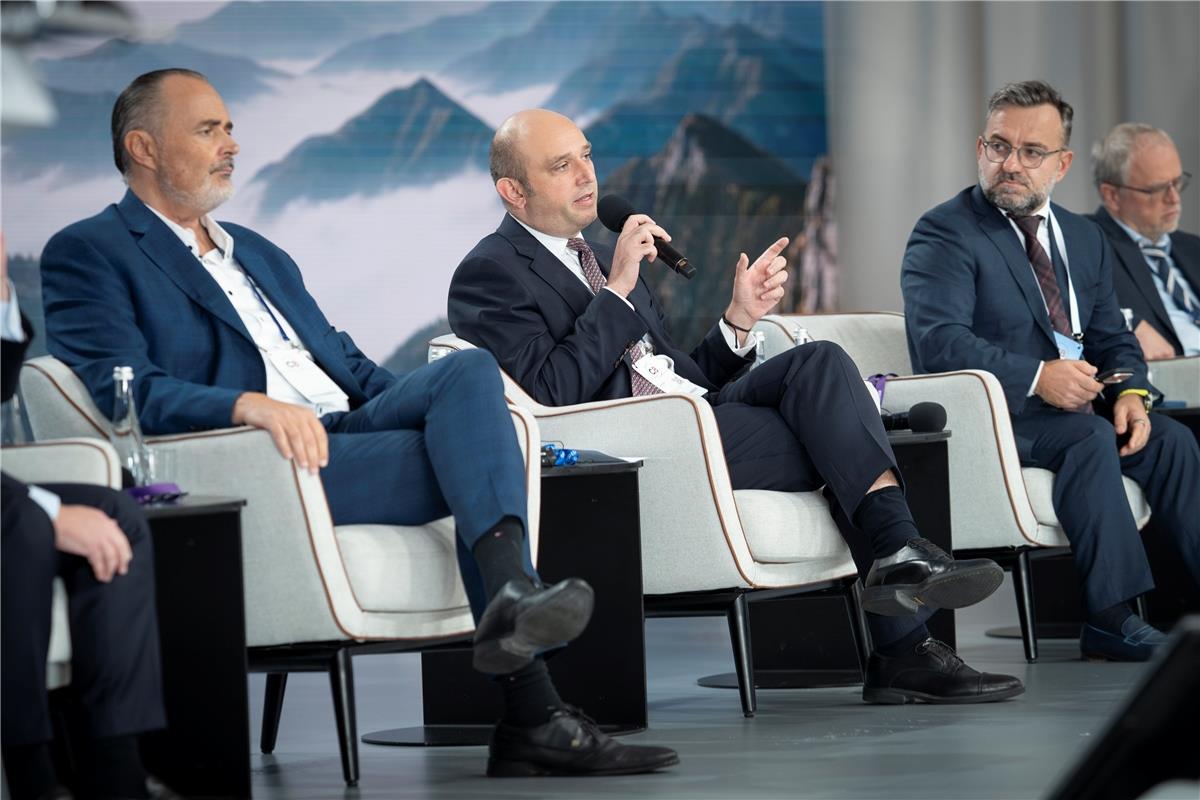
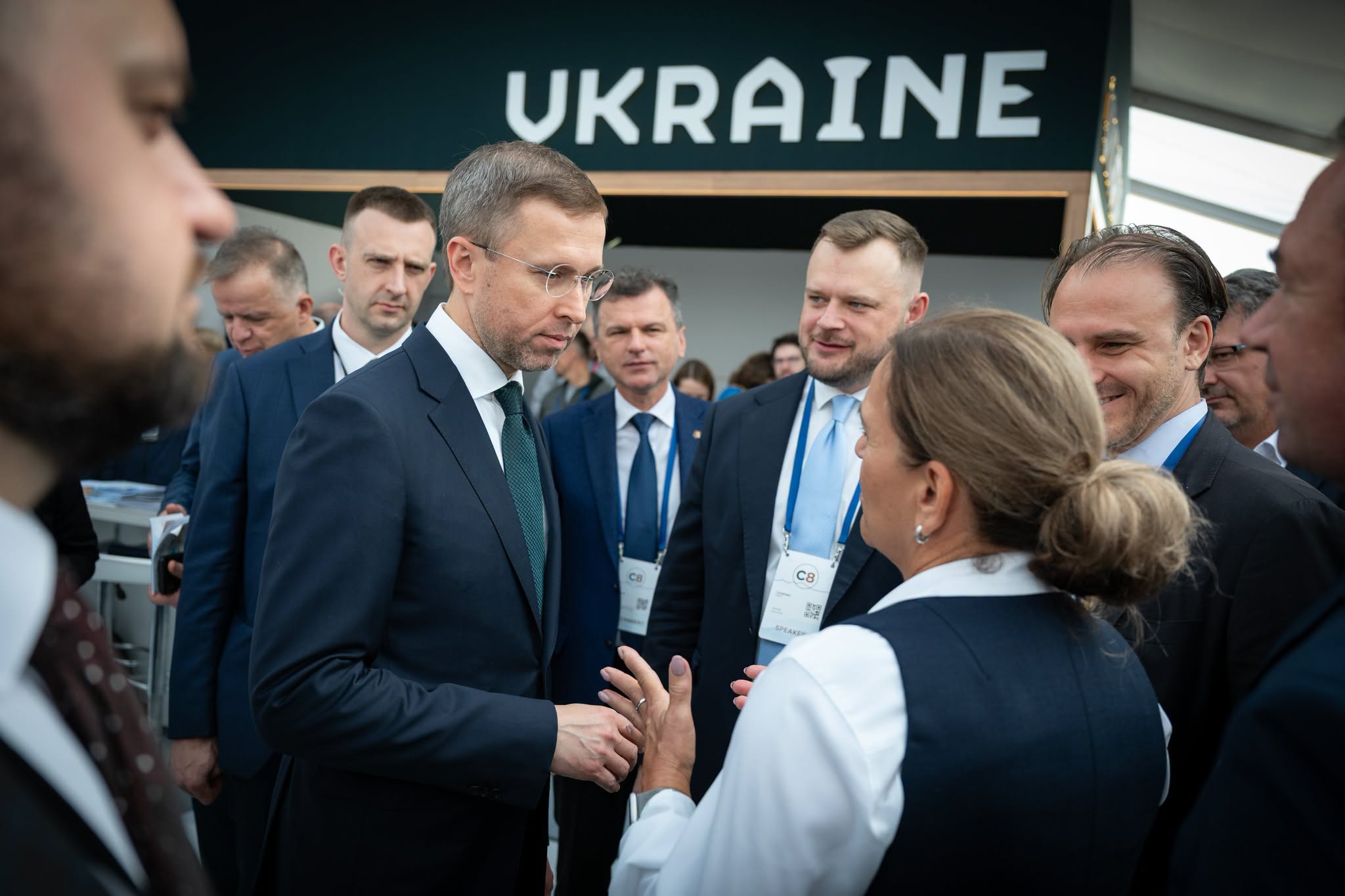
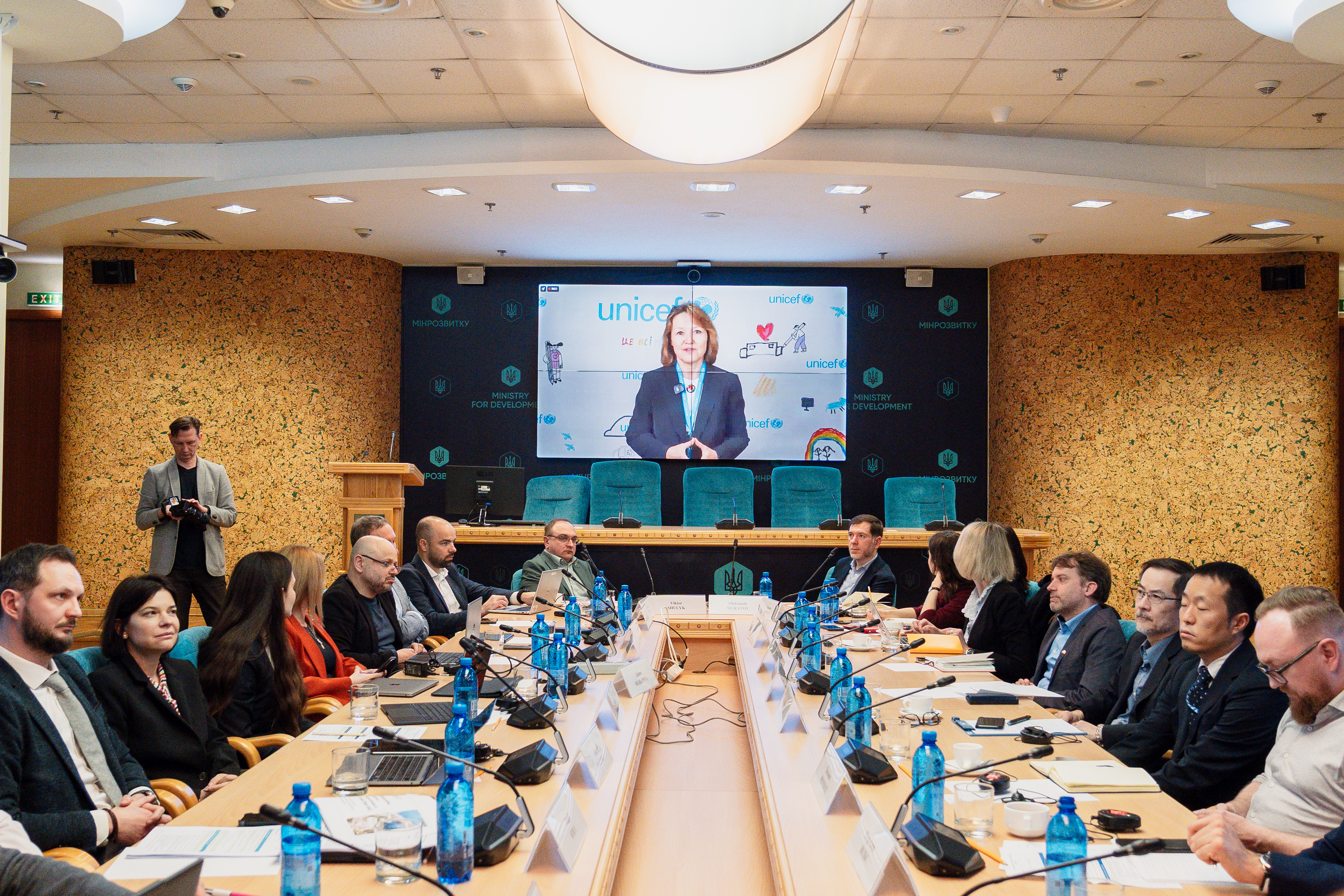
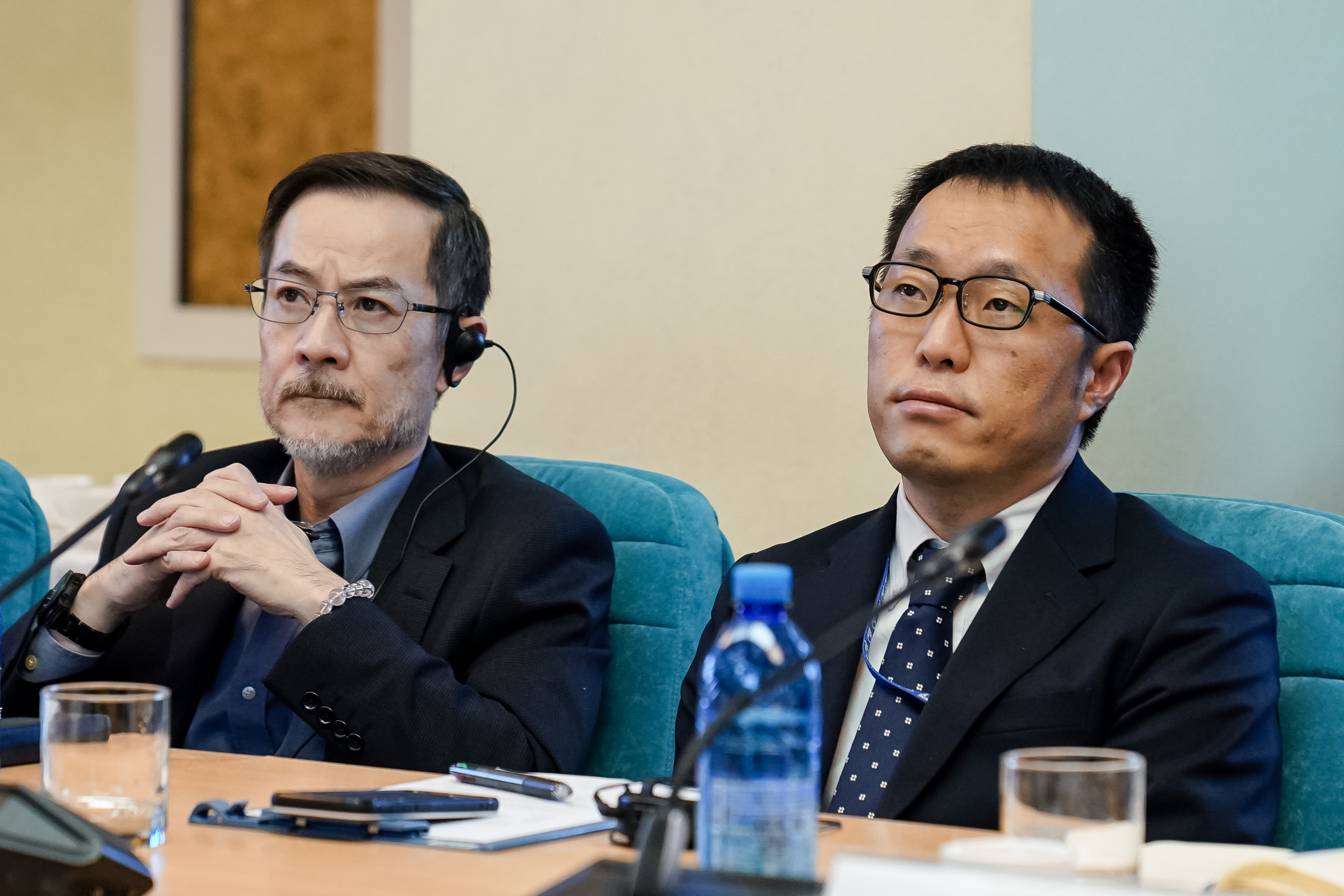
The recent hybrid meeting brought together over 50 participants, including co-chairs of Water SWG, Gaël Veyssière, Ambassador of France to Ukraine, and Nicolas Osbert, UNICEF Director for Water, Sanitation, and Hygiene, as well as representatives from international financial institutions, bilateral donors, UN agencies, and industry associations.
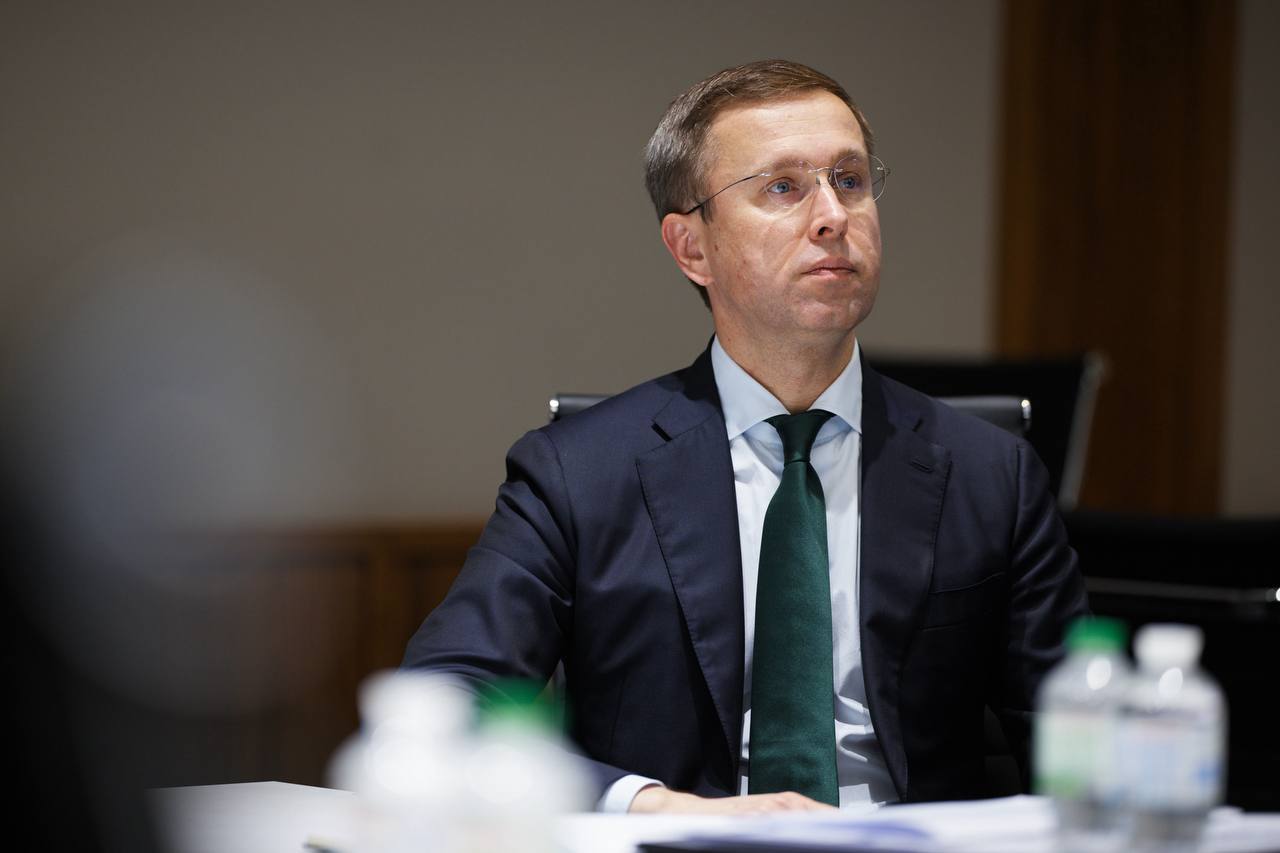
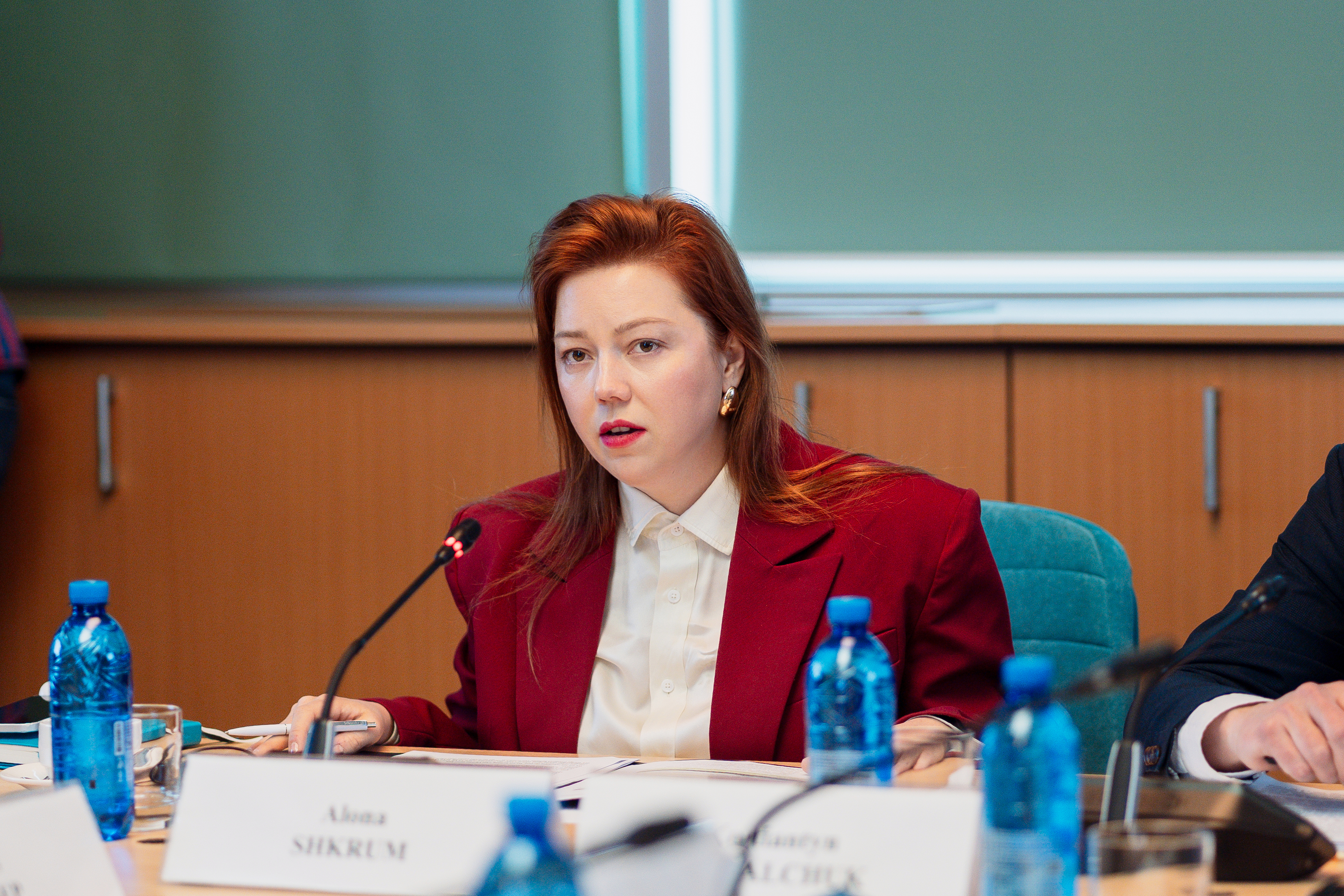
Aliona Shkrum, First Deputy Minister, emphasized the urgency of coordinated action: “The water sector faces enormous challenges: losses have already reached nearly $8 billion, damages over $14 billion, and recovery over the next decade will require an additional $17.5 billion. The fastest-growing needs are in this sector, so the only way forward is to work together — government, international partners, and financial institutions — as one team. This platform will allow us to act systematically and plan recovery for years ahead.”
Kostiantyn Kovalchuk, Deputy Minister, highlighted water as a national security issue:
“Centralized water supply and sanitation are critical for life support, healthcare, defense facilities, and key infrastructure. Resilience depends on our ability to operate during extended power outages. We are working closely with UNICEF, GIZ, the WASH cluster, partner governments, and financial institutions to overcome these challenges.”
Kovalchuk also presented the regional resilience plans, which focus on protecting critical infrastructure, developing distributed energy, ensuring backup power, and decentralizing water systems. “For the water sector, this means safeguarding water intakes, pumping and treatment stations, developing alternative sources, and modernizing systems,” he noted.
Water SWG will operate through six thematic subgroups, each co-led by a Ukrainian expert and an international partner, covering strategic planning and recovery, financial resilience, public-private partnerships and investment, regulatory harmonization, energy efficiency and emergency response, and human capital.
Participants also reviewed the comprehensive institutional architecture, including the Office for Water Infrastructure Recovery and EU Integration, the Reform Support Team and Program Management Unit, the E-Water digital platform, state programs “Energovoda” and “Ekostoki,” and the national Water Academy.
Water SWG will follow a structured annual calendar: subgroups begin work in April 2026, and plenary meetings will be held quarterly in June, September, and December, with the Secretariat providing continuous follow-up.
Expected outputs include government recommendations, analytical reports, policy briefs, and reform roadmaps.
Andriy Pavlenko, Secretary of Water SWG, summarized: “Water SWG is not just another coordination forum. It is a mechanism that turns intentions into action — from crisis response to systemic recovery and sustainable development of Ukraine’s water sector.”