

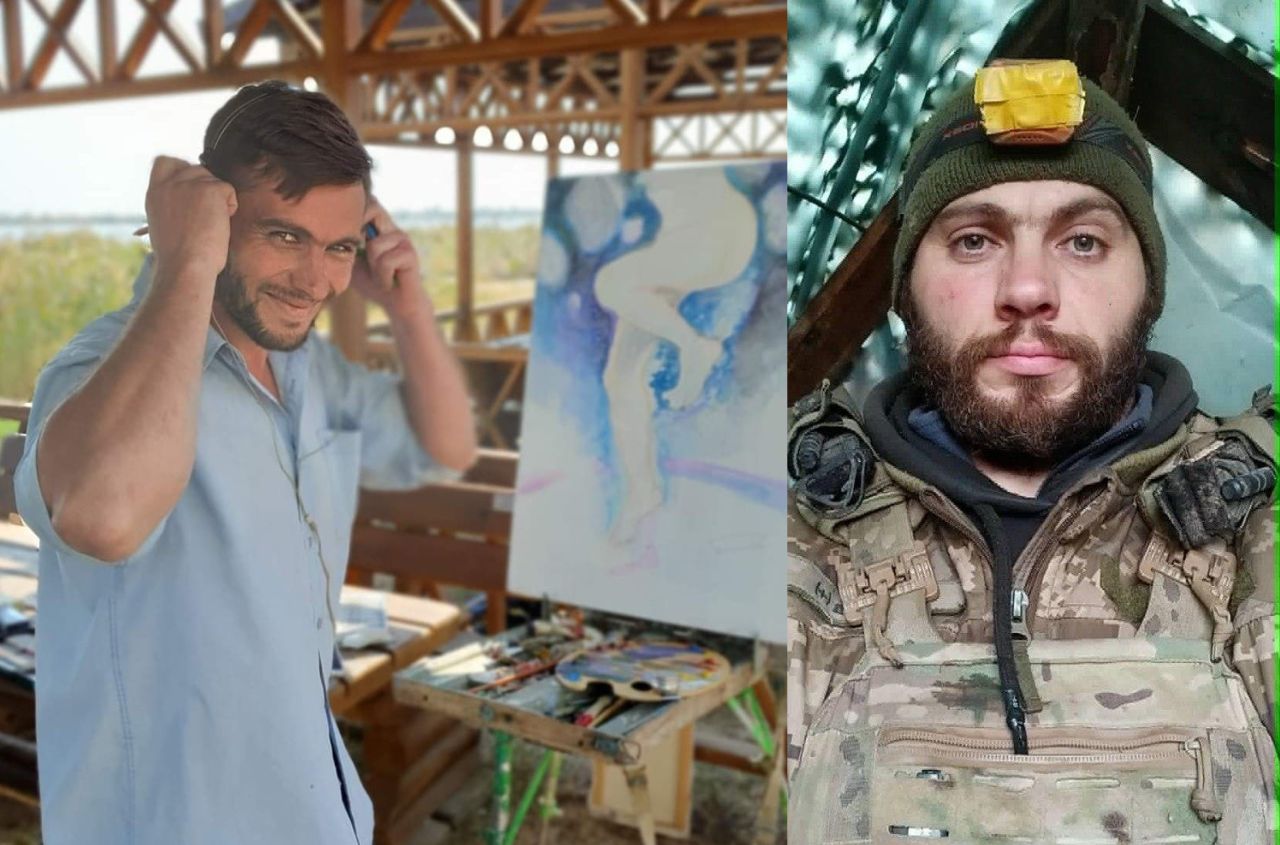
Main image: Oleksandr Simachenko
The twenty-ninth interview through images by Andrew Sheptunov
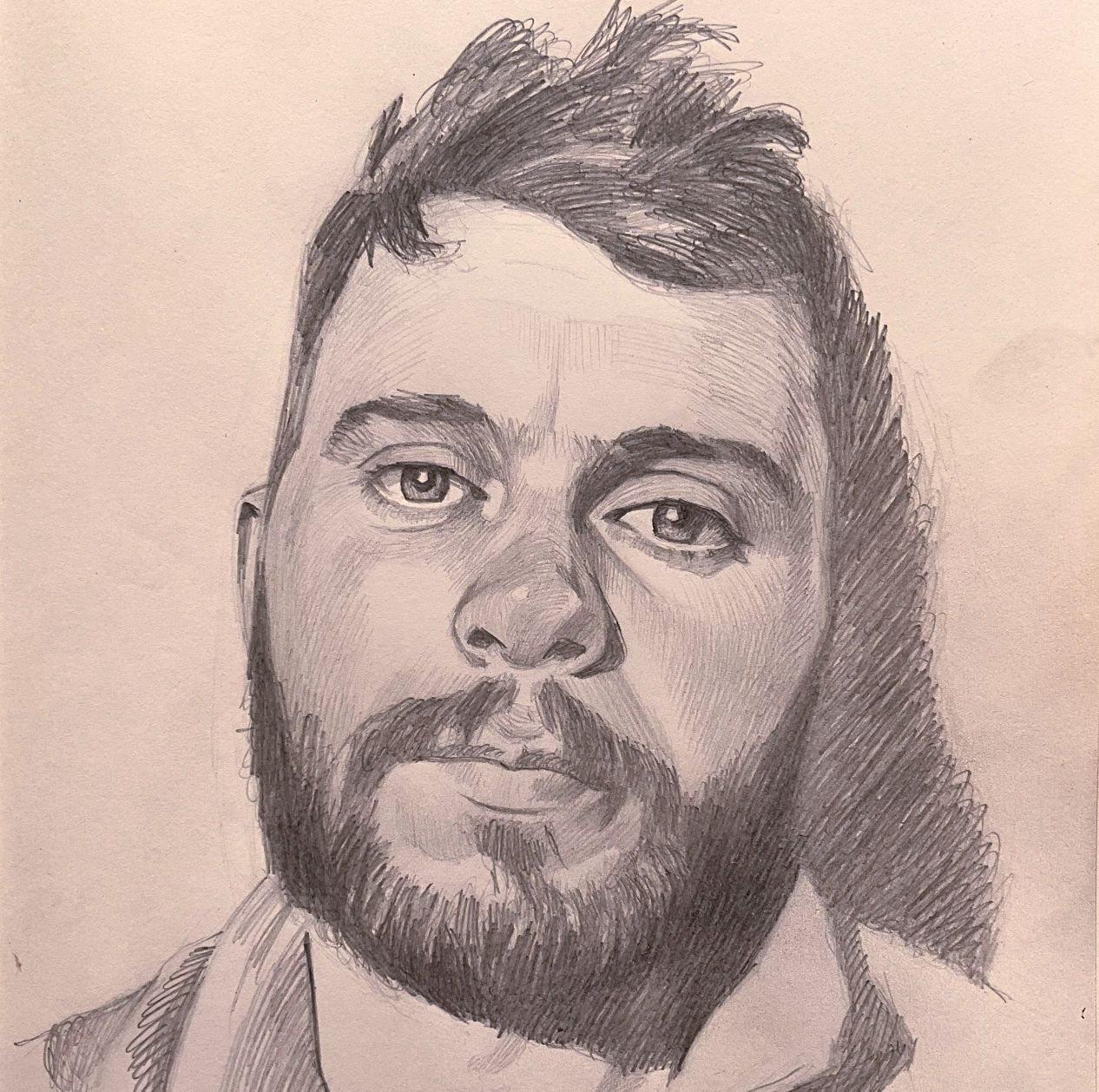
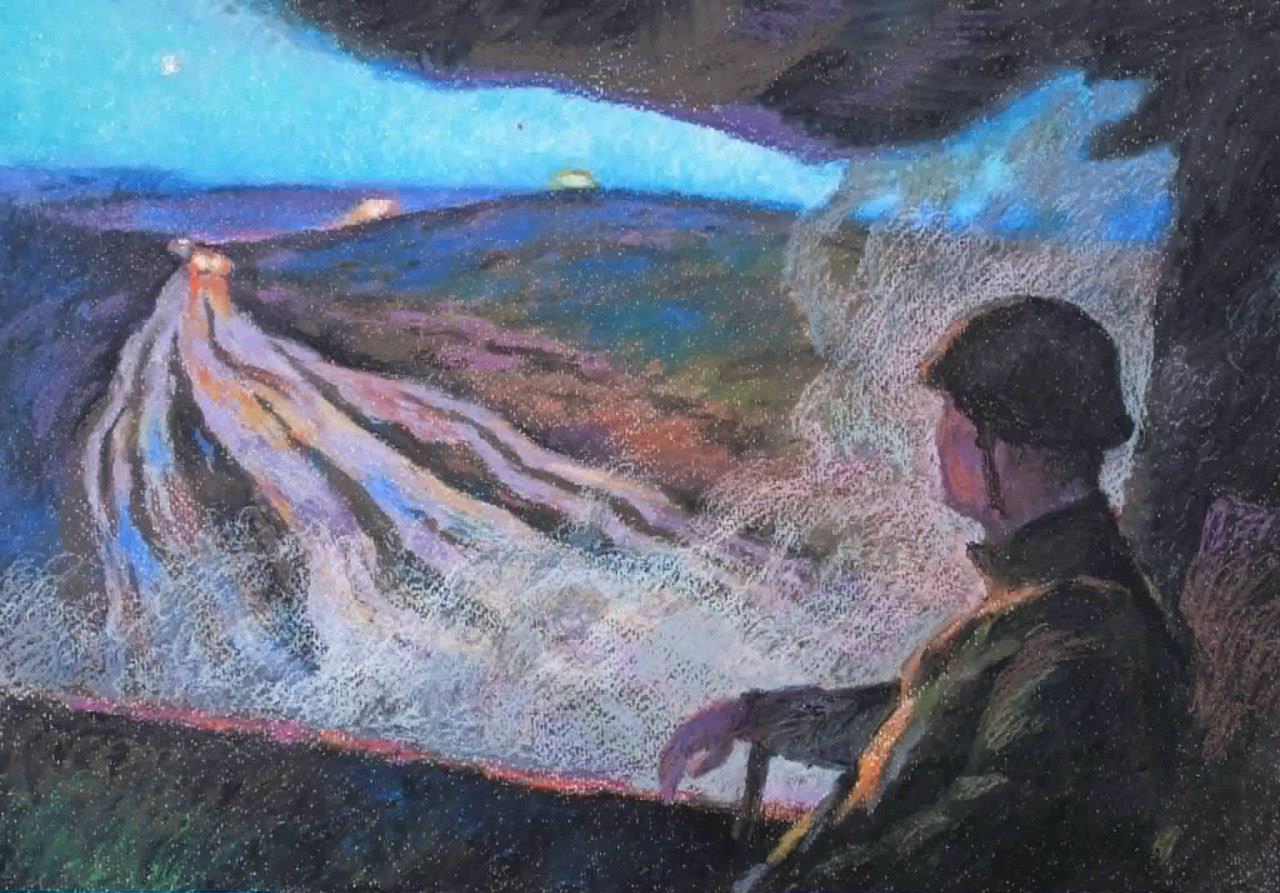
War has its own sound—the thunder of artillery—and its own color—the hue of scorched steppes and pixel camouflage. But in the hands of a soldier, even an ordinary pencil or a piece of oil pastel becomes a tool of resistance against oblivion. In our special column "You in the Army Now," we introduce you to those who have learned to balance the hardships of military service with a delicate artistic perception of the world. Today, our hero is Oleksandr Simachenko, an artist whose works have become a visual diary of a modern struggle.
Oleksandr is a man whose roots and creative heart are inextricably linked to Odessa. Before the full-scale invasion, he was inspired by architecture: cozy streets, monumental bridges, and the "green ocean" of the Odessa coast near the Mother-in-Law’s Bridge. His style is a blend of graphic precision and the emotional richness of pastel. Even now, clad in pixel and holding a weapon, he remains an architect of images, searching for order in the chaos of war through the prism of lines.
His work today is more than just landscapes or portraits; it is a profound reflection on world classics within Ukrainian realities. When Oleksandr creates a piece titled “All Quiet on the Eastern Front,” he deliberately appeals to Remarque. But while for the German classic it was a phrase of despair, for Oleksandr, it is a statement of the harsh reality of our Eastern Front, where behind every "no change" lies the titanic labor and resilience of the Ukrainian soldier.
The artist’s biography is now being written not in cozy studios, but in the fields of Donbas and along the Kherson lines. Oleksandr recalls drawing “Moonrise” at midnight, under the roof of a dugout, shielding a headlamp with his hand so as not to give away his position, yet trying to catch that brief moment of silence between shellings. This is art on the edge: where every line could be the last, and every color is a manifesto of faith in tomorrow’s morning.
Oleksandr Simachenko’s art is his personal "fortress of the soul." In his sketchbooks, memories of a peaceful village in the Apennines neighbor the reality of earthen homes—dugouts. It is a search for comfort where it shouldn't exist, and hope where destruction reigns. His works prove that while the enemy can shell the land, they cannot blind the eyes of an artist who sees the sun that will surely rise over the free Dnipro River.
This material is an unconventional interview. We invited Oleksandr to answer our questions not with words, but with his works. Each piece below is a direct response to an emotional prompt, where the stroke of a pencil and a smudge of pastel speak far more than any text.
1. Show us a work that best describes your internal state right now.
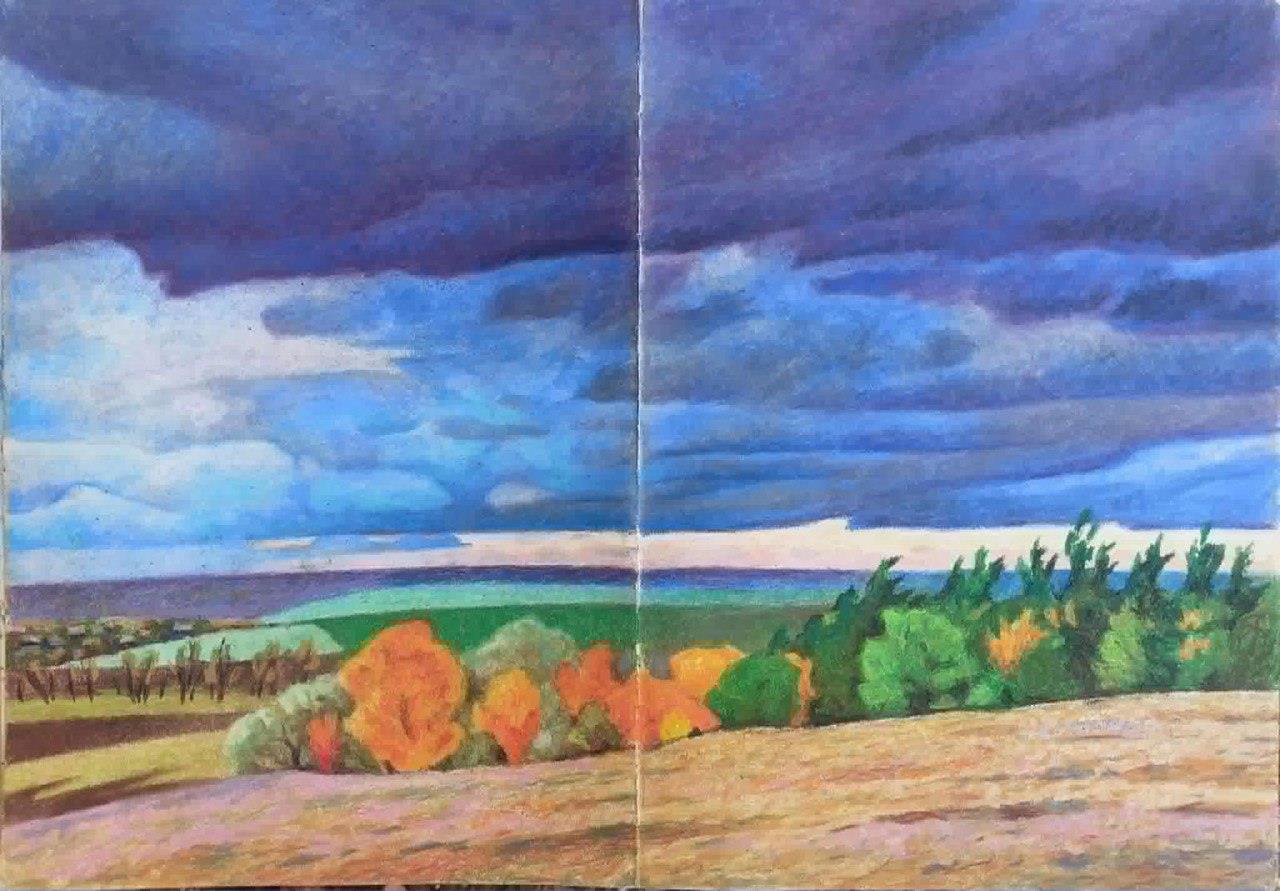
Artist’s Comment: "This is a reference to the origin of the title of Remarque's novel, only in our case, the front is not Western."
2. Which of your paintings became a true "point of support" for you after the service began?
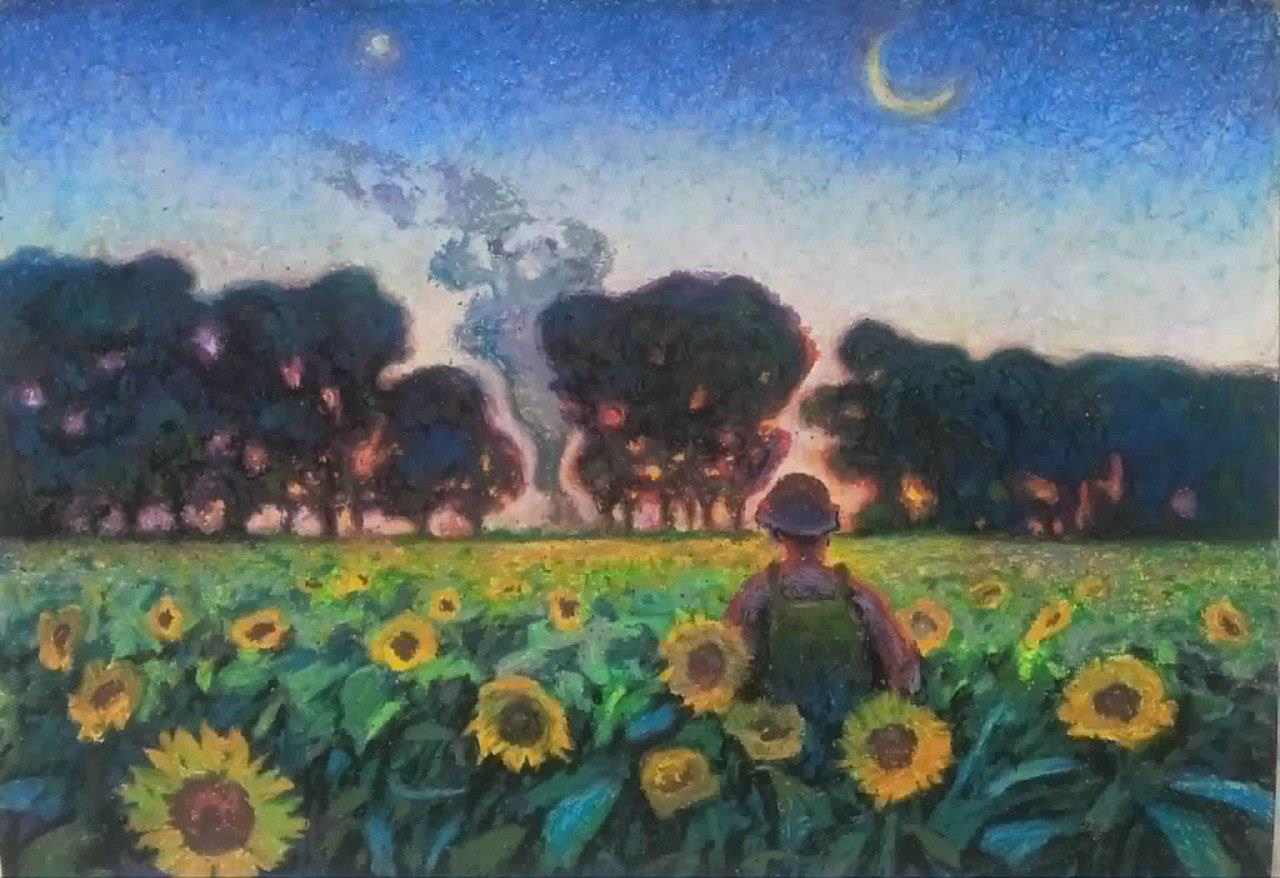
Artist’s Comment: "This painting is a symbol of hope and enthusiasm for me—the hope that we, Ukrainians, can change the course of this terrible and ugly war, that we can influence events and repel the aggressor. This hope was so strong on the eve of the liberation of the right bank of the Kherson region that it gave me an incredible surge of faith in tomorrow. This is my point of support—the belief that we can end the war with our victory, no matter how scary and difficult it may be."
3. A work depicting a bridge that symbolizes the connection between "yesterday" and "tomorrow."
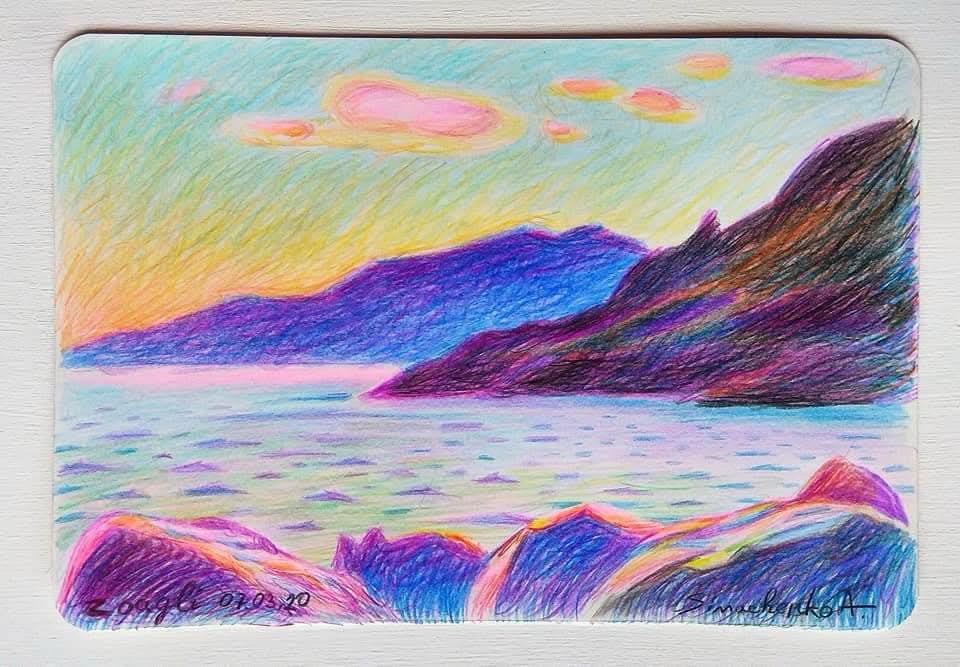
Artist’s Comment: "For me, this work means that no matter how difficult today is, tomorrow can be better, and the sun will surely rise! The bridge between them is the night that connects these two states, and here, it is just arriving."
4. A work in which you see your "self-portrait," even if it depicts another person or a building.
5. Show a drawing that was created in the most unsuitable conditions for creativity.
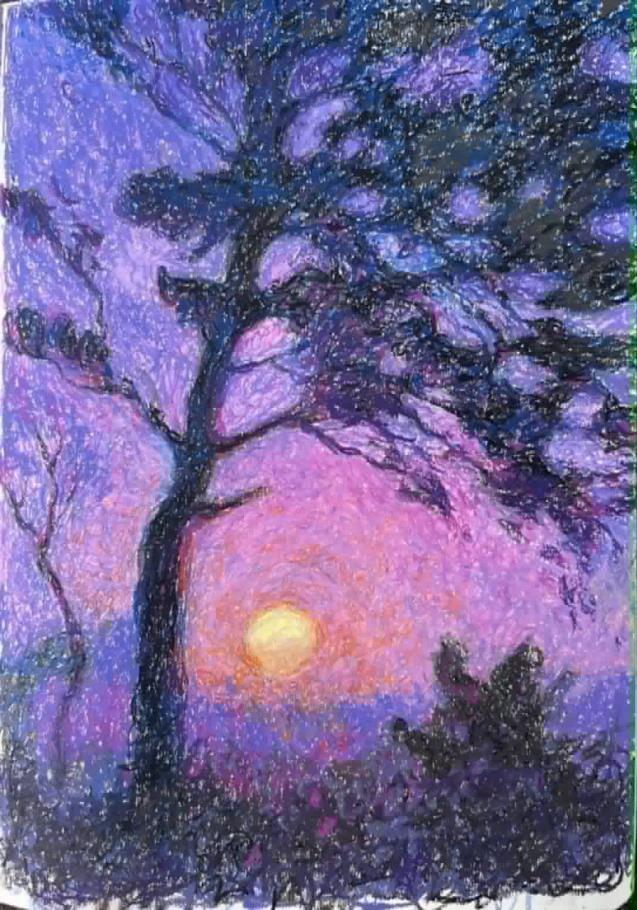
Artist’s Comment: "Drawn at midnight in May 2023, in the fields of Donbas between tasks. For a moment it became suddenly quiet, the sounds of shells died down enough to hear the crickets, and I felt a strong urge to capture this moonrise, to convey the moment of gentle late-spring twilight. I drew by the light of a headlamp under a dugout roof, shielding it with my hand to see the landscape, expecting the shelling to resume at any second."
6. A work that reminds you of home when you are far away.
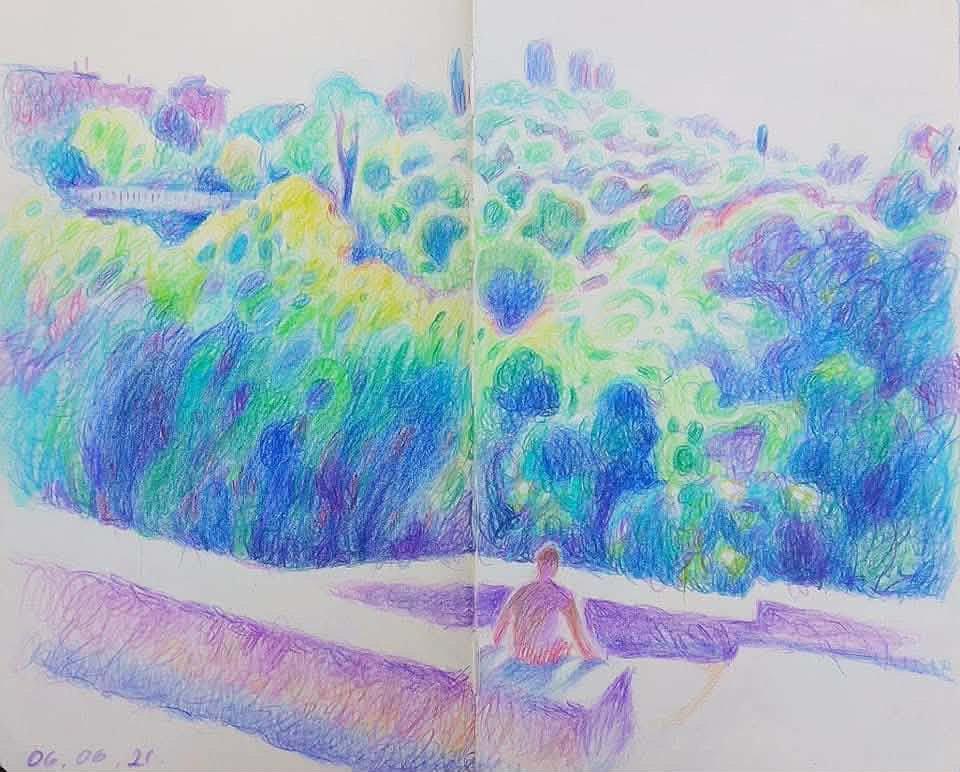
Artist’s Comment: "Drawn in Odesa near the 'Mother-in-Law’s Bridge' on Zhvanetsky Boulevard. For me, it is a symbol of the Odesa that is home and comfort, as I remember it before the invasion."
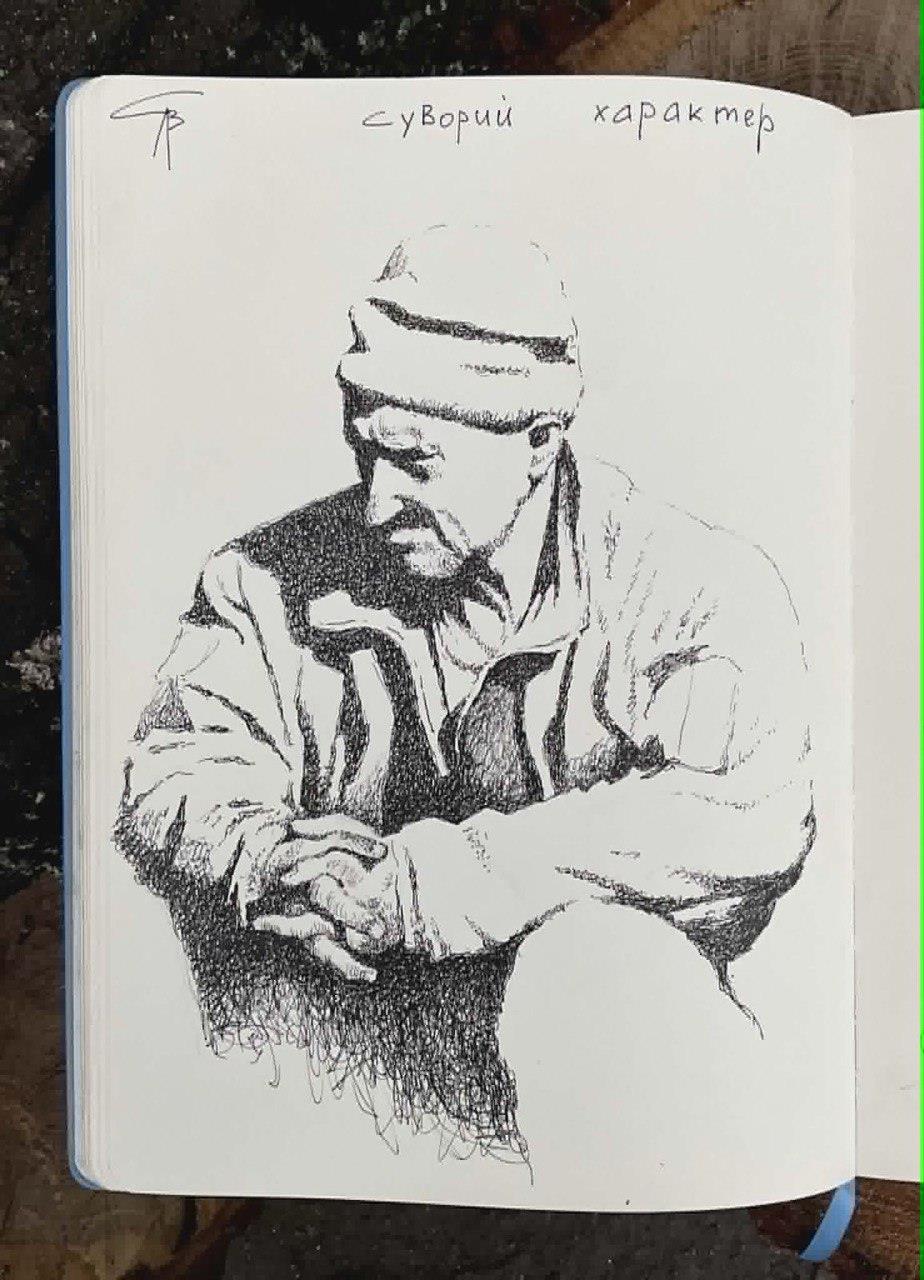
7. A work where the absence of color (black and white) speaks more than a painting could.
8. Show a building that symbolizes the concept of a "fortress of the soul" for you.
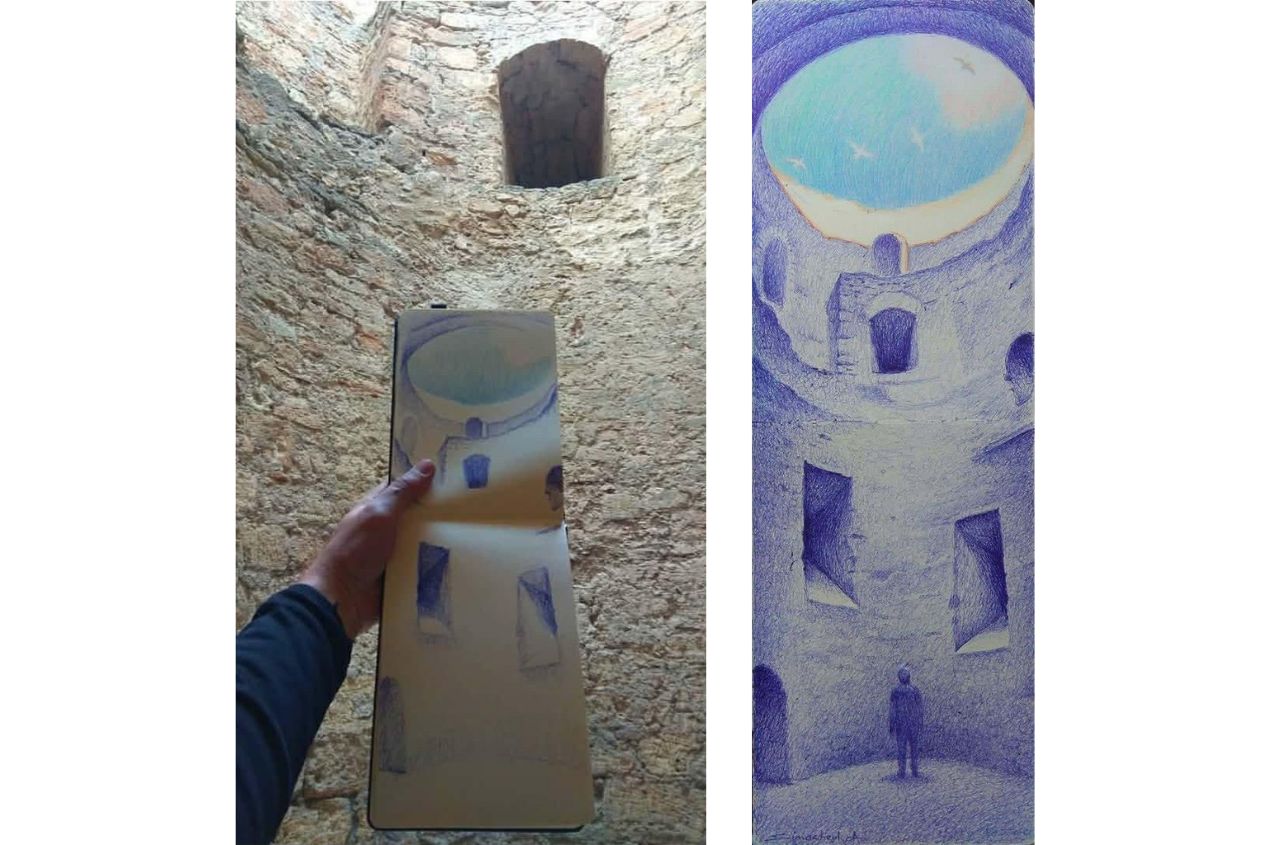
Artist’s Comment: "A 'fortress of the soul' can be both a symbol of a support point and a place that begins to press in with its walls, creating a sense of imprisonment from which one wants to escape."
9. The coziest building in your work, where you would like to hide from the whole world.
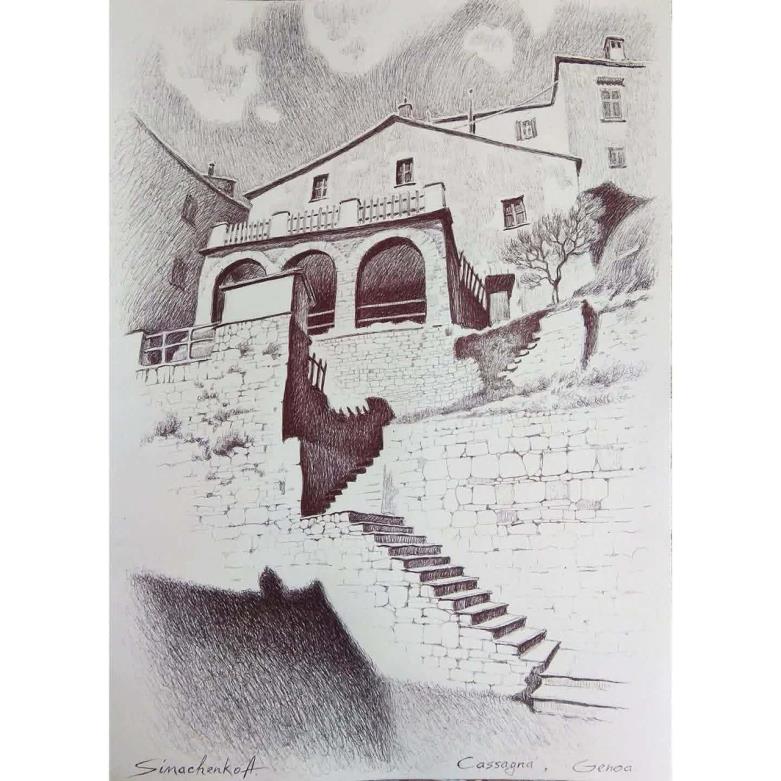
Artist’s Comment: "I once visited a tiny village in the Apennine Mountains in Liguria. The buildings I saw there left an image in my mind of where I would want to hide from all the anxieties of the outside world."
10. A work you would like to leave as a message for future generations.
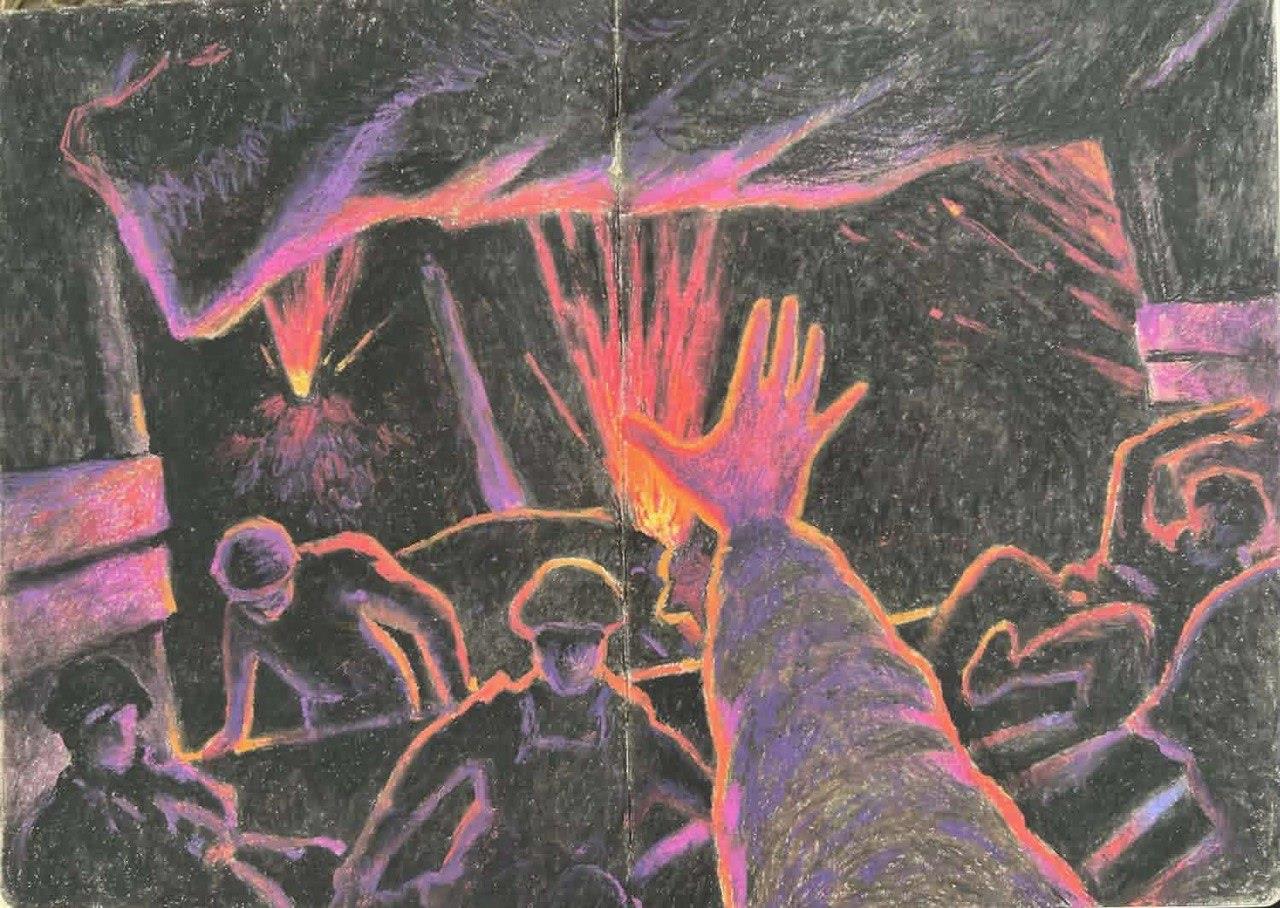
Artist’s Comment: "I want future generations to never know what explosions and war are—at all."
11. A work you consider your greatest creative success at the moment.
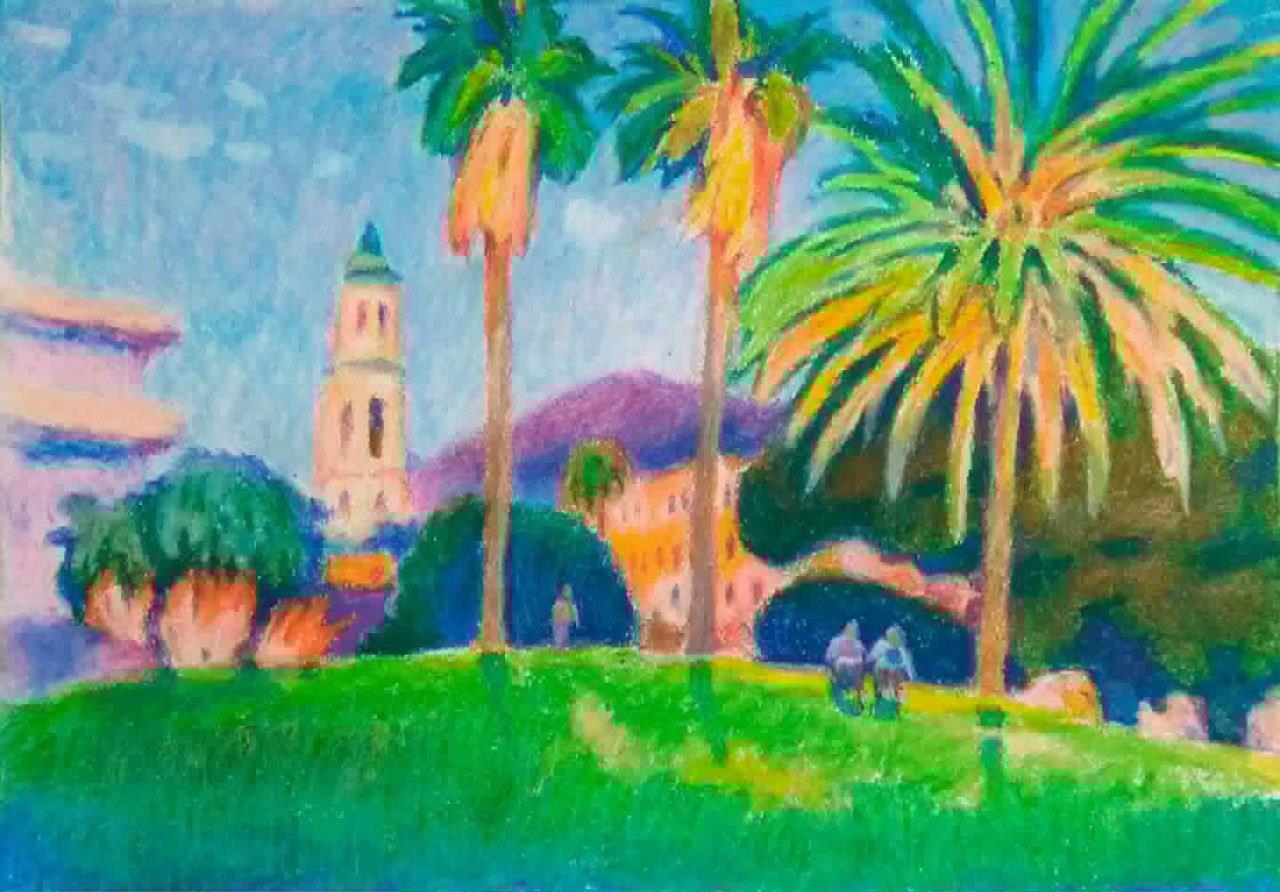
Artist’s Comment: "I like this drawing for its life-affirming energy and effortless execution—something I rarely manage to achieve."
12. Show a sketch that will be the first step toward your large solo exhibition after Victory.
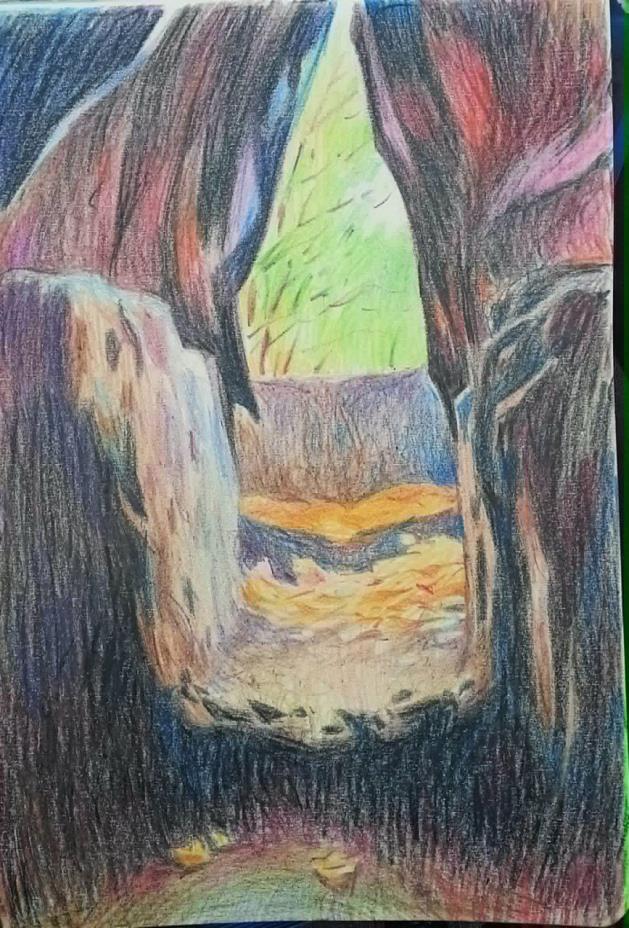
The story of Oleksandr Simachenko is not just about art; it is about the ability to remain human and a creator even when the world is crumbling. Every stroke of his pencil is a quiet but powerful resistance against the darkness. Today, we see the war through his eyes: harsh, yet full of hope and incredible inner strength.
Supporting our defender-artists today is of utmost importance. It gives them a sense of connection to the peaceful life they are fighting for and the confidence that their creativity is needed here, in the rear.
Follow Oleksandr's new works, support his creative journey, and learn more about his daily life on his official Facebook page.