

Main Image: Stanislav Ostrous
The thirty-fourth interview through images by Andrew Sheptunov
In an era where news feeds update every second and digital images of war instantly circle the globe, analog photography becomes an act of profound resistance against oblivion. Film demands time, physical presence, and forgives no mistakes.
This philosophy is the core of our special column, Silver and Steel: Documentarians of Our Time, where we speak with authors capturing Ukrainian reality through the prism of a lens and chemical processes.
The hero of this issue is Stanislav Ostrous, a renowned Ukrainian documentary photographer. Although many associate him with frontline Kherson or unconquered Kharkiv—where he lived, created projects, and taught photography for many years—Stanislav was born in 1972 in the city of Zhmerynka.
He is a resident and participant in the influential collectives UPHA (Ukrainian Photographic Alternative) and MYPH, and his works had gained recognition at European biennales and photo festivals long before the full-scale war.
Ostrous's working method is a conscious rejection of the rush and randomness of digital rapid-fire shooting. In his hands is a medium-format Rolleiflex 3.5 or the legendary Leica. He shoots primarily on black-and-white film and slide, favoring the classic silver gelatin process or digital pigment printing. For him, every release of the shutter is a deliberate step, and every print preserves the physical trace of light reflected off shattered buildings or exhausted faces.
The social significance of his work today is hard to overstate. From the very first days of the full-scale invasion, Stanislav recorded the darkest and coldest days of Kharkiv, documented people surviving in the basements of Pivnichna Saltivka, and captured daily life.
in frontline Kherson under constant shelling. His piercing series about the inhabitants of the "grey zone" (Civilians) was shortlisted for the prestigious international Leica Oskar Barnack Award in 2025, forcing the global community to look directly into the eyes of the Ukrainian tragedy without filters.
Ostrous's frames are published in leading global media, becoming not just reportage, but true historical artifacts that document crimes against humanity while simultaneously revealing the incredible resilience of the Ukrainian people.
In this feature, we offered Stanislav a special format: to answer existential questions not with words, but with his archives. His text comments here are merely short, almost technical notes on the margins of history. The main voice in this interview belongs to Light, Shadow, and Film.
Below is the author's direct speech, where instead of elaborate sentences, his works—created at the epicenter of historical fractures—do the talking.
1. What does absolute silence look like in a city accustomed to the sounds of war?
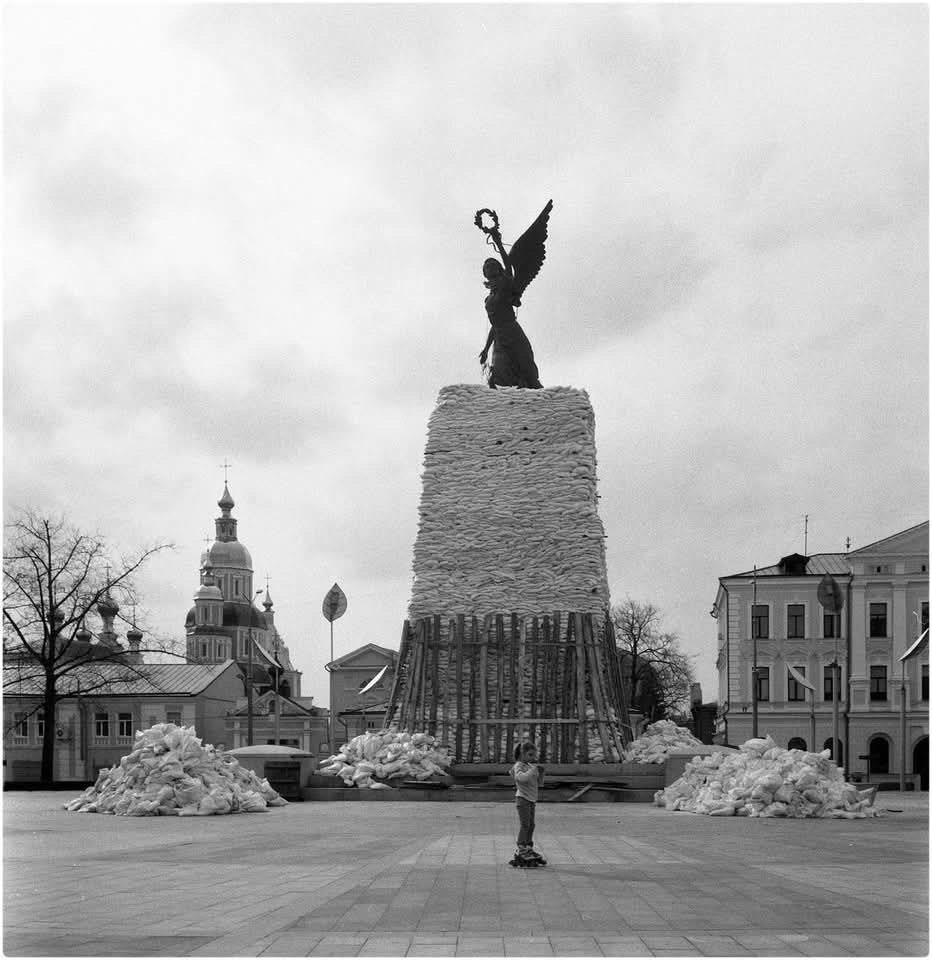
2. What remains in the frame when fear disappears?
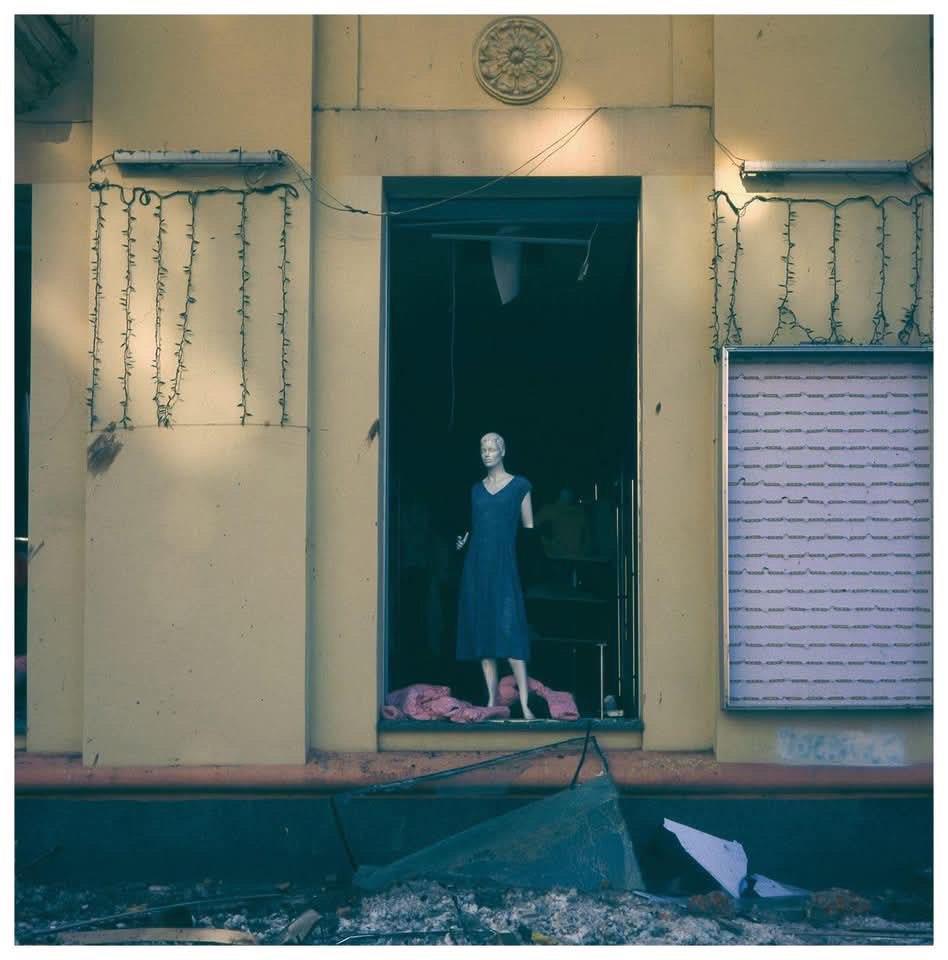
A showcase of a trendy boutique in the center of Kharkiv. The first day after receiving accreditation. I calmed down because I started working. The equipment is the same. Only slide film.
3. Where does the light hide when there is absolute darkness around?
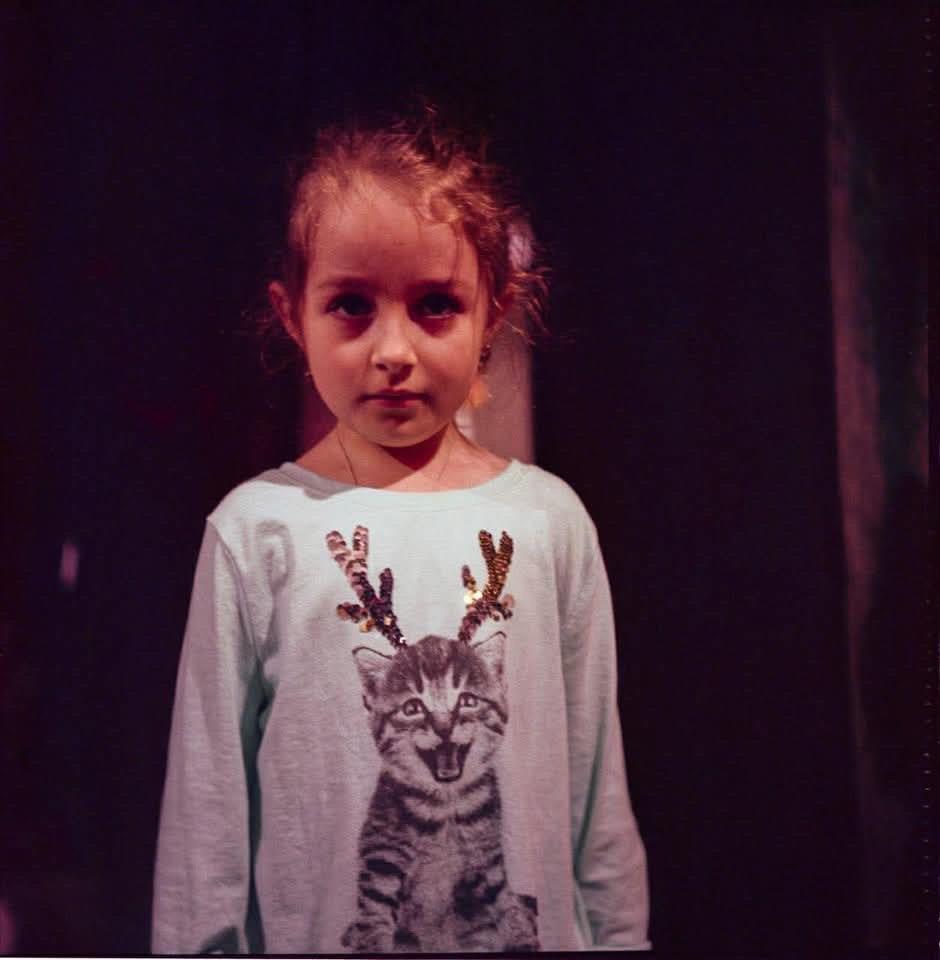
Kharkiv. Saltivka. Children have been living in a basement for three months now. The equipment is the same. Portra 400 film.
4. Which gaze of your subject will you never be able to forget?
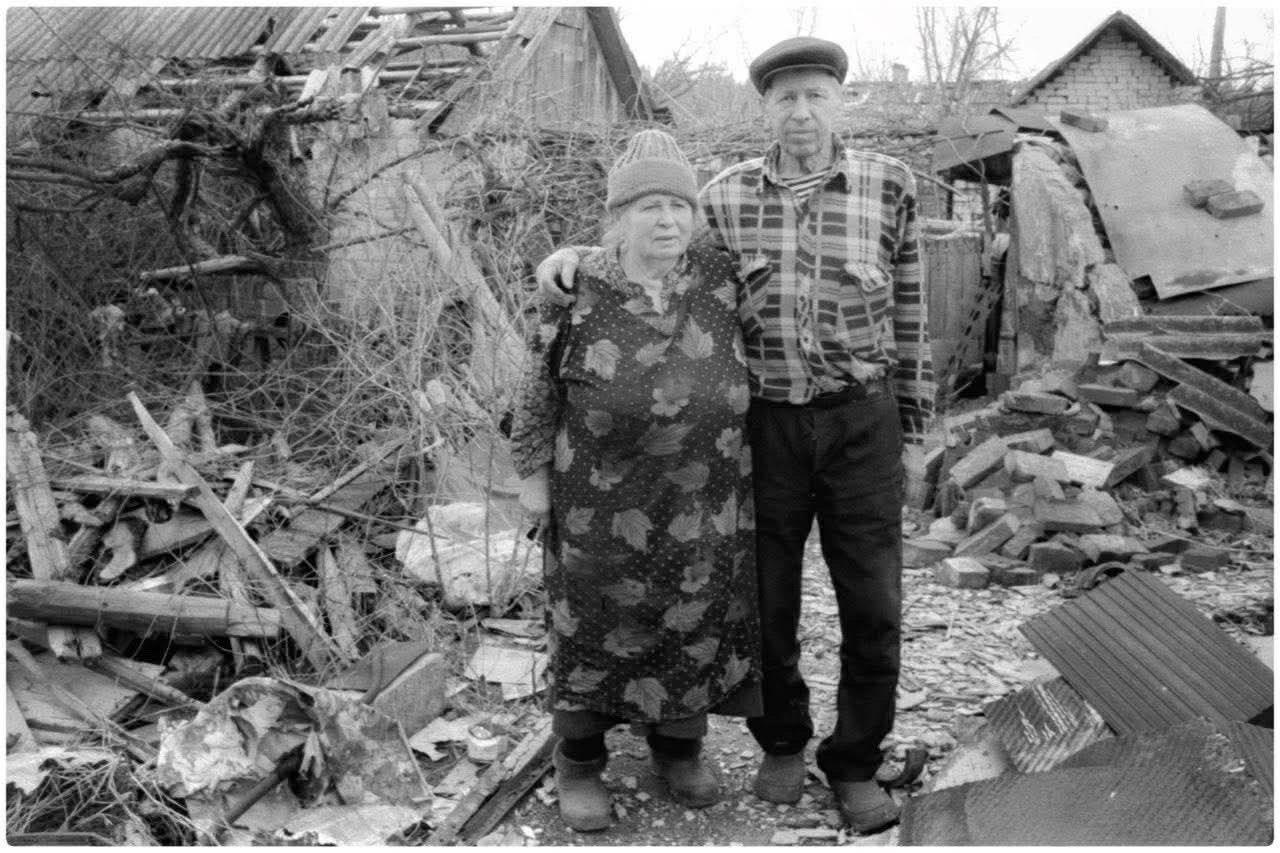
The photo was taken in the Donetsk region in the spring of '23. Residents returned home, to what was left of it.
5. What does the courage of people who do not wear a military uniform look like?
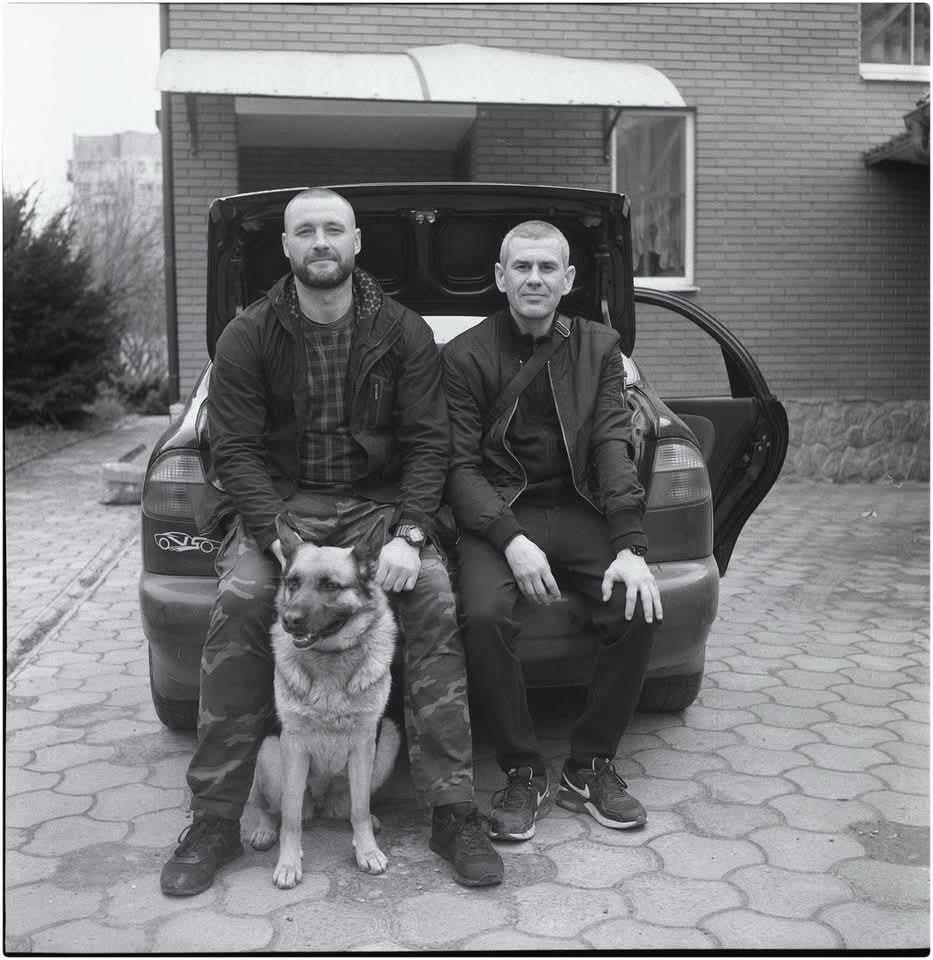
These are two very brave volunteers, I need to check my notebooks for their names, I don’t remember. In the spring of 2022, they were rushing to Pivnichna Saltivka and evacuating people from there. There are many volunteers, but these two were the first.
6. What does the moment look like when a person has nothing left to lose?
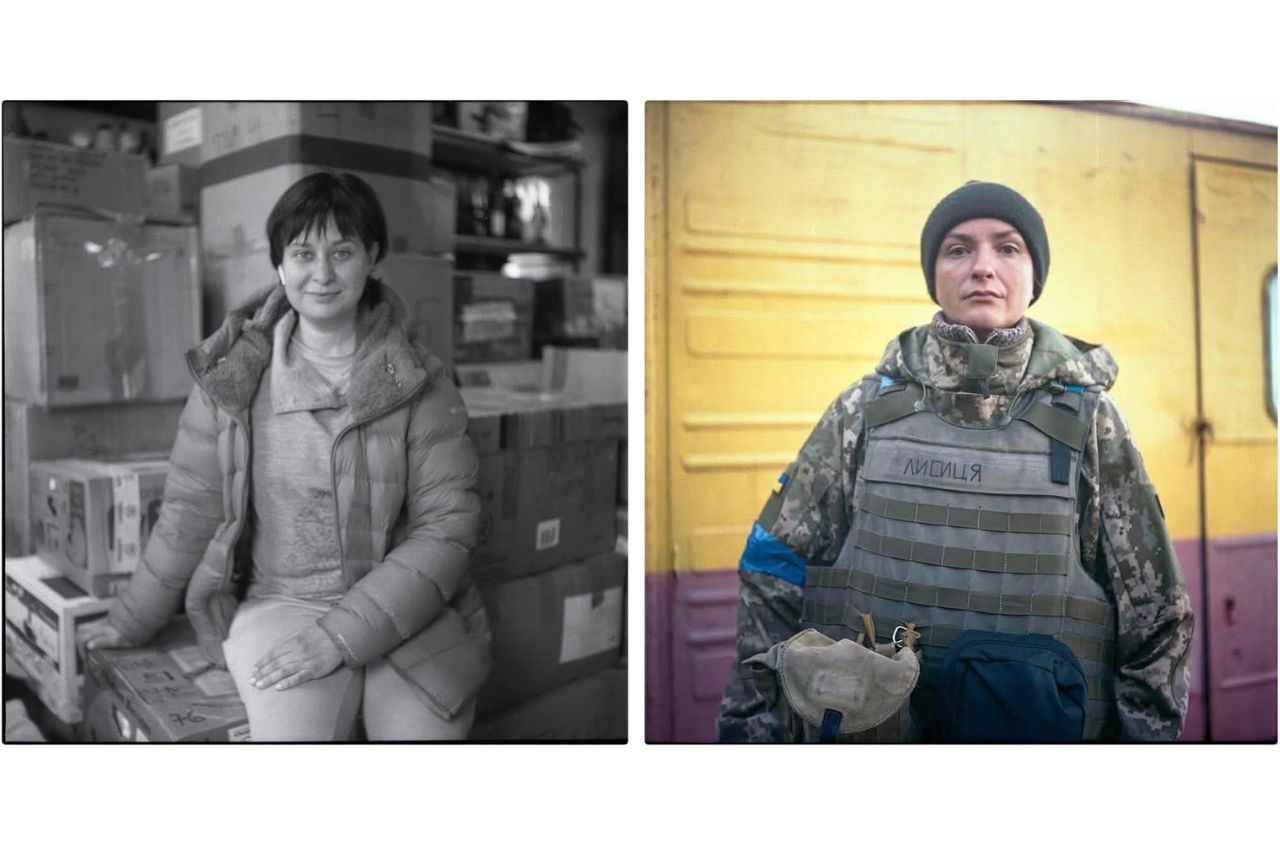
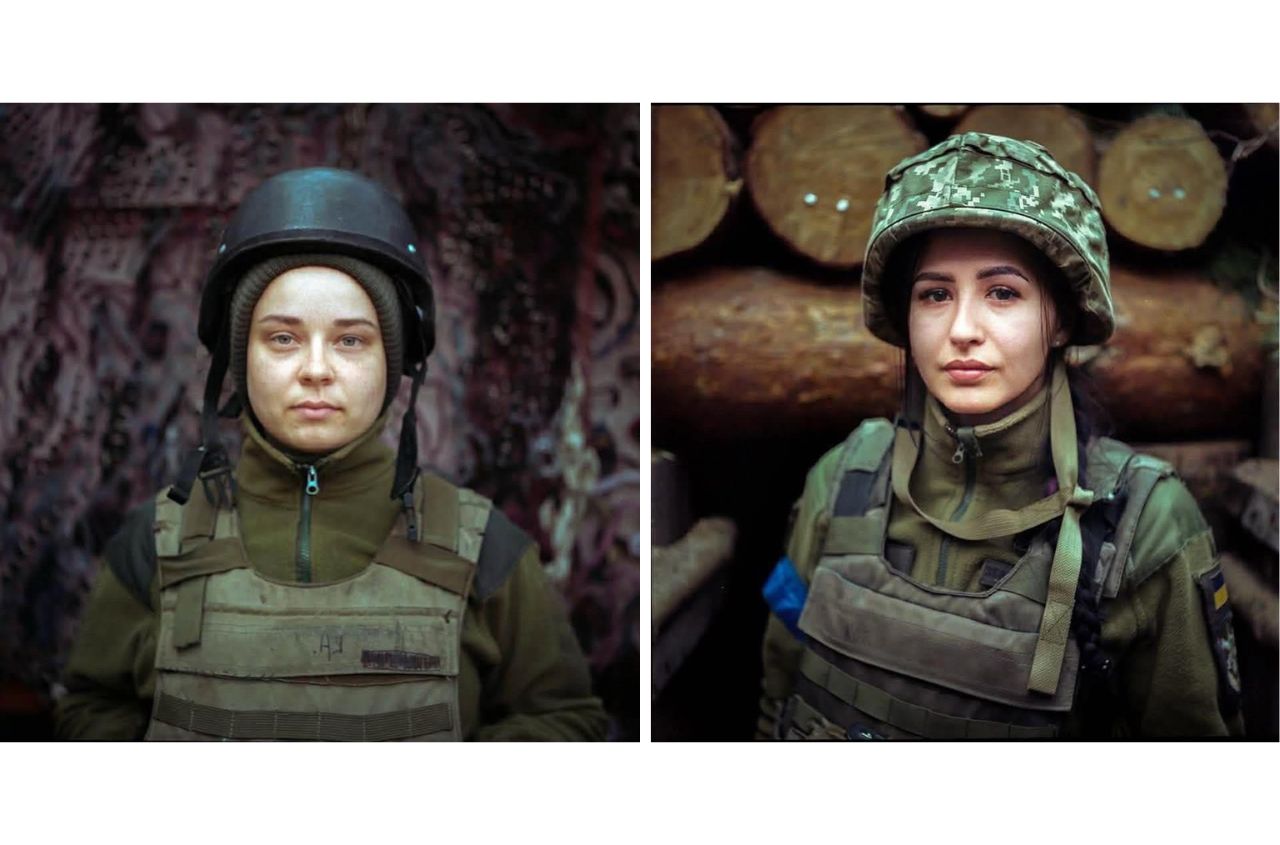
This is roughly what people who have nothing left to lose look like!
7. Which detail of shattered everyday life in your photos screams the loudest?
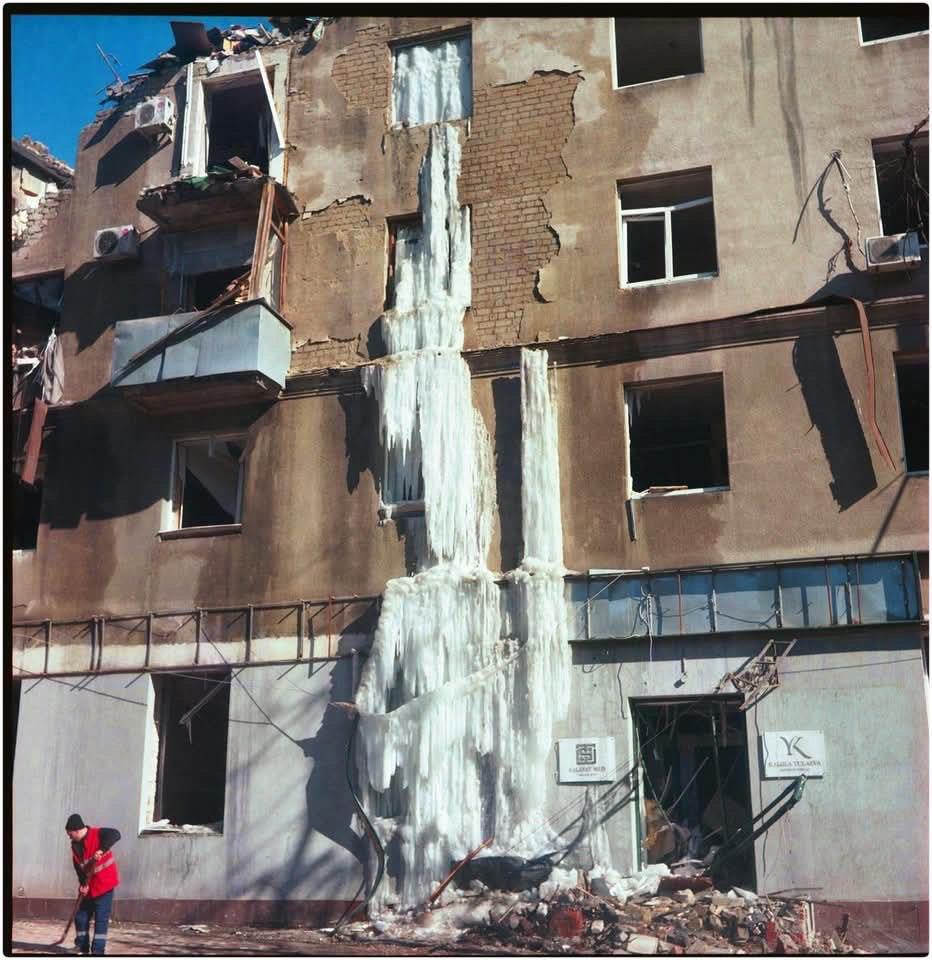
Blocks of ice from the windows. March 2022. Kharkiv. City center. Slide film. Size 20x20cm.
8. Which moment from the "grey zone" best conveys the absurdity of what is happening?
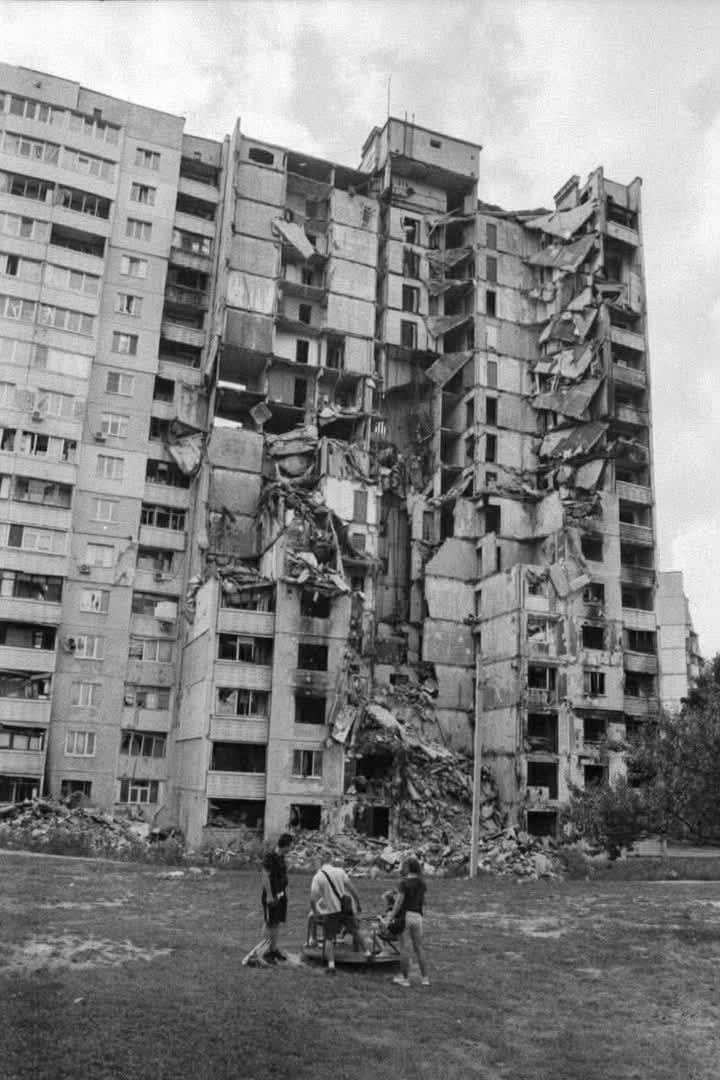
Pivnichna Saltivka. Summer 2022. Children on the playground. Film.
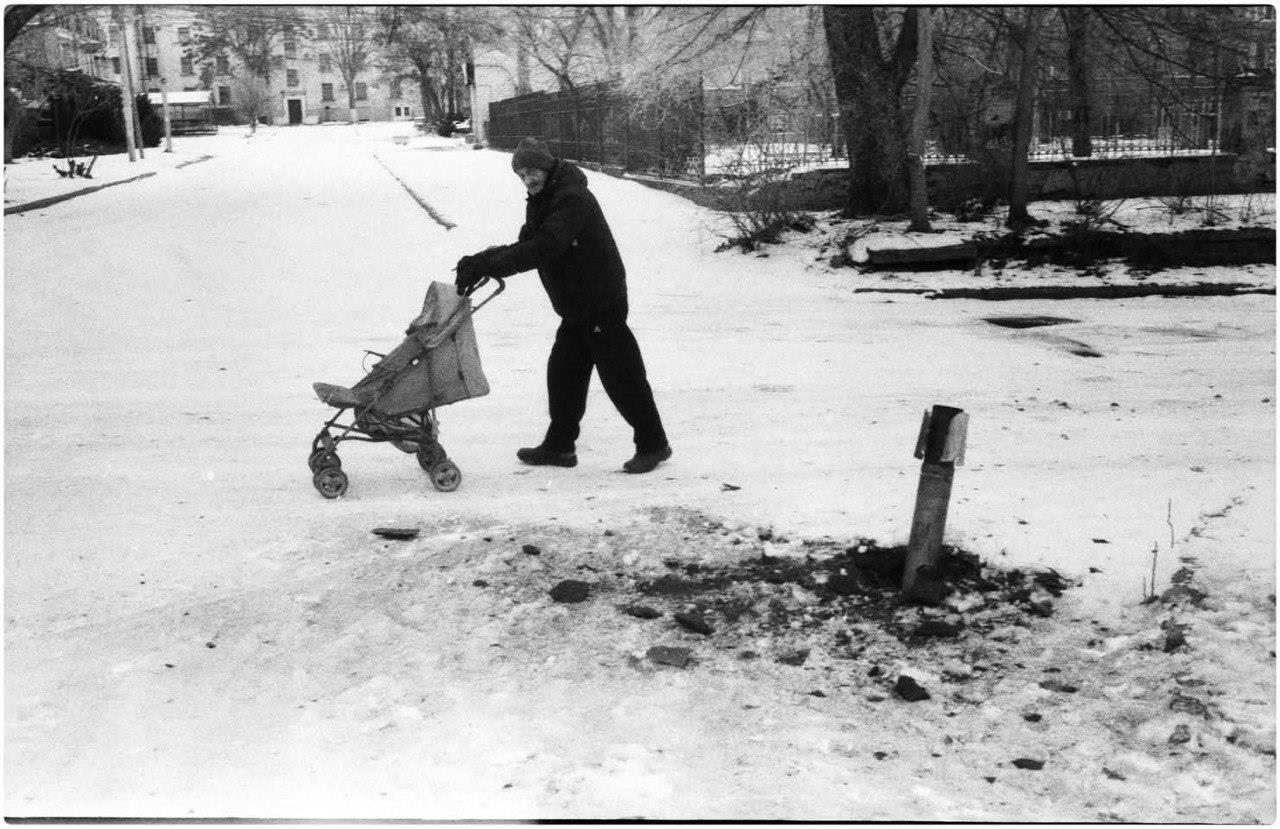
Kherson. 2026. Film. Leica.
9. Which of your works best describes the phrase "beauty in scars"?
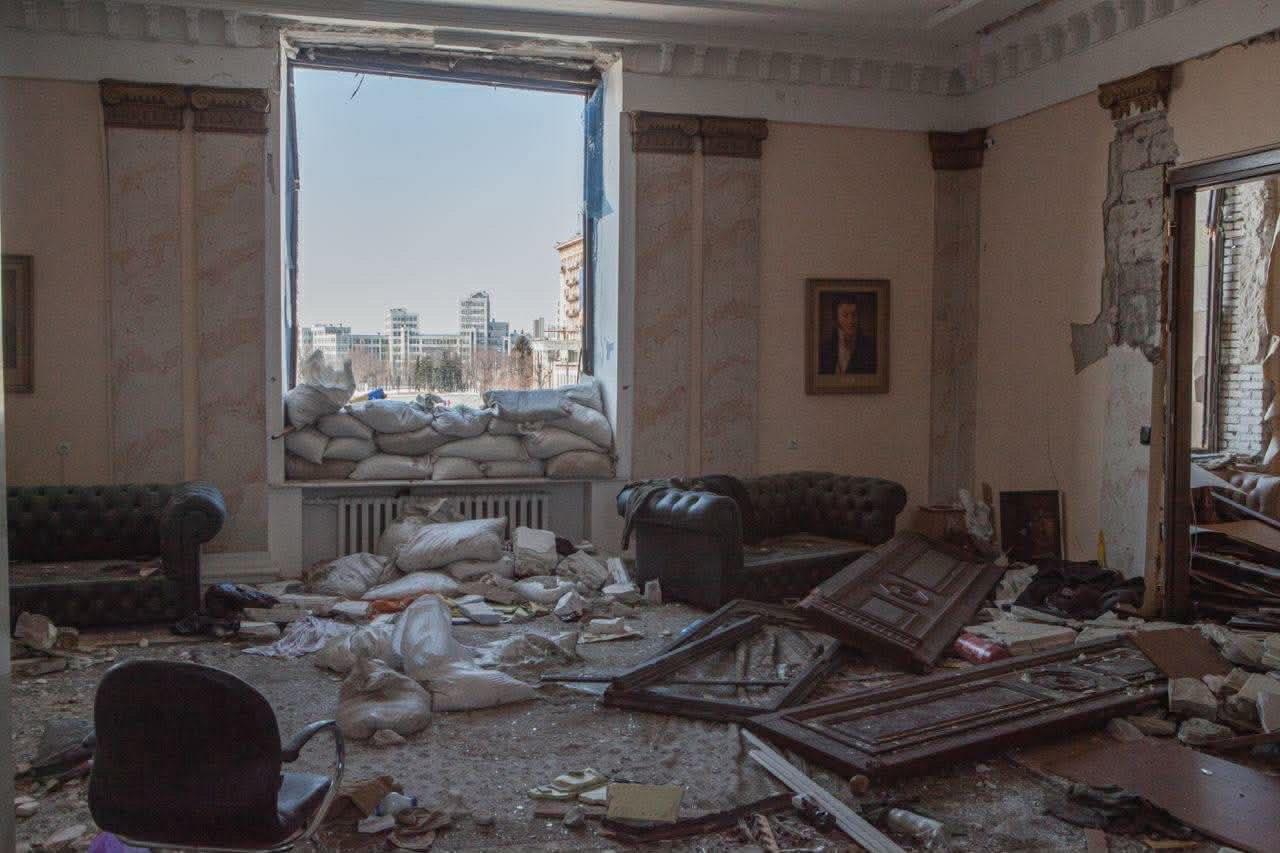
The beauty and pride of Kharkiv, the Derzhprom (State Industry Building), through the window of the destroyed Regional State Administration building. March 2022. Digital pigment print. 60x90cm.
10. Where in your shots does dry documentary end and your personal, raw emotion begin?
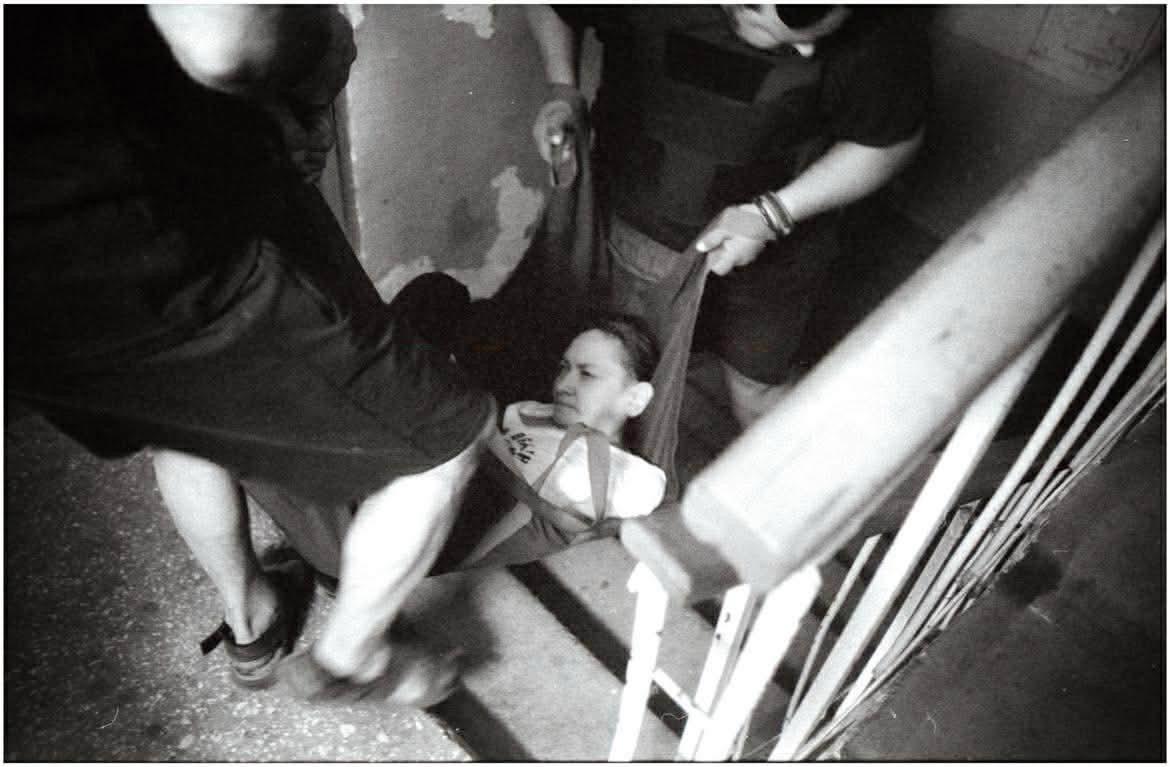
Dry documentary ends in shots like this. I deeply sympathize with people forced to endure such tragic events, when, unable to even walk, they are literally carried out of their own apartments onto the street.
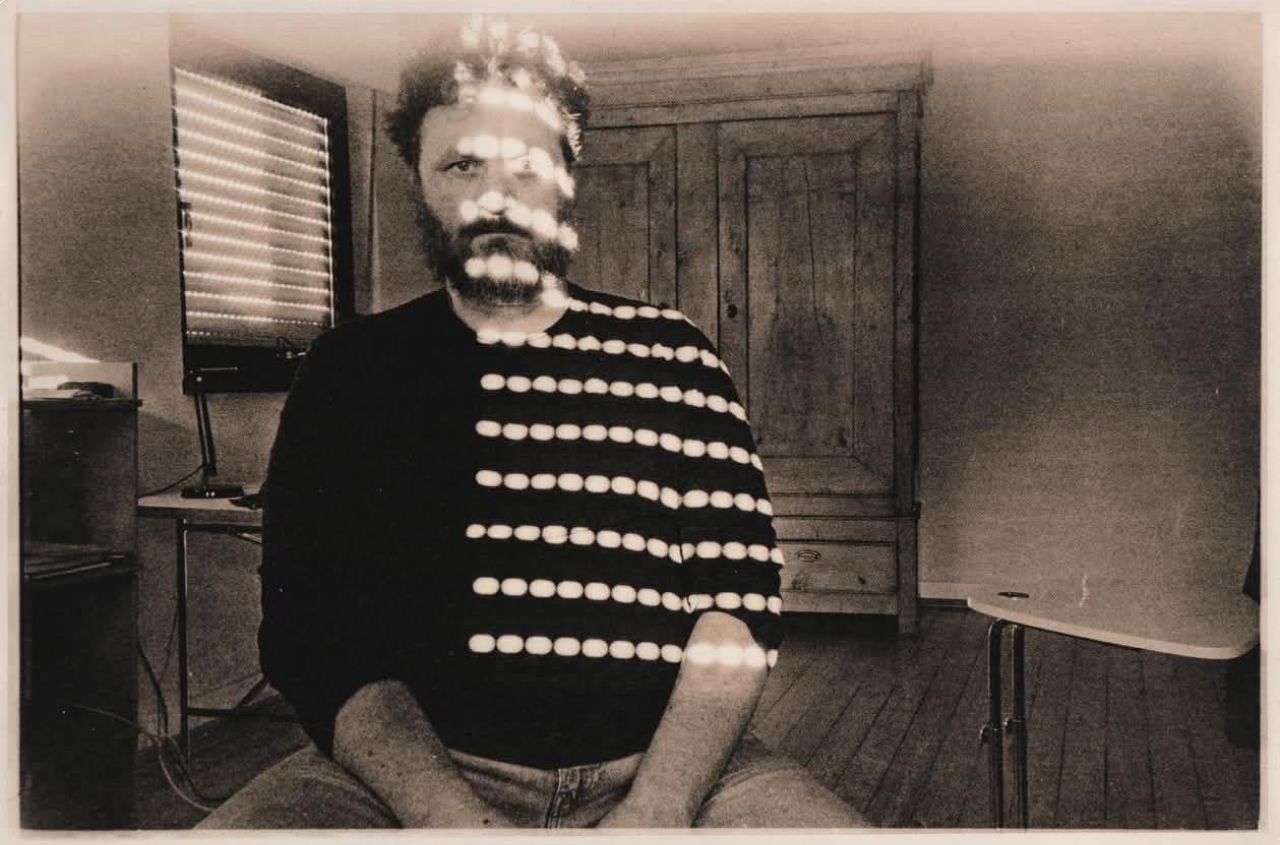
11. Which of your frames is your inner self-portrait, even if you are not physically in it?
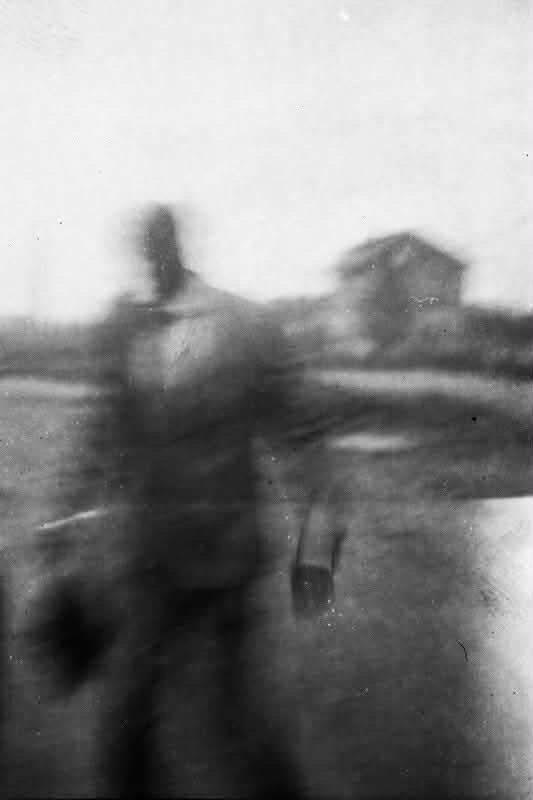
12. If you had to show future generations just one photo to explain what Ukrainians are going through, which work would it be?
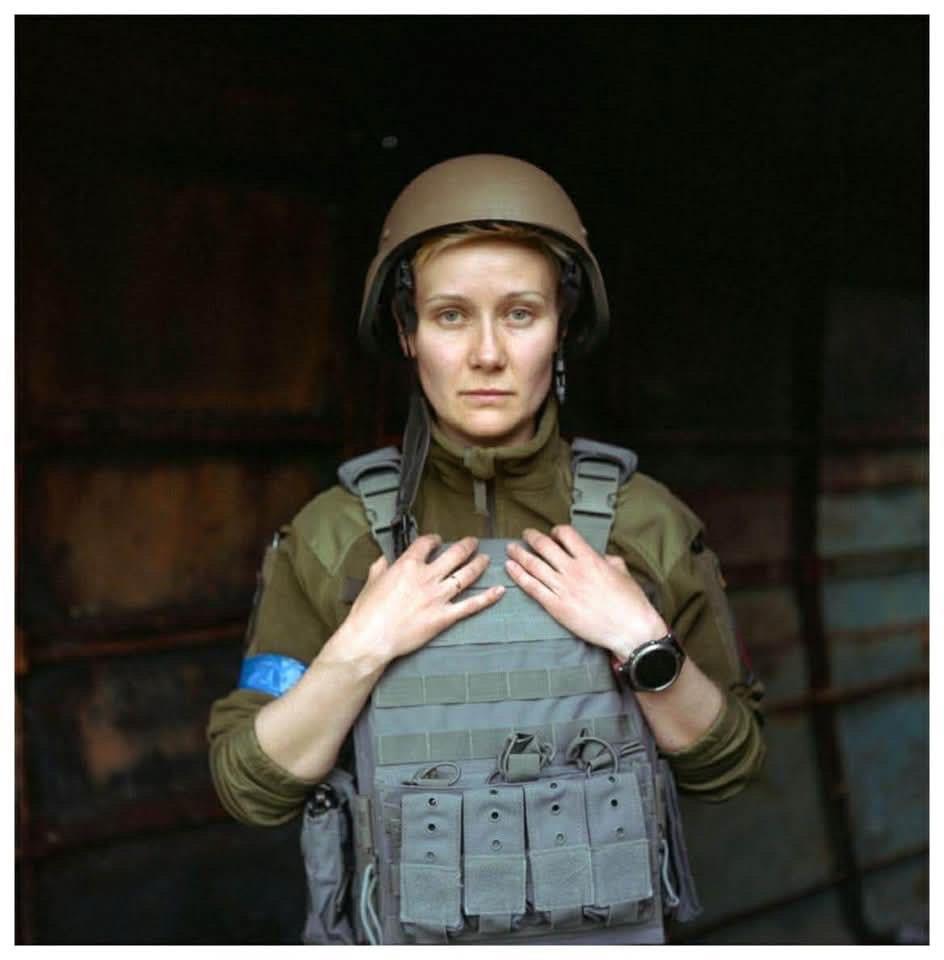
Every frame by Stanislav Ostrous is time suspended, a moment that will never be repeated. His analog photography is devoid of manipulation; it is honest, sometimes ruthless, yet filled with profound respect for every person who finds themselves in front of his lens.
These photographs do not merely document the aftermath of destruction; they preserve the memory of the incredible resilience of Ukrainians, of the hope that continues to live even in the darkest basements of Kharkiv or under shelling in Kherson.
The history Stanislav documents continue to be written every day. To follow his new projects, to see our reality without digital embellishments, and to support the author's mission, subscribe to his official Facebook page.