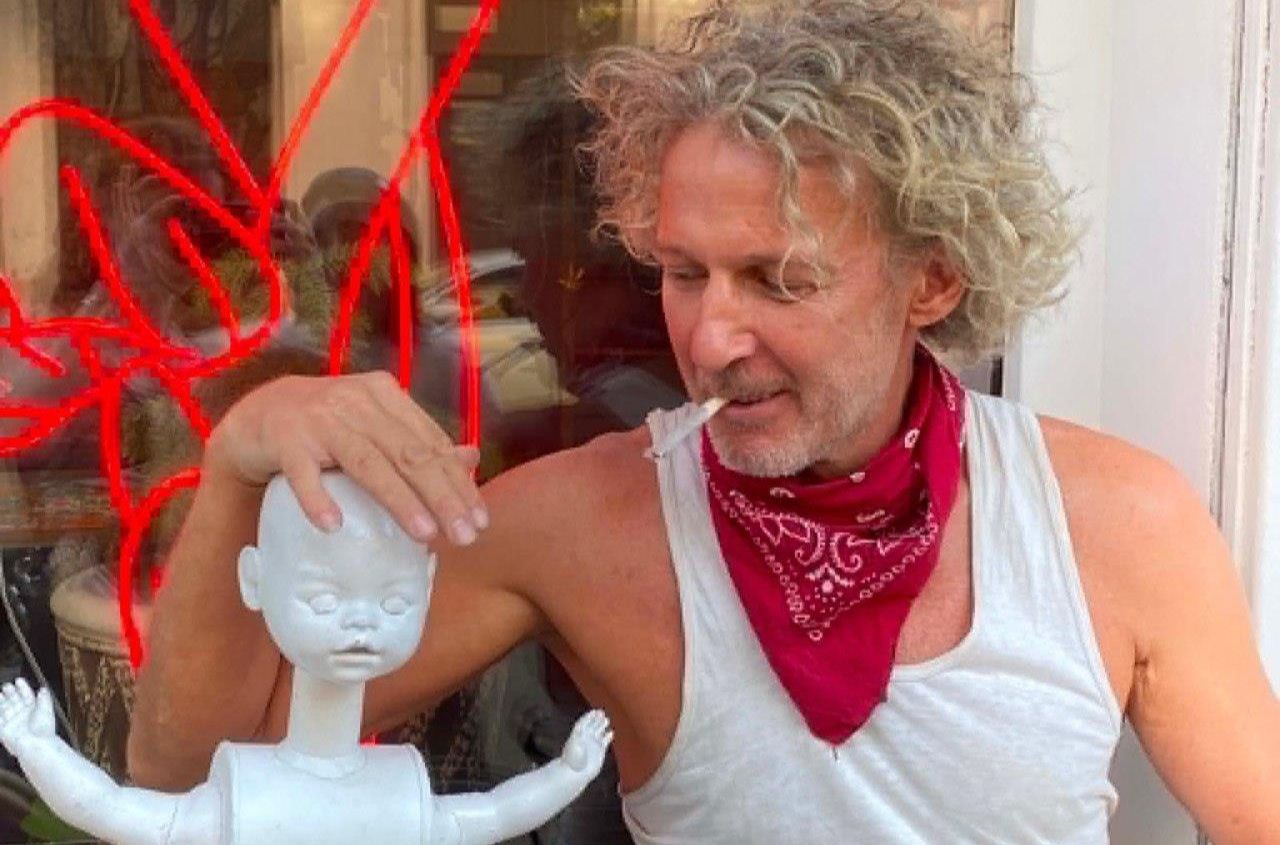


Main image: Pavlo Bretter
The thirty-first interview through images by Andrew Sheptunov
Odessa is a city where stone breathes under the hands of masters, but in the work of Pavlo Bretter, this process takes on a special, almost sacred significance. A native of Odessa, Pavlo has absorbed the aesthetics of the southern city—its unique light and textures—turning them into the foundation of his signature style, which critics call "metaphysical eclecticism." His works are not merely plastic forms; they are an attempt to capture in stone and bronze that which lies beyond physical perception.
Bretter’s journey as a sculptor is inextricably linked to the search for "internal vision." Working with demanding materials such as sandstone, marble, and granite, he does more than just carve away the excess; he enters into a dialogue with the material, forcing cold stone to breathe and convey the most delicate of emotions. Each of his exhibitions—from the recent "My Metaphor" to his legendary projects featuring "living marble"—serves as an invitation into a world of symbols and encoded meanings.
Pavlo’s creative method is built upon archetypes. Under his touch, guardian angels, mythical creatures, and images emerge where modernity meets eternity. He often employs "canonical" features—almond-shaped eyes and slender facial lines—making his style instantly recognizable in professional circles. Today, however, those hands, once accustomed to the chisel and clay, hold entirely different instruments.
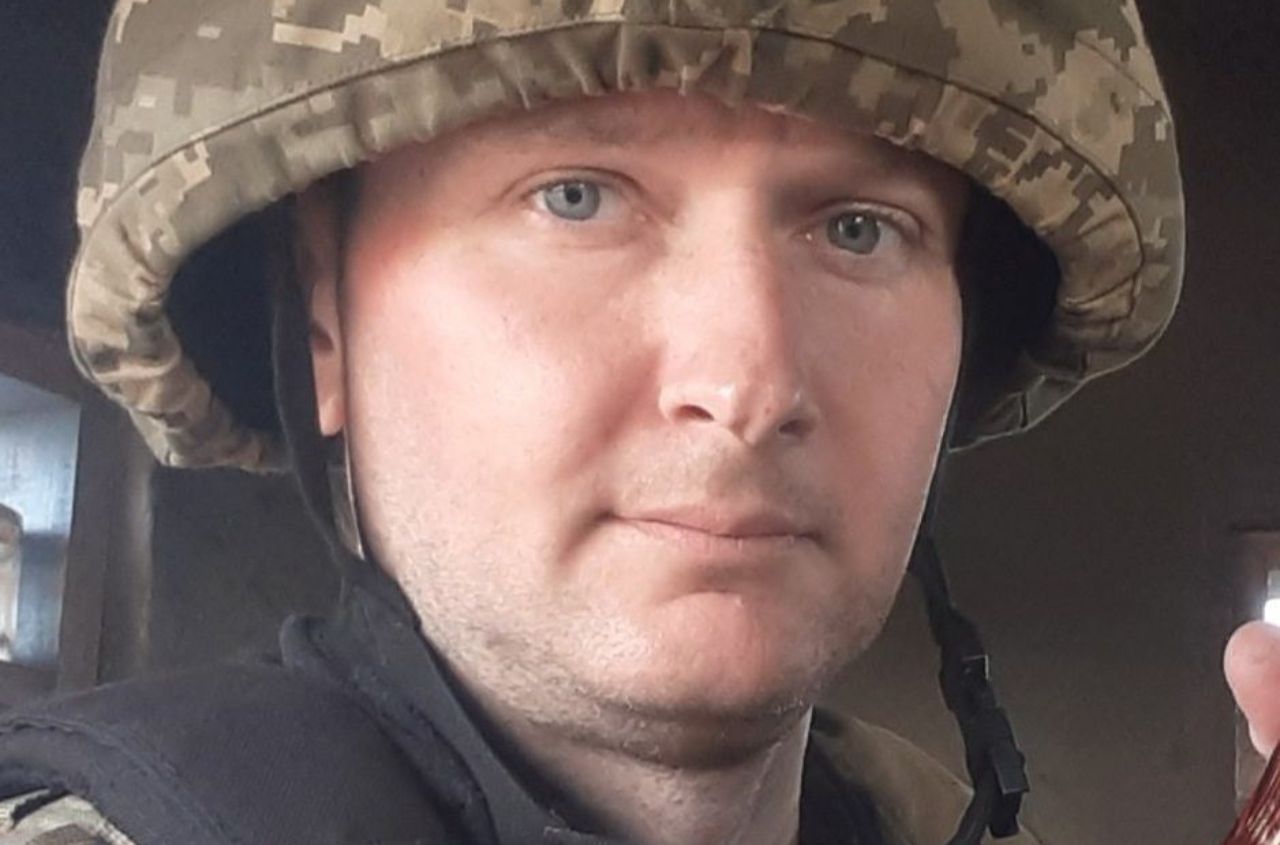
With the start of the full-scale invasion, the sculptor’s life, like that of millions of Ukrainians, changed radically. Driven by conscience and love for his land, Pavlo Bretter made the decision to join the Armed Forces of Ukraine (AFU). Today, the master whose works grace galleries and private collections is in active service, defending our right to freedom, our culture, and the very future of Ukrainian art.
With this article, we continue our special column, "You in the Army Now." In this series, we highlight outstanding figures of the arts—painters, writers, and sculptors—who have traded their studios for trenches and bunkers. This is a cycle about those who serve as Ukraine's living shield today, proving that the creator’s voice is not silenced by the roar of cannonade; rather, it gains a new, steel-like strength.
For Pavlo, the war has become a time to re-evaluate many images. The experience of service inevitably leaves an imprint on the perception of form and space. What once seemed a metaphor now possesses the physical density of reality. His "Guardian Angels" and "Meditations" resonate differently today, serving as a visual diary of a man seeing the world through the prism of his country's defense.
We decided to conduct this interview in an unconventional format. Recognizing that for a master, form often replaces words, we proposed a creative experiment: we asked Pavlo a series of questions—ranging from deeply philosophical to intensely personal—and he responded not with text, but with his sculptures created throughout different periods of his life.
Below is this unique dialogue. These are the works of Pavlo Bretter, serving as his personal cipher and his answer to the challenges of our time. Look closely at these forms: within them lie answers to questions of pain, hope, love, and that very metaphysical strength that no metal can break.
1. Which of your works do you consider your technical or conceptual peak at this moment?
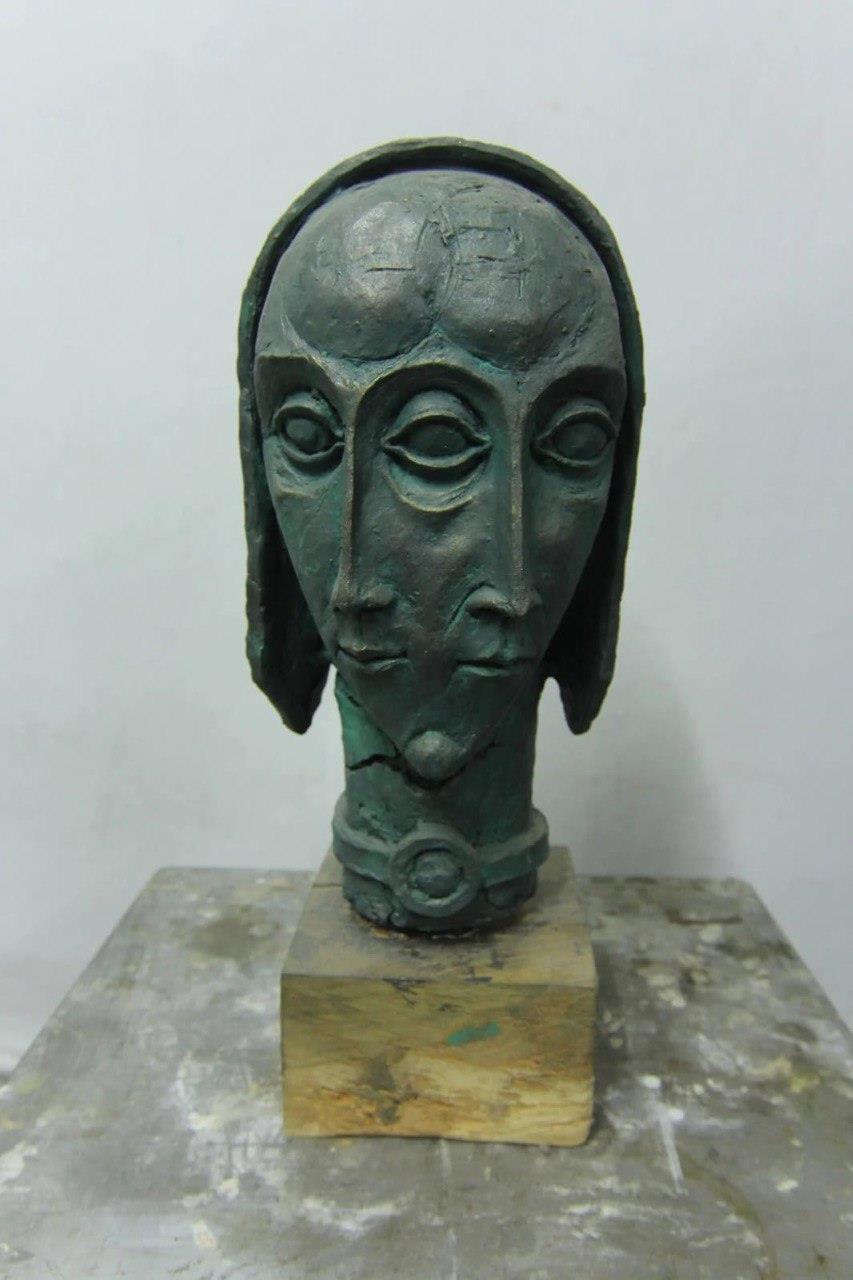
2. Show the embodiment of "metaphysics"—that which exists beyond the physical world but is felt by the skin.
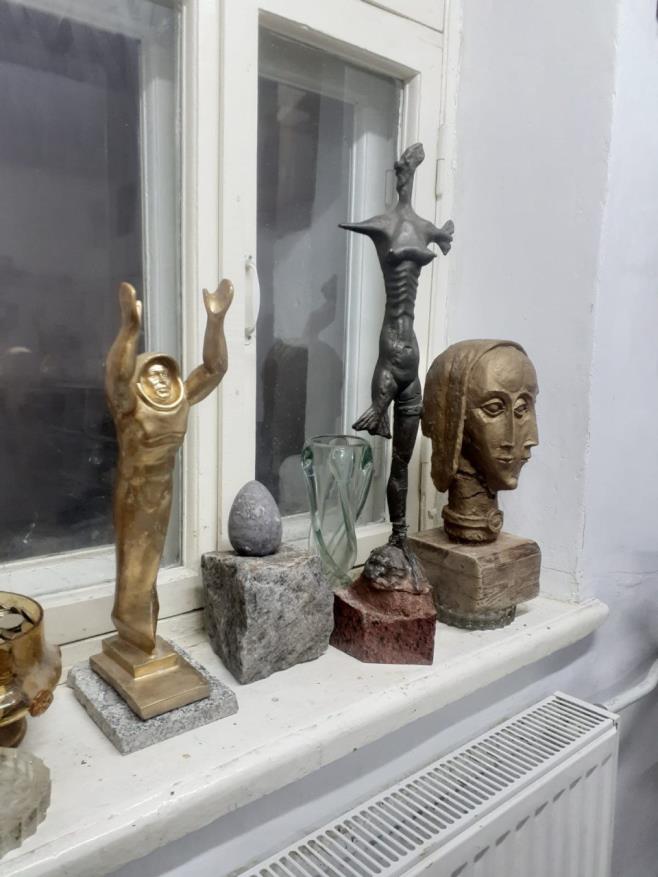
3. If Odessa were not a city but a state of mind, what would its plasticity look like?
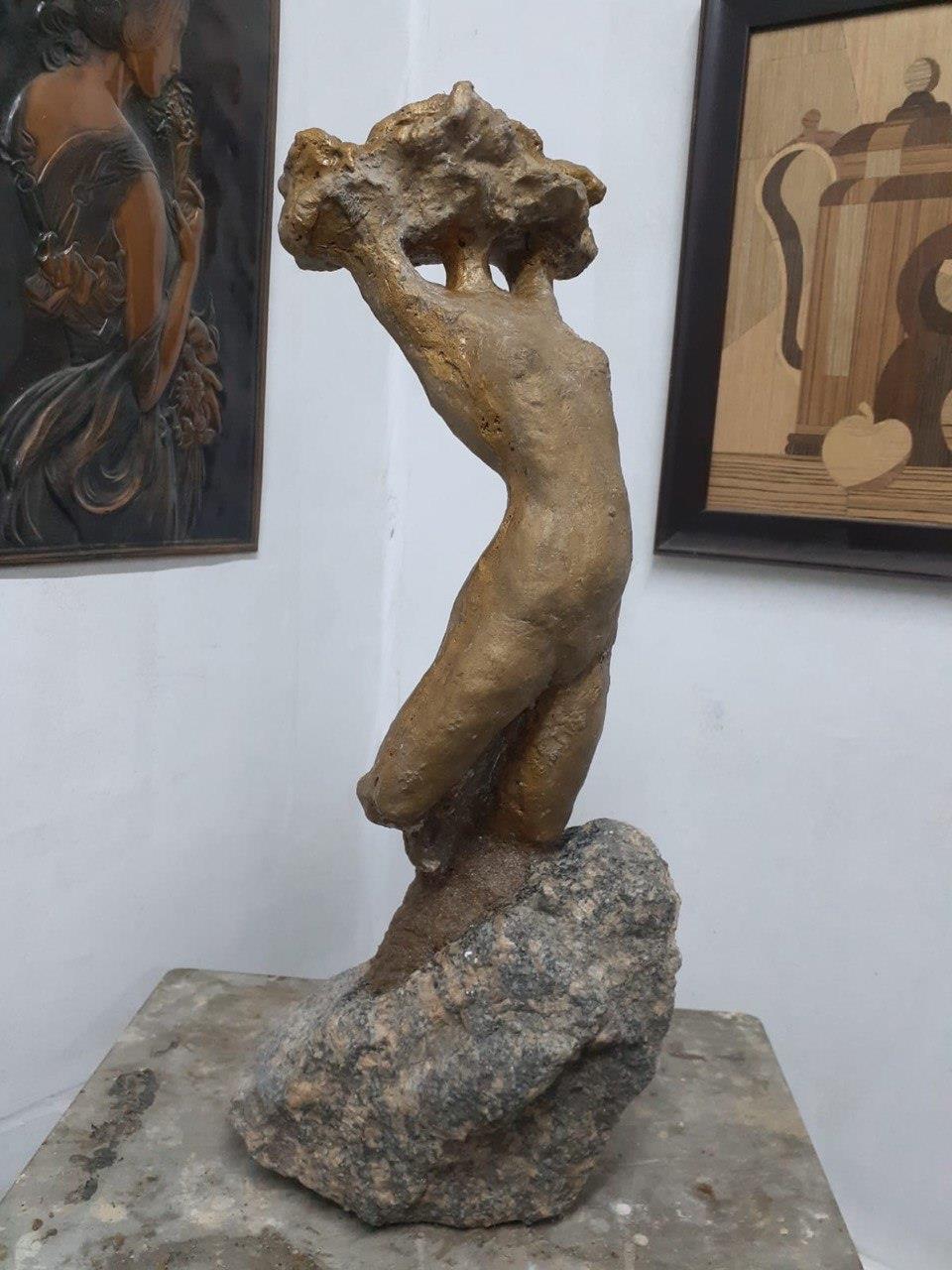
4. Show a work that became an answer to a question for which no words could be found in ordinary language.
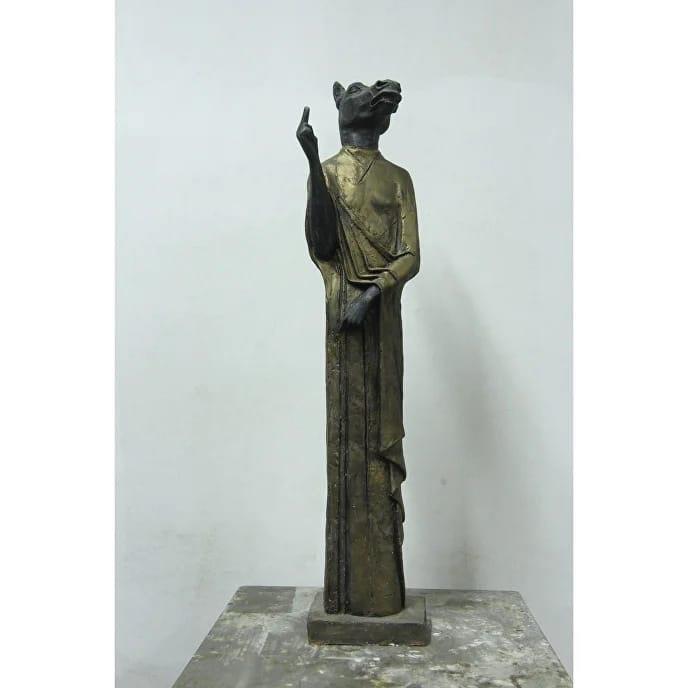
5. Show a work that, for you today, is the visual embodiment of modern Ukraine.
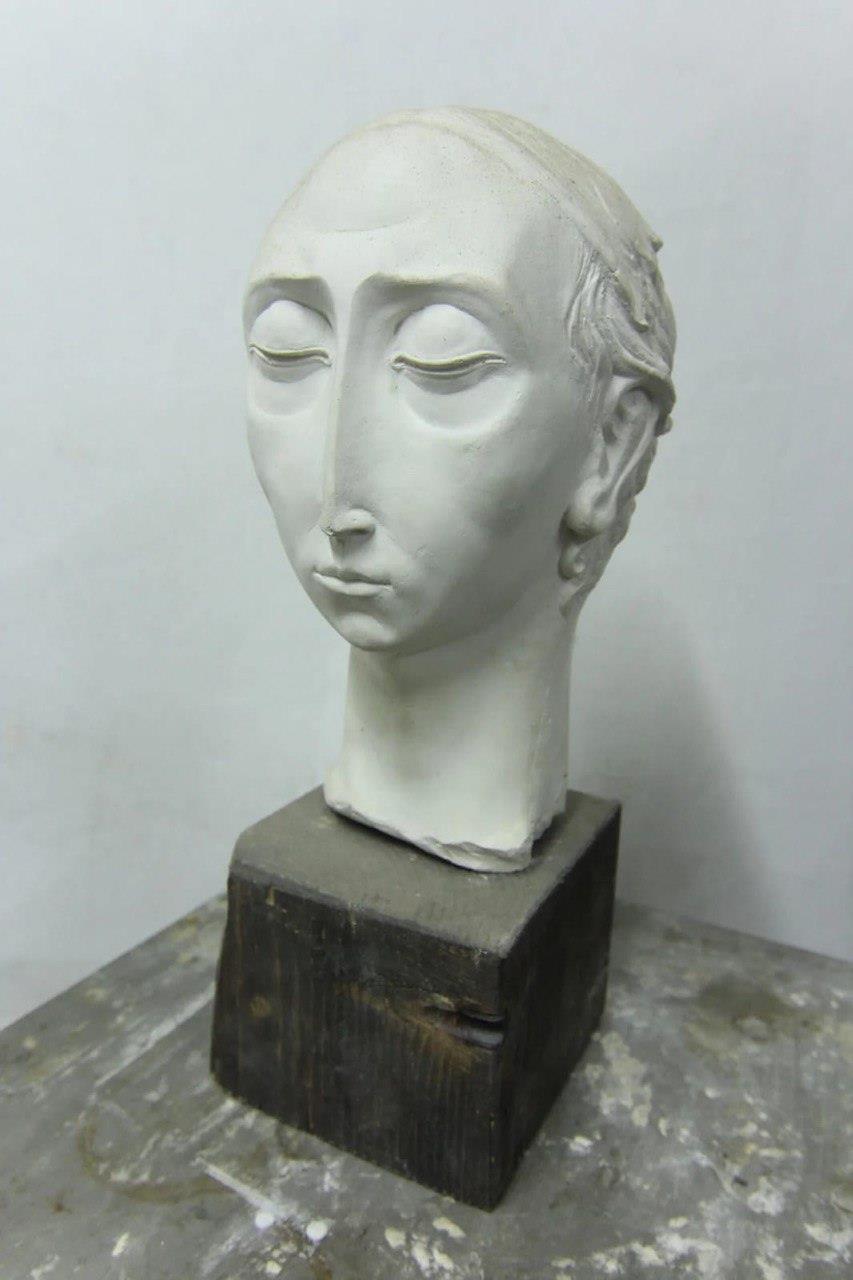
6. Which of your works best illustrates the concept of "My Metaphor"—a personal cipher understood without words?
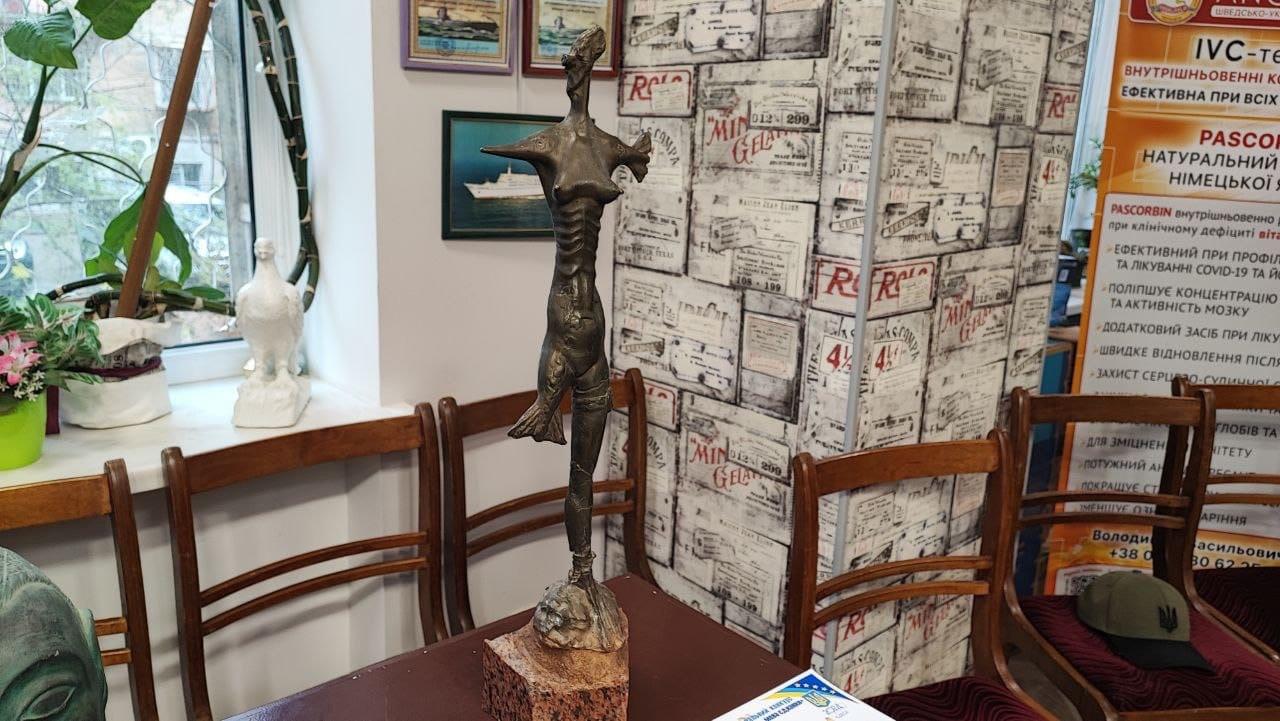
7. Show your first serious work, looking at which today you realize: "Yes, that was the moment I became a sculptor."
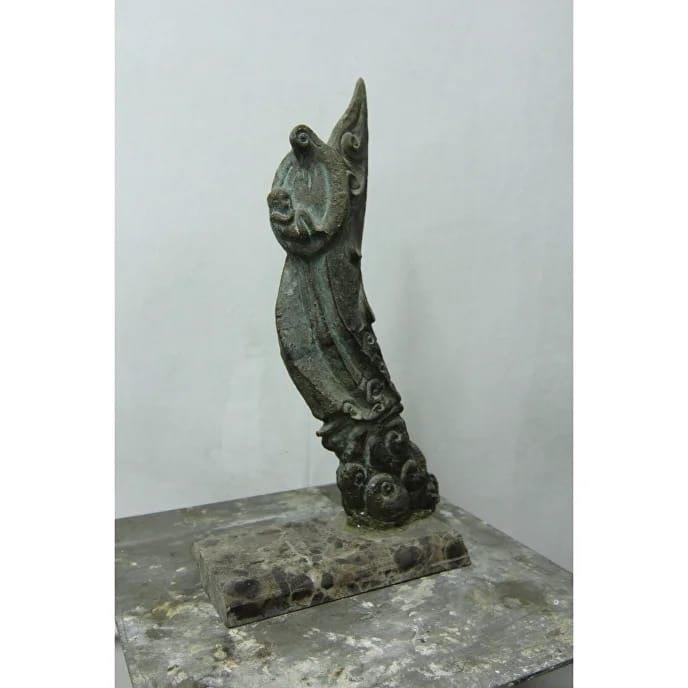
8. Which work was created as a direct reaction to the events of recent years, becoming a sort of diary of what has been experienced?
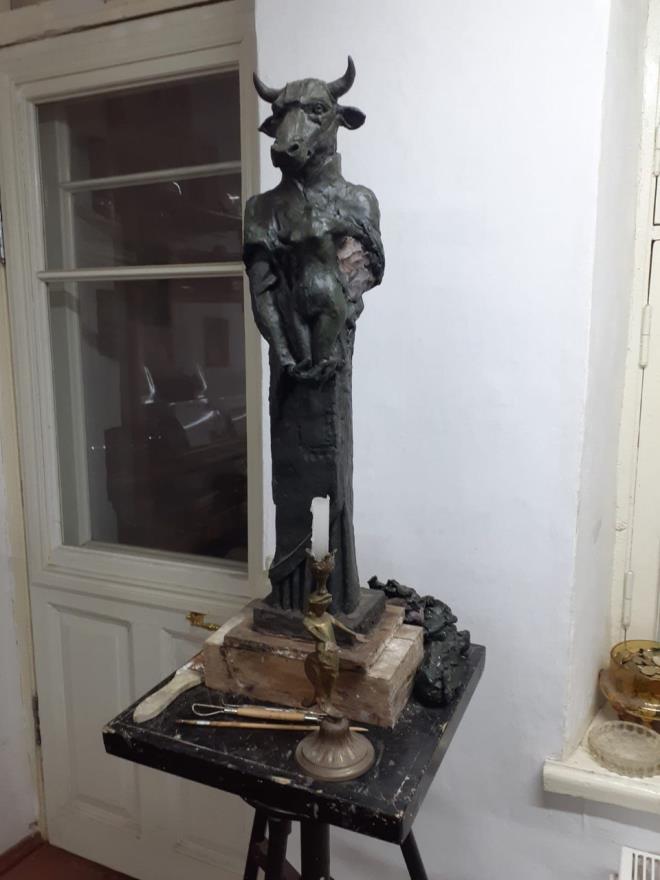
9. What does the balance between earthly gravity and the spirit's upward reach look like?
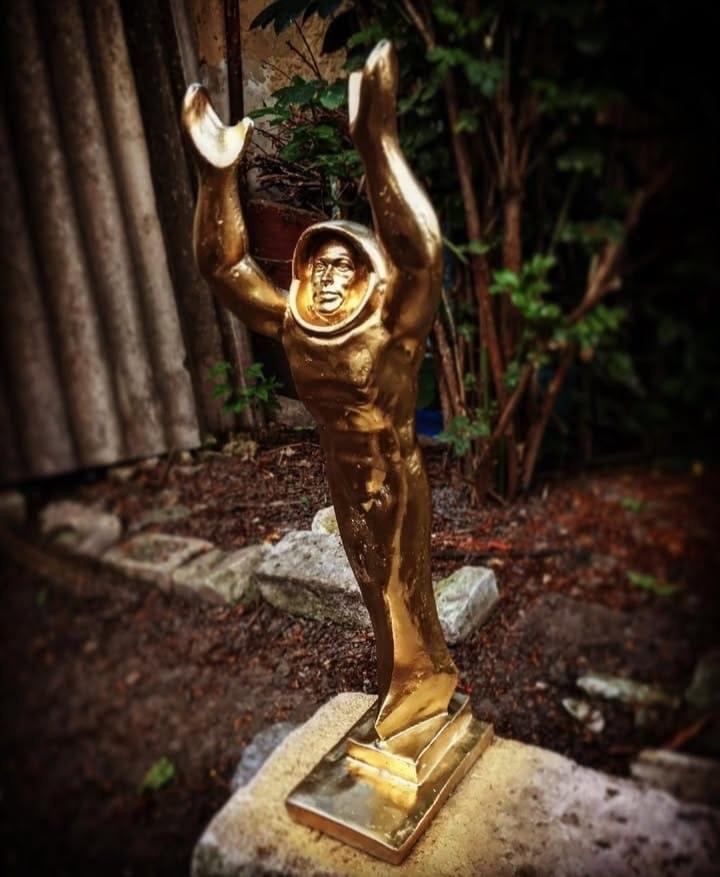
10. Which of your sculptures would you like to see installed in a city's open space to become part of it?
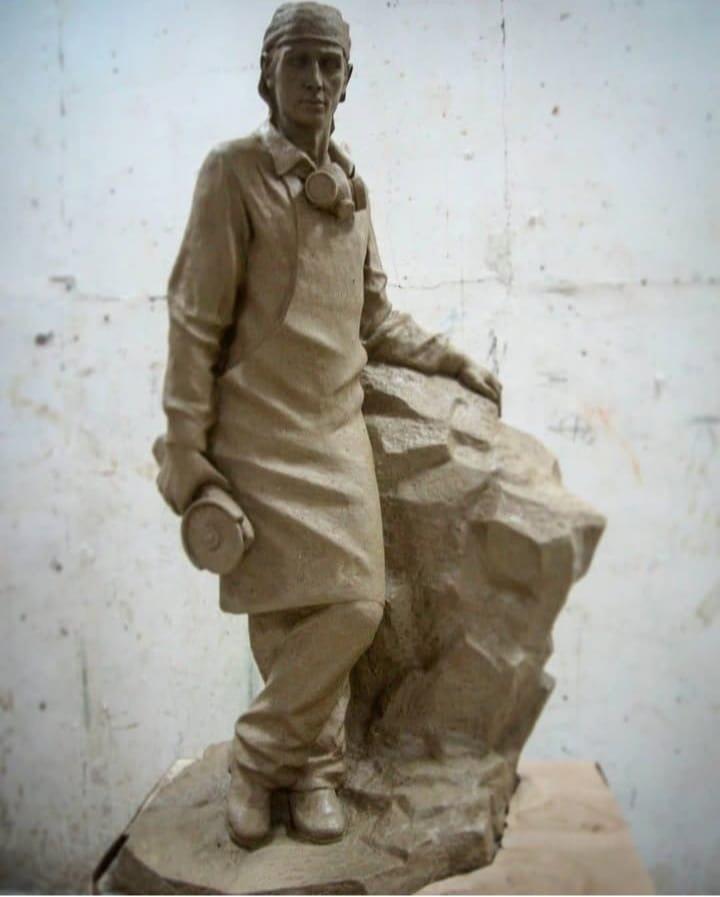
11. Depict the fragility of hope that is nonetheless capable of standing for centuries.
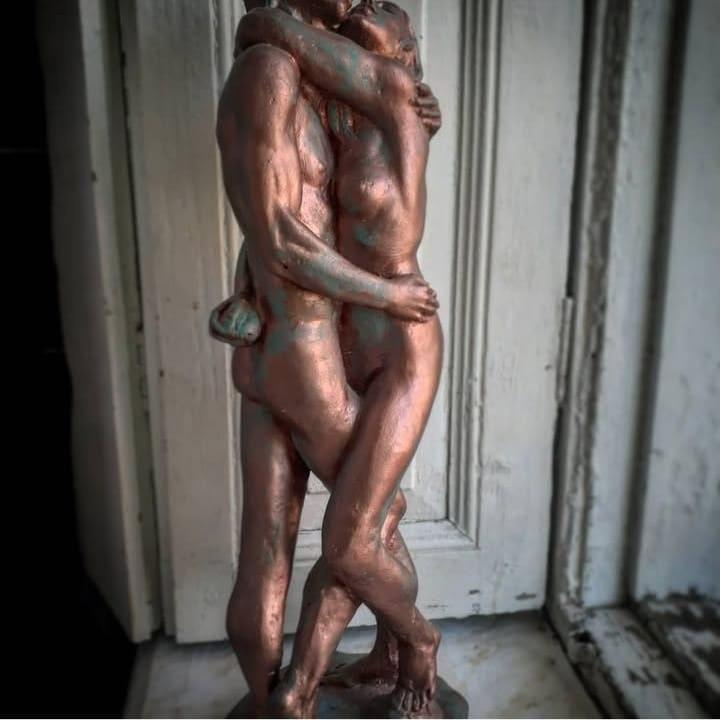
12. Is there a sculpture you are categorically not ready to sell and will keep in your personal collection forever?
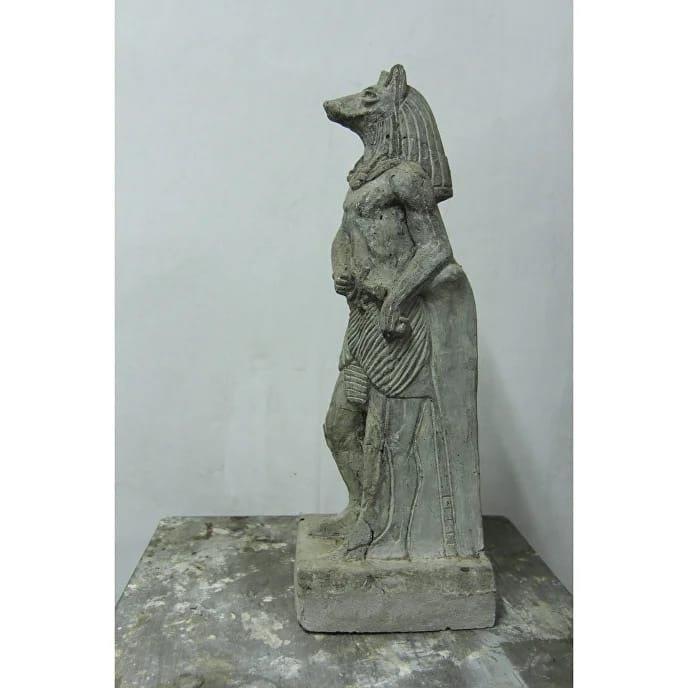
As this unusual dialogue concludes, it becomes clear that for Pavlo Bretter, art and the defense of the Motherland are not parallel lines, but facets of the same service. While the master guards our future in the ranks of the AFU, his sculptures continue their watch in galleries and the hearts of viewers, reminding us that light and creative energy are always stronger than destruction.
Each of his works is a kind of "post at the checkpoint" of humanity—a testament that even in the darkest of times, the spirit finds a way to grow through stone.
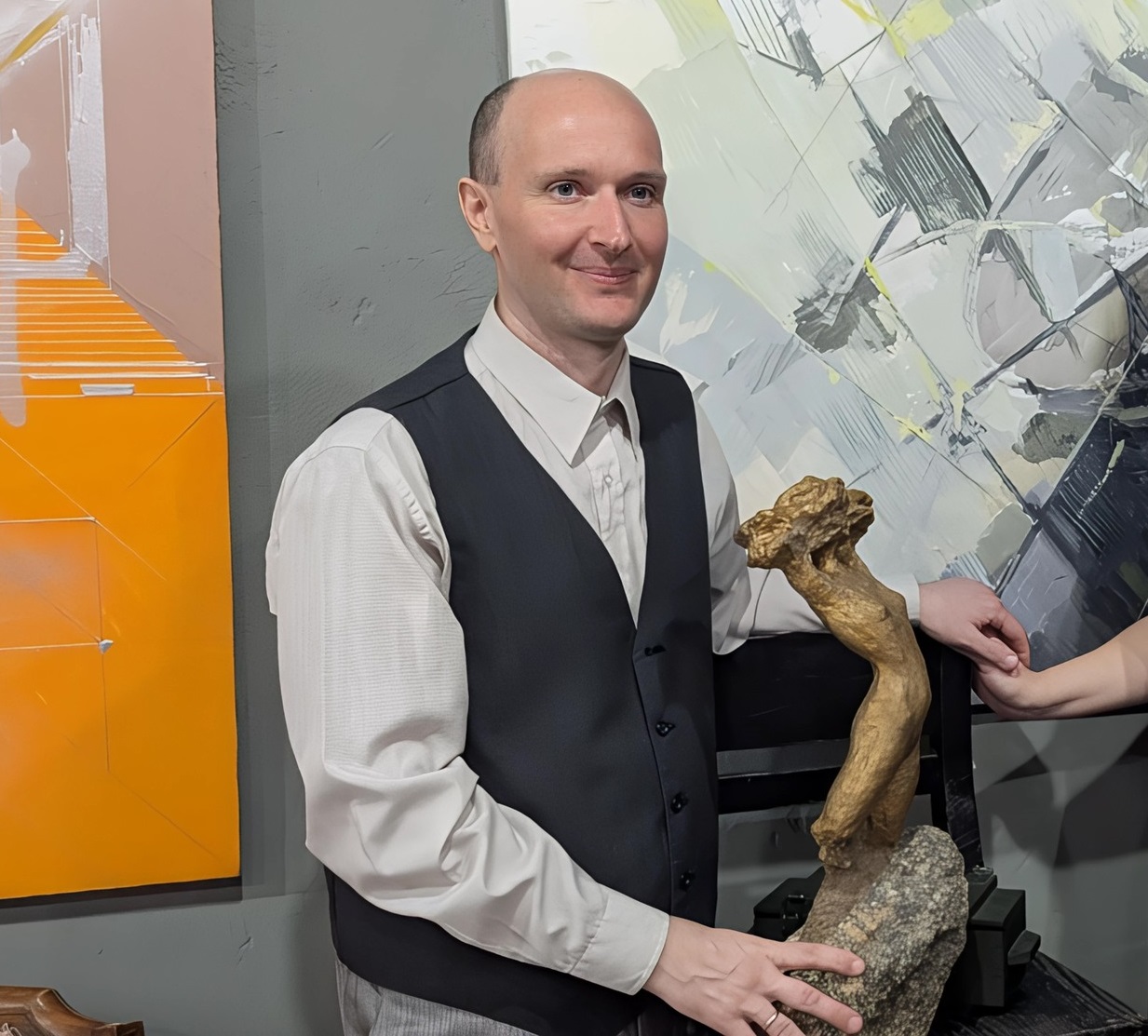
For those who wish to dive deeper into Pavlo’s world of "metaphysical eclecticism" and study the philosophy behind each sculpture in detail, we invite you to visit his official website. There, you will find a full gallery with detailed descriptions of the meanings the author invests in his creations.
You can also follow the sculptor’s creative journey and news on his social media pages: Facebook and Instagram. By supporting Ukrainian creators, we preserve the living fabric of our culture, which they protect on the front lines today.