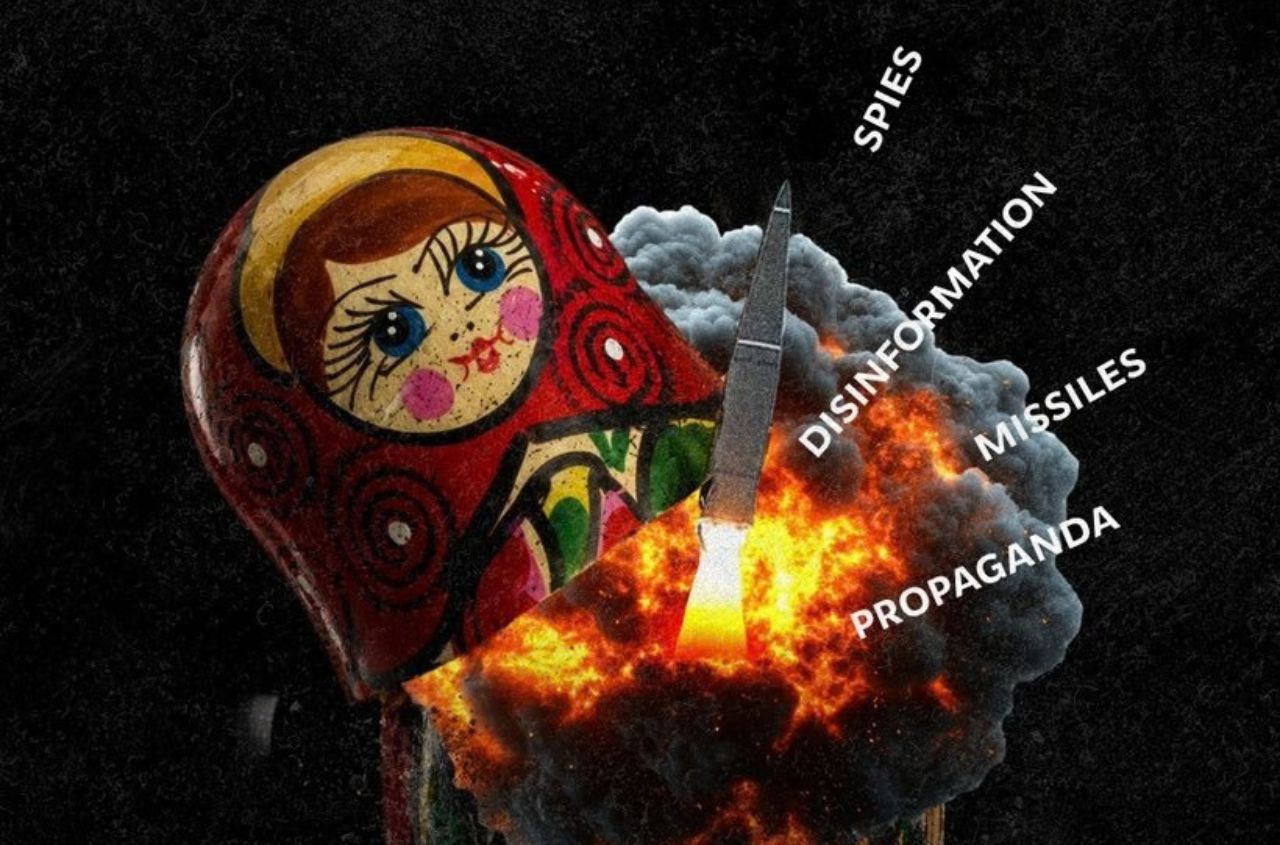



Moscow is turning the law on protecting compatriots into a full-fledged weapon of hybrid warfare: the Russian Federation has officially enshrined the right to intervene militarily in the affairs of other states, including EU countries, under the pretext of protecting its citizens from criminal prosecution, as reported by Postimees
A key tool of this strategy is the 2020 amendments to the Russian Constitution, which now allow the president to decide on the use of armed forces outside the country to protect Russia’s interests and its citizens in case their rights are allegedly violated.
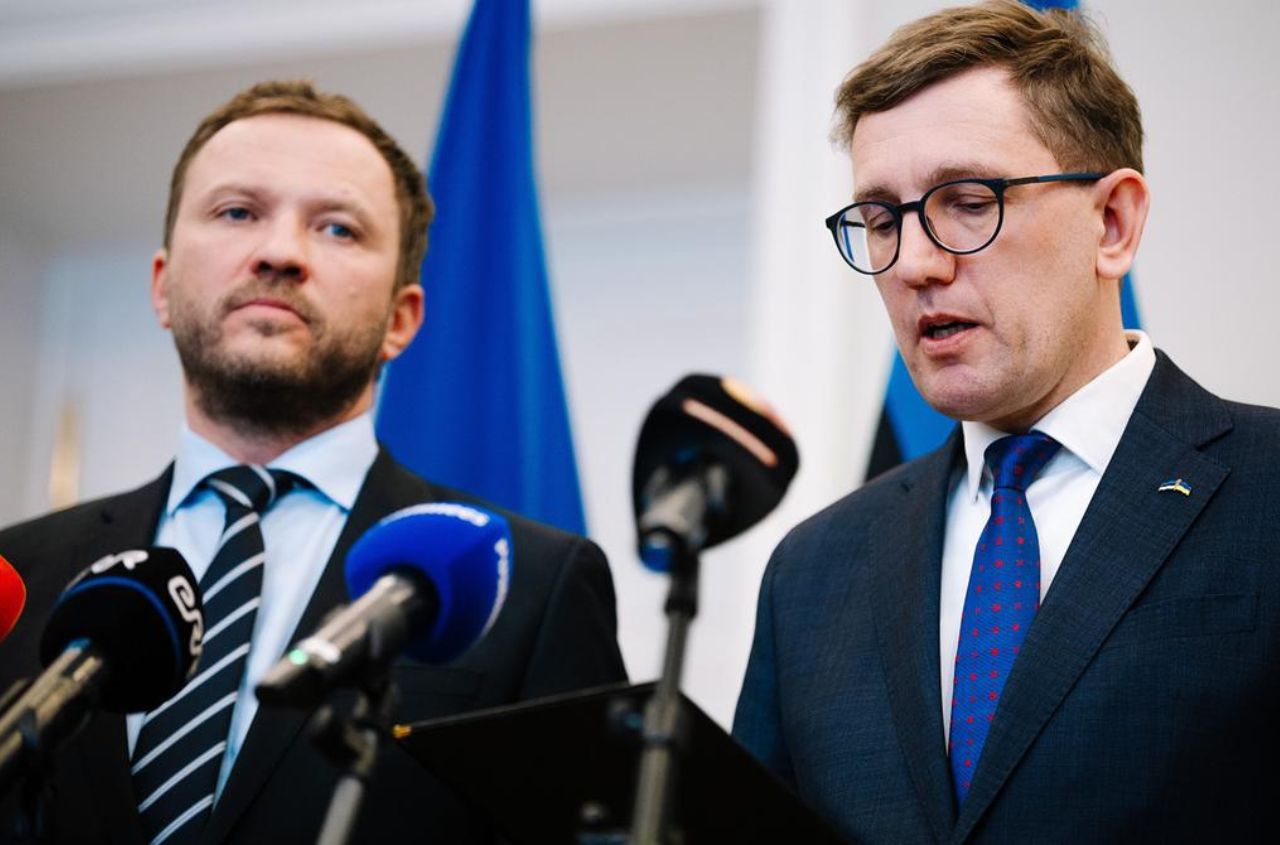
The Investigative Committee of Russia plays a special role in implementing this doctrine, having started to launch mass criminal cases against foreign officials — judges, prosecutors, and intelligence officers in Latvia, Lithuania, and Estonia. These cases are opened in response to lawful actions by European authorities to counter Russian intelligence activities or to remove Soviet monuments. Moscow declares that any attempts to arrest Russian citizens on the requests of international courts or as part of national investigations in European countries will be treated as an act of aggression, giving Russia the right to an immediate military response.
International experts emphasize that this policy is aimed at undermining the legal sovereignty of EU countries. By creating a legal basis for invasion, the Kremlin seeks to paralyze European law enforcement agencies, forcing them to fear the consequences of enforcing their own laws. In practice, Russia is building a system of “extraterritorial jurisdiction,” claiming that a Russian citizen is under the protection of the Russian military anywhere in the world, regardless of any crimes they may have committed. This threatens the security of diplomats, politicians, and ordinary law enforcement personnel in countries neighboring Russia.
In Brussels and the Baltic capitals, these actions are described as an attempt to legalize international blackmail. Moscow deliberately blurs the lines between diplomatic protection and military expansion, using the fate of individual people to achieve geopolitical objectives.