


The Russian oil industry has entered a phase of deep physical crisis, where the main constraints for the country are no longer global crude prices, but the lack of capacity for storage and transportation, according to the Robert Lansing Institute.
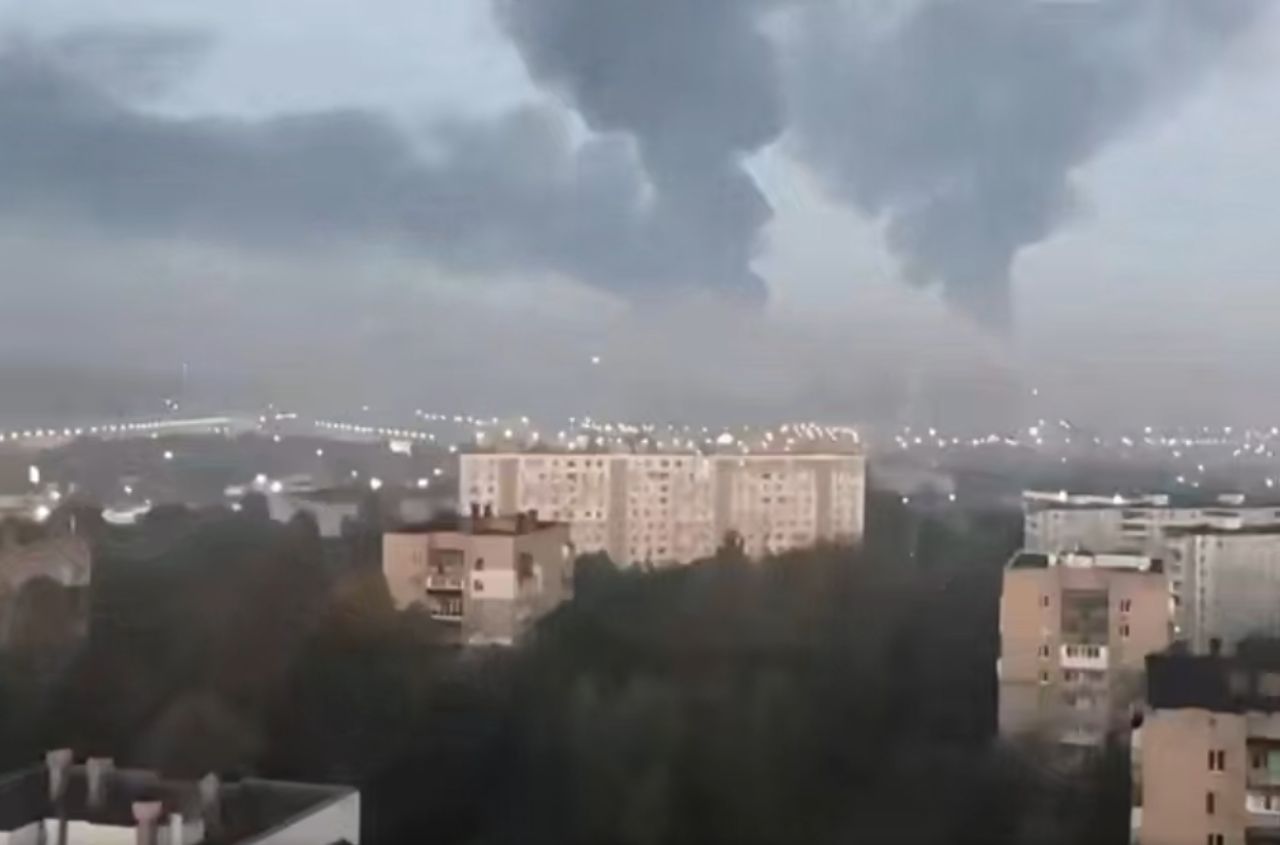
Recent data show that reducing maritime exports to below 3 million barrels per day while maintaining production at around 9 million barrels has created a massive daily surplus of 2.5 million barrels. Russia is unable to process this volume domestically or store it safely. The situation is further complicated by drone attacks on refineries, which eliminated the internal buffer that previously absorbed excess crude. As a result, Russian companies have already begun forced production cuts, and by spring 2026, this process threatens to become systemic.
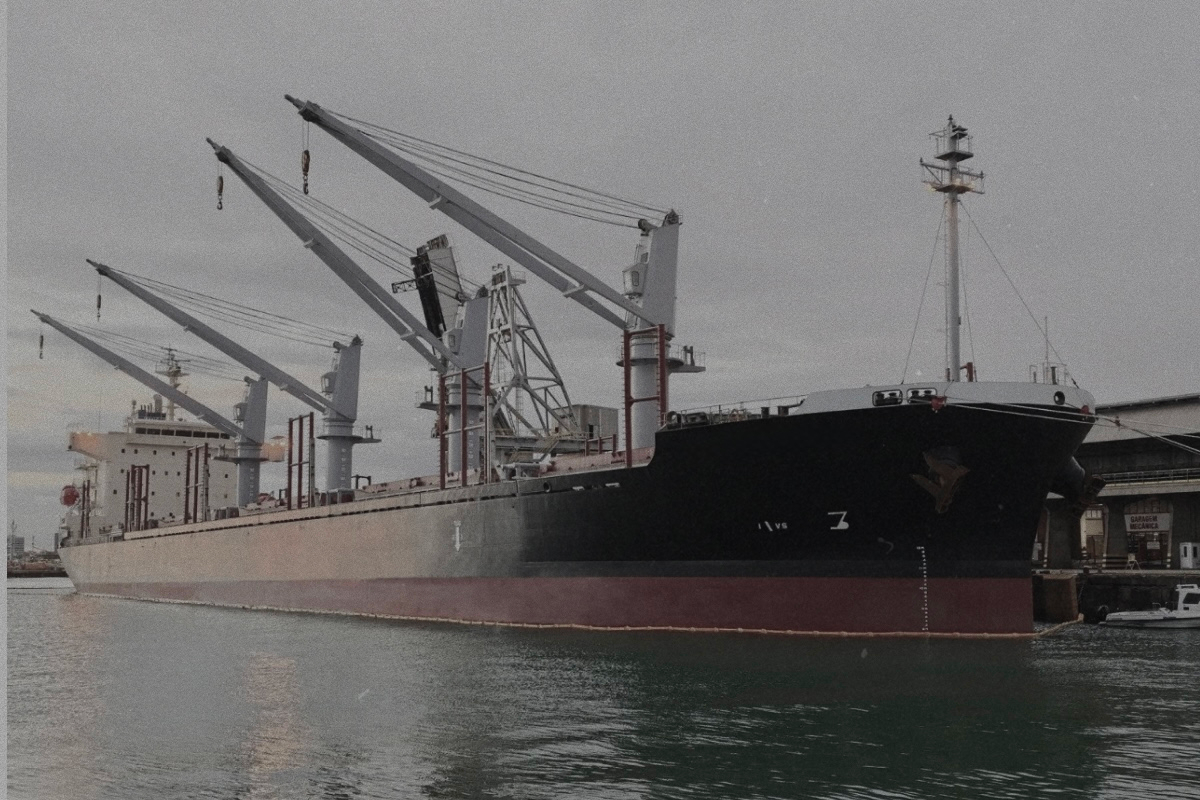
The so-called "shadow fleet," created to bypass international restrictions, has become a mechanism for freezing capital. Currently, around 150 million barrels of oil worth over $6 billion are sitting on tankers at sea. These cargos are blocked because state-owned companies in India and China, fearing secondary U.S. sanctions, have sharply reduced purchases. Moscow has lost more than half of its share in the Indian market in just three months. Onshore storage in Russia, with a total capacity of 32 million barrels, is already more than half full. At the current pace of surplus accumulation, the country has less than 45 days before it becomes physically impossible to ship new oil.
Economic indicators in the sector also show a rapid decline. Urals crude prices at Baltic ports have fallen to $42–44 per barrel, with a record discount compared to Brent exceeding $28. This effectively destroys profitability for production from complex fields, especially considering rising logistics and insurance costs. In January 2026, federal budget revenues from the oil and gas sector dropped to their lowest level since the pandemic, totaling only about $4.3 billion—half of last year’s figures. The technological characteristics of Russian wells make the situation even more dangerous: due to high paraffin content and the risk of reservoir pressure loss, up to 70% of halted wells could become unrecoverable without massive capital investments, which the industry currently lacks.
Against the backdrop of depleted Western equipment supplies and an inability to maintain mature fields, the Russian government has officially banned the publication of production and export statistics until April 2026, trying to conceal the scale of the crisis. In response to economic pressure, the Kremlin is turning to political coercion and blackmail, attempting to artificially create demand in Europe through friendly states. Moscow is using the situation around the Serbian company NIS and pressure on the Druzhba pipeline as part of a unified plan. With support from Hungary and Slovakia, Russia is trying to legitimize sanction-bypass mechanisms, leveraging Ukraine’s energy dependence on imported diesel and electricity to restore its oil transit. The success or failure of these schemes by mid-2026 will be a key test for the resilience of the entire Western sanctions system.