

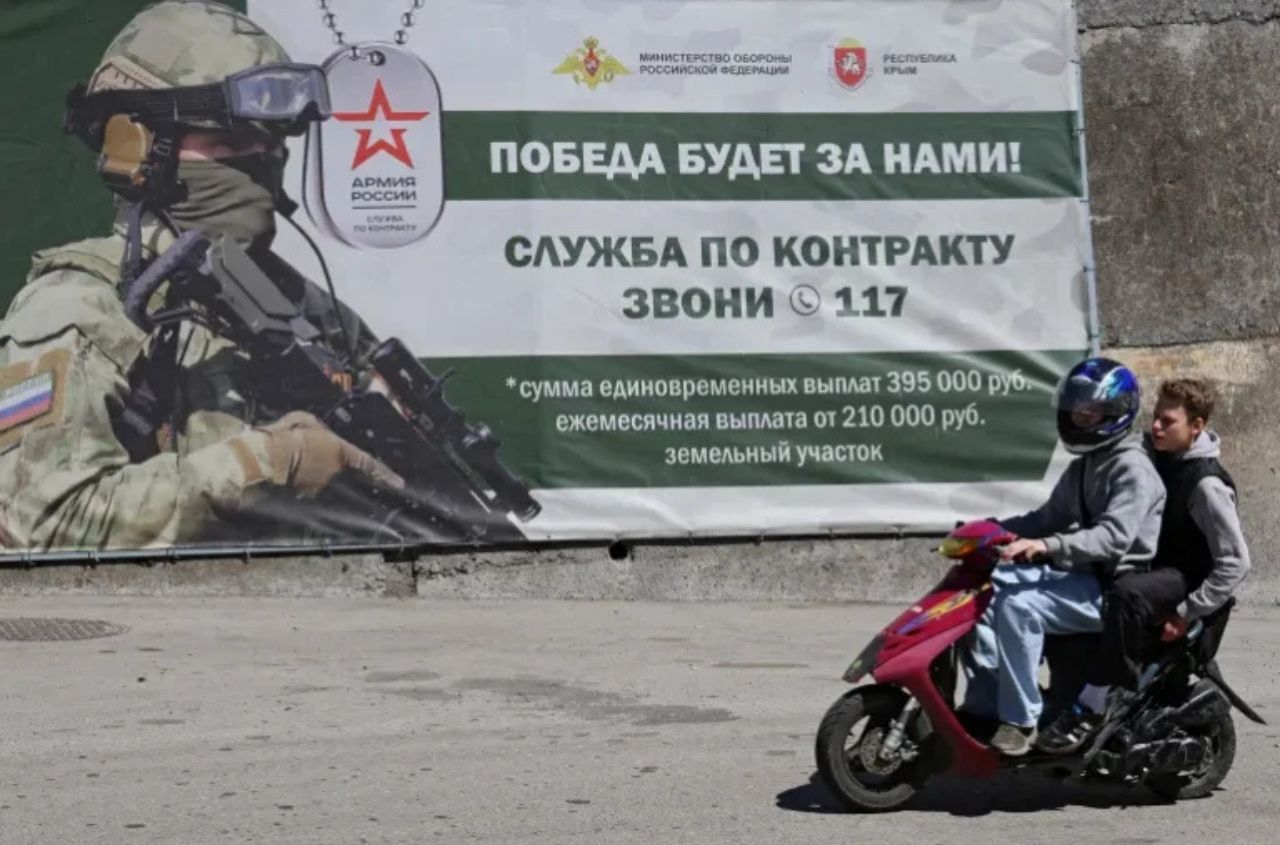

Russia has deployed a large-scale network to recruit mercenaries in African countries for participation in military operations against Ukraine, according to the Robert Lansing Institute.
The primary tools of this activity are economic pressure on vulnerable population groups and the use of official state structures as a cover. According to Ukrainian sources, more than 1,400 citizens from 36 African countries have already been identified within Russian forces. The most high-profile case was recorded in Kenya, where the National Intelligence Service reported the recruitment of over 1,000 people — five times higher than initial estimates. Of these, around 90 are already on the front lines, with dozens hospitalized or listed as missing.
A special role in this scheme is assigned to the diplomatic infrastructure. In September 2025, Russian diplomat Mikhail Lyapin was detained in Kenya for persuading locals under official cover to travel to Russia, promising them high-paying jobs. Similar functions are carried out by “Russian Houses” (Rossotrudnichestvo) in countries like Nigeria. These centers are used not only to promote culture but also as platforms for “shadow recruitment infrastructure,” where ideological manipulation and deceptive job offers identify potential recruits. People are often promised positions as electricians, builders, or security guards with salaries of about $2,700 per month, but upon arrival, they are coerced into signing military contracts with the Russian Ministry of Defense.
The recruitment network has a modular structure: strategic planning is carried out by the GRU, while operational execution is handled by the “African Corps” (the successor to the Wagner PMC). On the ground, private agencies and intermediaries work closely with corrupt officials in immigration services and airports to organize departures on tourist visas.
There are known cases of using indirect routes through Turkey, the UAE, Uganda, and the DRC. Cameroon has suffered the highest losses among African recruits: of 335 identified recruits, nearly one in three has died. Analysts emphasize that African fighters are often used as expendable personnel due to a lack of professional training and language barriers. This situation has already provoked strong diplomatic reactions in South Africa, Kenya, and Ghana.